
The article library
What would you like to know about kefir?
Start with a question about health, choosing a drink or making your own. Search by a word, or use the categories to narrow the list.
Understanding kefir
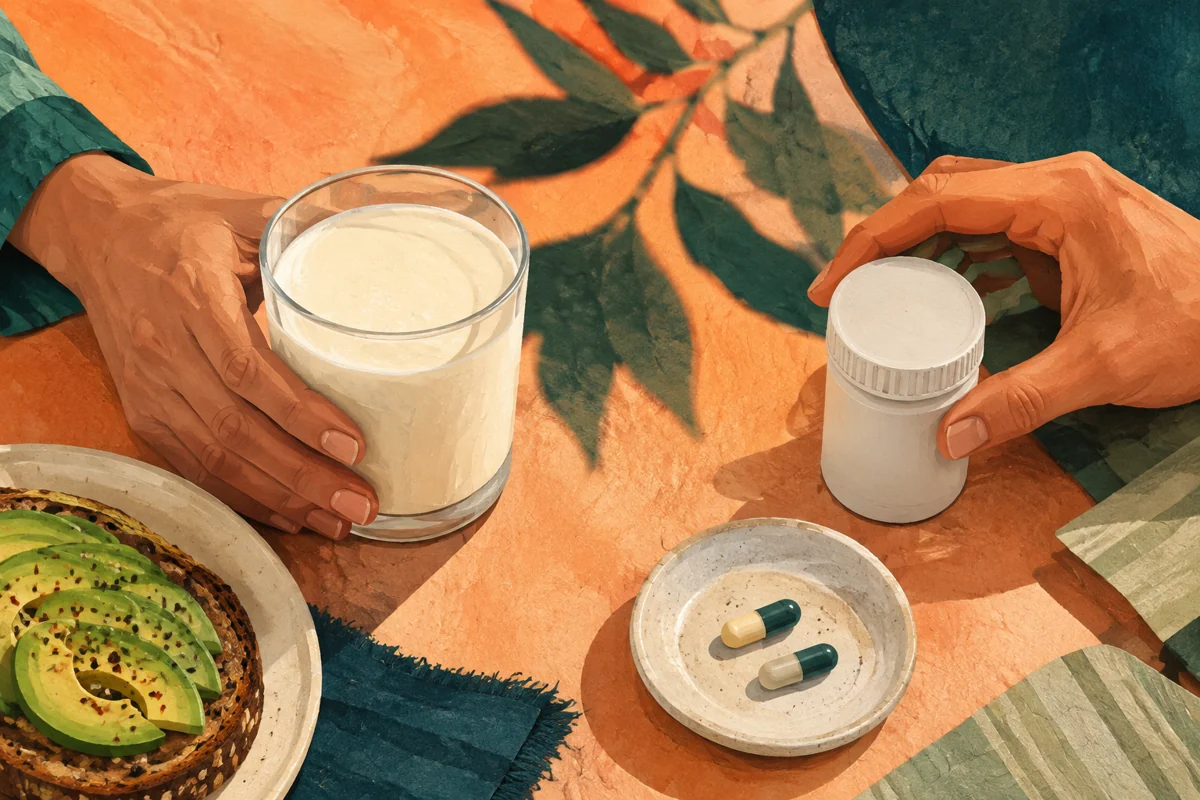
Should you drink kefir or take a probiotic?
Compare kefir and probiotic supplements by your purpose, the product label and the evidence—not the biggest microbe count.
Understanding kefir
What is kefir, and how is it different from yogurt?
Find out what kefir is, how its reusable culture works, and where the health research, history and recipes can take you next.

Understanding kefir
Where did milk kefir come from?
Follow kefir through the North Caucasus tradition and its later travels, with history distinguished from folklore.
Understanding kefir
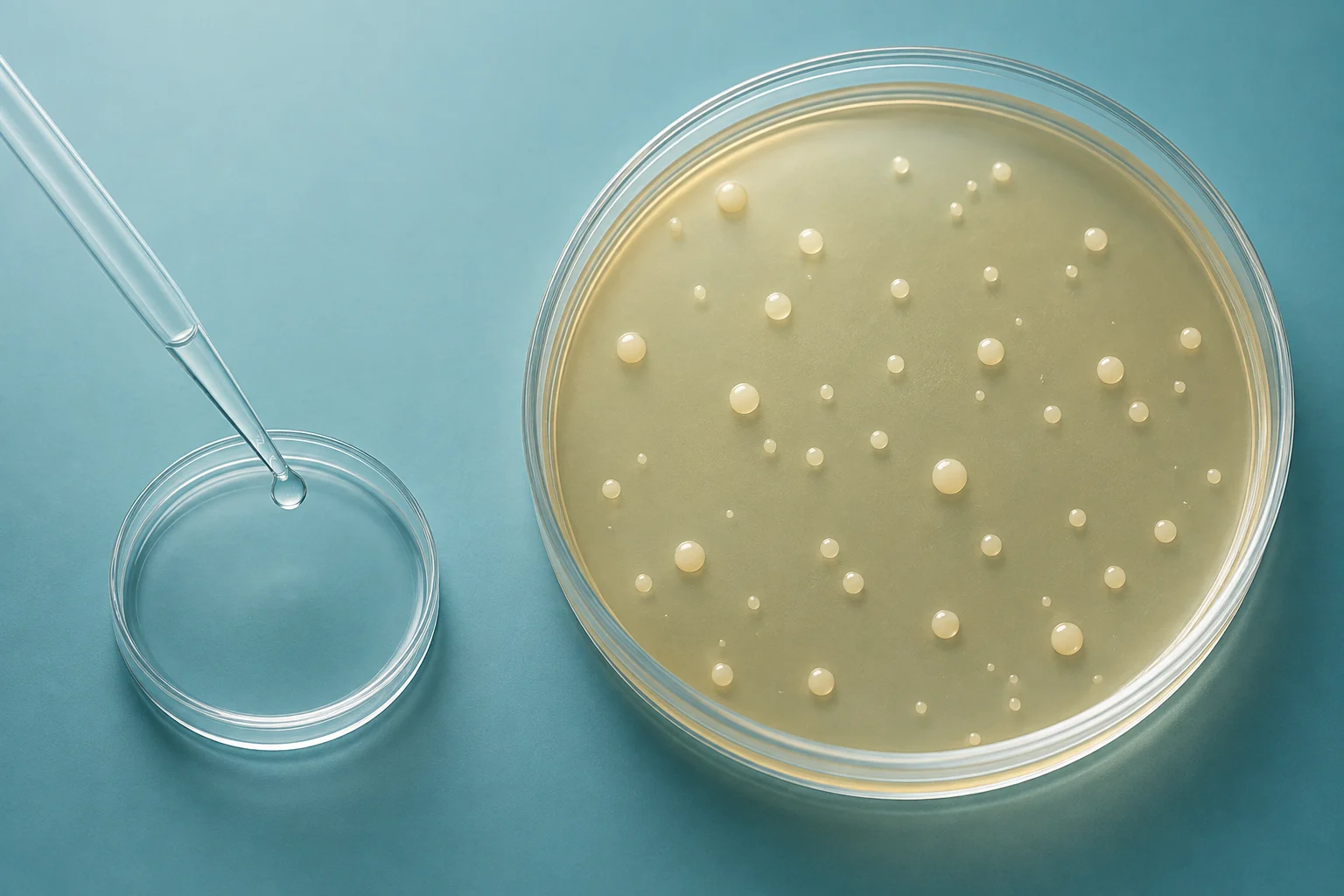
How many live microbes are in kefir?
Learn what a CFU count measures, why counts vary, and what a large number cannot tell you about a health benefit.

Understanding kefir
Where did water kefir come from?
Explore tibicos, older grain records and the clues behind a drink with more than one origin story.

Health research
What does kefir change in your gut?
What small human trials found in gut samples, and how that differs from relief of bloating, constipation or lactose symptoms.

Health research
Can you drink kefir with lactose intolerance?
Why plain kefir performed better than milk at the same lactose load, what that result means, and how to choose if dairy bothers you.

Health research
Can kefir help with constipation?
A small kefir study reported fewer hard stools after four weeks. See the actual change, the missing control group and what it means for trying kefir as food.

Health research
Can kefir help with blood sugar?
It may help a little, but the research does not give one consistent answer. Some pooled trials found lower fasting blood sugar; another review did not. Plain kefir can still fit into a meal, provided you count what is in the glass.
Choosing kefir
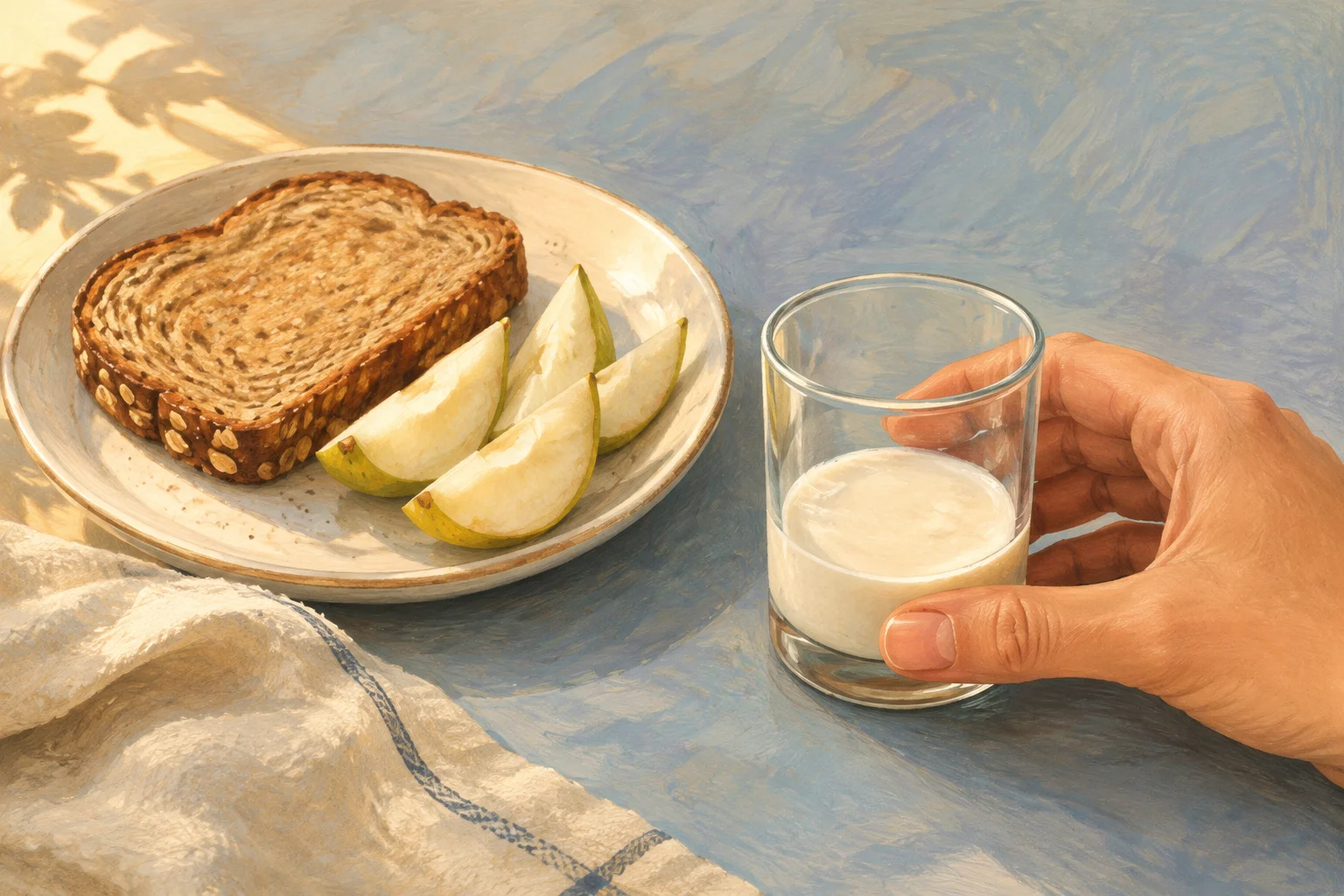
How much kefir should you drink?
Start with a small food portion, see how it fits your meal, and understand why the amounts used in studies are not a daily target.
Choosing kefir
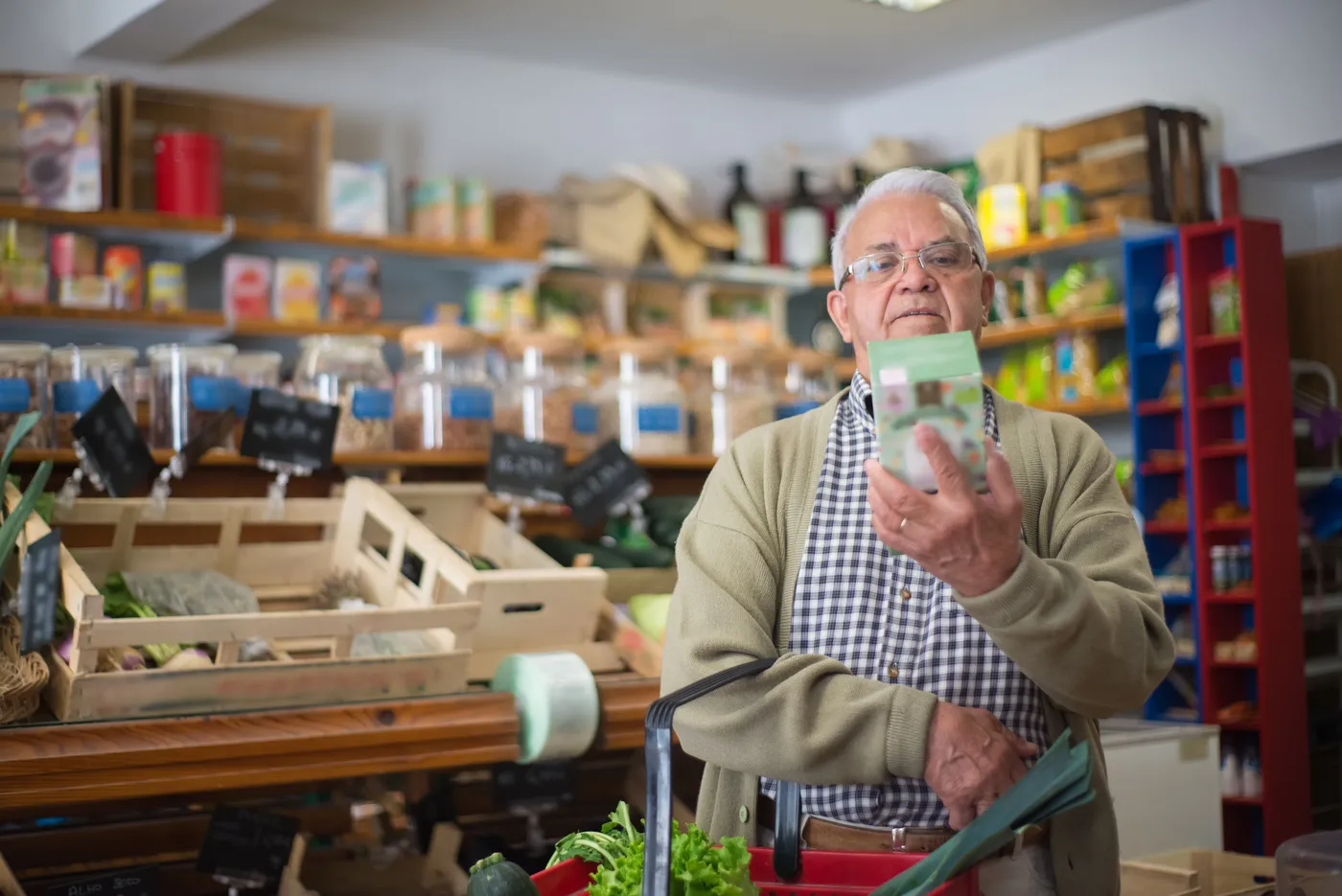
How to choose kefir
Choose by the food, ingredients, live cultures and your actual serving—not just a large bacteria count on the bottle.
Choosing kefir
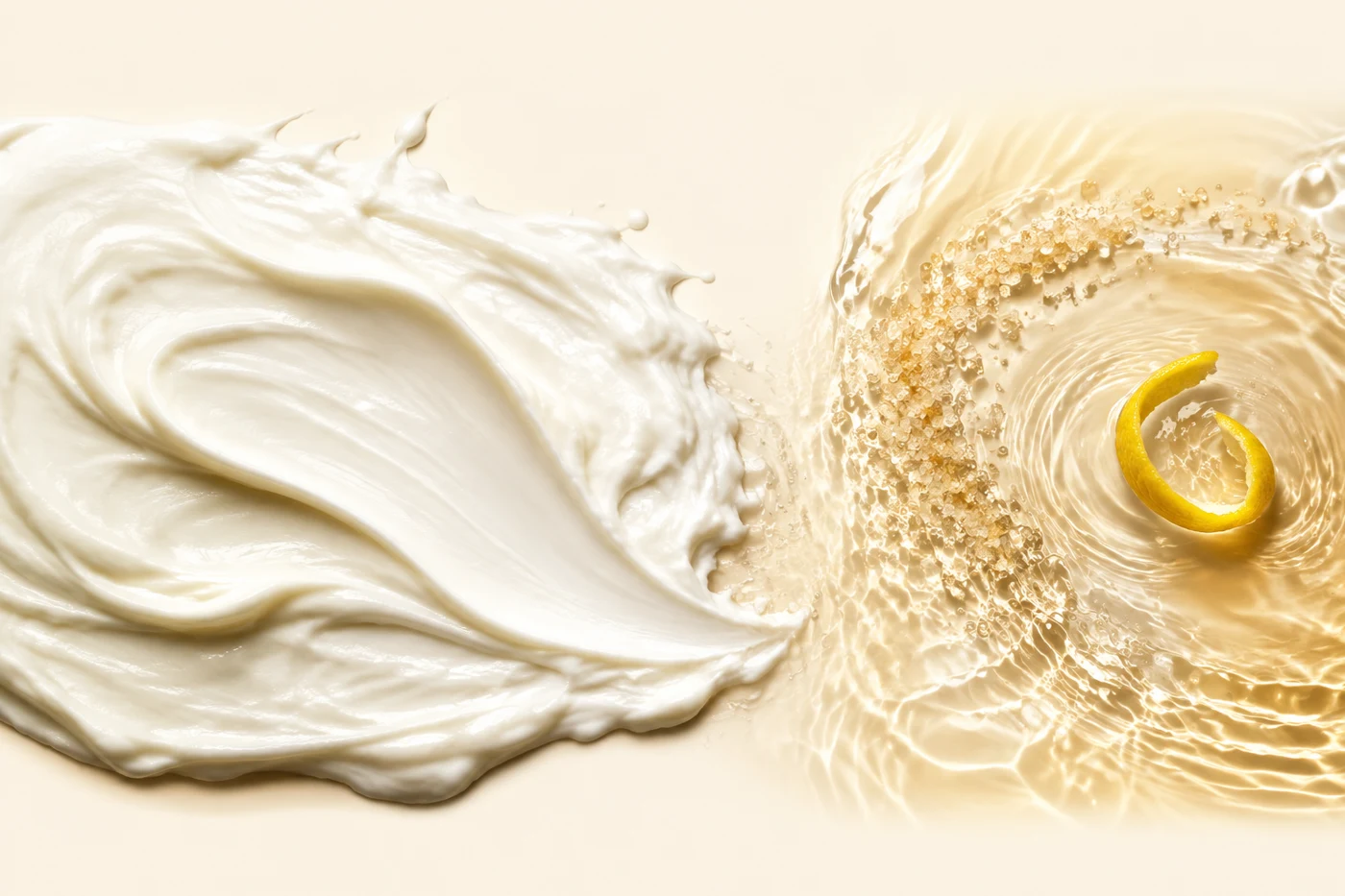
Milk kefir or water kefir?
Compare the taste, uses, dietary fit and care needed for milk kefir, water kefir and cultured plant drinks.
Choosing kefir
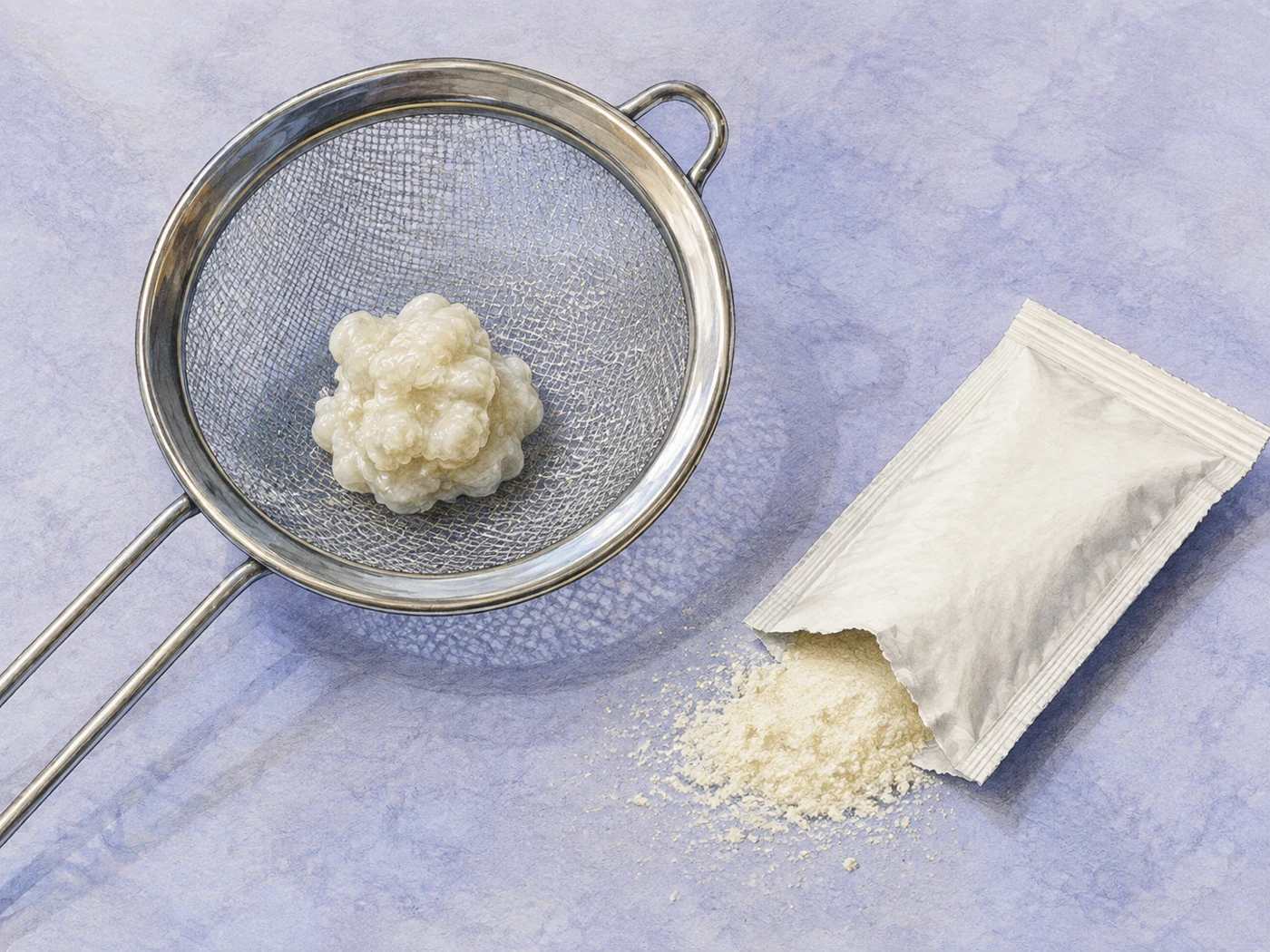
Kefir grains or starter powder?
Compare reusable grains, direct-set powder and dried grains before buying a culture.
Choosing kefir
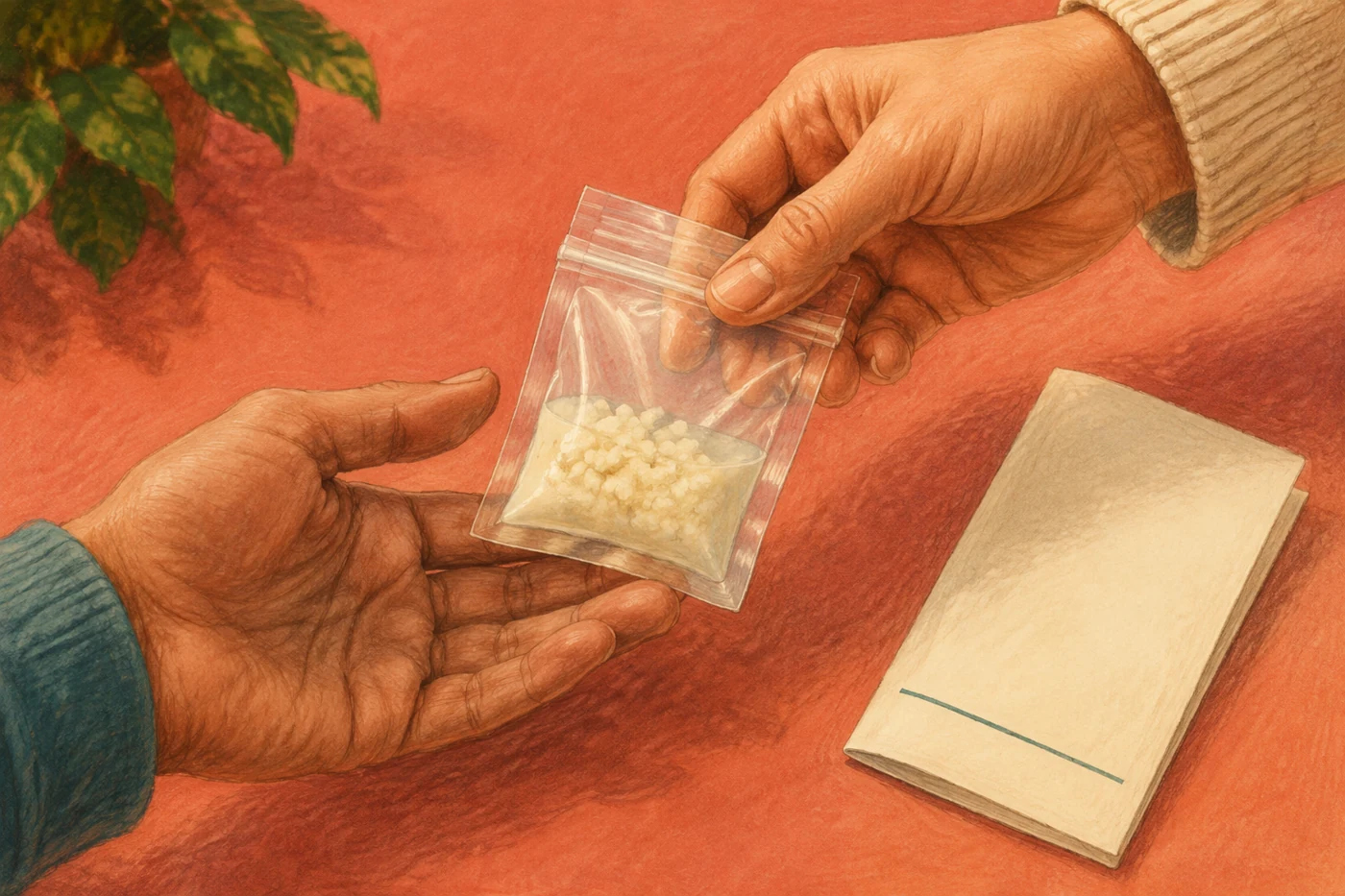
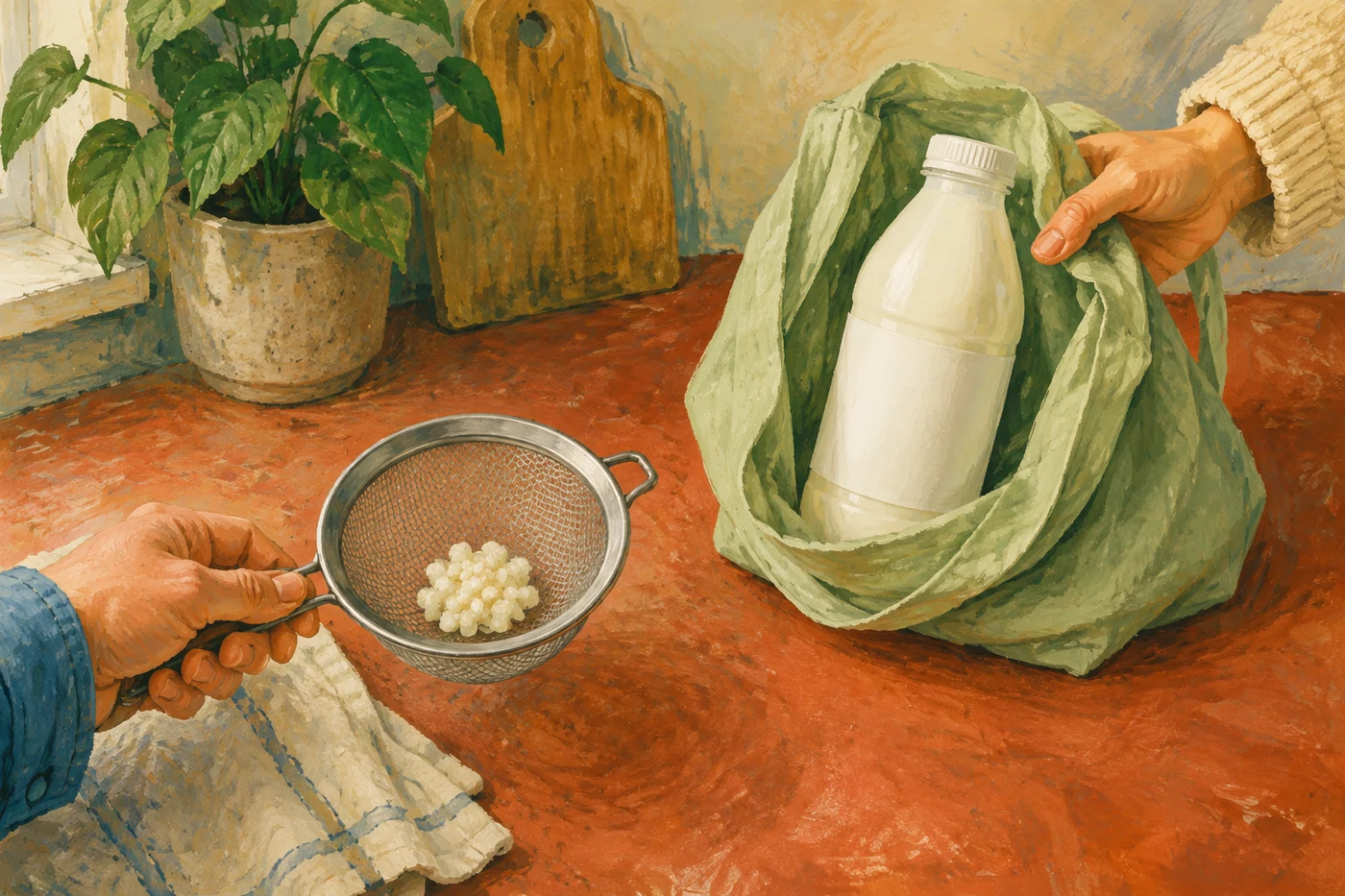
What to ask before buying kefir grains
Ask about recent feedings, fermentation, shipping and the first batch after arrival—not just the number of species advertised.
Choosing kefir
Homemade or store-bought kefir?
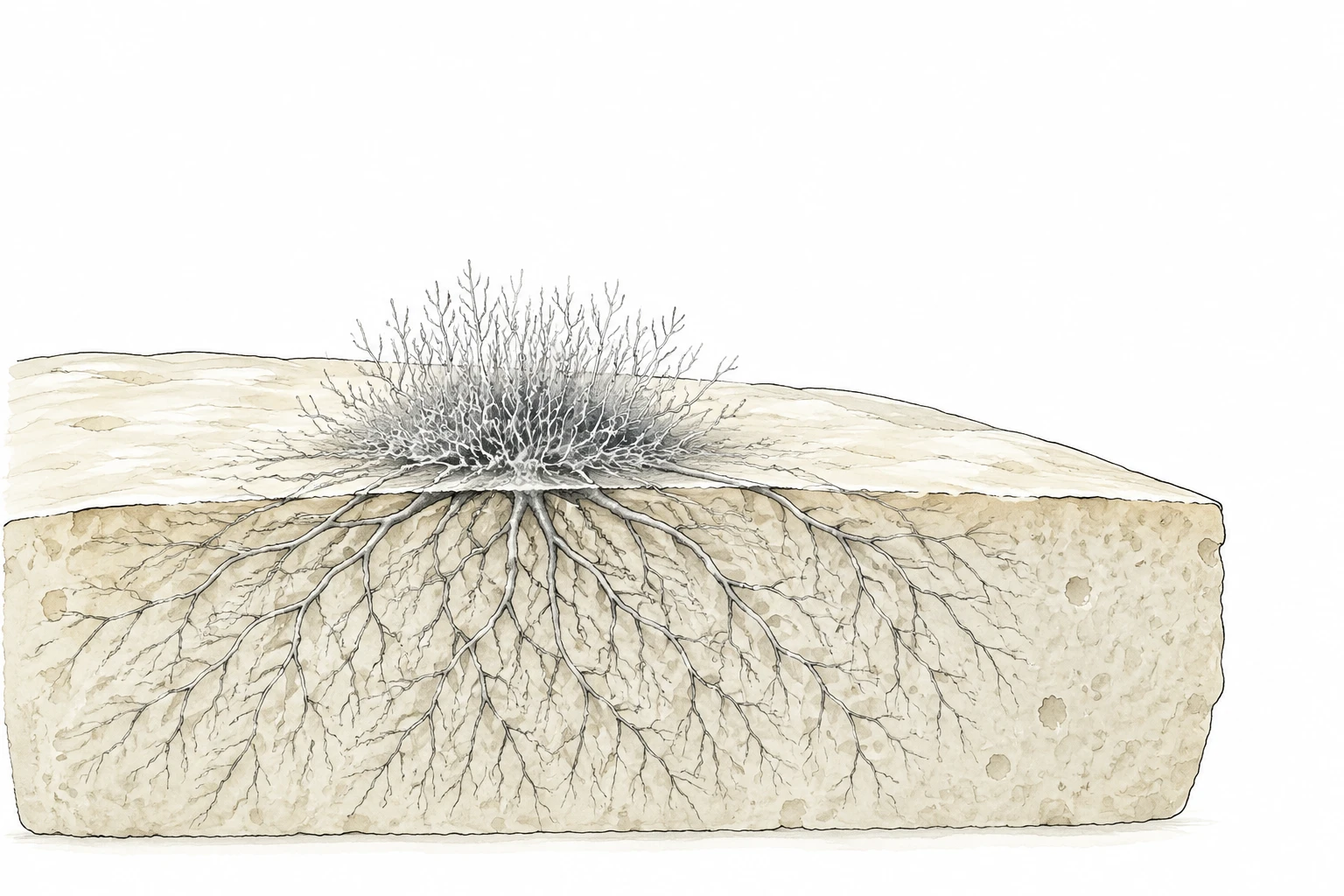
Compare ingredients, cultures, convenience and storage. Where kefir was made does not tell you everything about the drink.
Making and using kefir
Is this kefir safe to drink?
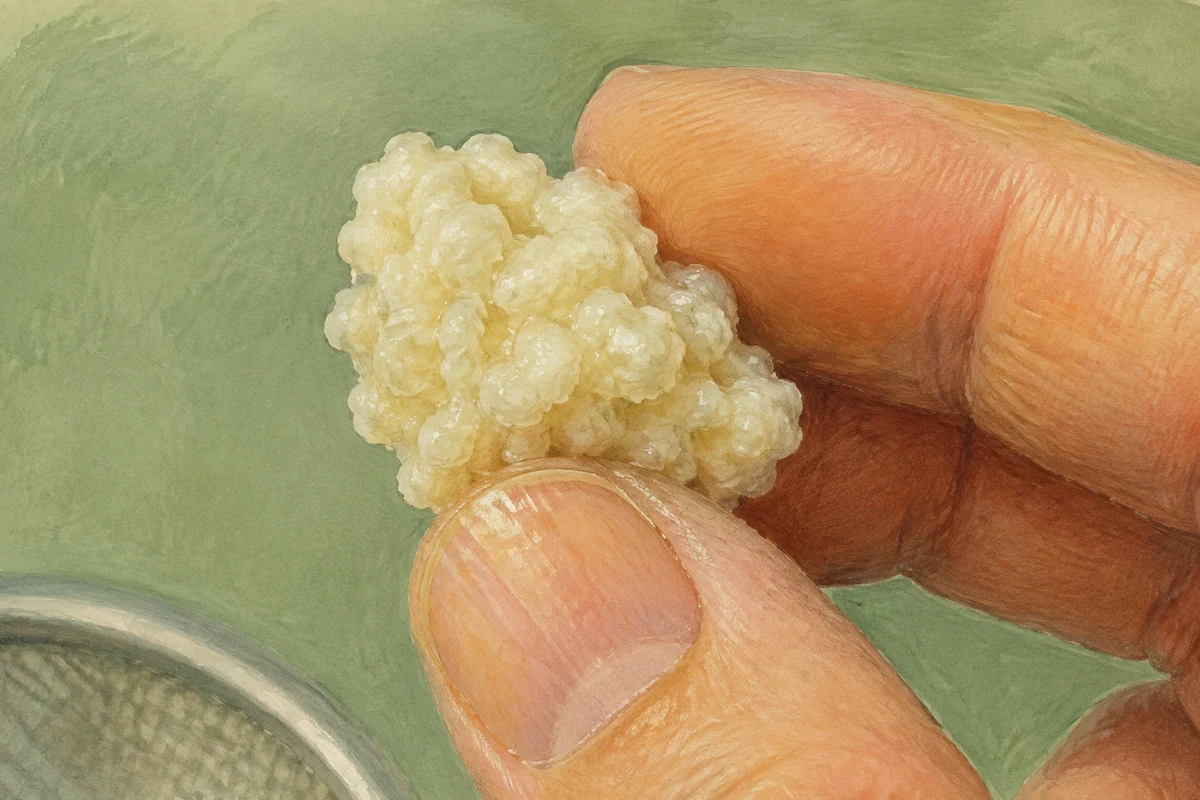
Check contamination signs and handling history before deciding whether to keep or discard a homemade batch.
Making and using kefir
Do bigger kefir grains work better?
Look at grain size alongside total grain weight, temperature and the results of a controlled fermentation study.

Making and using kefir
Taking a break from making milk kefir
Plan grain storage for your time away, then follow the feeding and recovery checks before drinking new batches.
Making and using kefir
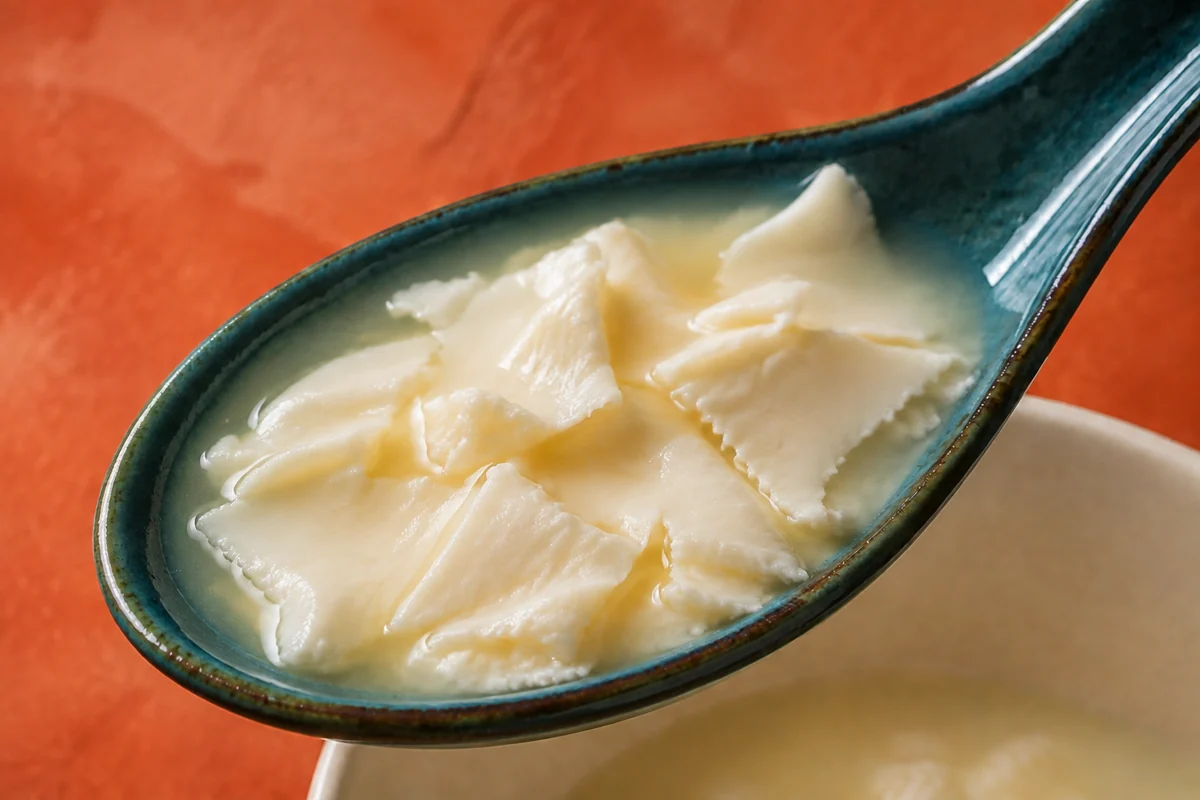
Why is my kefir grainy, separated or too sour?
Start with what changed in the jar, check for discard signs, then choose a specific adjustment.
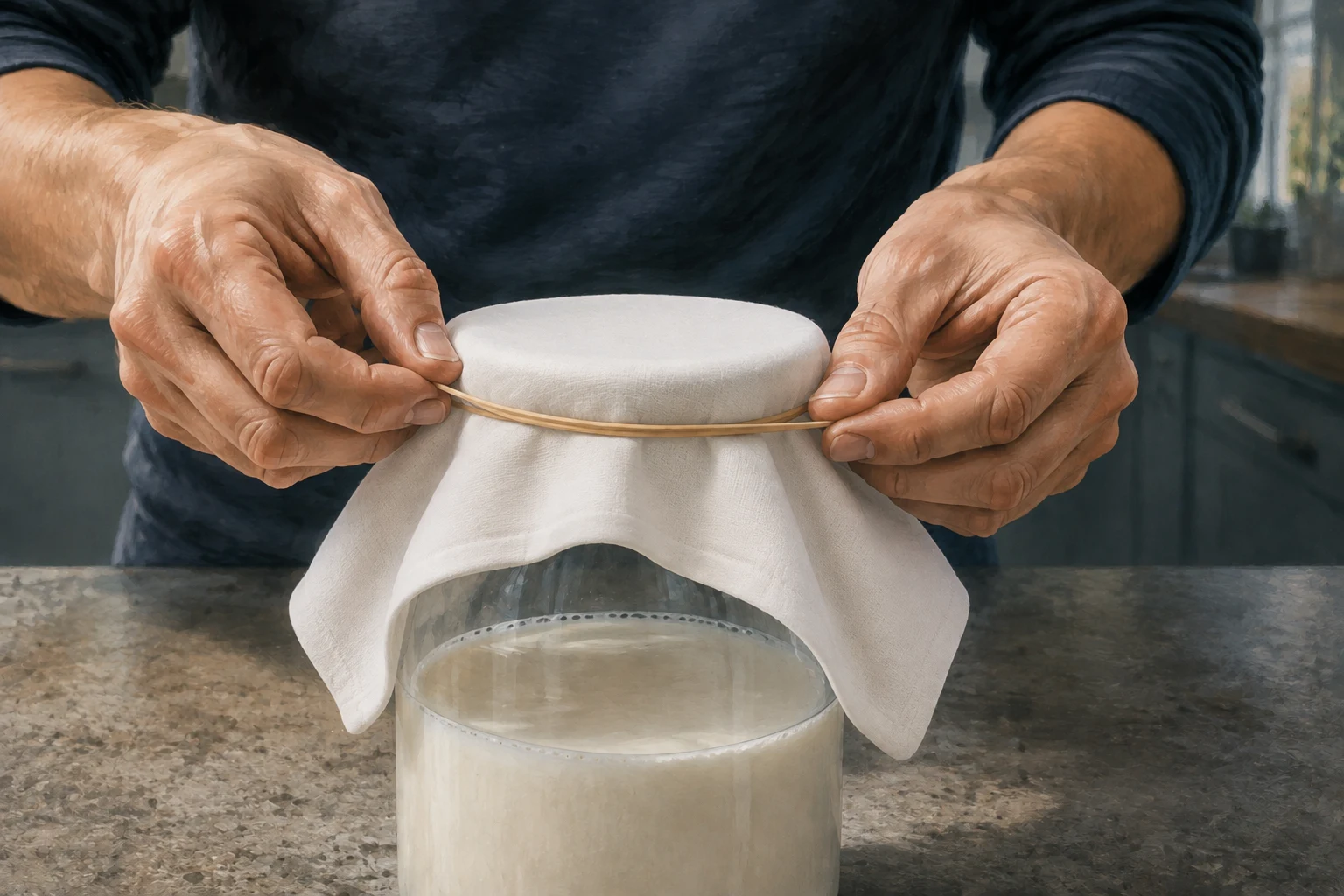
Making and using kefir
How to make milk kefir
From pasteurized milk and active grains to straining and refrigeration: the method, the changes to watch and the safety checks.
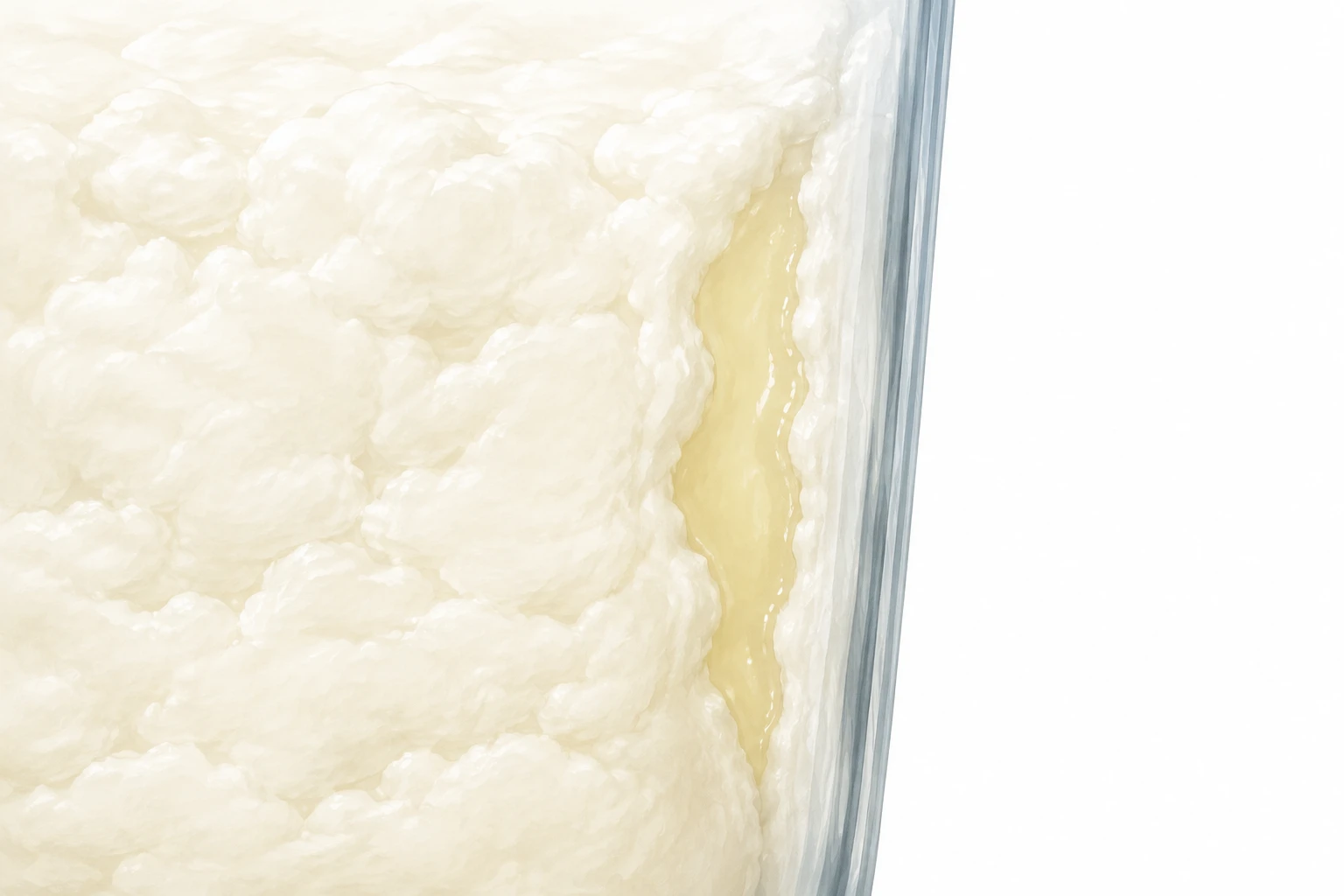
Making and using kefir
How do you know when milk kefir is ready?
Read thickening and whey pockets alongside time, temperature and handling. Appearance alone is not a safety test.
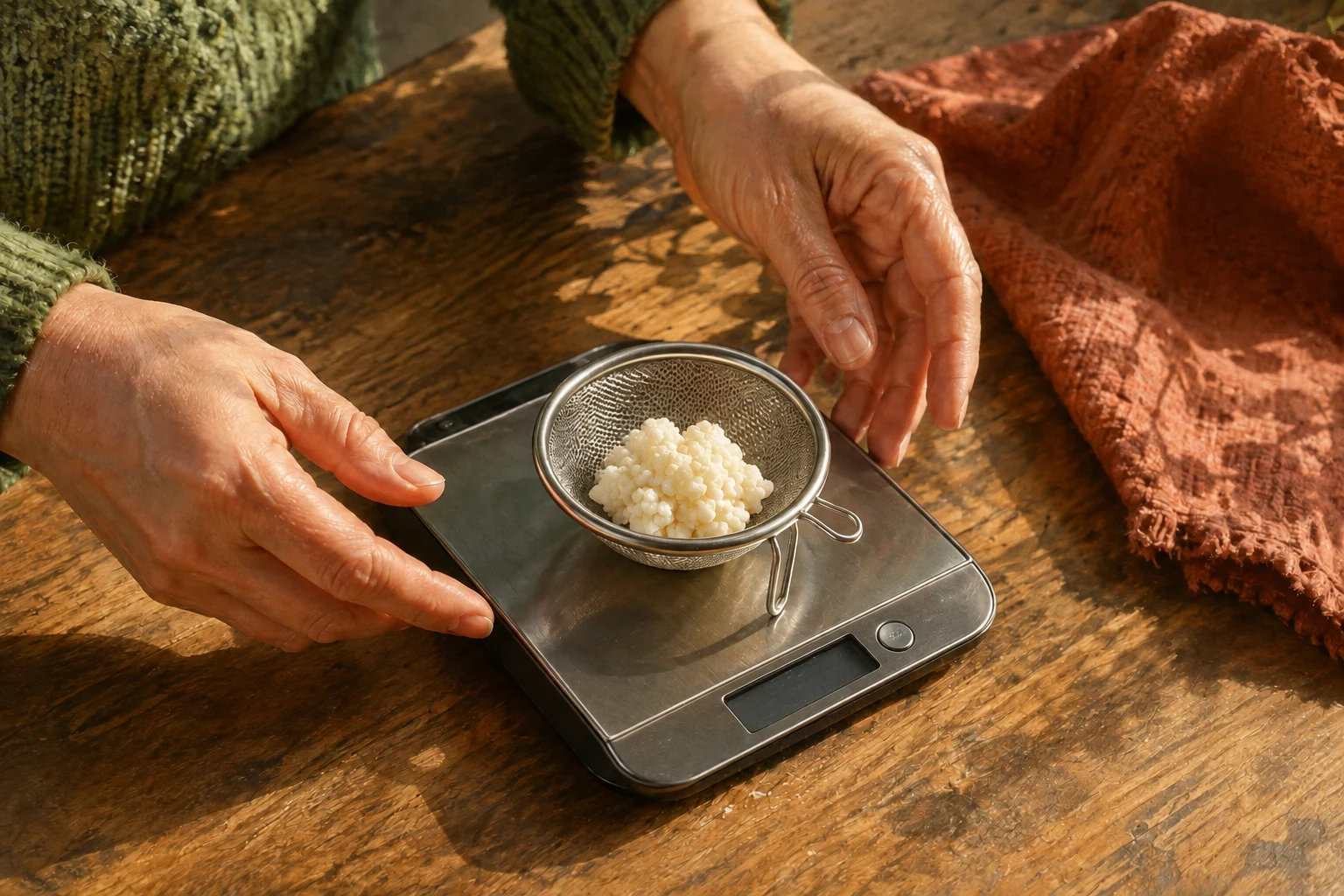
Making and using kefir
How to care for milk-kefir grains
Build a feeding routine and learn which changes in the grains deserve attention.
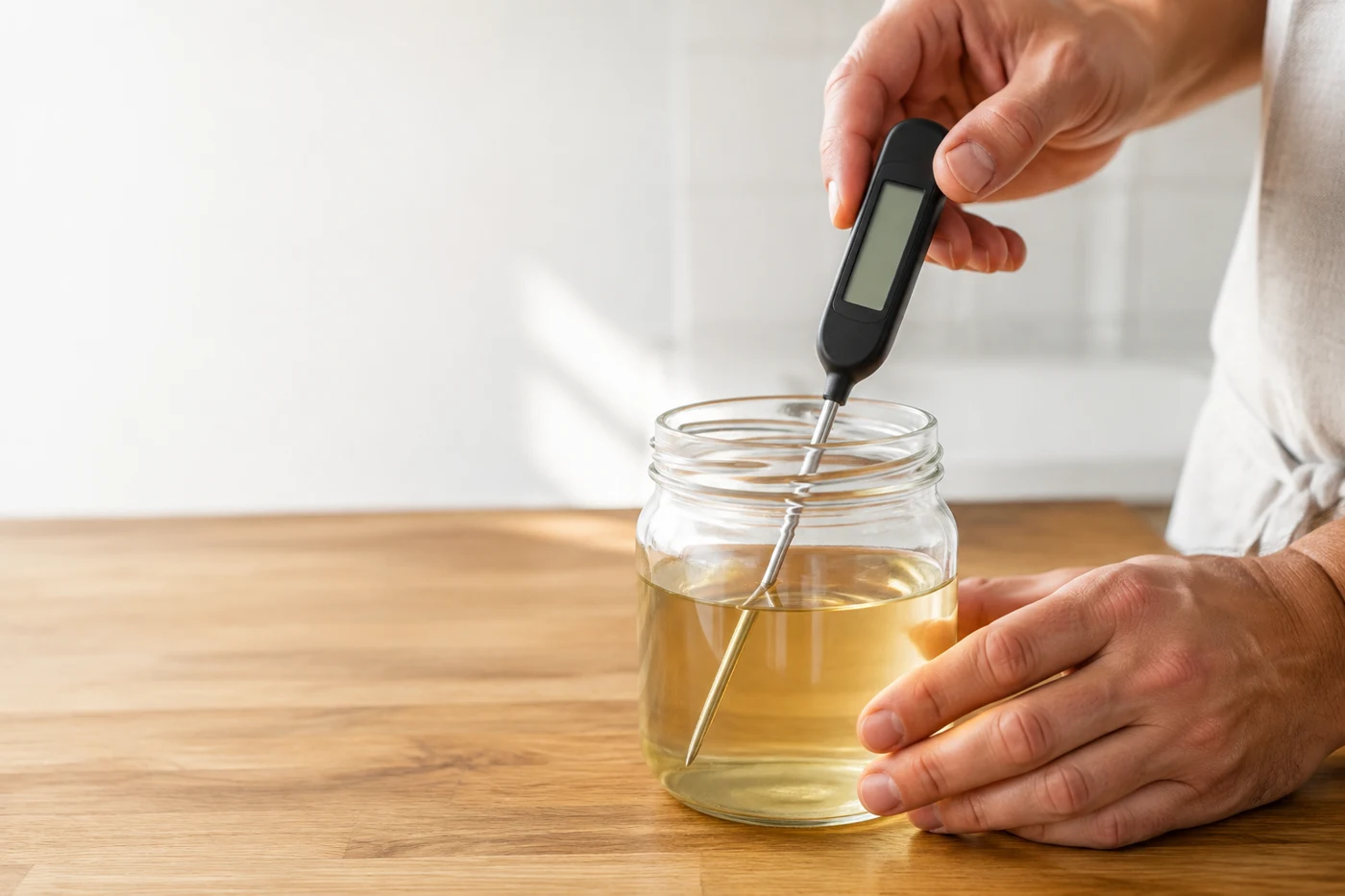
Making and using kefir
How to make water kefir: a supplier-method example
Follow a clearly attributed water-kefir supplier example, understand its limits, and learn about cooling, fermentation changes and refrigeration.
Making and using kefir
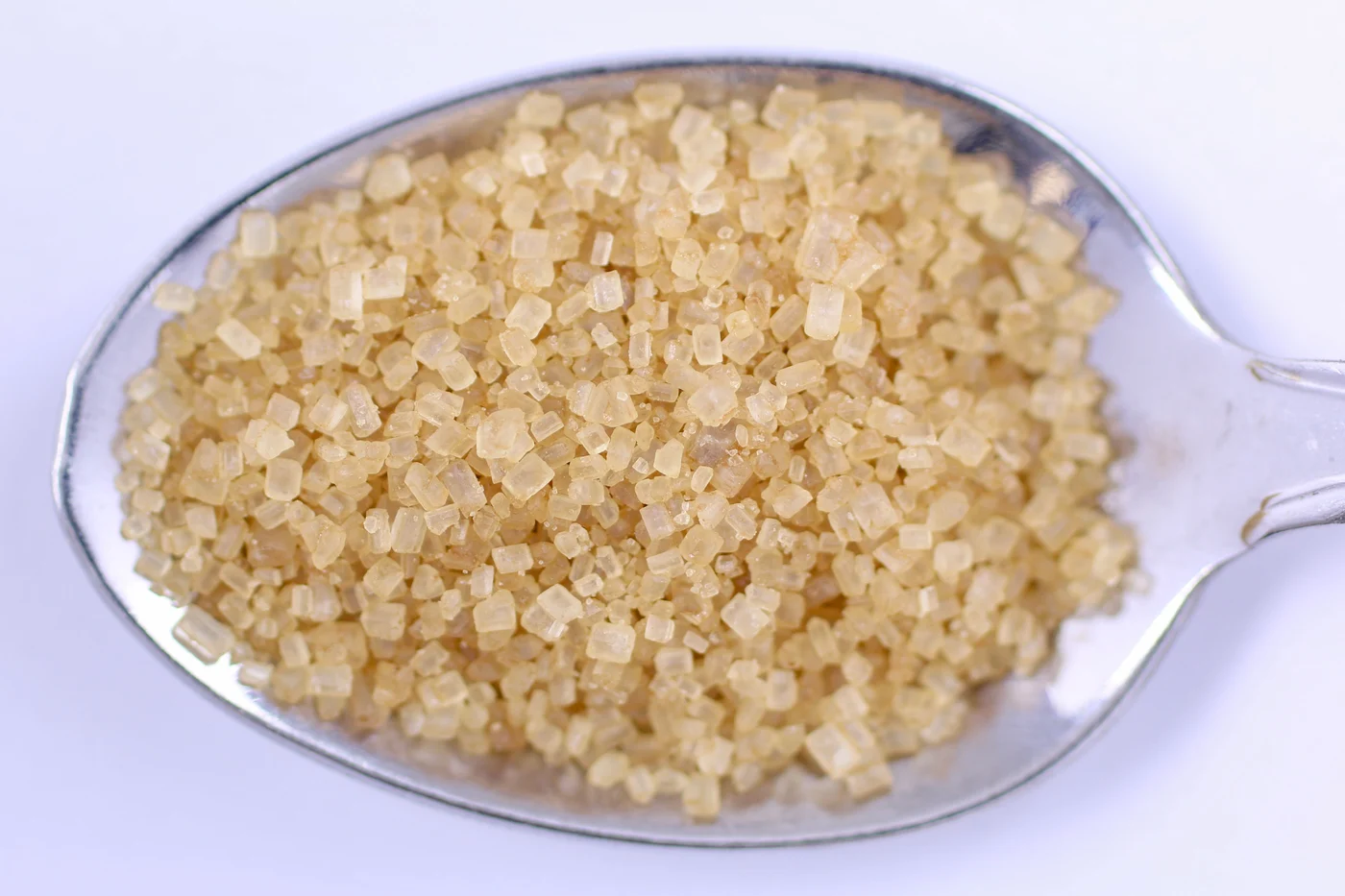
Sugar, water and minerals for water kefir
Understand what each ingredient contributes before adding more sugar, minerals or supplements to a struggling culture.

Making and using kefir
Why is my water kefir slow, sweet or flat?
Separate first-ferment activity from carbonation, and check the basics before trying to rescue a culture.
Making and using kefir
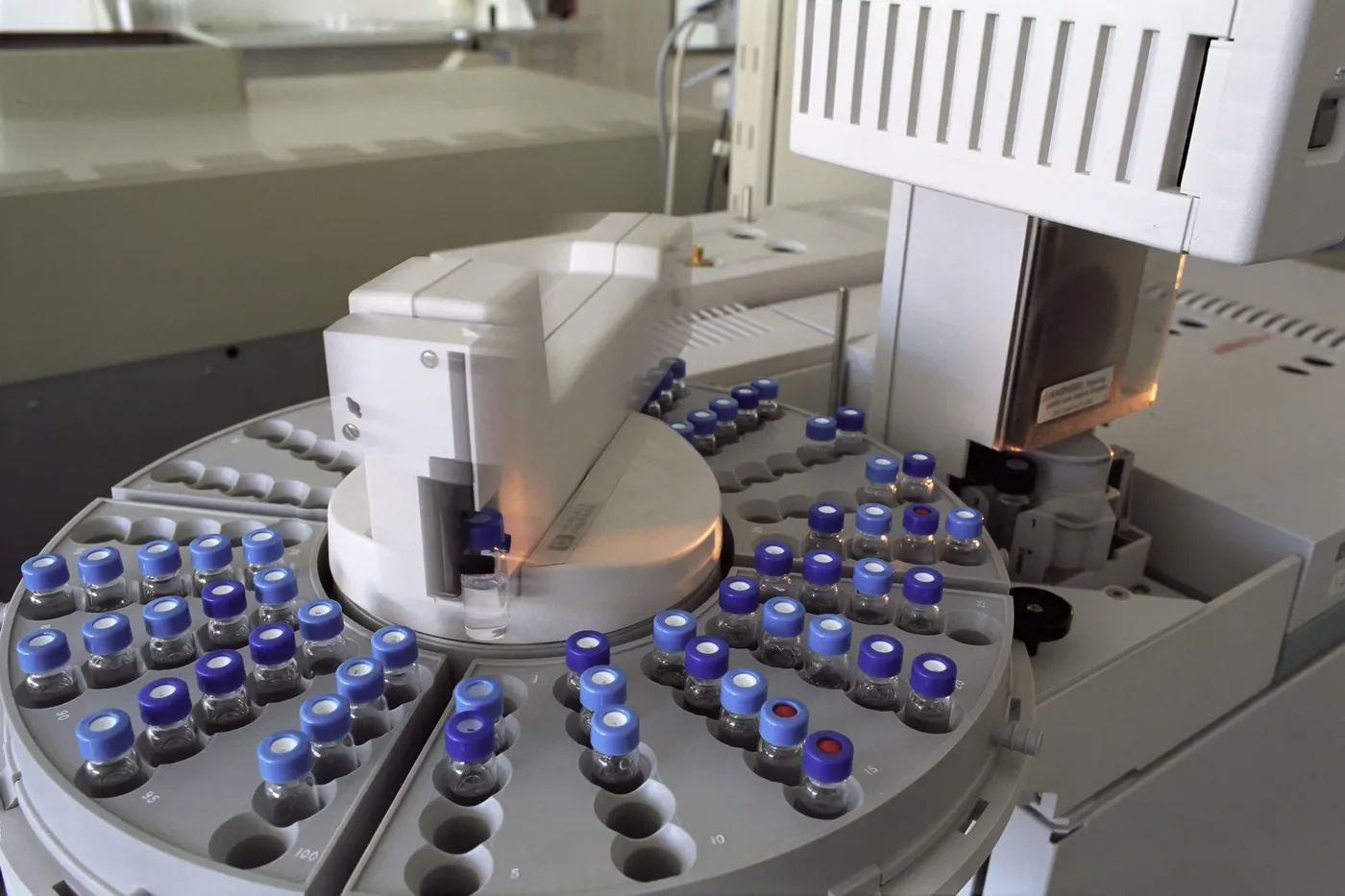
Does water kefir contain alcohol?
Learn why fermentation makes both alcohol and gas, and why a homemade batch cannot promise a fixed alcohol content.
Making and using kefir
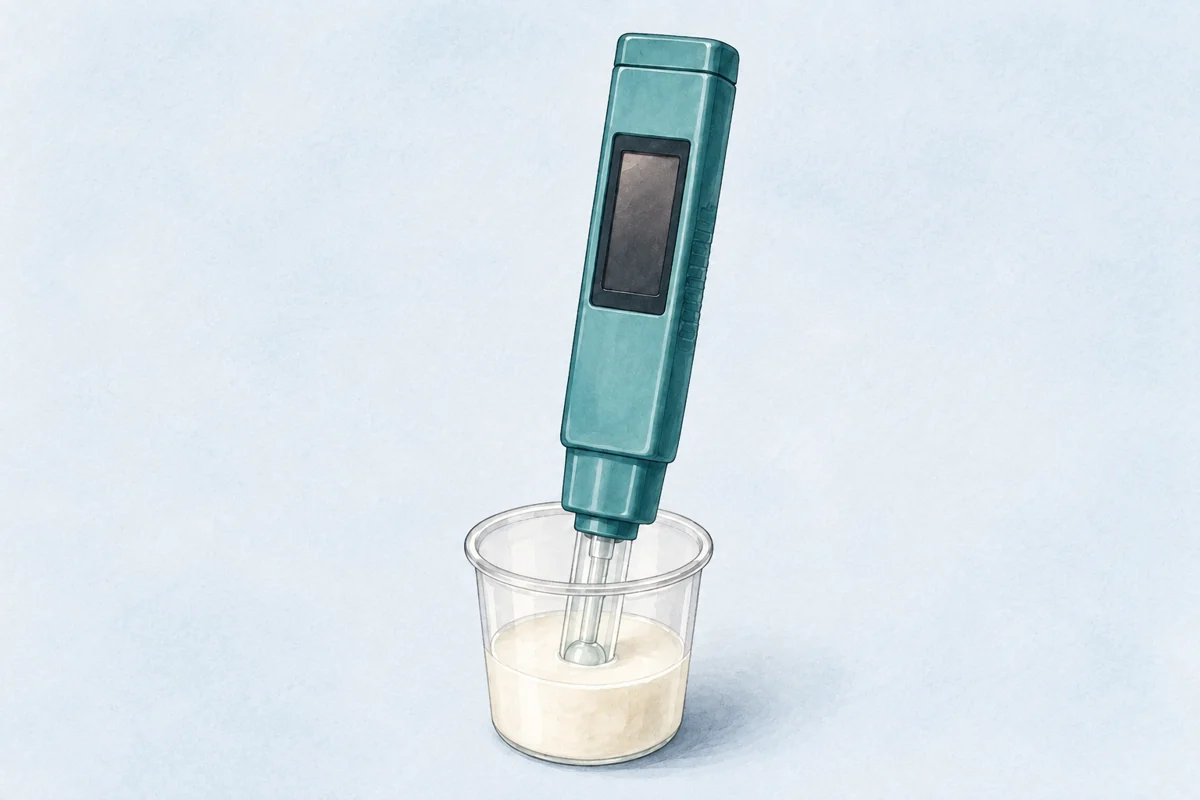
How to use a pH meter for kefir
Calibrate, sample and record acidity, while understanding what a pH reading cannot establish about food safety.
Making and using kefir
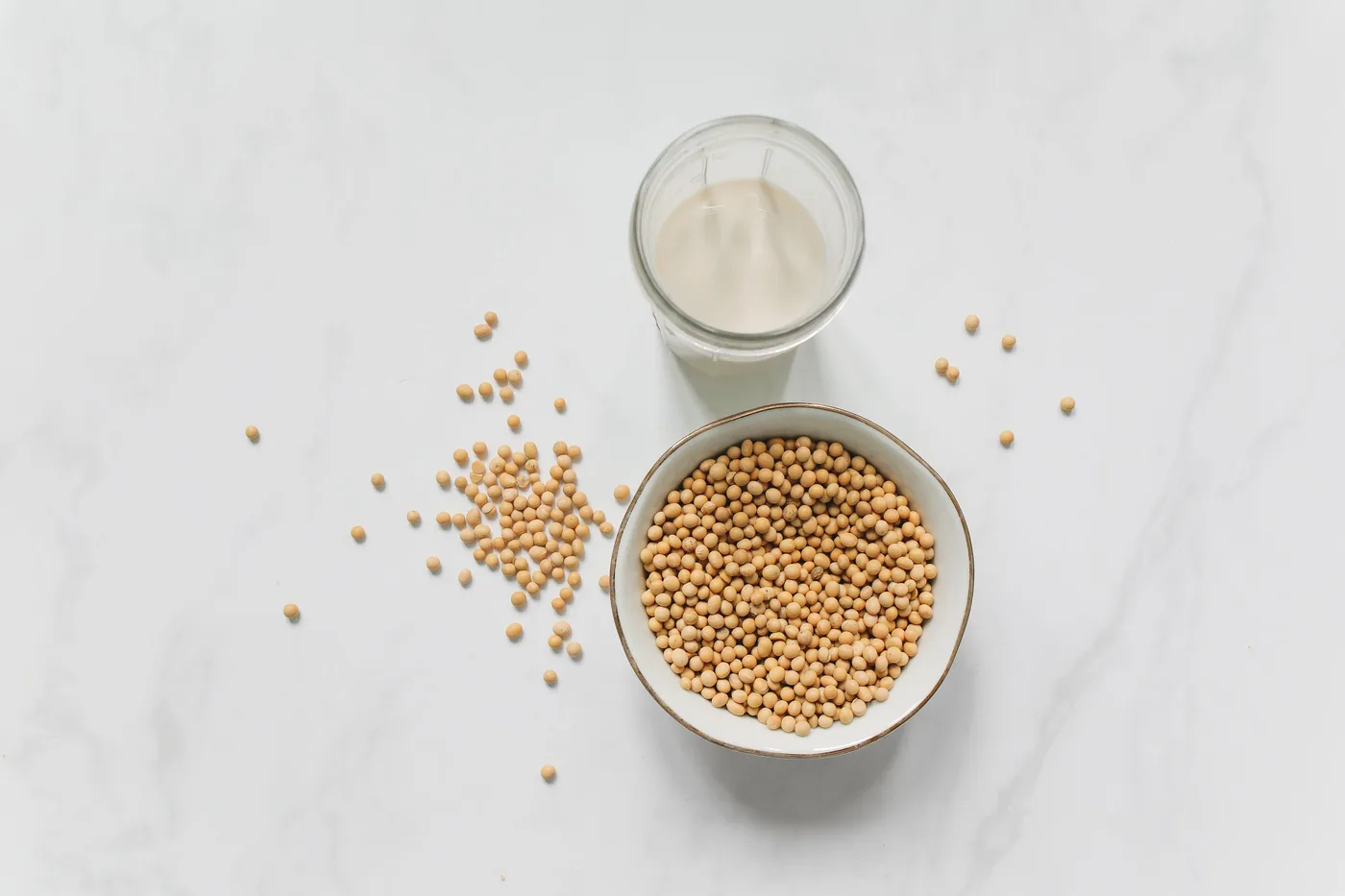
Can milk-kefir grains ferment plant milk?
What changes when dairy grains meet soy or other plant drinks, and why milk-allergy needs must be considered separately.

Making and using kefir
Keep a kefir fermentation journal
Use a short run of batches to compare one change in temperature, grain quantity or timing.

Making and using kefir
Milk kefir: temperature and grain quantity
Understand why a warmer room or more grains changes the pace, and how to adjust one factor at a time.
Making and using kefir
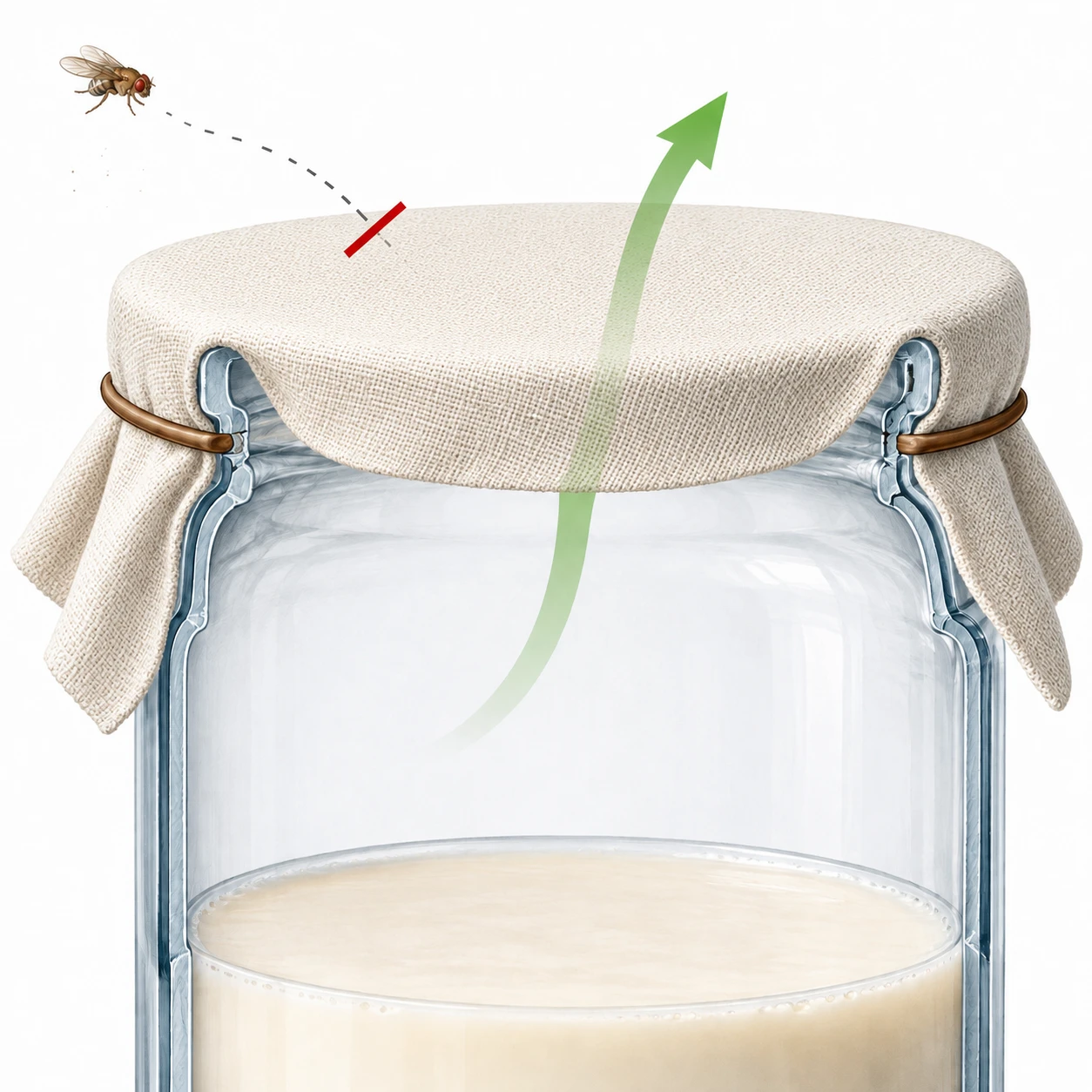
Should you stir milk kefir—and which lid should you use?
Look at uneven thickening, insect protection and pressure when choosing how to stir and cover a jar.
Making and using kefir
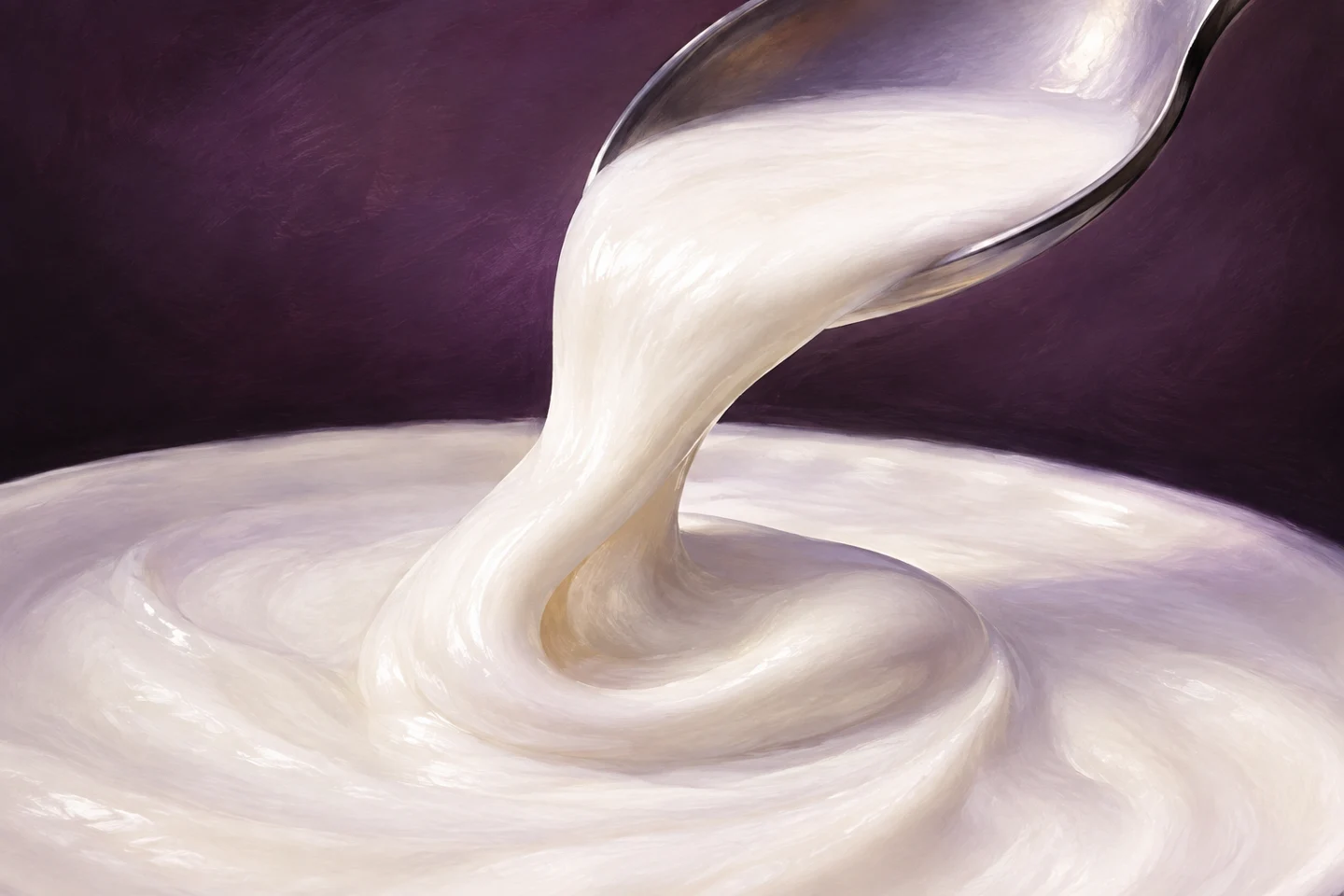
Why is my milk kefir thin?
A jar that never thickened and one that thickened then separated need different adjustments. Find out which you have.

Making and using kefir
Making more kefir than you can drink?
Reduce the working quantity of grains, make smaller batches, or plan a break instead of letting surplus jars build up.
Making and using kefir
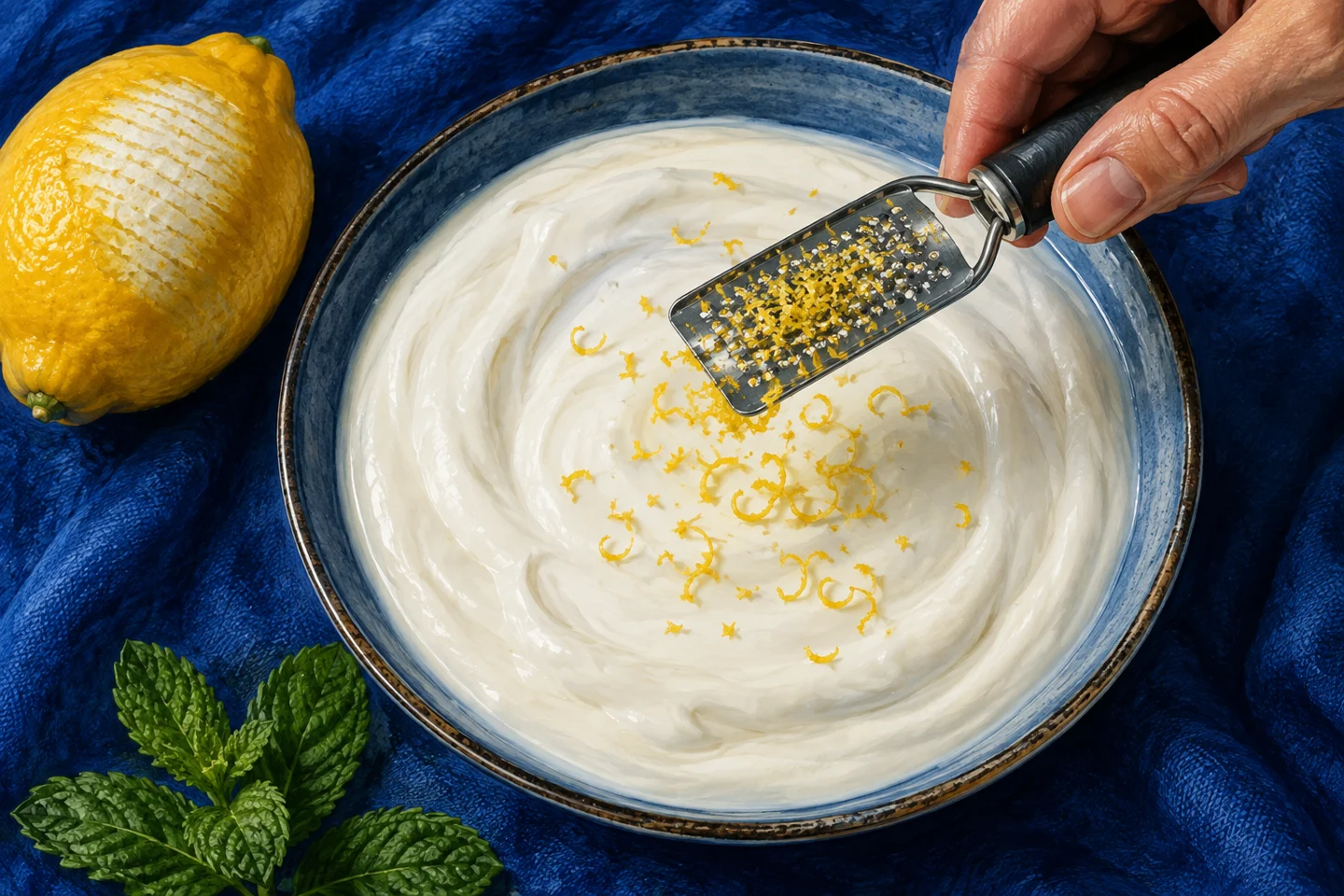
Should milk kefir ferment a second time?
Compare flavouring strained kefir in the fridge with another warm fermentation, including the different pressure risks.
Making and using kefir
Which milk should you use for kefir?
Compare whole, lower-fat, UHT and other milks, and see why changing the milk can change the texture.
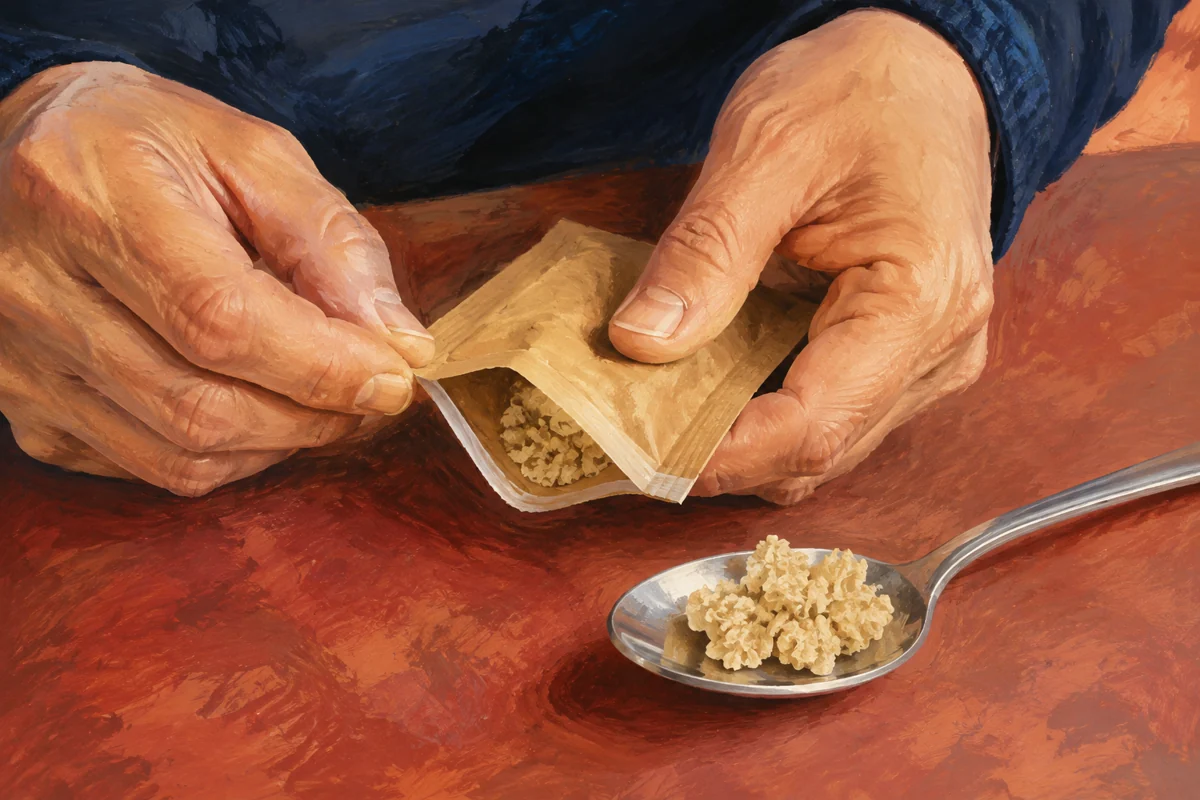
Making and using kefir
How to activate dried kefir grains
Distinguish dried grains from starter powder, then follow the feeding and recovery checks for milk or water grains.
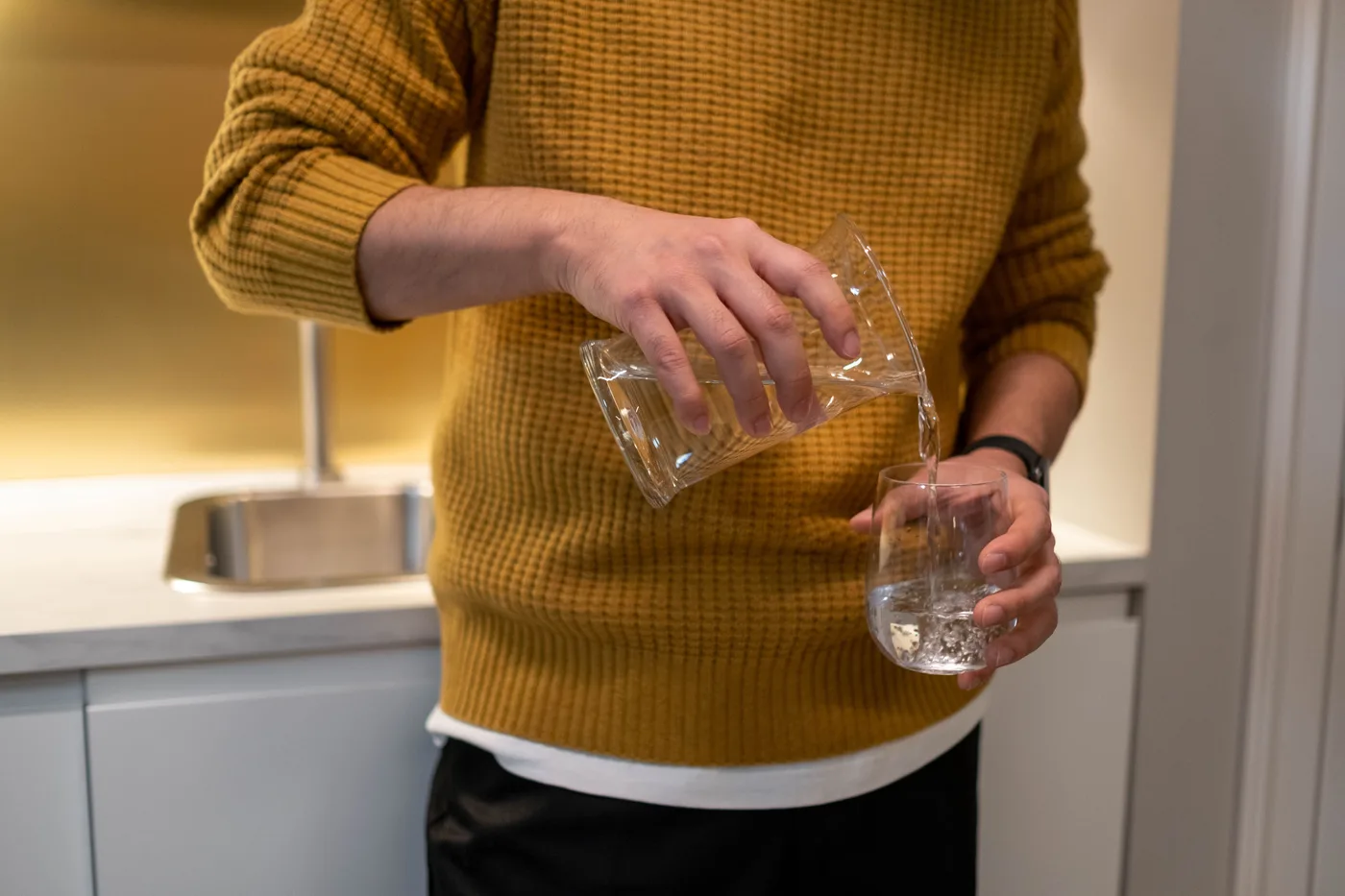
Making and using kefir
Can you use tap water for water kefir?
Consider drinking-water safety, chlorine, chloramine and minerals before changing the water you feed your grains.
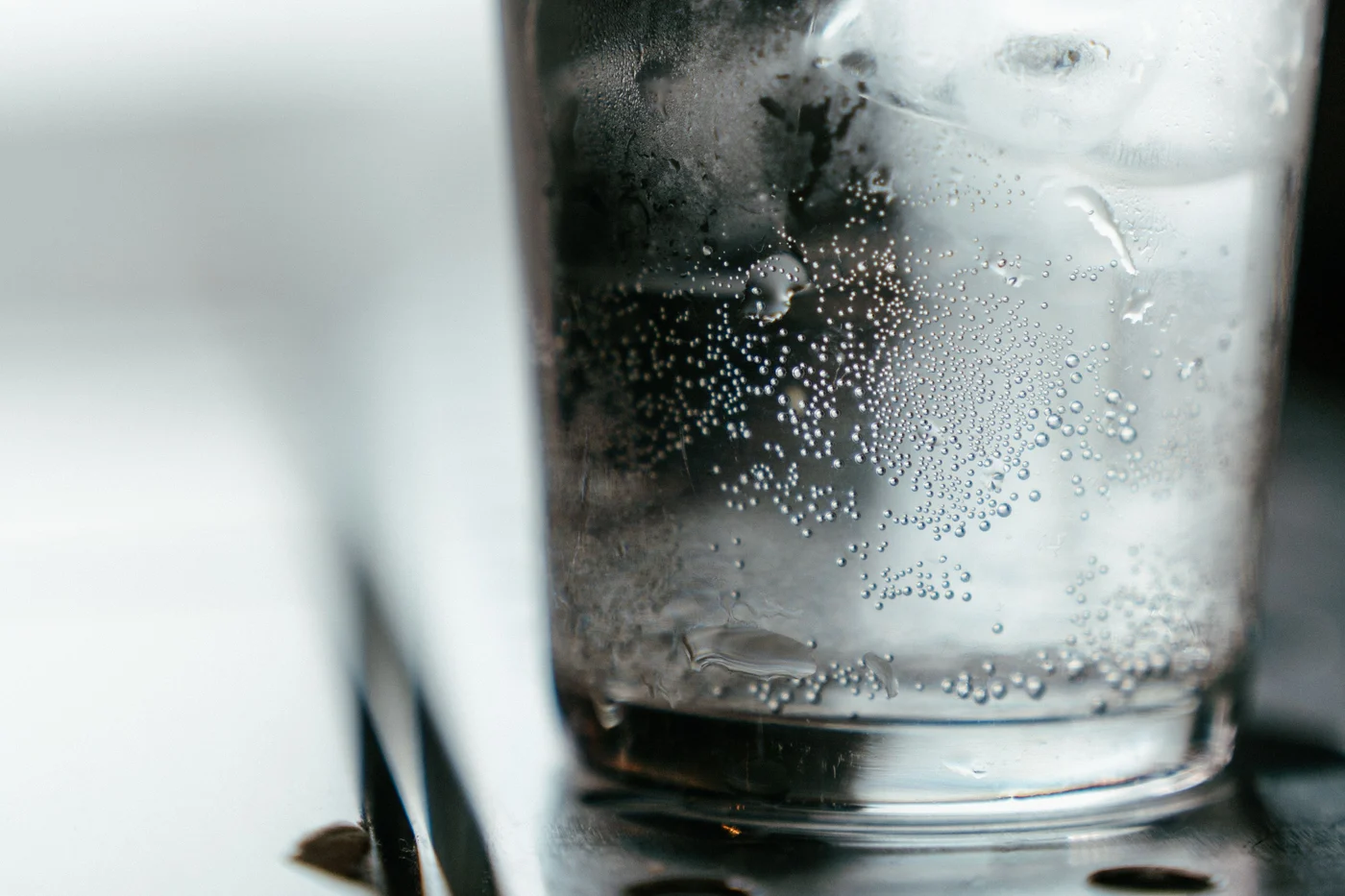
Making and using kefir
How to make water kefir fizzy
Understand the link between sugar, time and bottle pressure before trying a sealed second ferment.
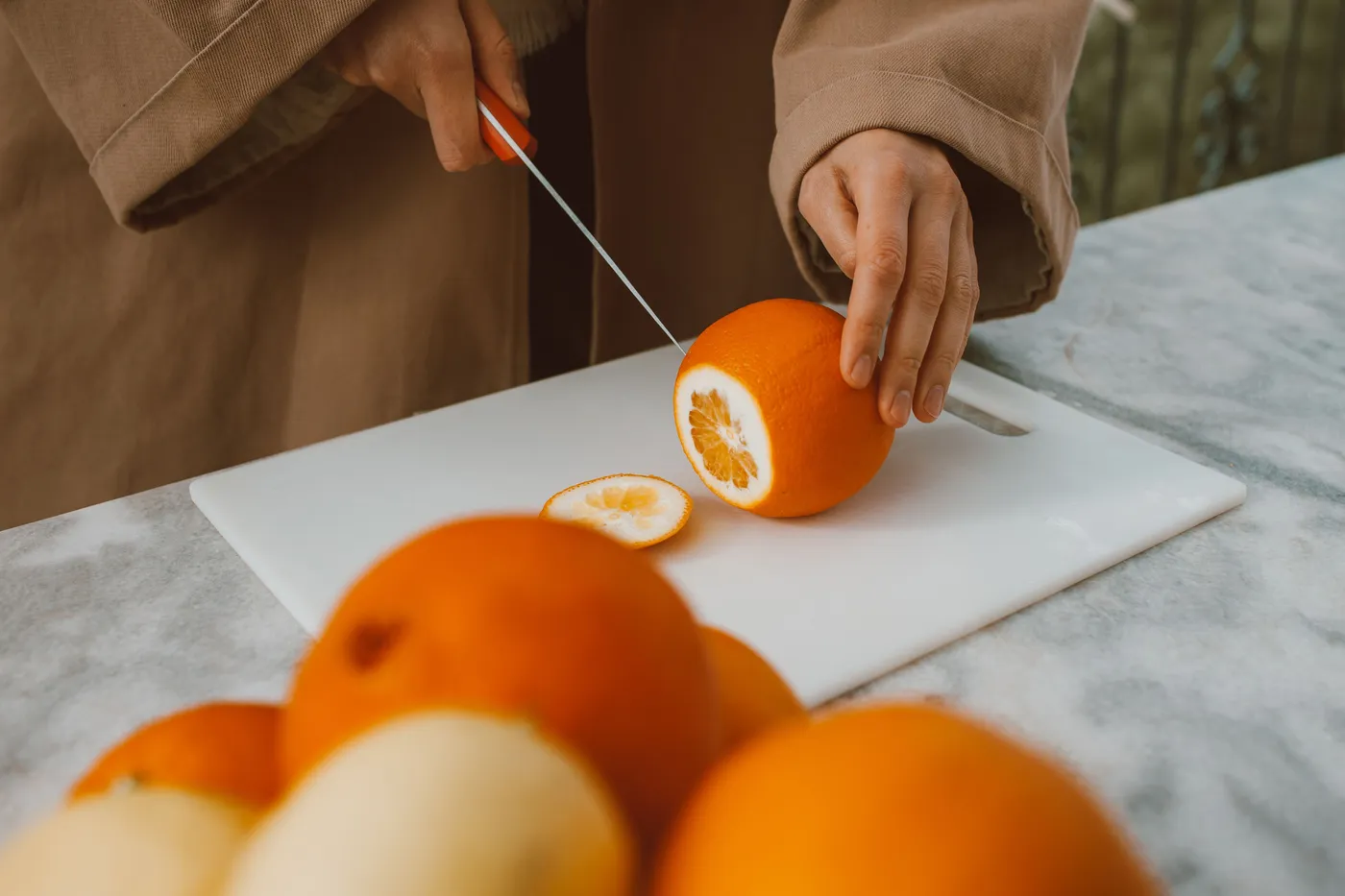
Making and using kefir
Can water kefir ferment juice or coconut water?
Adding flavour to the finished drink and putting grains into a new liquid are different experiments. Compare them first.
Making and using kefir
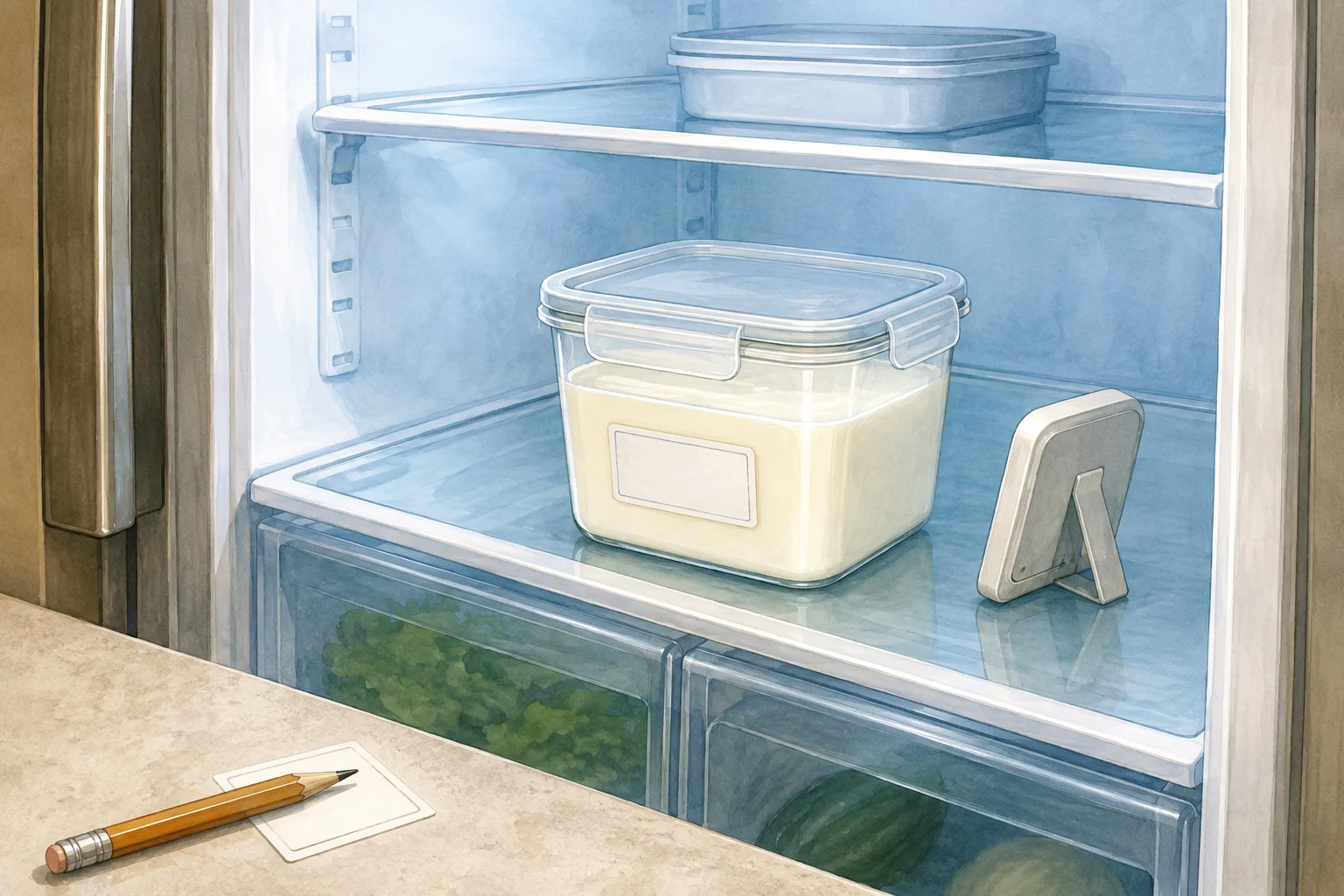
How long can you keep homemade kefir?
What refrigeration changes, what a date label can tell you, and why homemade batches do not share one fixed shelf life.
Making and using kefir
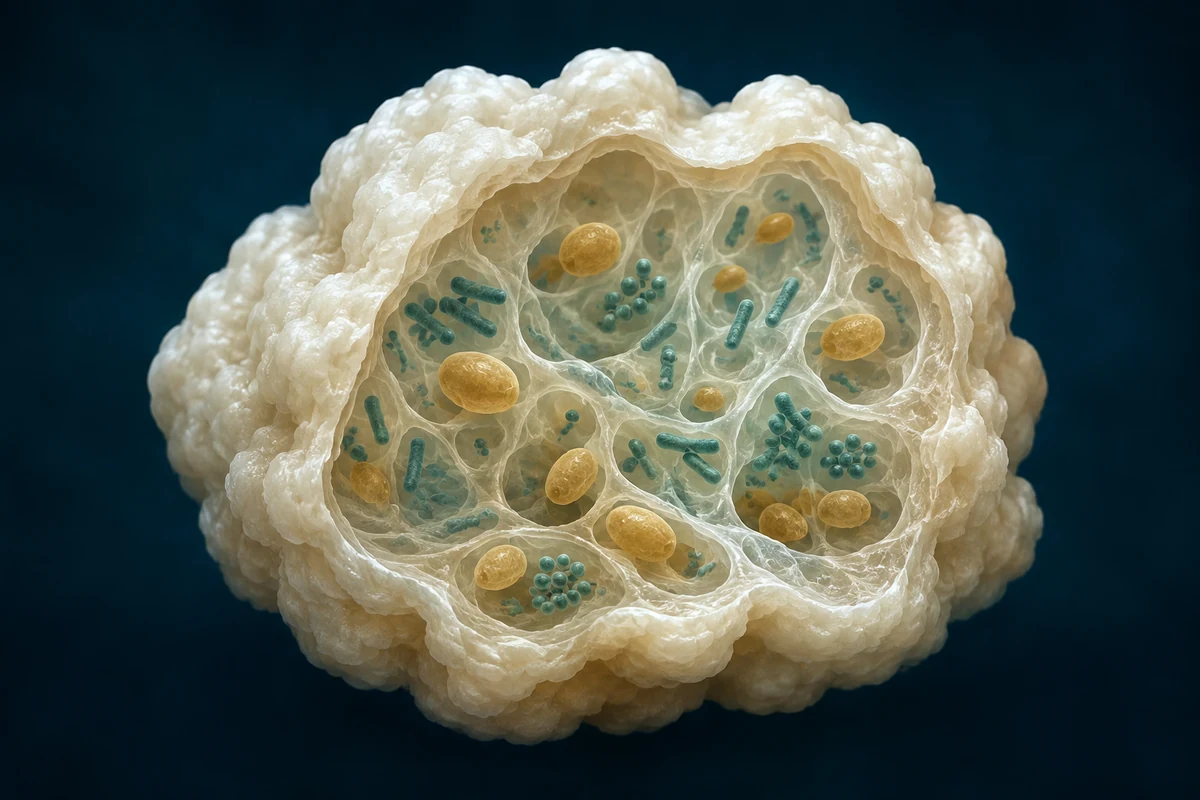
What is inside a kefir grain?
Meet the bacteria and yeasts that share a grain, and the material that holds their community together.
Making and using kefir
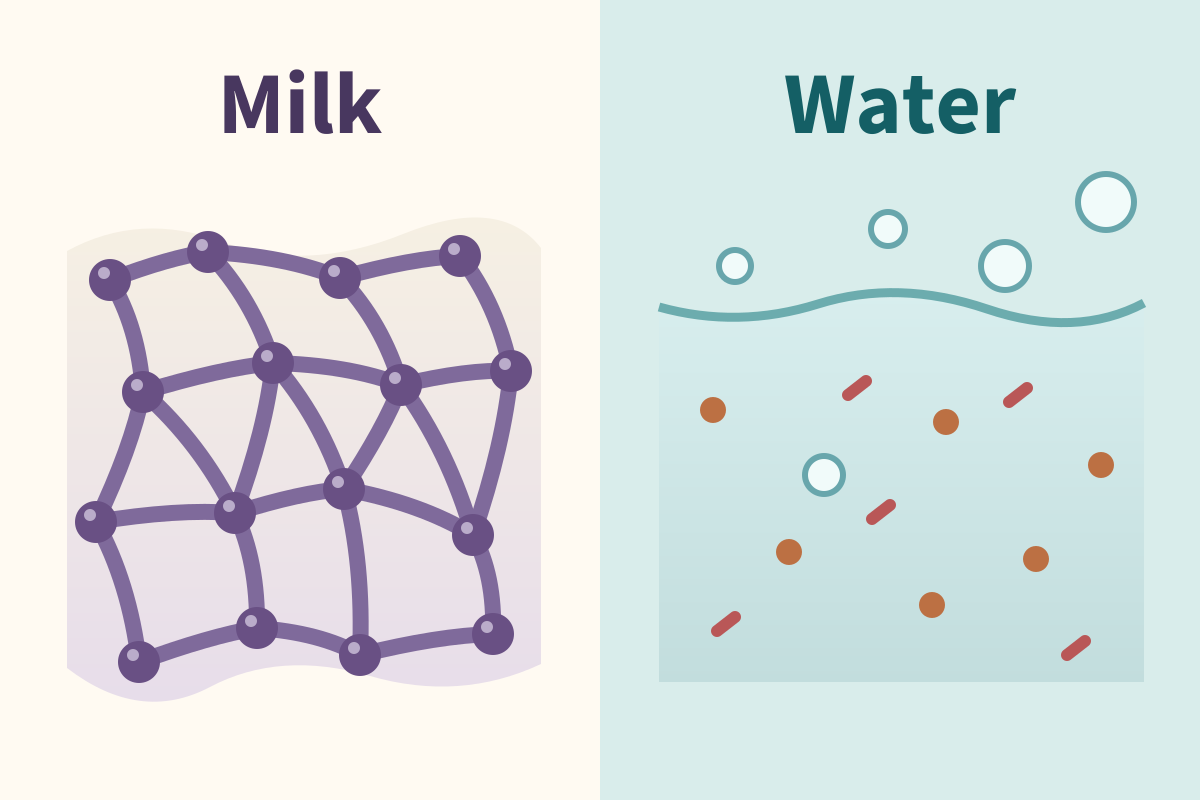
What happens while kefir ferments?
Follow the changes in milk and water kefir, from microbial growth to acidity, texture and gas.

Making and using kefir
The science inside your kefir
Explore the grains, ingredients and microbial activity behind the drink, then follow the questions that interest you.
Making and using kefir
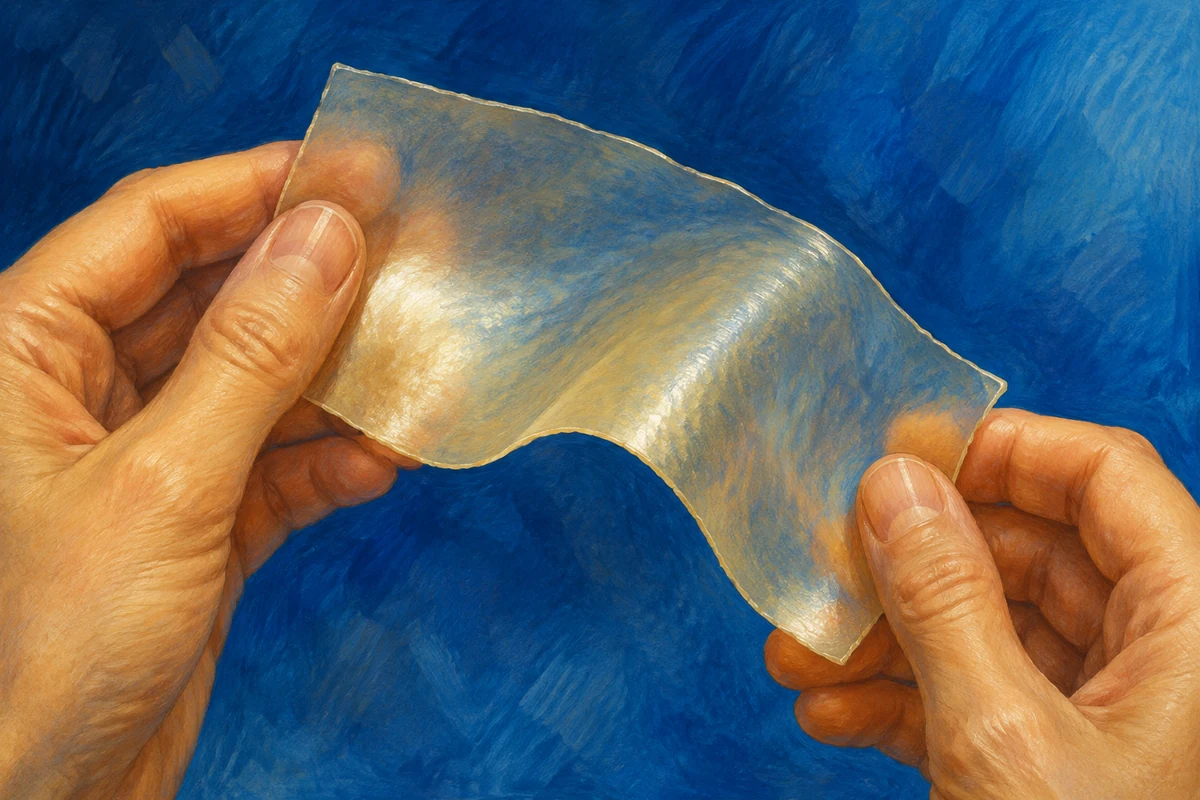
What is kefiran?
Meet a polysaccharide from milk-kefir cultures and see why laboratory findings are not yet finished-product benefits.
Choosing kefir
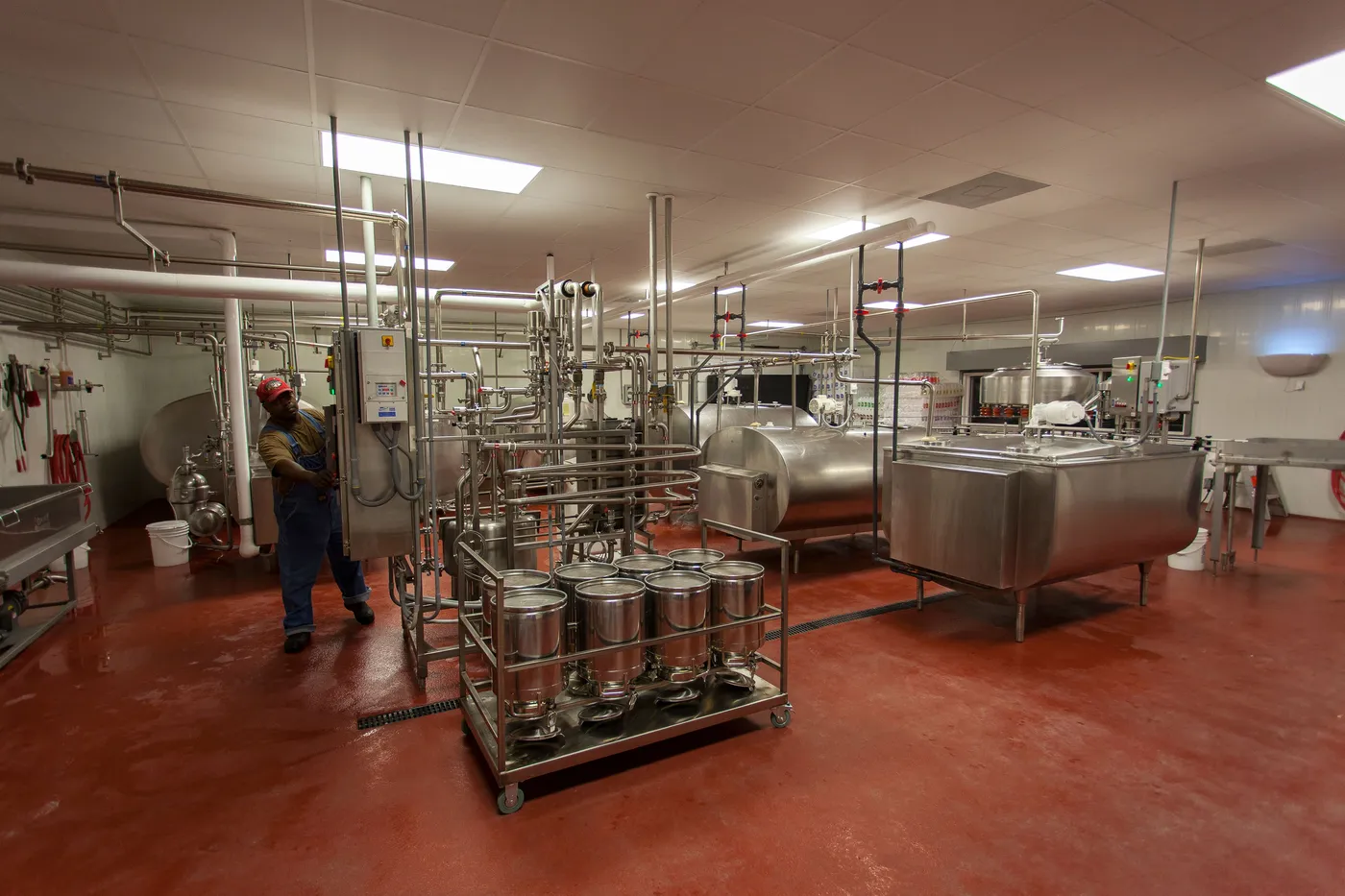
How is commercial kefir made?
Follow milk through a dairy production line and see where culture choice, heat treatment and cold storage change the result.
Making and using kefir
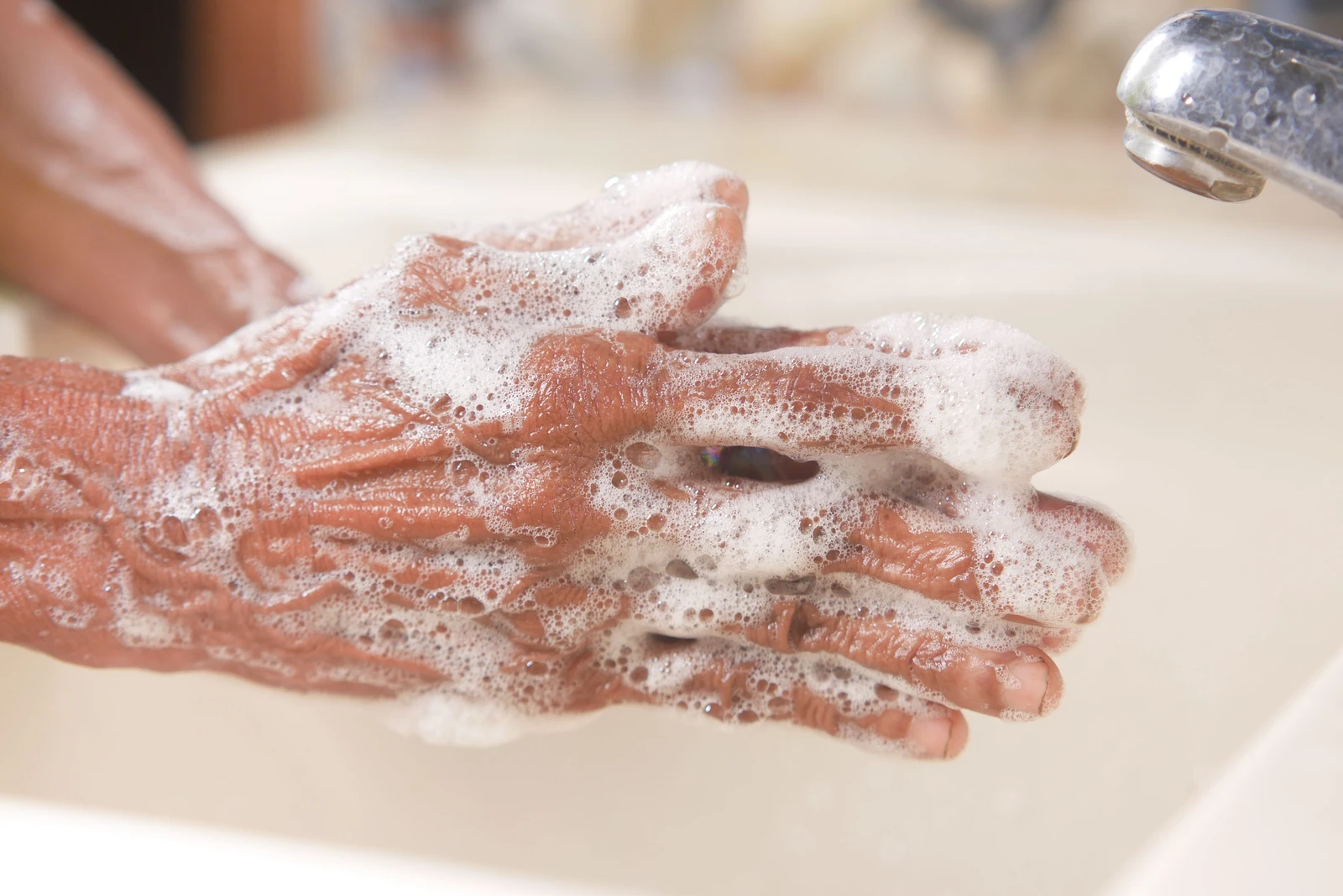
Kefir in soap and skincare: what changes?
Separate what happens to kefir ingredients during soapmaking from claims about a finished skincare product.
Choosing kefir
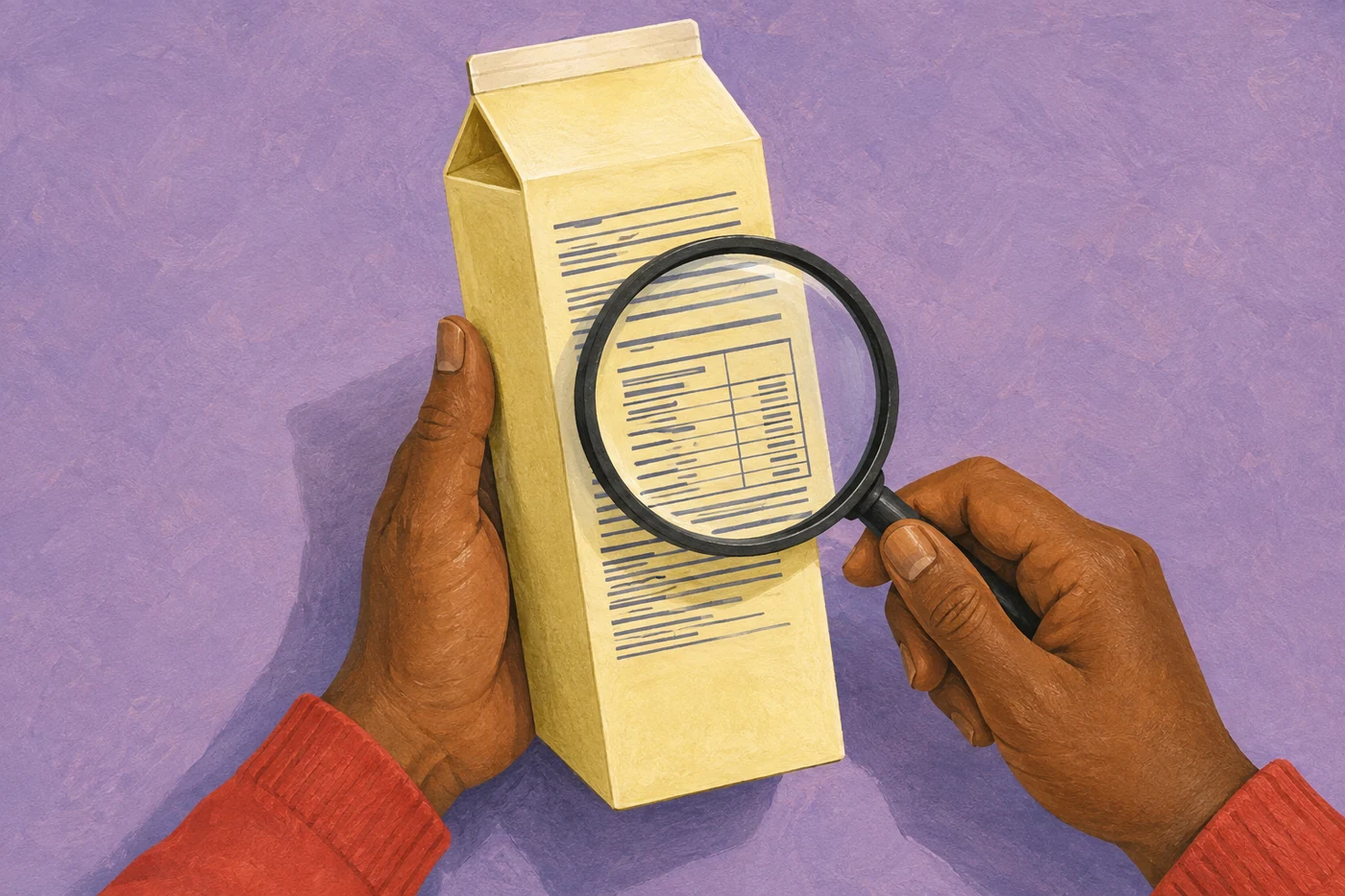
How to read a kefir label
Explore a fictional kefir label to understand its base, cultures, sugar, allergens and storage—and recognize what the label does not tell you.
No articles match yet
Try fewer words, such as “lactose,” “grains,” “sour,” or “blood sugar.”