
Choosing your first culture
Milk kefir or water kefir?
One can become a creamy breakfast or a garlic spread. The other makes a light drink you can flavour with ginger, fruit or mint. Milk kefir and water kefir share a name, but they need different grains and produce different foods. Start with what you want to eat or drink, then choose the culture.
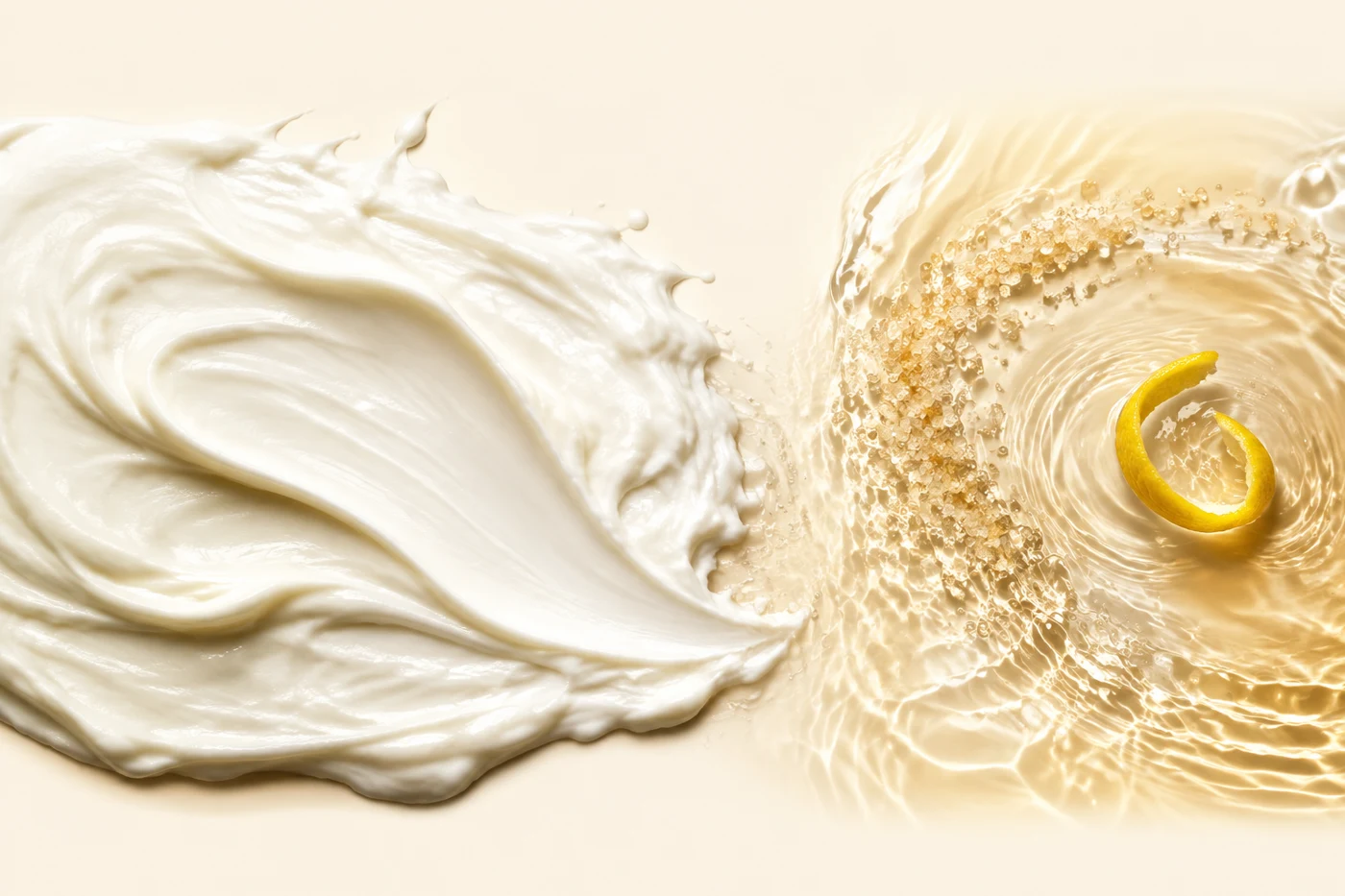
What do you want from the jar?
Start with the base, then choose its place in your meal
Milk kefir
Thickness varies with milk and method. If replacing milk or yogurt, compare protein and calcium in the actual product.
Try oats or a strained spreadWater kefir
A lighter drink. Fermenting sugar water does not give it the nutrition of milk; residual sugar and alcohol vary.
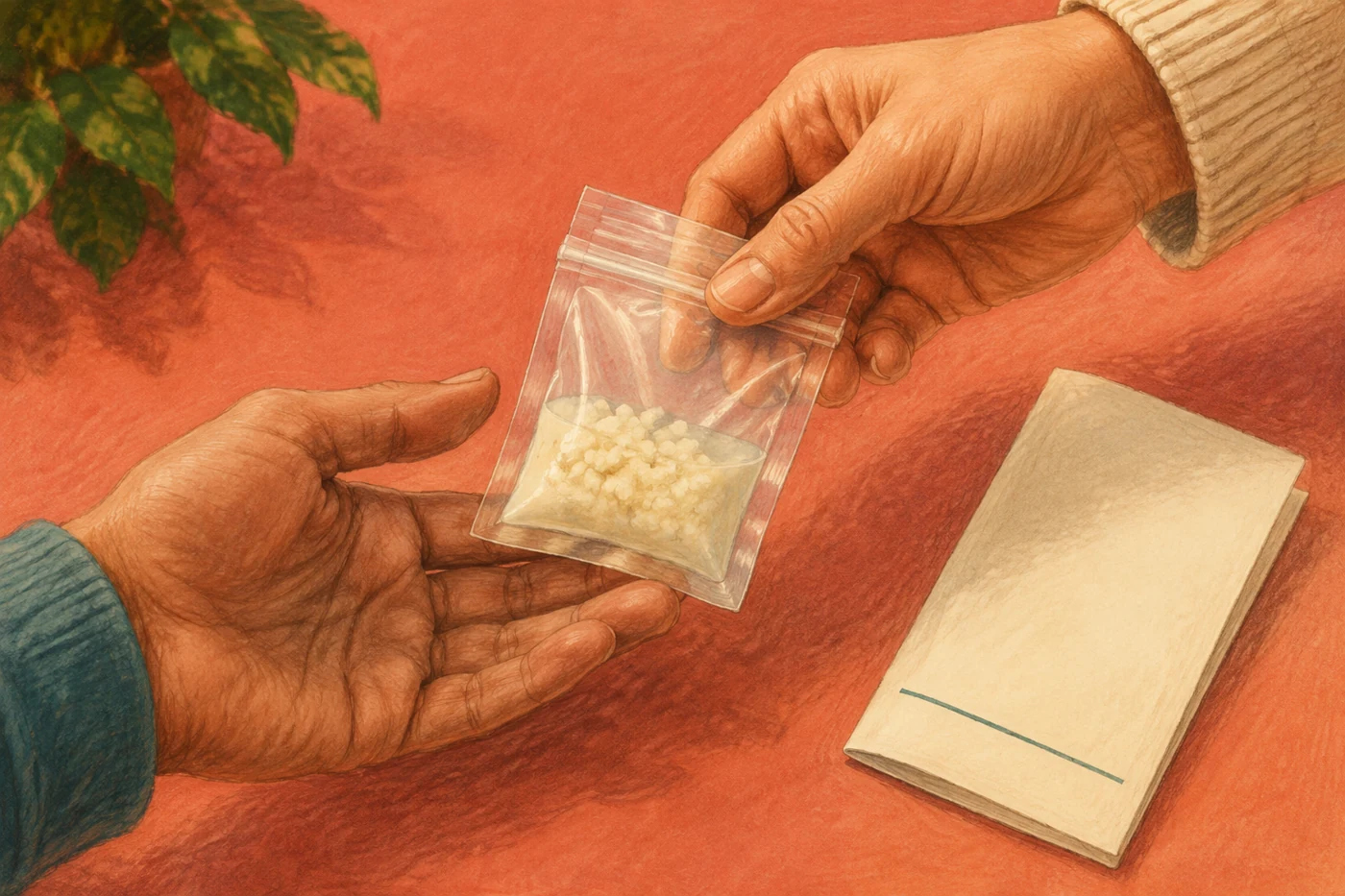
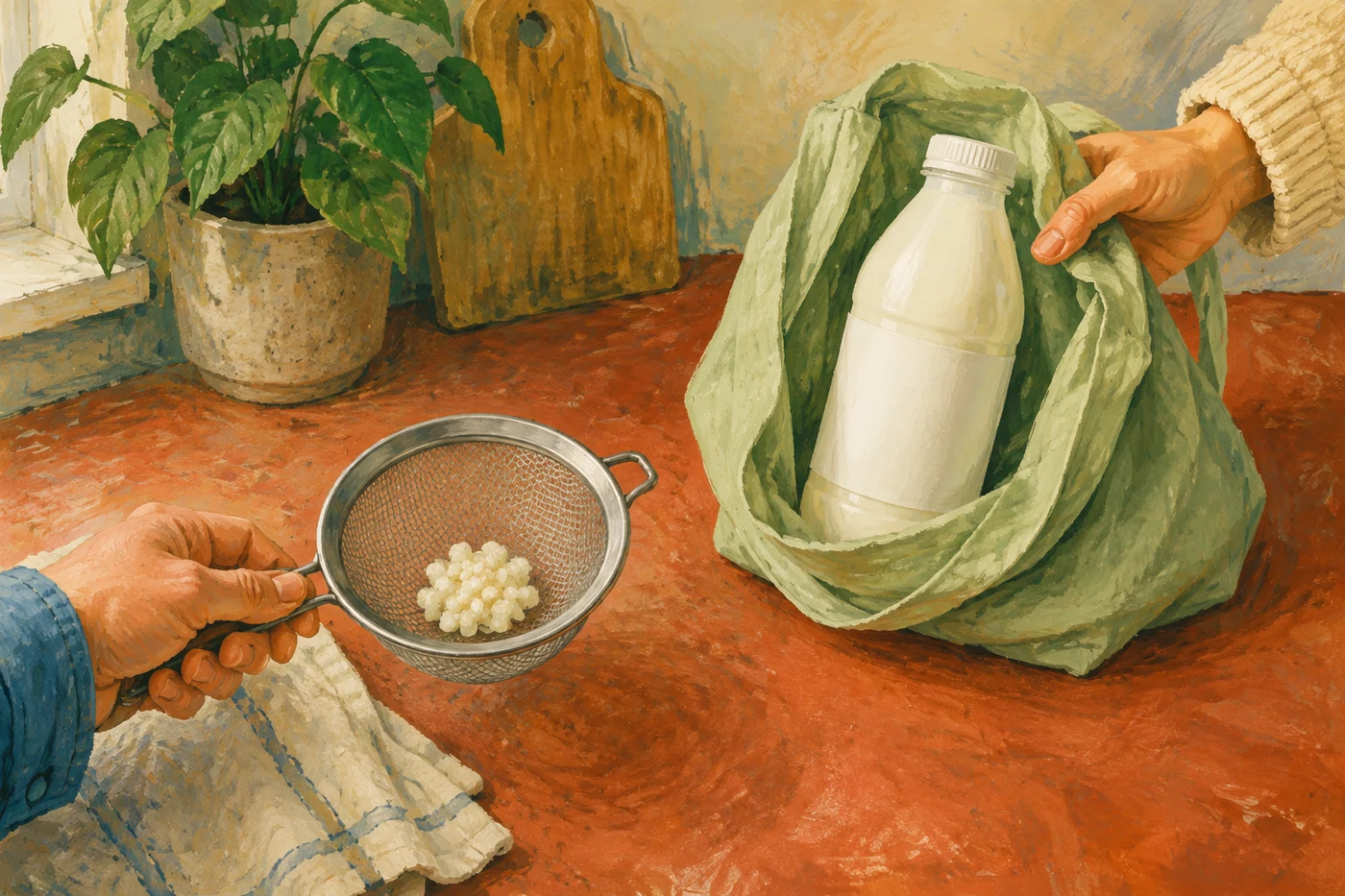
Explore flavour and storageMilk kefir is the one to consider for overnight oats, smoothies and strained spreads. It is tart and creamy, with thickness that varies by milk and method. Homemade milk kefir usually starts with pale, irregular grains that you strain out and feed again.
Water kefir starts with sugar water and its own translucent grain culture. It makes a lighter drink; ginger, mango or cucumber can take a finished batch in different directions. It can become fizzy, but sealing it introduces bottle pressure. Do not assume a homemade batch is alcohol-free or sugar-free.
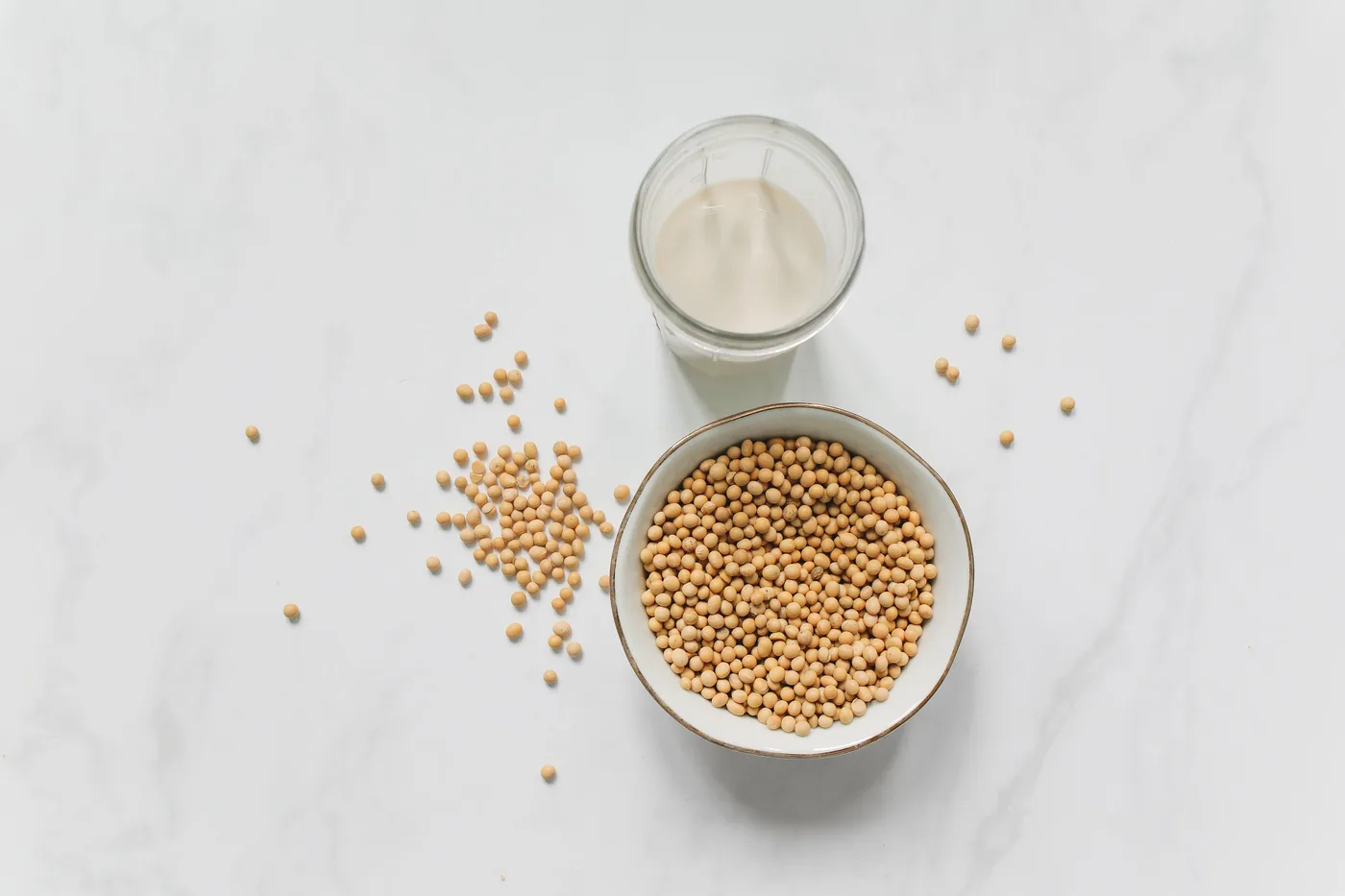
A cultured plant drink is a third option if you want soy, coconut or oats as the base. Choose a starter and instructions intended for that particular base. Moving milk-kefir grains to sugar water does not turn them into water-kefir grains; the plant-milk guide explains what changes when you move a culture.
The milk question: preference, lactose or allergy?
If you simply prefer to avoid dairy, start with the food you enjoy. A cultured soy drink may suit a bowl of oats; water kefir may suit a cold drink with lunch.
With lactose intolerance, ordinary milk kefir may still be an option. A small controlled study found better lactose digestion after plain kefir than milk—even with the same lactose load. That does not make every kefir lactose-free. Read the study and practical choices, including clearly labelled lactose-free products.
With milk allergy, milk kefir is unsuitable, including lactose-free milk kefir. Milk-fed grains can carry milk residue, so rinsing them and switching liquids is not a reliable way to remove the allergen. Choose a verified dairy-free culture and ingredients, prevent contact with milk, and follow your allergy care plan.
What will it replace in your meal?
If kefir will replace milk or yogurt, compare protein and calcium in the actual product. If you are choosing a plant drink, check whether it is fortified. FDA explains why plant drinks vary nutritionally. Fermentation does not give sugar water the nutrition of milk.
If it will replace a sweet drink, compare the sugar in the amount you will pour. Both homemade and packaged kefirs can differ. The label guide helps with that comparison.
Health studies also belong to the product tested. Milk-kefir results cannot simply be assigned to water or coconut kefir. Our health-evidence guide separates what researchers measured from what a product name might suggest.
Would you enjoy looking after it?
Reusable grains need regular care. Milk grains need fresh milk; water grains need a suitable sugar-water recipe. Both need clean equipment, straining and storage. Carbonating water kefir adds another task. A selected starter may involve less ongoing culture care, but reuse depends on the product instructions.
It is reasonable to try a ready-made drink first. Enjoying kefir and wanting to maintain grains are two separate decisions.
Choose a starting point
- 1I want creamy breakfasts and sauces
Start with milk kefir. Learn the basic method, then use it in oats, dressings or a strained spread.
- 2I want a light flavoured drink
Explore water kefir. Begin with the basic drink before adding a sealed-bottle fermentation.
- 3I want a cultured plant drink
Read about fermenting plant milks and choose instructions for your exact base and culture.
- 4I would rather buy a bottle first
Use the buying guide to compare ingredients, live cultures and the portion you will drink.
Before you buy grains
Does one type always have more probiotics?
No category-wide count can tell you what is in your glass. The culture, preparation and storage change the organisms and their numbers; a higher count alone does not establish a greater health benefit.
Can I keep both cultures?
Yes. Keep them in separate, labelled jars and follow the right food and method for each. Take particular care with separate equipment when milk allergy is involved.
Are the grains the same as starter powder?
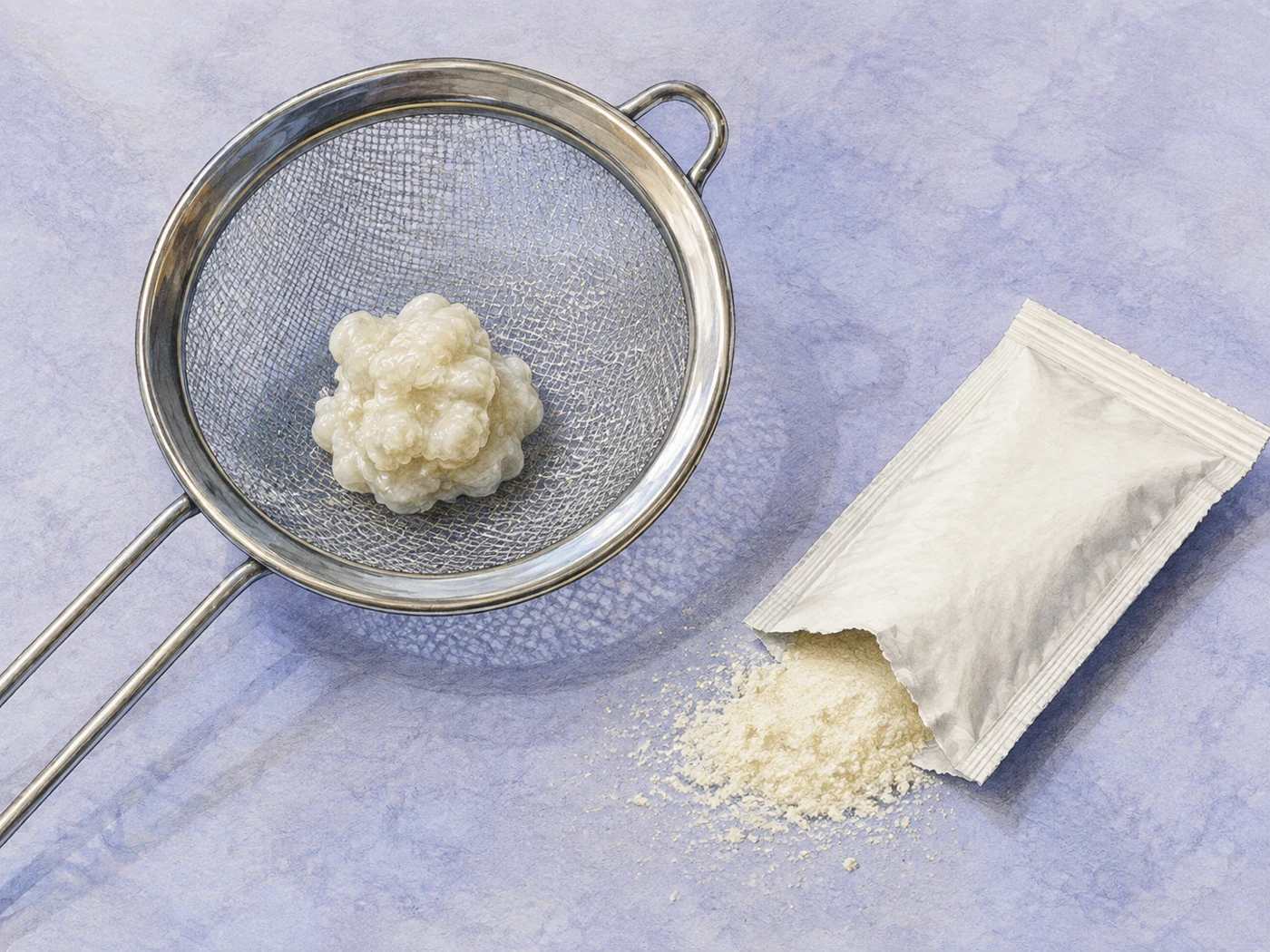
No. Living reusable grains, dried grains that need reactivation, and direct-set starter powder are different products. Check which one you are buying before following a recipe.
Sources
Ready to choose a starter?



Comments
No comments yet.
Comments could not be loaded.
Join the discussion