
Water Kefir · Home Method
How to Make Water Kefir: Ratios, Warm-Weather Timing, and Your First Joyful Batch
Making water kefir at home is pure kitchen magic—in just a day or two, humble cane sugar, drinking water, and bouncy translucent grains transform into a crisp, lightly tangy refresher! Once you know the easy starting ratio and match timing to your kitchen’s warmth, every batch turns out clean, lively, and delicious.

Your foolproof 1-litre jar formula: Dissolve 60–65 g raw cane sugar (plus ½ tsp molasses or 1 tsp pure dark brown sugar for minerals) in ~120 mL hot water, top up with 710 mL cool drinking water so the jar feels cool to the touch (21–29°C), and drop in 30–45 g (2–3 tbsp) active water kefir grains.
Let your senses and room temperature guide the clock: Cover with a breathable cloth or coffee filter out of direct sun. In mild rooms (22–26°C), first fermentation takes 24–48 hours; in warm Taiwan summers (28–33°C), your grains work faster—check around 18–24 hours! Once gently hazy, less sweet, and pleasantly tangy, strain out the grains for the next jar and chill your drink or bottle it for 2F fizz.
Picture the whole 4-step loop: 1F culturing vs. 2F fizz
The secret to stress-free water kefir is keeping its two joyful stages separate. First fermentation (1F) is all about feeding your crystal grains in clean sugar water with a touch of minerals. Second fermentation (2F) happens after you strain the grains out—that’s when fruit juices, botanicals, and fizzy sealed bottles come out to play!
Keeping fruit pulp out of the grain jar keeps your grains bright, bouncy, and super easy to strain every single day:
The 4-Step Water Kefir Loop (1F Culturing → Optional 2F Fizz)
Grains stay happy in clean 1F sugar water. Strain, feed them right away, and save fruit or fizz for the strained drink.
Start with simple kitchen measurements (US cups to metric)
Having exact grams and millilitres takes all the guesswork out of your first batch! Below is the classic Cultures for Health water kefir ratio translated into metric—handy if your kitchen uses gram scales or a 180 mL rice-cooker cup (which is smaller than a 240 mL US cup).
| Ingredient | Supplier spec (US) | Metric equivalent | Kitchen tip |
|---|---|---|---|
| Hot water (to dissolve) | ½ US cup | ~120 mL | Dissolves sugar cleanly right in the jar so grains feed evenly |
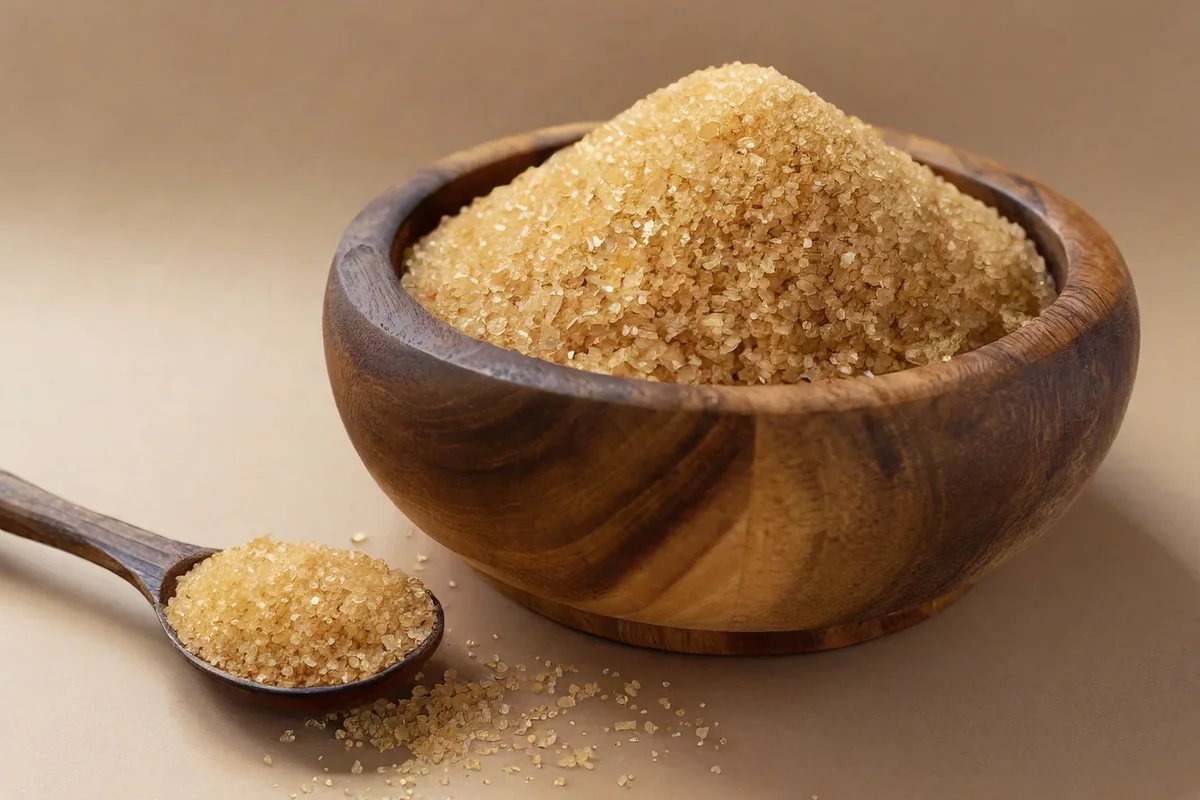
| Sugar | ⅓ US cup cane or turbinado | 60–65 g raw cane sugar | Skip honey and zero-calorie sweeteners for happy grains |
| Mineral boost | ½ tsp molasses | ~2.5 mL molasses, or swap 5–10 g of the sugar for pure dark brown cane sugar | Keeps grains plump and active, especially with refined sugar or RO water |
| Cool drinking water | 3 US cups (bottled spring) | ~710 mL safe cool water | Make sure the mix feels cool to room temp (21–29°C) before grains go in |
| Active water kefir grains | 1 activated packet | 30–45 g (2–3 level tbsp) | If your grains came with supplier notes, follow their starting ratio first |
Shopping in Taiwan? Lightly refined No. 2 cane sugar (二砂) already carries gentle natural minerals and makes crystal-clear, delicious batches! Want a mineral boost? Swap 5–10 g of that sugar for pure unrefined Taiwanese brown sugar (just peek at the ingredient line to skip caramel-flavoured blends). Saving pure dark brown sugar for just a small pinch—rather than 100% every batch—keeps grains firm and bouncy; explore more in sugar, water, and minerals for water kefir.
Match your timing to Taiwan’s seasons
In warm summer kitchens (28–33°C), your grains work faster—check around 18–24 hours or use slightly less grain so the drink stays crisp and refreshing instead of turning overly tart. During cozy spring/autumn days (22–26°C), 24–48 hours is right in the sweet spot, while chilly 17°C winter days simply call for a little extra patience.
Tap the tab closest to your kitchen today:
Taiwan Seasonal Timing Switcher · Match Your Kitchen
When to Check an 830 mL Batch (1 L Jar)
Warm kitchen magic: In warm summer kitchens (28–33°C), your grains work wonderfully fast! Set the jar in a shady spot away from stoves and sunny windowsills, trim grains slightly to 25–30 g if your kitchen stays above 31°C, and taste around 18 hours so you catch that crisp, refreshing balance right on time.
The sweet spot: Mild 22–26°C weather is water kefir heaven! Taste at 24 hours—strain then if you love a lighter, gently sweet refresher, or let it coast toward 36–48 hours for a drier, tangier finish.
Cool-weather care: Below 18°C, your grains naturally slow down and sip sugar at a gentle pace. Tuck your jar into a cozy interior cupboard away from chilly windows. If 48 hours pass with almost no change, warm up the spot slightly or refresh the grains with fresh sugar water.
Step-by-step checklist for your first jar
Tick off each quick step as you go—your browser saves your progress automatically so you can relax while the sugar water cools.
First-Batch Water Kefir Checklist
Step-by-Step Video · Watch
How to Make Water Kefir | Step by Step Guide — Cultures for Health
Watch how effortless the rhythm really is: dissolving cane sugar, cooling completely with fresh water, slipping in crystal grains, and covering breathably for 1F. Simply check a little earlier in warm summer weather!
Trust your senses: sight, smell, and taste
Unlike milk kefir, water kefir stays thin and watery from start to finish! Happy, healthy fermentation looks like a gentle cloudiness (haze), a slightly lighter colour, fine pale sediment at the bottom, and occasionally grains floating up and down. Smell and taste it: it should smell clean, crisp, lightly tangy, and faintly fruity or yeasty. Because a cloth cover lets gas escape freely, a calm, still 1F jar is totally normal—real sparkle arrives later inside a sealed bottle (see how to make water kefir fizzy).
Simple kitchen intuition: With clean jars, fresh drinking water, and cooled sugar water, water kefir is wonderfully resilient! Always trust your eyes and nose: if you ever spot fuzzy mold, odd pink/orange/green/black spots, or smell anything clearly rotten or foul, toss the batch and start fresh.
After straining: chill plain or turn it into soda!
Pop your very first strained batch straight into the fridge and taste it icy cold—you’ll love discovering your grains’ clean, gentle personality! Once you know your baseline, choose your favourite way to enjoy it:
- Easy pitcher flavouring: Pour strained water kefir into a clean pitcher with a splash of pasteurized juice (passionfruit, grape, or apple) and chill in the fridge. Zero pressure worries and endless flavour combos—explore our water kefir flavor lab!
- Sparkling 2F soda: Pour strained kefir plus a touch of fruit juice into bottles rated for carbonation, let sit at room temperature for 12–36 hours, and chill thoroughly before opening. Check alcohol and bottle pressure for easy bottle tips.
Good to know: friendly yeasts create tiny trace amounts of natural fermentation alcohol even during first fermentation (similar to ripe fruit juice), and chilling slows fermentation rather than removing it. If you avoid alcohol strictly—for pregnancy, medical, or personal reasons—enjoy unfermented sparkling drinks instead.
Frequently Asked Questions
Should I make water kefir with 100% dark brown sugar?
A light raw cane sugar base with just a small mineral boost (5–10 g pure dark brown cane sugar or ½ tsp molasses per litre) keeps grains plump, happy, and consistent! Using 100% heavy brown sugar every batch can over-mineralize grains and make them soft. Read more in sugar, water, and minerals.
Can I use milk kefir grains in sugar water instead?
No, milk kefir grains thrive on dairy lactose, while water kefir grains are their own sucrose-loving crystal culture. If you’re deciding which one fits your fridge best, see milk vs. water kefir.
It has been 24 hours and there are almost no bubbles—did my batch fail?
Not at all! Because a breathable cloth lets carbon dioxide float away, healthy 1F water kefir often looks calm and quiet. Taste a spoonful—if it’s slightly hazy, less sweet, and pleasantly tangy, it’s working wonderfully! Real soda fizz waits for sealed 2F bottles.
Can I put fresh fruit directly into the first-fermentation jar with the grains?
It’s much happier to wait until after straining! Fruit bits can wedge into the crystal grains and citrus acid can tire them out. Keeping 1F strictly clean sugar, water, and minerals leaves your grains glowing—then have all the fun flavouring the strained drink!
What do I do when my grains multiply or when I travel?
Happy grains steadily grow—share extras with friends, keep a backup jar, or scoop out a little to stay near your working ratio! Heading out of town? Submerge grains in fresh sugar water in the fridge so they rest peacefully until you’re back (storage and care guide).