
Use kefir with confidence
Fix a homemade kefir problem
If homemade kefir looks, smells, or tastes different, compare the fermentation time, temperature, ingredients, and handling. Start with the change you can see or smell.
Find the check that fits your batch
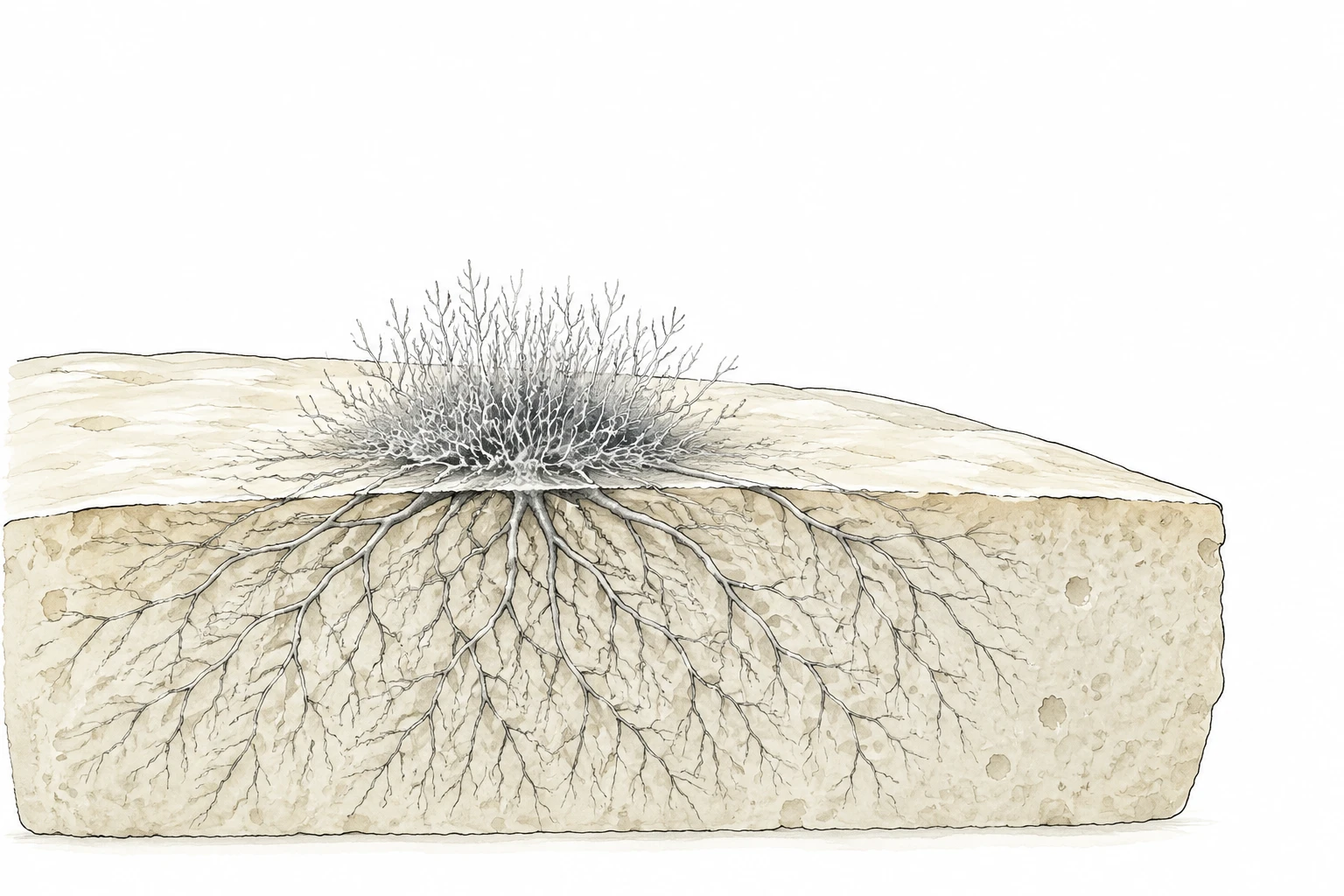 Safety guide
Is this kefir safe to drink?
Check contamination signs and handling history before deciding whether to keep or discard a homemade batch.
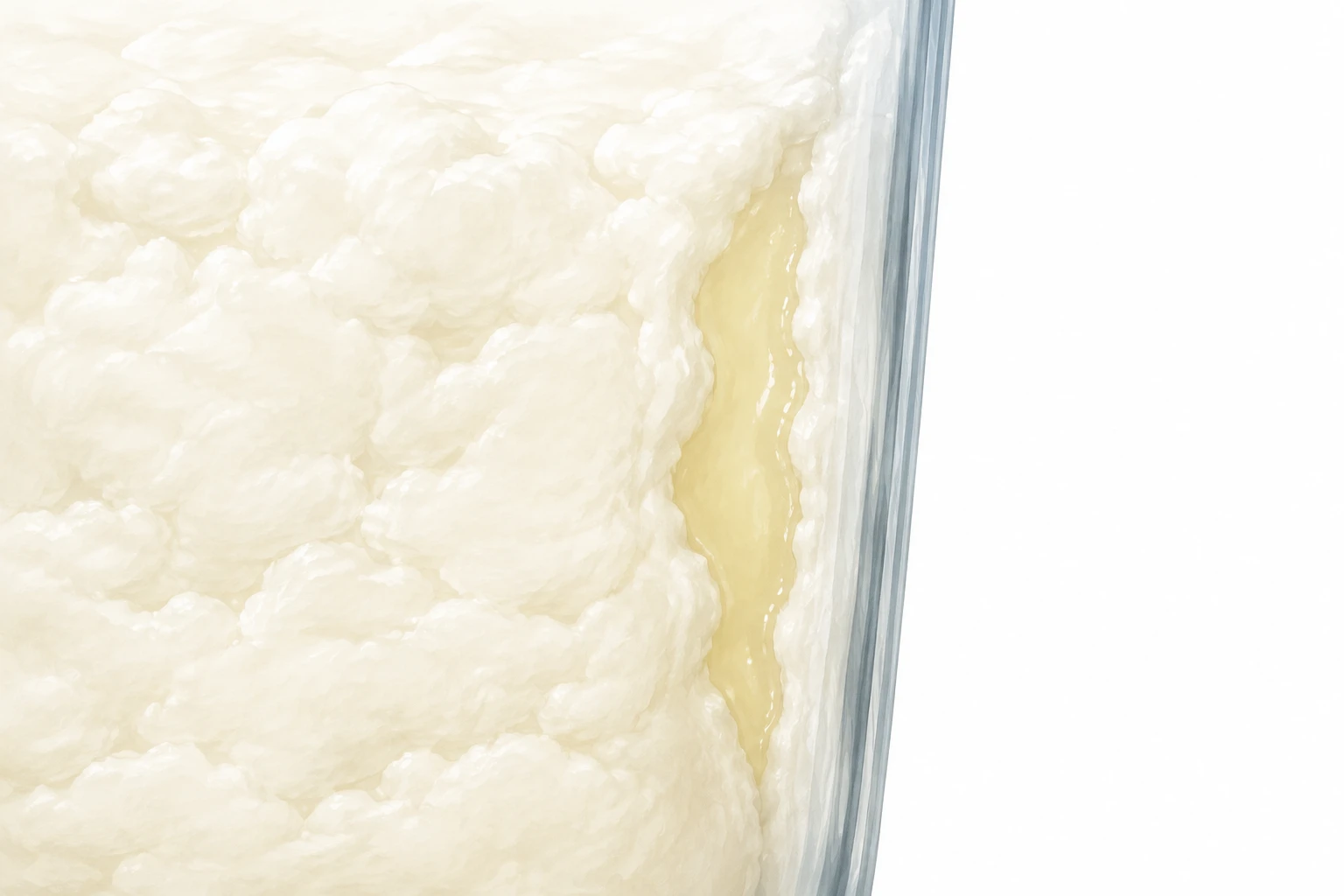 Read the fermentation
How do you know when milk kefir is ready?
Read thickening and whey pockets alongside time, temperature and handling. Appearance alone is not a safety test.
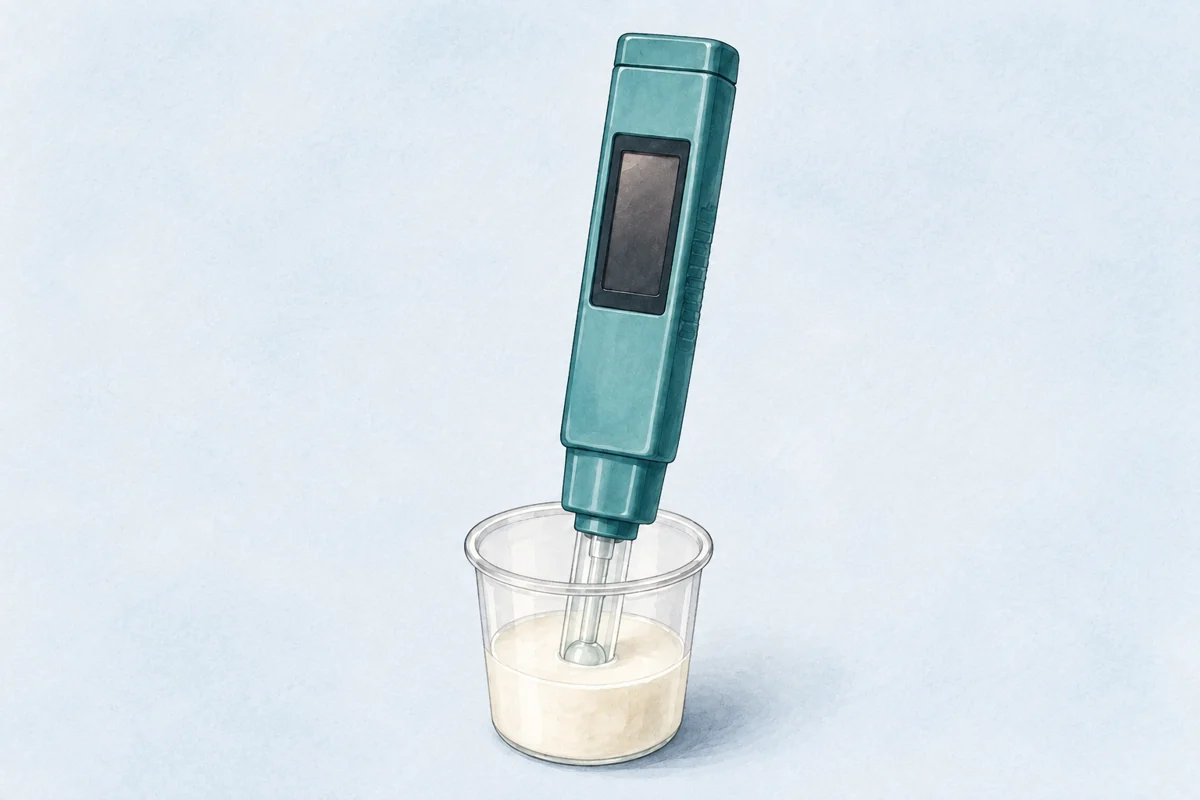 Measure fermentation
How to use a pH meter for kefir
Calibrate, sample and record acidity, while understanding what a pH reading cannot establish about food safety.
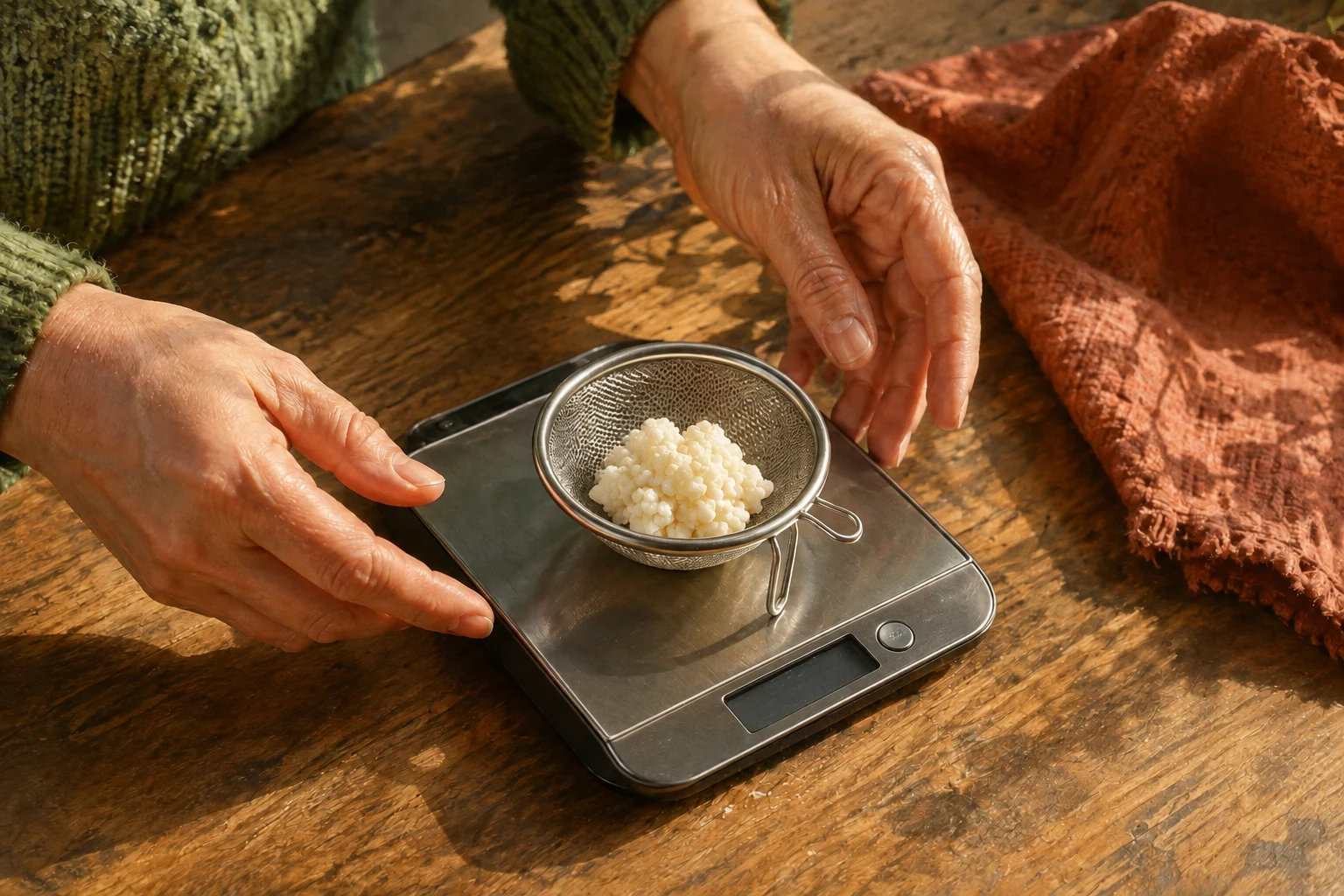 Milk grain care
How to care for milk-kefir grains
Build a feeding routine and learn which changes in the grains deserve attention.
 Water kefir troubleshooting
Why is my water kefir slow, sweet or flat?
Separate first-ferment activity from carbonation, and check the basics before trying to rescue a culture.
 Keep a batch journal
Keep a kefir fermentation journal
Use a short run of batches to compare one change in temperature, grain quantity or timing.
 Milk kefir control
Milk kefir: temperature and grain quantity
Understand why a warmer room or more grains changes the pace, and how to adjust one factor at a time.
 Milk kefir setup
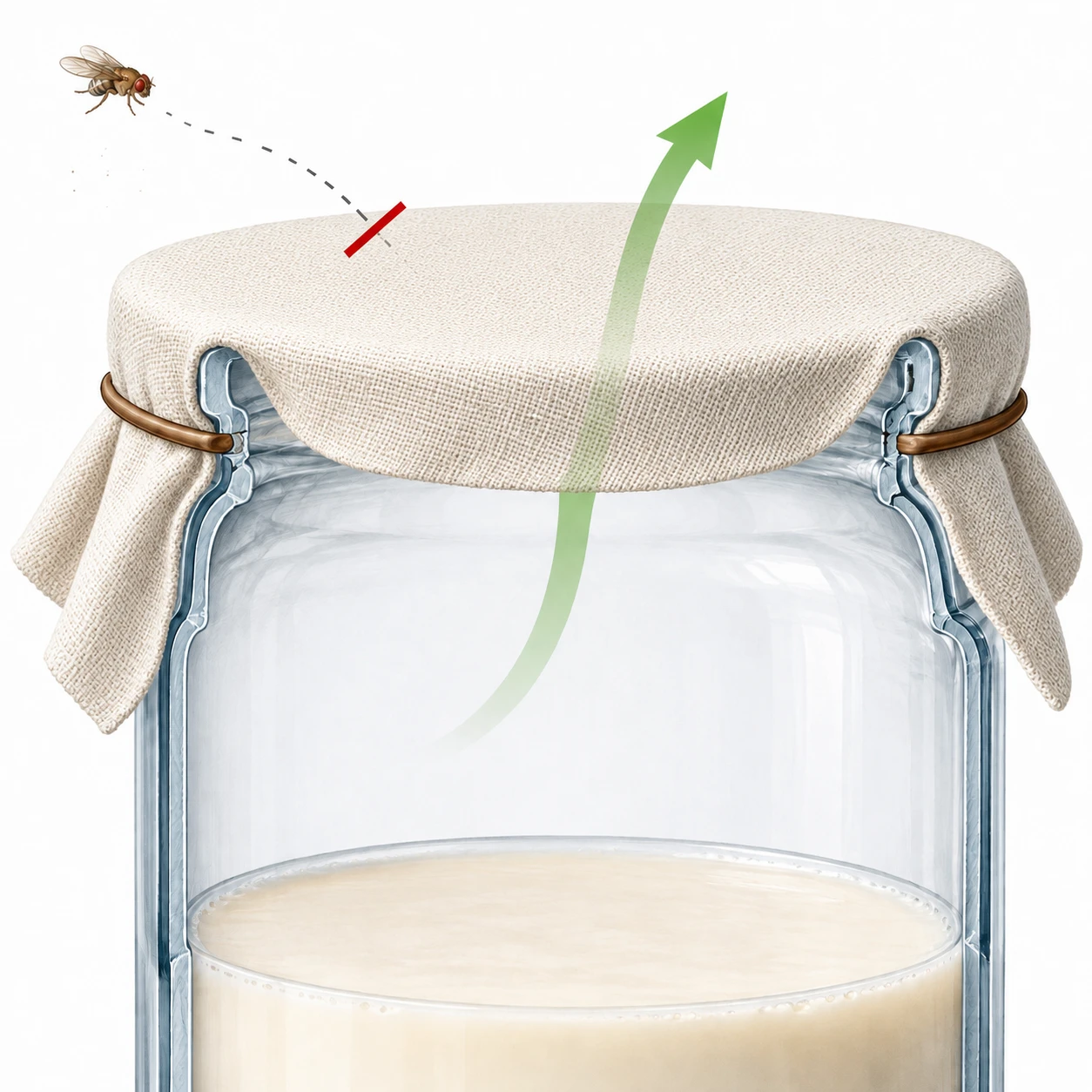
Should you stir milk kefir—and which lid should you use?
Look at uneven thickening, insect protection and pressure when choosing how to stir and cover a jar.
 Milk kefir texture
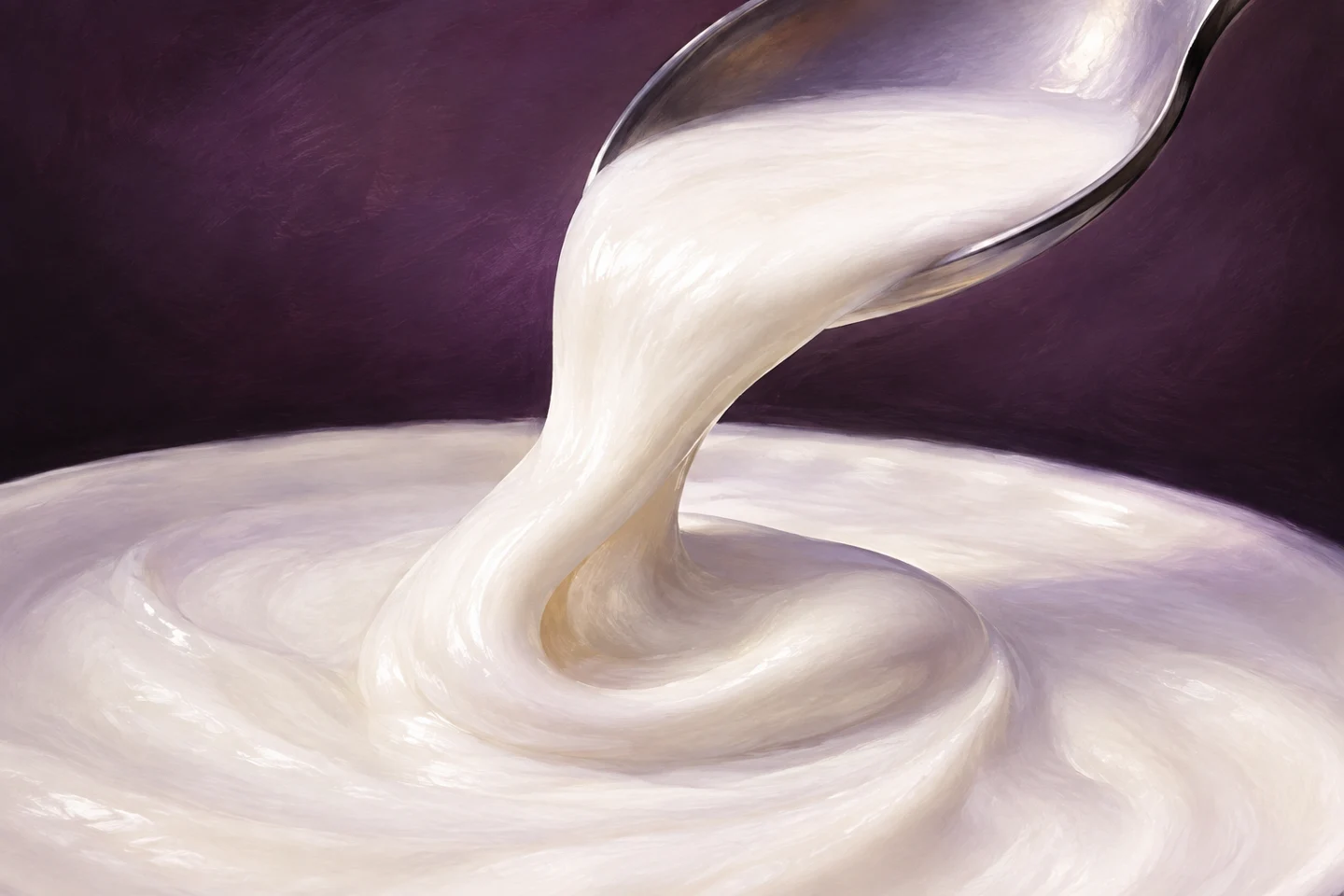
Why is my milk kefir thin?
A jar that never thickened and one that thickened then separated need different adjustments. Find out which you have.
 Milk kefir routine
Making more kefir than you can drink?
Reduce the working quantity of grains, make smaller batches, or plan a break instead of letting surplus jars build up.
 Kefir grain revival
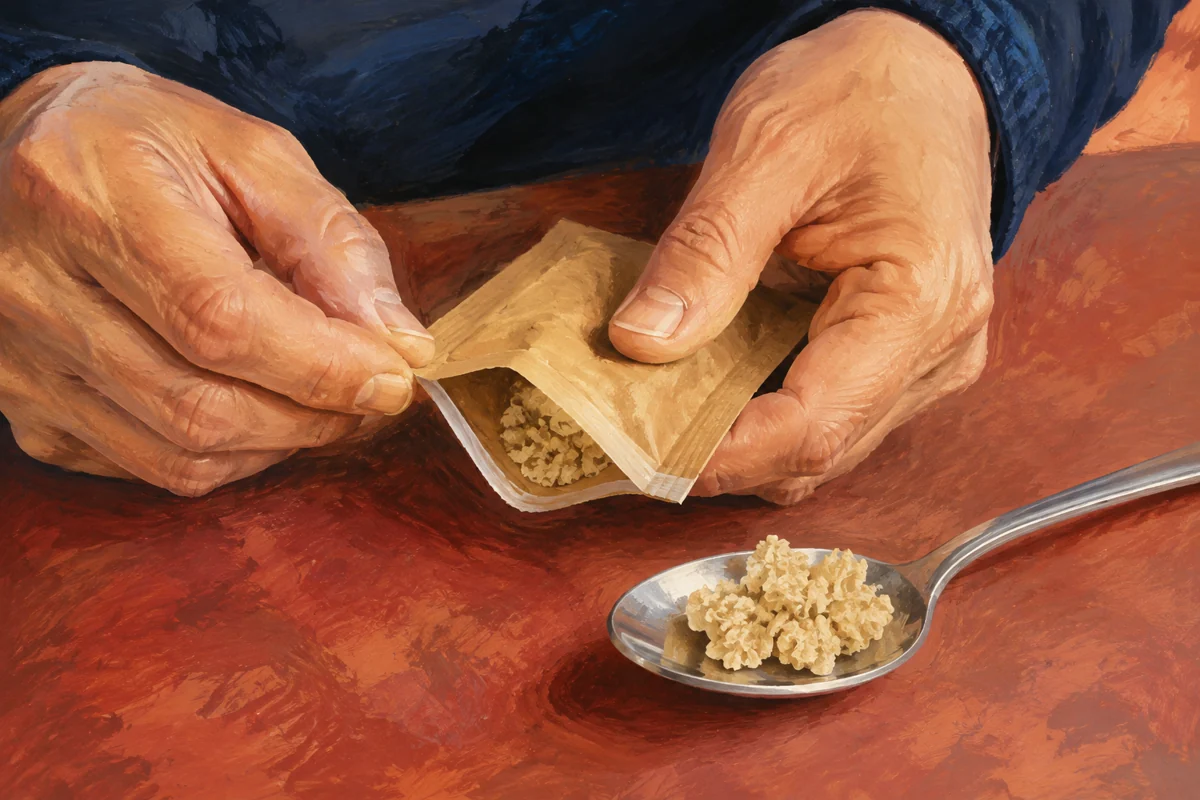
How to activate dried kefir grains
Distinguish dried grains from starter powder, then follow the feeding and recovery checks for milk or water grains.
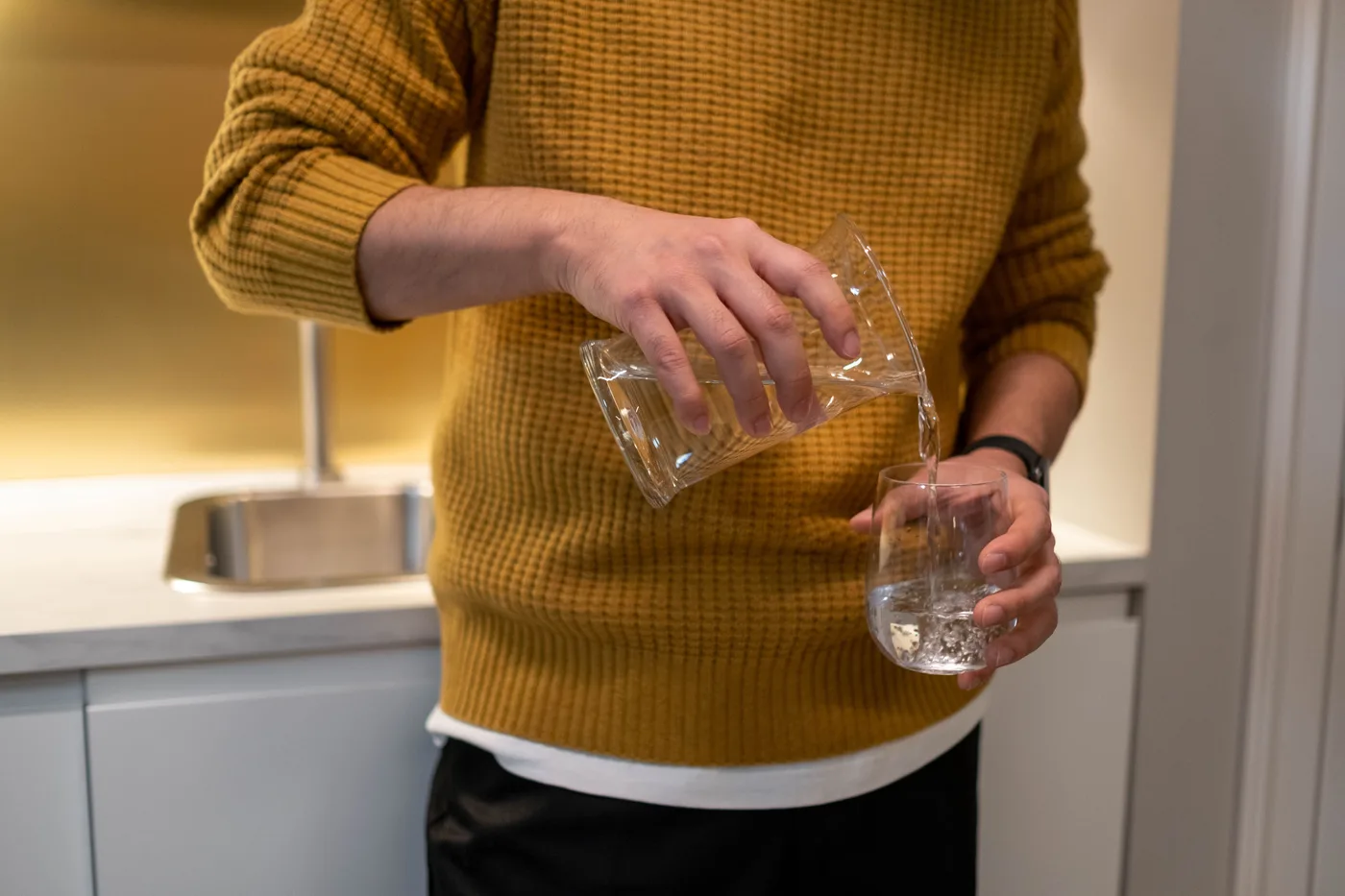 Water kefir ingredients
Can you use tap water for water kefir?
Consider drinking-water safety, chlorine, chloramine and minerals before changing the water you feed your grains.
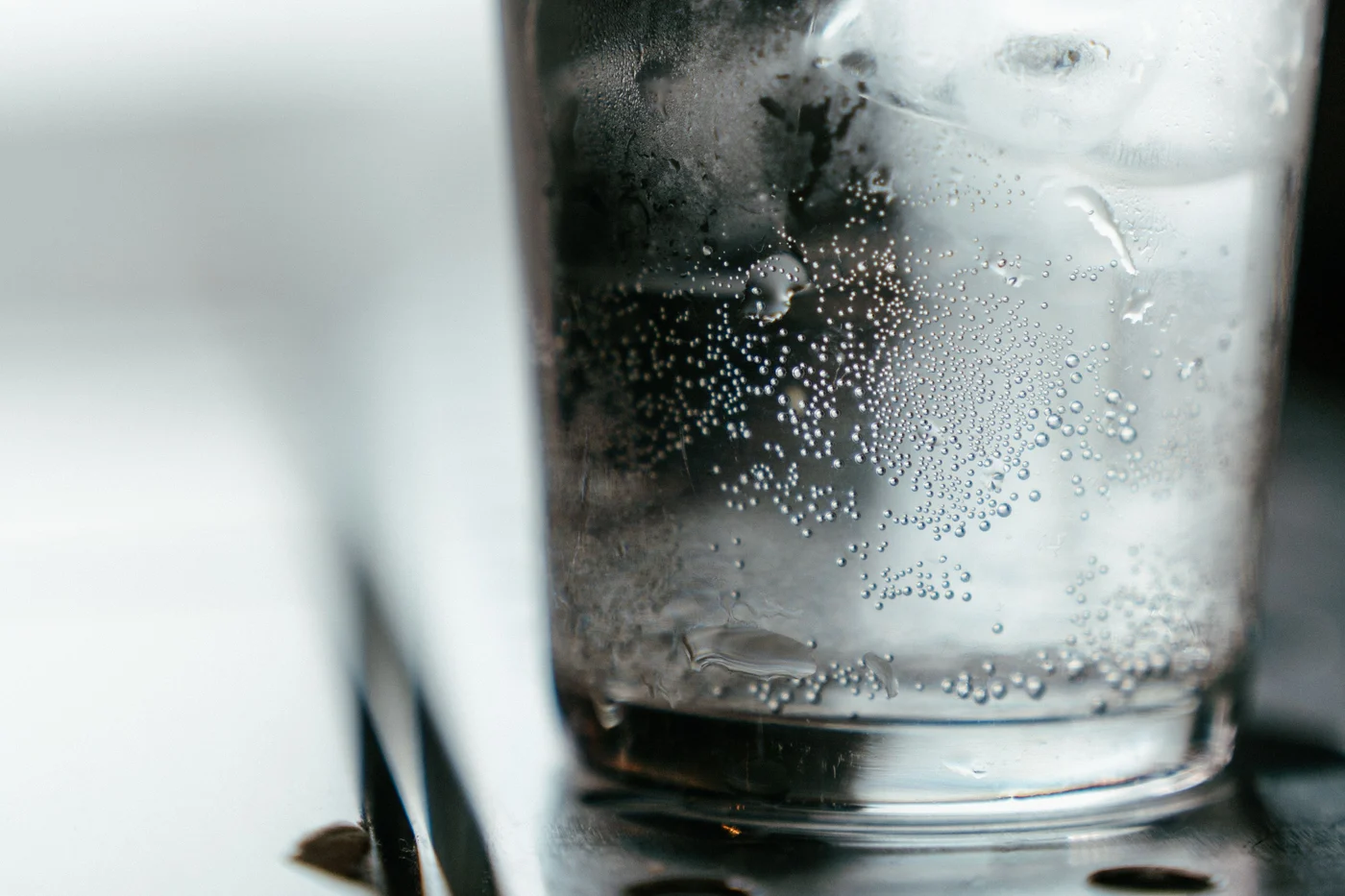 Water kefir carbonation
How to make water kefir fizzy
Understand the link between sugar, time and bottle pressure before trying a sealed second ferment.
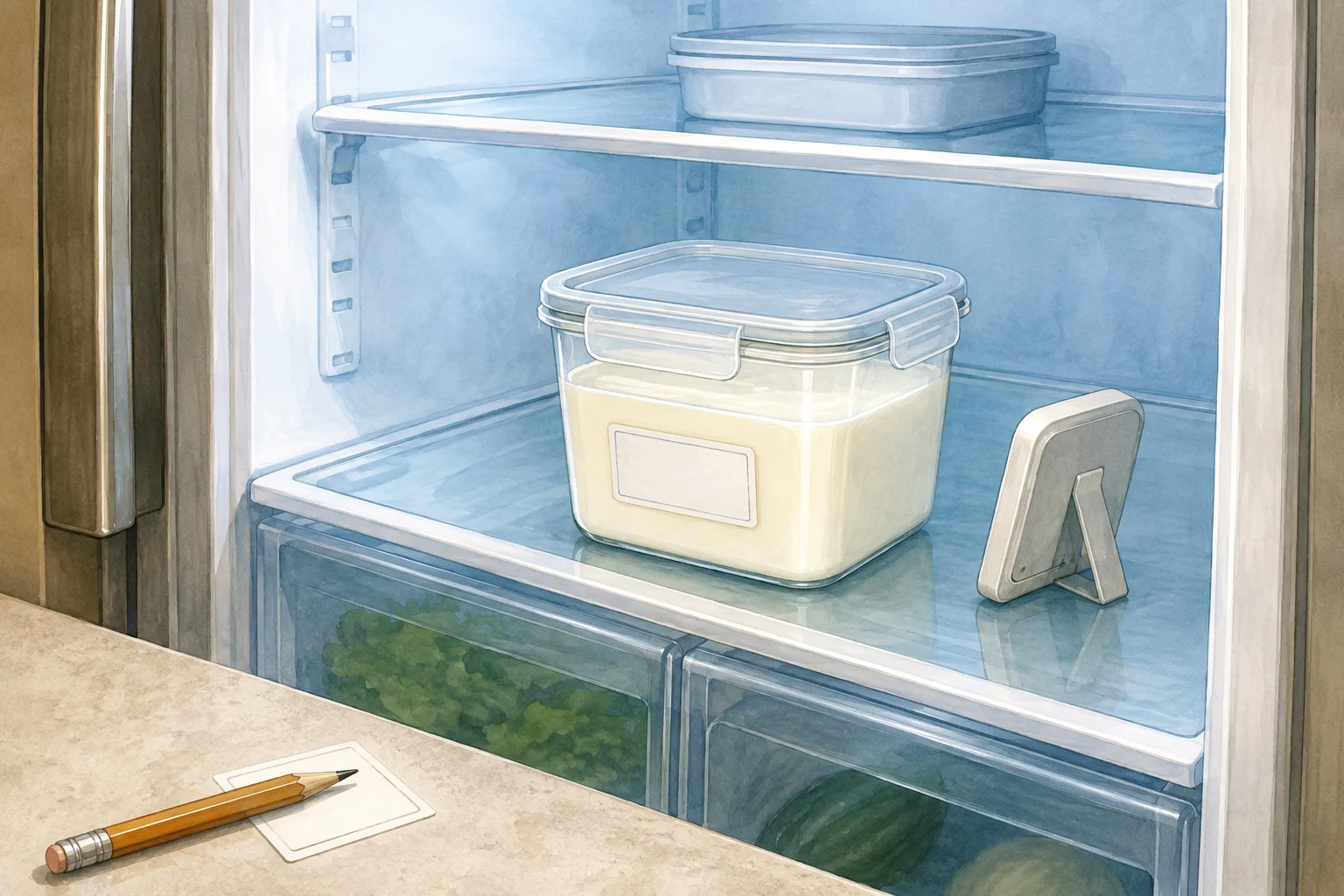 Finished kefir storage
How long can you keep homemade kefir?
What refrigeration changes, what a date label can tell you, and why homemade batches do not share one fixed shelf life.