
Dairy-Free Probiotic Fizz · Kitchen Hub
Water Kefir
Translucent, jewel-like water-kefir grains (tibicos) transform lightly sweetened mineral water into a bright, refreshing probiotic drink in just one to two days. Enjoy it crisp and still right from the fridge, steep it with fresh Taiwan fruit, or bottle it gently for natural sparkle.
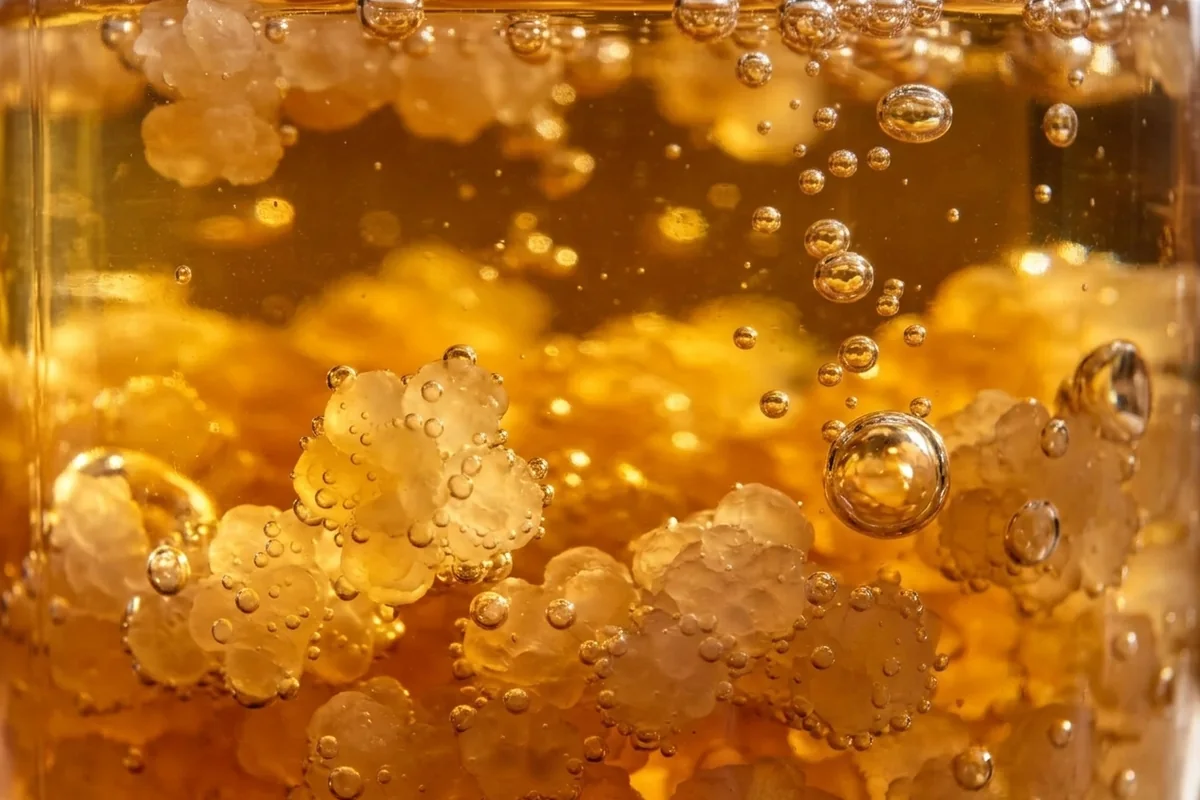
Water kefir uses translucent sugar-loving grains (a different culture from milk-kefir grains) to culture mineral-rich sugar water—completely dairy-free, tea-free, and caffeine-free.
- First ferment (24–48 hours, breathable cover): Dissolve mostly white sugar with a spoonful of raw cane or dark brown sugar in chlorine-free water, cool until lukewarm or cooler (under 28°C), and let the grains do their magic at room temperature.
- Second ferment (after straining grains): Enjoy over ice with fresh fruit for effortless sipping, or seal in round pressure-rated swing-top bottles for 12–24 hours for lively, bubbly carbonation.
- Fizz & trace alcohol notes: Because friendly wild yeasts create those lovely bubbles, homemade water kefir naturally contains trace alcohol (often ~0.2%–1% ABV) and real CO₂ pressure—just chill thoroughly before opening!
Four easy steps to bright, bubbly water kefir
Your water grains love cozy temperatures and a pinch of natural minerals—once you get the hang of batch one, the rhythm is effortless.
- 01
Dissolve the sugar and let it cool
Stir white and raw cane sugar in a splash of hot water, top up with cool chlorine-free drinking water, and make sure the liquid feels cool or barely lukewarm (under 28°C) before dropping in your living grains.
- 02
Cover breathably for 24–48 hours
Fasten a coffee filter or clean cloth over the jar to keep fruit flies out. In warm Taiwan summers, taste around 24 hours—once the sugary taste softens into crisp, clean tang, it’s ready!
- 03
Strain your grains before adding fruit
Move your grains straight into a fresh jar of sugar water. Keep citrus juice, fruit slices, and herbs out of the grain jar itself so your culture stays plump and energetic.
- 04
Bottle thoughtfully for natural fizz
When sealing for sparkle, choose sturdy round swing-top bottles made for carbonation (never decorative square jars), leave 3–4 cm of headspace, chill well before opening, and point the cap away from your face.
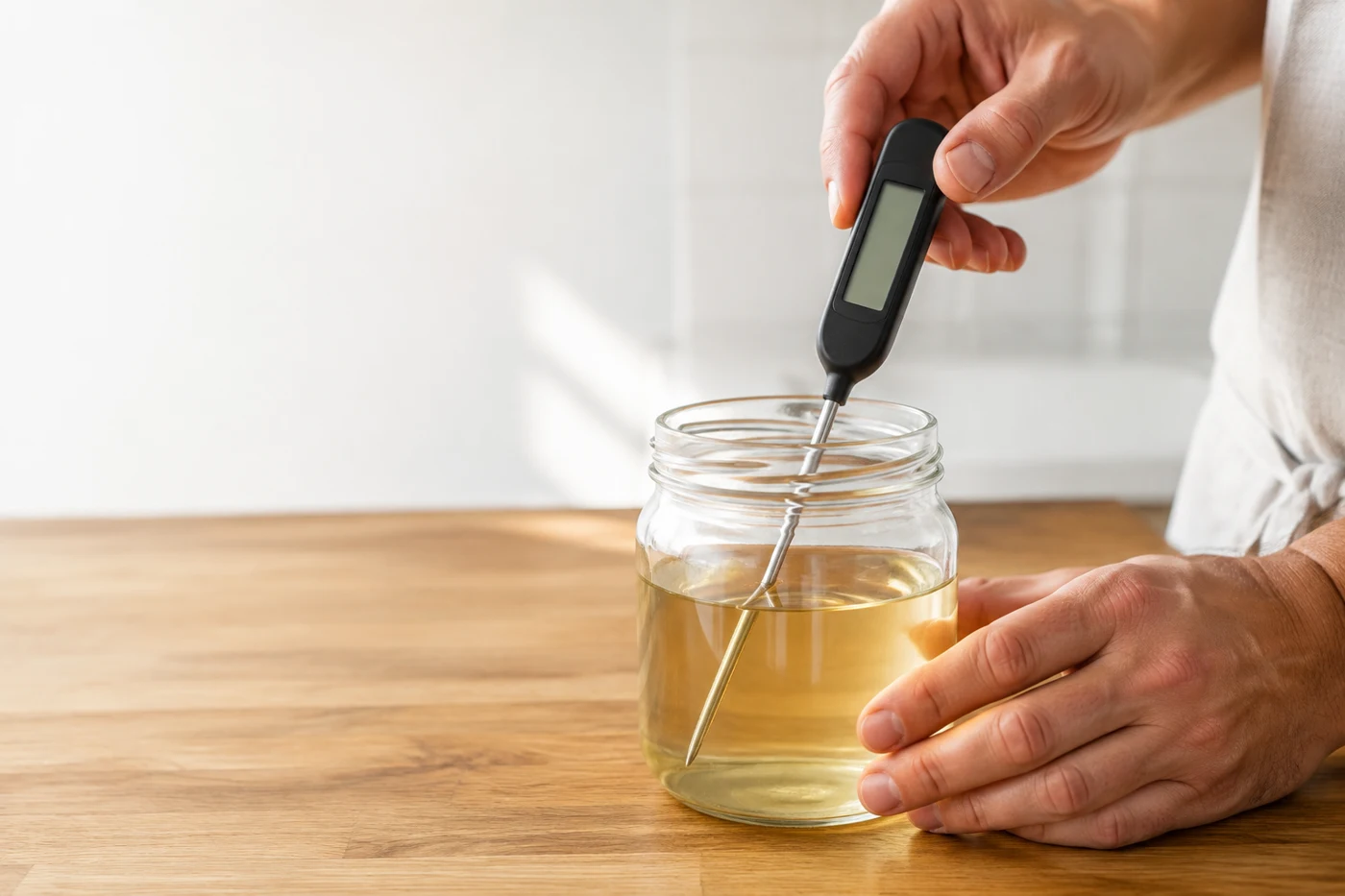 Step-by-step water kefir guide & ratios →
Sealed second fermentation builds real pressure quickly, especially in warm weather. If a bottle is scratched, unrated for fizz, or sat extra long on a warm counter, skip trying for huge bubbles and move it straight into the fridge to calm down.
Fresh fruit belongs in the strained drink
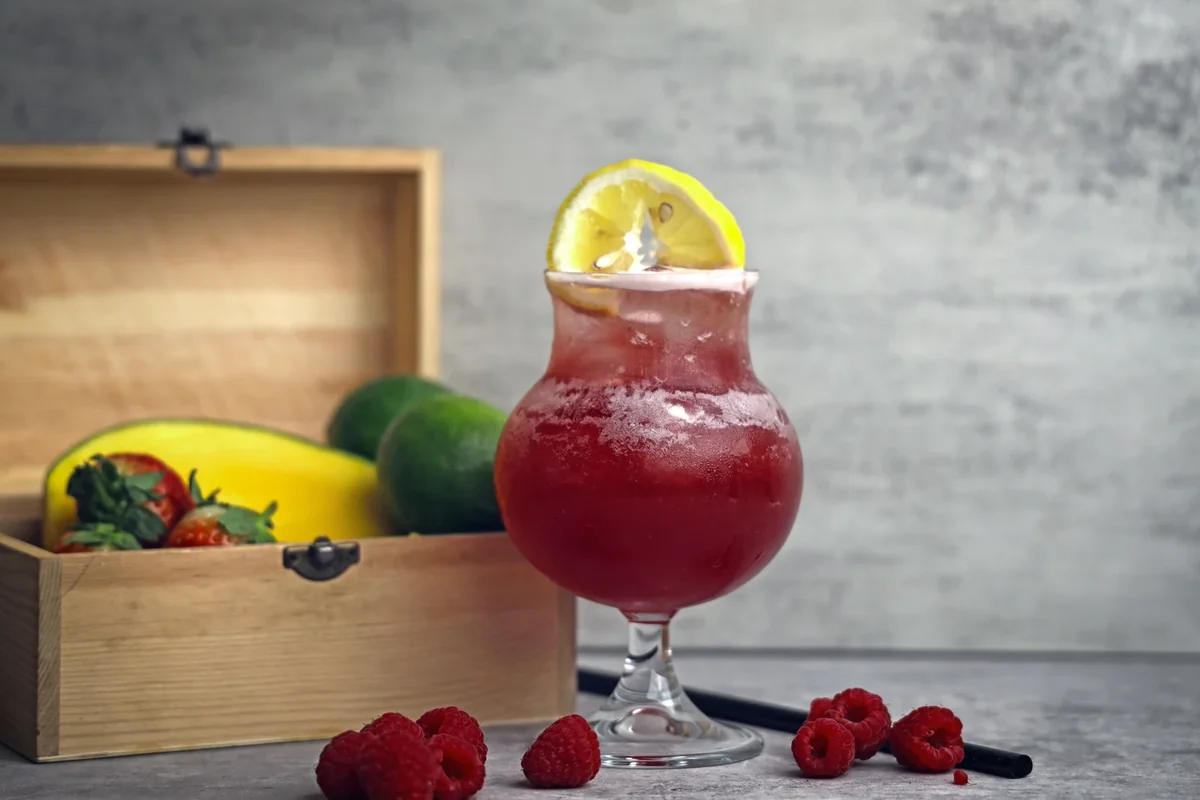 Explore the Water Kefir Flavour Lab →
Flavour Watch
Fresh-pressed citrus & three fruit infusions — Veganlovlie
Jump to 5:46 to see fresh orange juice added right after straining out the grains! Chill immediately for an easy still refresher, or see our bottle pressure & alcohol guide → for bubbly bottling tips.
Flavour & Fizz Quick-Start
Pick tonight’s water-kefir style
Tap a pairing to see bright fruit ratios, Taiwan room-temperature timing, and easy bottling tips.
Per 500 ml strained base: ½ passionfruit pulp + juice of 2 calamansi (or ½ lemon)
Timing: Seal in a round pressure-rated bottle with 4 cm headspace for 12–16 hours at 24–28°C, then chill at least 6 hours before popping the cap.
In the glass: Bright citrus slices right through lingering sweetness—like a crisp, refreshing tea-shop spritzer made right in your kitchen.
Per 500 ml strained base: 50 ml strained pineapple juice + 3 thin slices fresh ginger
Timing: Sweet pineapple and wild yeasts on fresh ginger build sparkle quickly! In warm weather, 8–12 hours sealed on the counter is plenty—tuck it into the fridge before bed.
Pouring tip: Strain out pulpy bits before bottling so bubbles stay silky in the glass instead of foaming over when you open the bottle.
Per 500 ml strained base: 2–3 dried hibiscus calyces (or 1 tbsp frozen blueberries)
Timing: Dried hibiscus adds gorgeous ruby colour without heavy sugar, so it’s gentle on pressure. Add ½ teaspoon sugar or 20 ml apple juice if you’d like extra fizz, seal 14–20 hours, then chill.
In the glass: Crisp, cranberry-like tang that feels extra grown-up and refreshing if you love less-sweet drinks.
Per 500 ml strained base: sliced guava, green apple wedges, or fresh mint
Timing: Skip sealed bottles completely! Drop fresh fruit into a regular fridge pitcher of strained water kefir and chill 8–12 hours for a fragrant, lightly sparkling cooler.
Best for: Brand-new brewers or warm summer weeks when you just want an effortless, worry-free sip.
Explore every water kefir guide
How to make water kefir step by step
Walk through easy sugar-water ratios, cooling checks, and taste cues so your first jar turns out crisp and refreshing.
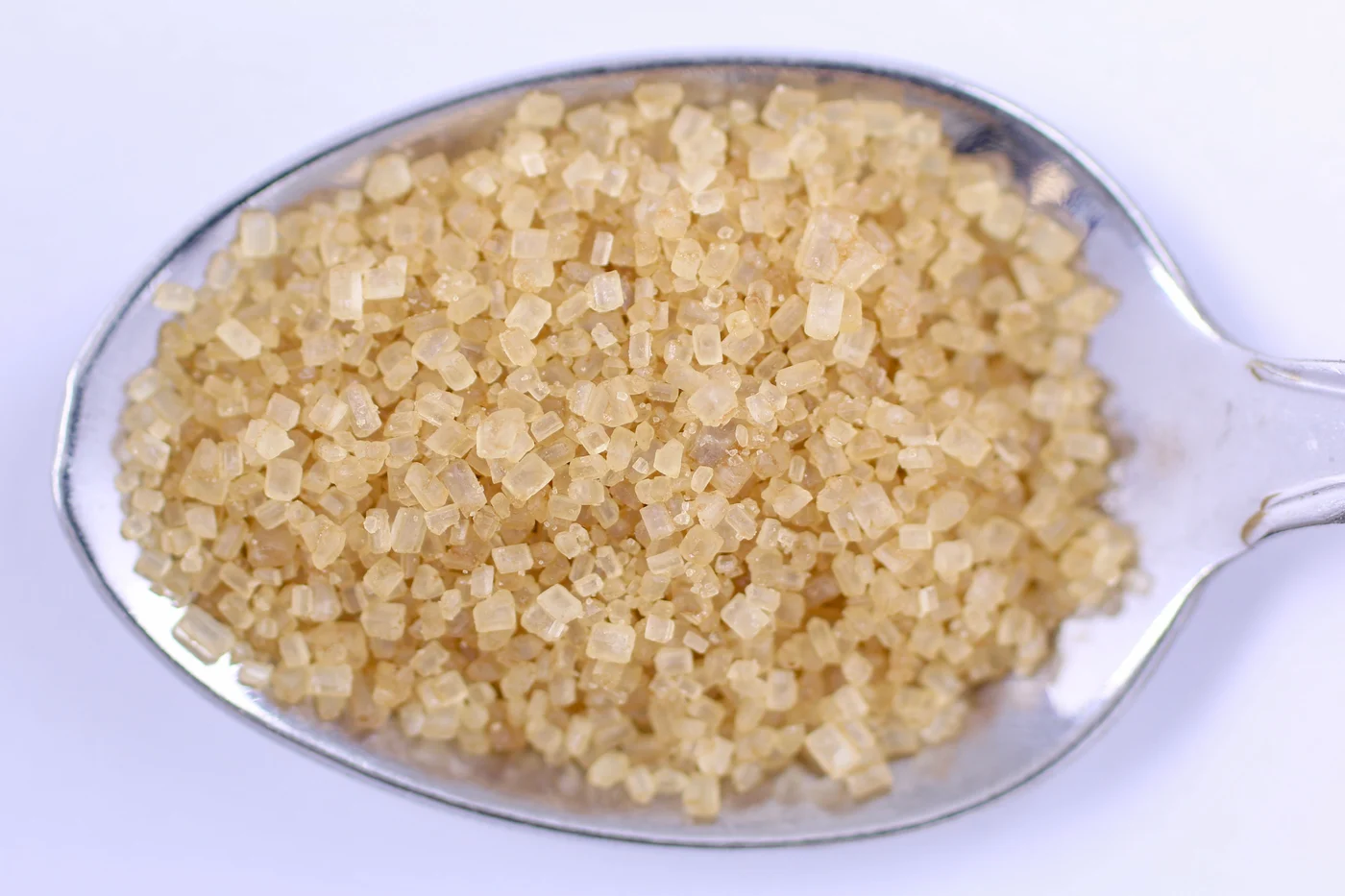 Ingredients
Sugar, water and minerals for water kefir
See what white sugar, raw cane sugar, and brown sugar each bring to the jar so your grains stay plump and happy.
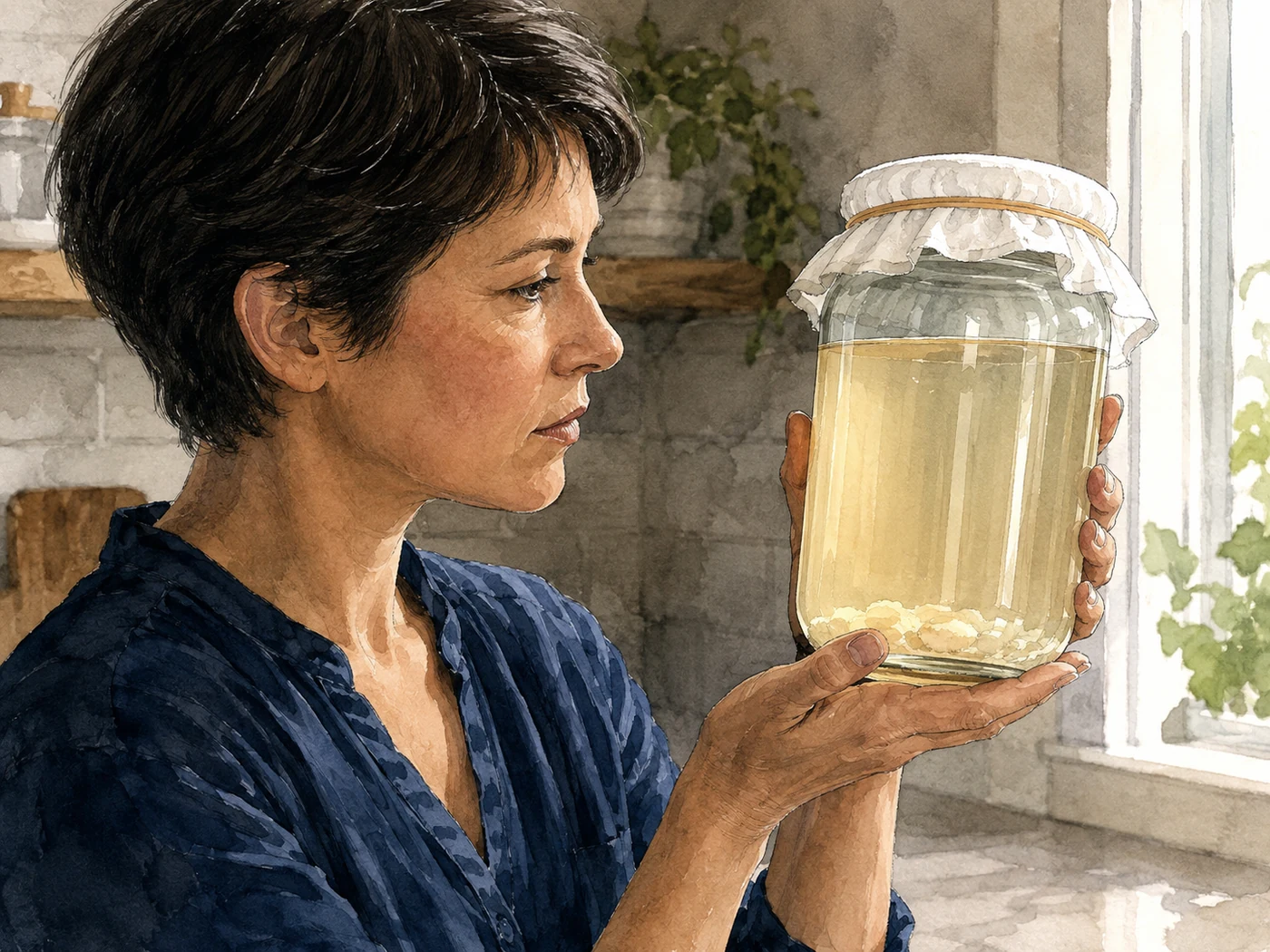 Troubleshooting
Slow, overly sweet, or completely flat?
Find out whether your grains want a mineral boost or your bottle cap just needs a snugger seal.
 Fizz & Alcohol
Does water kefir contain alcohol?
Learn how friendly yeasts make both sparkle and trace alcohol—plus smart bottle habits for effortless fizz.
 Water Quality
Can you use tap water for water kefir?
Boiled tap water, carbon-filtered water, or RO water with a mineral pinch—pick what works best in your kitchen.
 Carbonation
How to get fine, steady fizz without geysers
Balance headspace, sweet fruit additions, and chilling time so bubbles stay right in your glass.
 Fun Experiments
Can water-kefir grains ferment juice or coconut water?
Coconut water makes a delicious special-occasion treat—just give grains a sugar-water rest round afterward.
 Optional Tool
How to use a pH meter for kefir
Curious about acidity numbers? Here is how to use a pH meter as a fun optional helper alongside your taste buds.
 Revival
Activating dried water-kefir grains
Give dehydrated grains two or three gentle sugar-water rounds to plump back up before trying fruity bottling.
 Buying vs. Brewing
Homemade or store-bought kefir?
Compare daily prep time, sweetness control, live cultures, and convenience side by side.
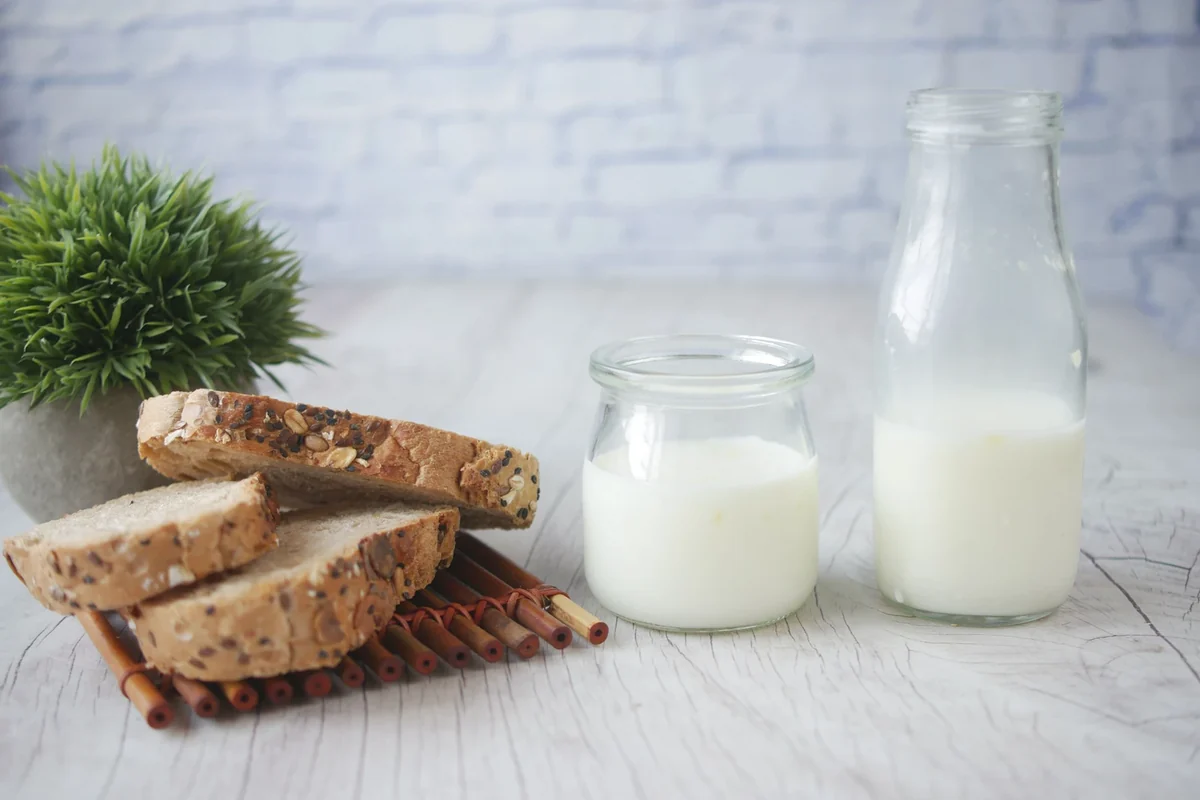 Shelf Life
How long can you keep homemade water kefir?
See how flavours evolve over a few days in the fridge so you catch every bottle right at its crispest peak.
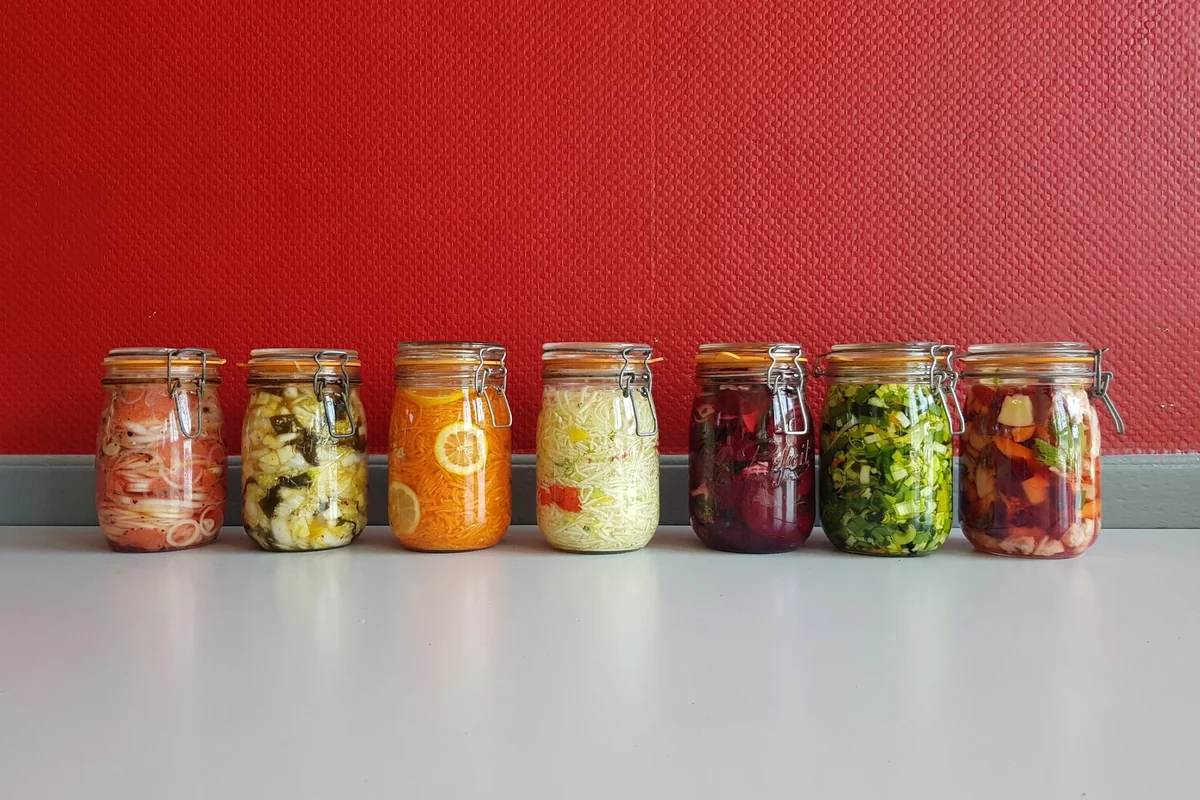 Live Cultures
How many live microbes are in kefir?
See how living water kefir compares to milk kefir, and why natural microbial variety beats giant label numbers.
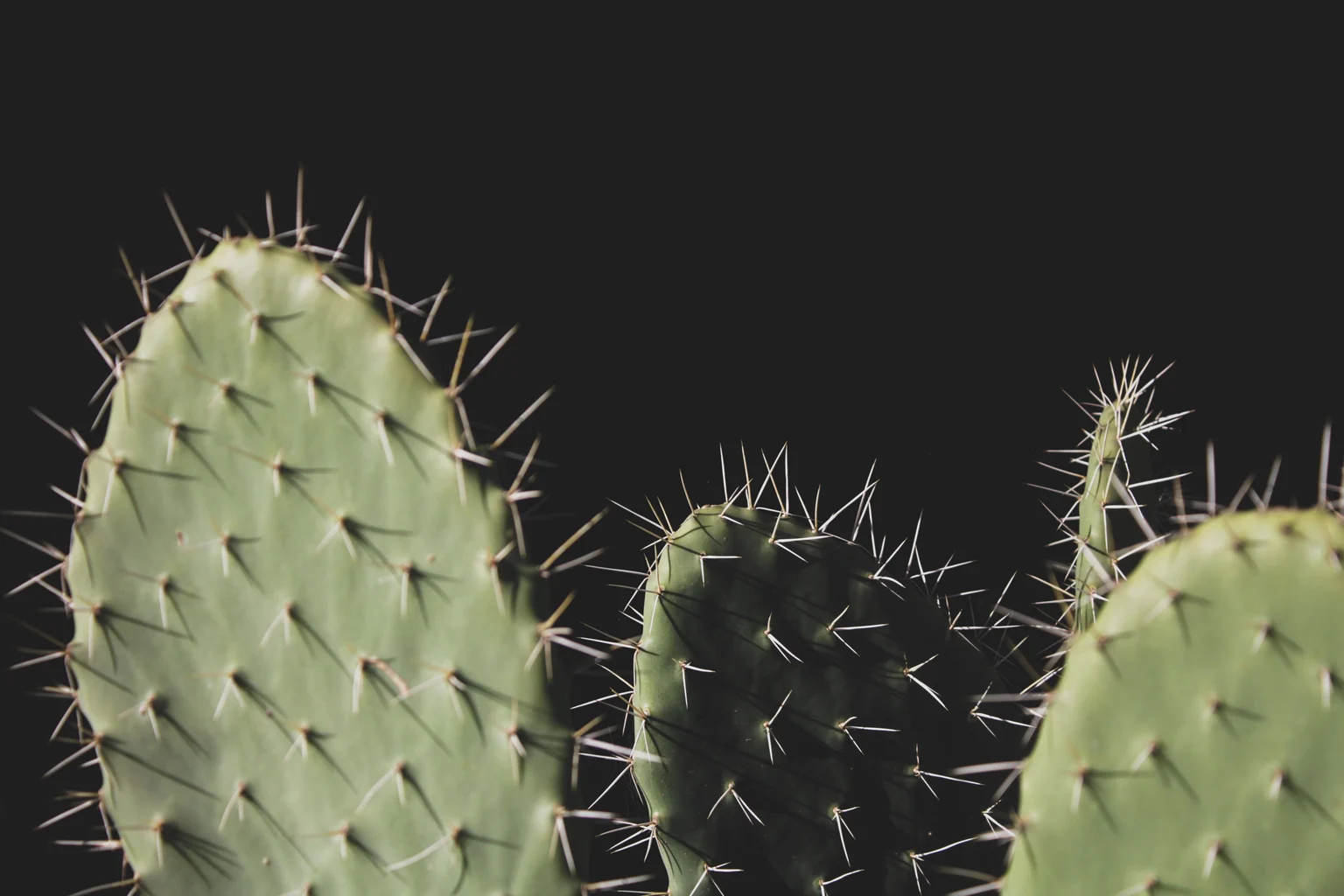 Origin Story
Where did water kefir come from?
From Mexican cactus-linked tibicos to the European ginger-beer plant, explore the fascinating history in your jar.
Water Kefir FAQ
How is water kefir different from kombucha—and does it contain caffeine?
Kombucha brews sweetened tea for 7–14 days, carrying tea caffeine and a sharper vinegary bite. Water kefir cultures mineral-rich sugar water in just 24–48 hours with zero caffeine and a lighter, softer tang—making it a wonderful afternoon or evening refresher.
Why mix raw cane or brown sugar with white sugar instead of using pure white sugar alone?
Water-kefir grains love trace minerals like calcium and magnesium to stay plump and multiply! Pure white sugar has almost none, while 100% dark molasses sugar can feel a bit heavy for daily feeds. Blending mostly white sugar with 10%–20% raw cane sugar (or a tiny pinch of dark brown sugar) keeps grains thriving batch after batch.
Does homemade water kefir contain alcohol?
Yes—friendly yeasts naturally produce tiny trace amounts of alcohol alongside those refreshing bubbles (commonly around 0.2%–0.8% ABV in open first ferments, and sometimes over 1% ABV in sweet sealed fruit ferments). Because home kitchens vary, anyone avoiding all alcohol—such as during pregnancy, for young kids, or for personal or medical reasons—should keep that in mind and pick an alcohol-free drink instead.