
Kefir grain revival
How to activate dried kefir grains
Dried grains need fresh feedings before they can make kefir reliably. The first jar may show little change; replacing its liquid on schedule is part of activation. First check whether you bought actual dried grains or starter powder—the instructions are different.
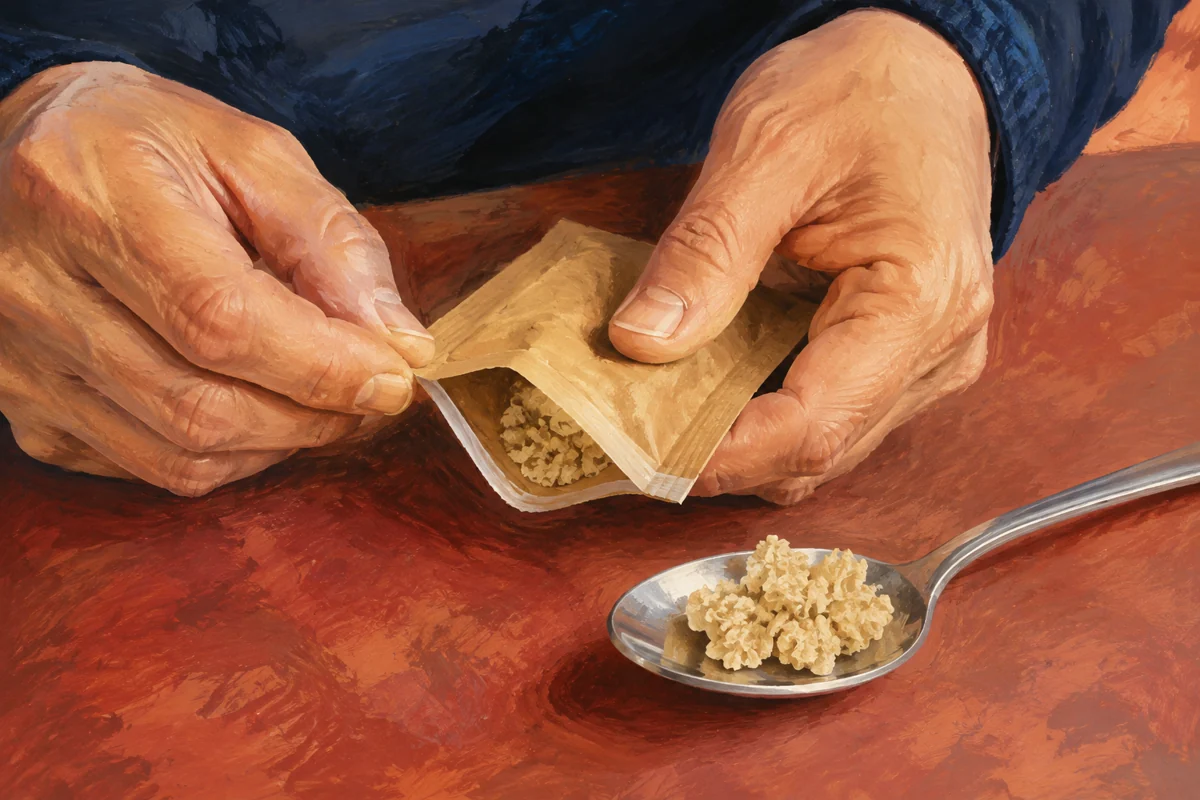
Read the packet before opening it
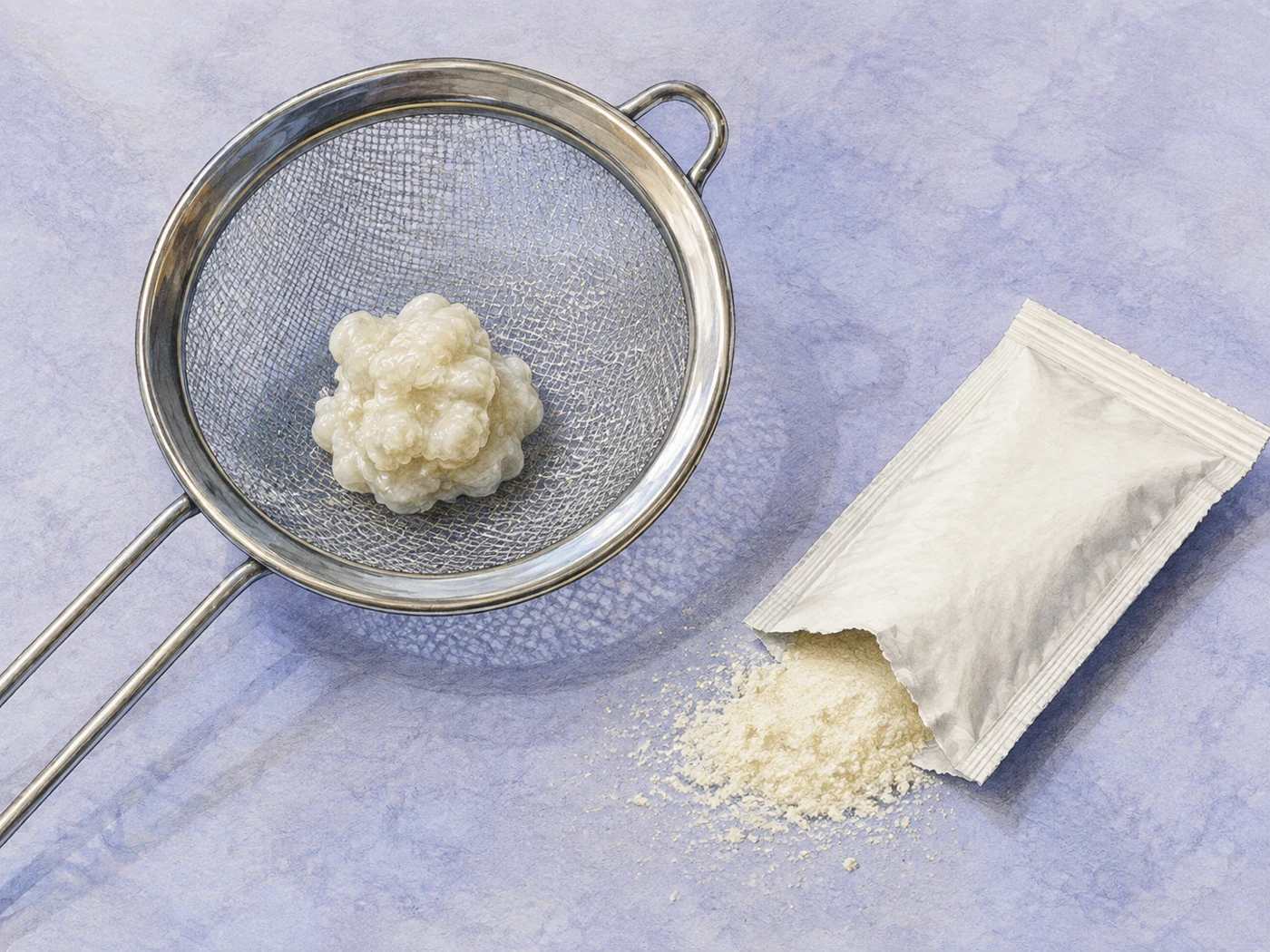
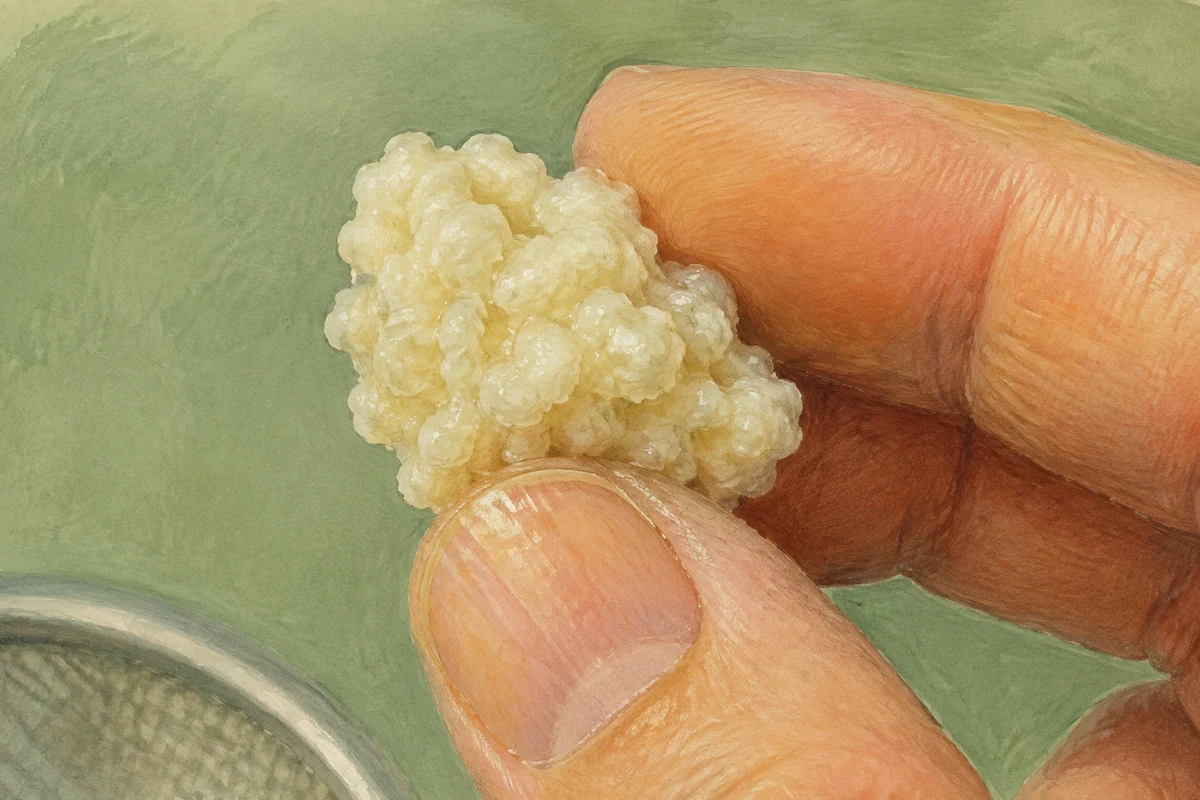
Dried grains are physical pieces that rehydrate into a reusable culture. Direct-set starter powder contains selected microorganisms and is generally mixed into the food; it does not grow into traditional grains. The culture comparison helps identify which you have.
Keep the batch code and the supplier’s instructions for food, amount, temperature, refresh interval and expected revival period. Drying and storage methods vary, so there is no universal first-feeding quantity for every packet.
- Food
- Milk grains or water grains?
- Quantity
- Use this culture’s starting amount.
- Refresh
- Find the interval and temperature.
- When to stop
- Find the full revival window and stopping criteria.
Use the food intended for those grains
Milk-kefir grains usually reactivate in fresh pasteurized dairy milk. Water-kefir grains need their specified sugar-water activation recipe, including required nutrients and process controls. Do not swap these foods or add extra ingredients to encourage faster recovery.
Begin with the instructed small amount and replace it at the stated interval. Discard activation liquid. A recovering culture may not acidify normally yet; leaving the same liquid warm for several days is not a substitute for fresh feedings.
Watch whether the pattern improves
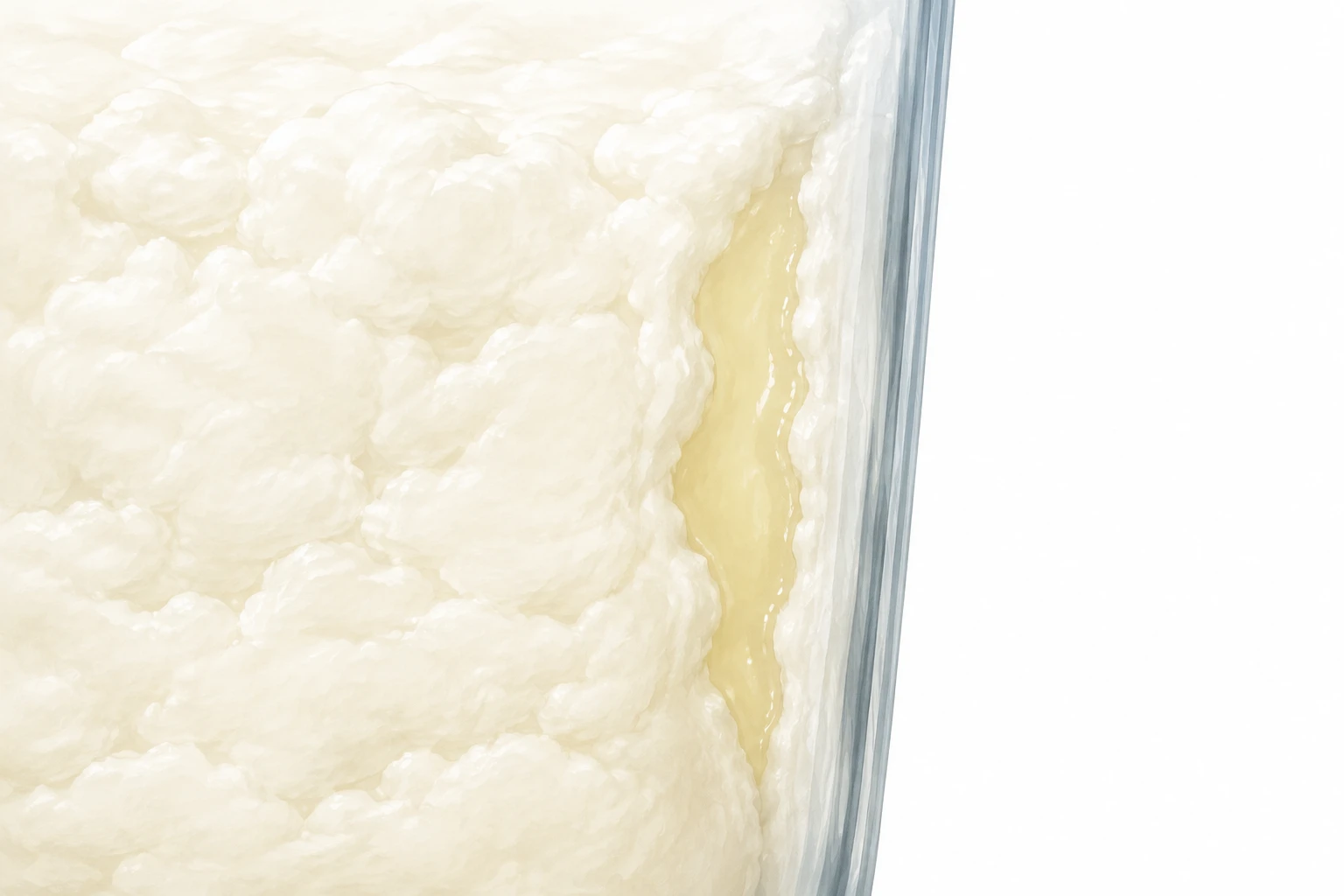
Record the food and volume, temperature, start and refresh times, pH and visible changes. Milk may gradually develop tart aroma and body. Water kefir has different signs and remains liquid. Floating, swelling or a single burst of bubbles does not establish recovery.
The grains swelled, but the liquid barely changed. Are they active?
Rehydration can change appearance before fermentation is dependable. Continue only within the supplier’s activation plan, changing liquid on schedule and discarding it. Before drinking milk kefir, the culture should repeatedly reach pH 4.6 or less within 36 hours under the normal process conditions. Water kefir needs its own verified time and activity checks. Use the journal to compare feedings.
Increase the batch after reliable recovery
When successive fresh feedings meet the normal process checks, increase to the supplier’s next quantity and observe again. Grain growth is not required. The useful result is repeatable fermentation of a measured amount.
If the full instructed revival period ends without improvement, contact the supplier with temperatures, quantities, timings and photographs. Replace a culture that repeatedly fails rather than extending the process indefinitely.
Fuzzy growth, unusual coloured patches, insects or rotten or chemical odour require immediate disposal of the grains and liquid without tasting. A leaking or damaged packet should be documented and reported before use.
Record each feeding · Return to the regular milk-kefir method
What the first few jars can and cannot tell you
How many days does activation take?
There is no universal number. Drying, storage, shipping heat, culture type, food, and temperature all change recovery. Use the seller’s full revival window and repeated performance, not a borrowed day count.
Do floating grains prove they are alive?
No. Trapped gas, hydration, density, and damage all affect where grains sit. Judge whether fresh food acidifies cleanly across repeated feedings.
Can milk grains and water grains use the same revival recipe?
No. Milk-kefir grains are revived in dairy milk; water-kefir grains are revived in a measured sugar-water recipe. Use the instructions for the exact culture you bought.
Research behind this answer
Where to go next


Comments
No comments yet.
Comments could not be loaded.
Join the discussion