
What would you like to figure out?
Estimate the grains for a batch, compare kefir with a probiotic, or work out why your jar looks different today. Choose a question to see where to start.
Milk kefir calculator
Enter milk volume, room temperature and your schedule to estimate a starting quantity of grains.
Open the calculator
Your first week with kefir
Work through choosing and trying kefir, with progress saved in this browser.
Start the seven-day planKefir A–Z
Search a kefir term, browse by theme, or jump directly to the guide that answers your question.
Open the topic directory
Kefir for beginners
Choose a drink, try a serving, and decide whether you want to make your own.
Start with the basicsHealth answer finder
Find the research on lactose intolerance, constipation, blood sugar or gut health.
Find a health answerBatch troubleshooter
Look at the change in your jar, check for discard signs, then find the adjustment that fits. Do not taste a suspect batch.
Solve a batch problemVideo guides
See the technique, with links to the written method.
Watch the methods Fluffy Yeasted Kefir Oladi
Kefir recipes
Find breakfasts, breads, dips, meals and desserts, plus ways to flavour water kefir.
Choose a recipeUse what I have
Choose recipes for milk kefir, water kefir, strained kefir or whey.
Find a useful recipe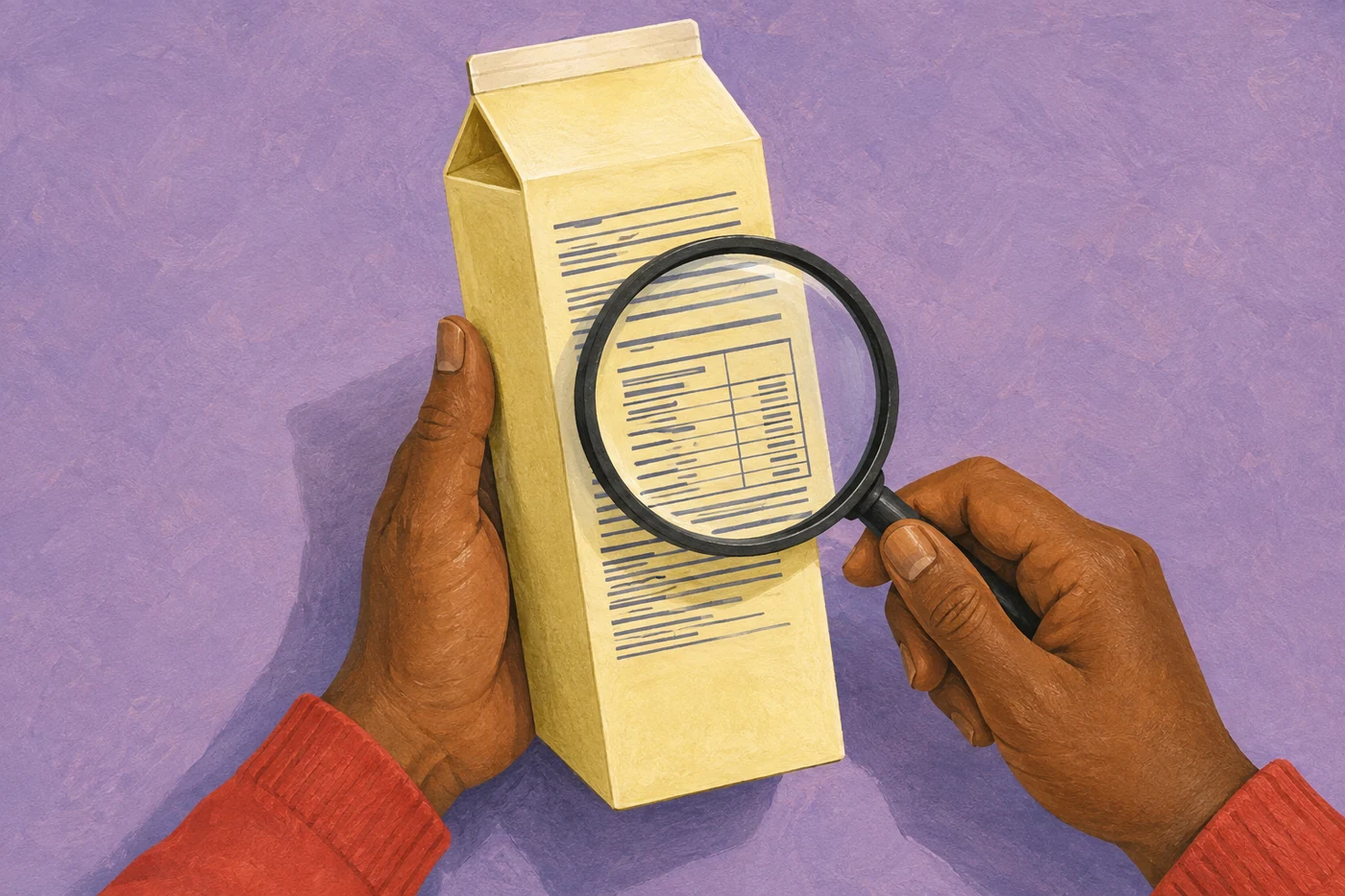
Read a kefir label
Explore an example label: ingredients, cultures, sugar, milk allergens and refrigeration.
Try the label guide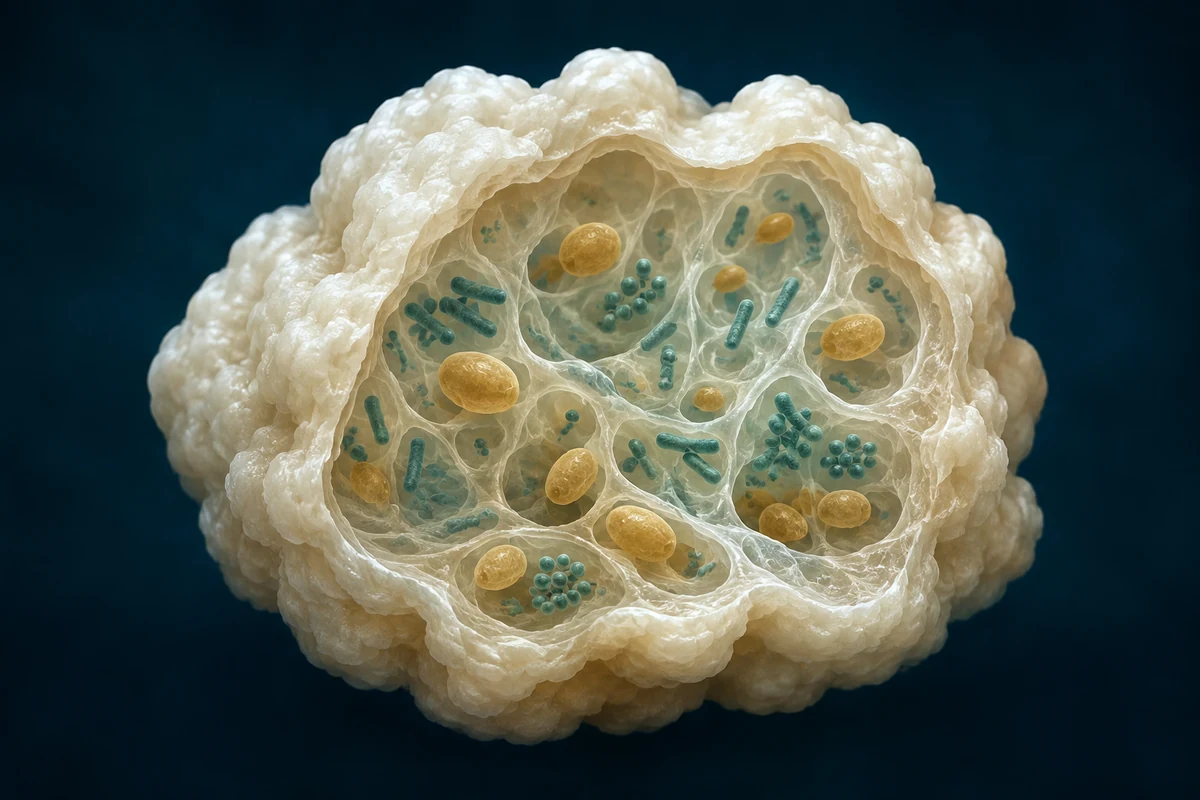
Inside kefir grains
Find out why a kefir grain keeps growing—and why it contains more than one kind of microbe.
Explore the grain communityWhat happens during fermentation?
Follow milk and water kefir from their starting ingredients to a finished drink.
Follow the fermentation
The history of kefir
Trace the North Caucasus tradition, the spread of milk kefir, and the stories whose evidence is less certain.
Explore the history
Kefir soap and skincare
What happens when kefir or whey goes into soap, and what can that tell you about a skincare claim?
Explore kefir craft
The science of kefir
Explore cultures, fermentation, ingredients and the research behind them.
Explore kefir science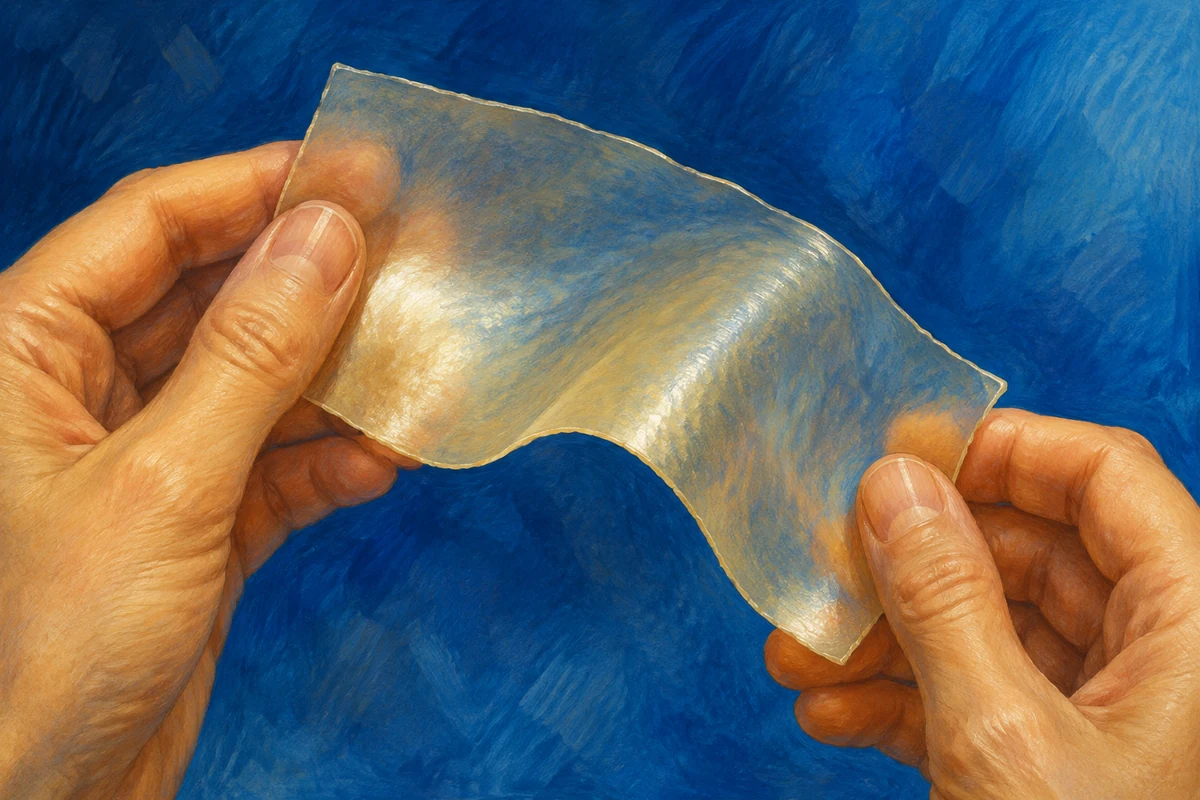
What is kefiran?
Meet the sugar-based material that helps give milk-kefir grains their structure.
Explore kefiran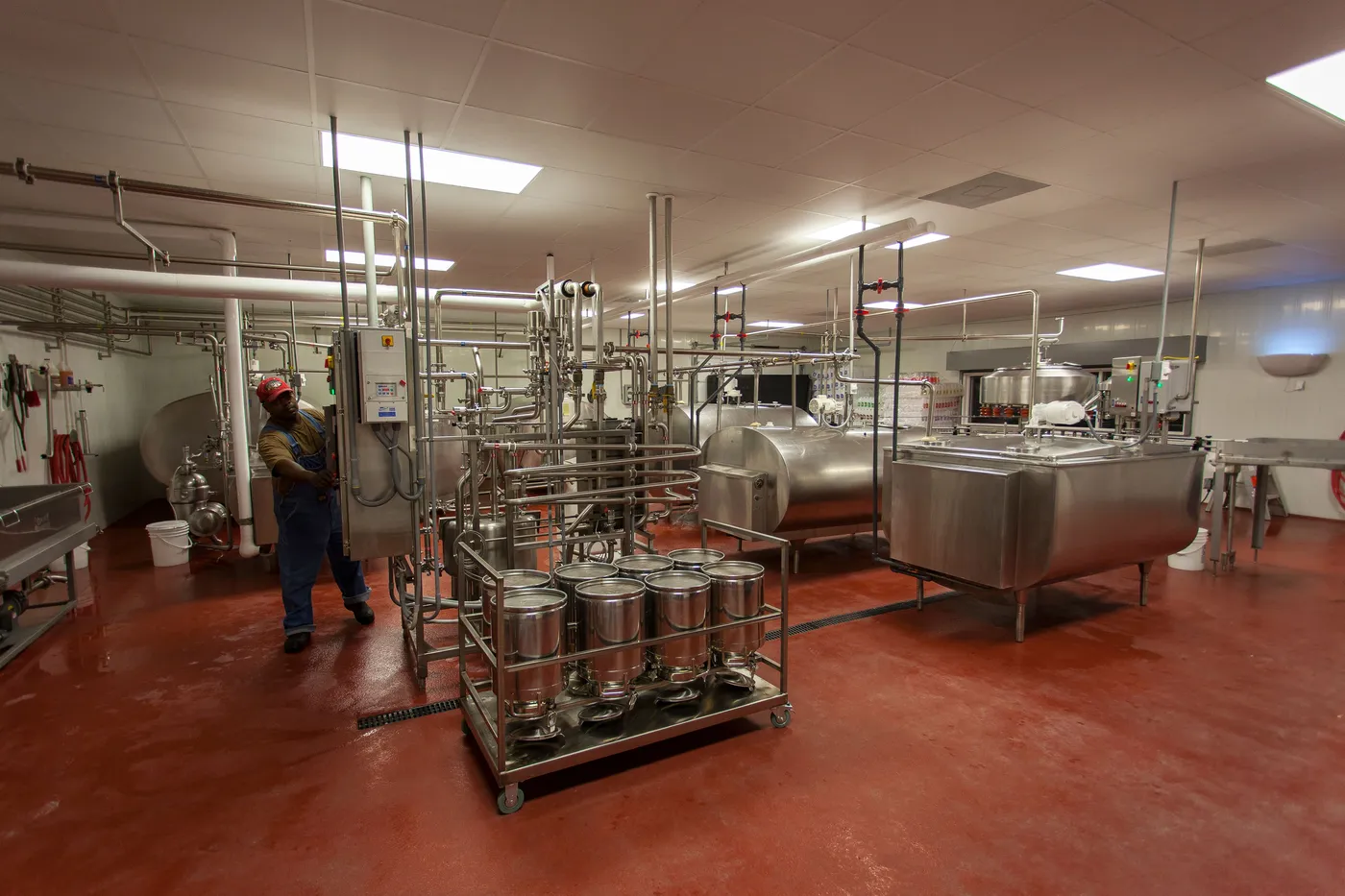
How commercial kefir is made
Follow milk through heating, fermentation, bottling and cold storage.
Follow the production lineQuick answers before you choose a tool
Kefir or probiotic pills?
I want a fermented food I can enjoy regularly. Choose by what you want to eat or drink. Milk kefir is creamy; water kefir is a lighter sugar-water ferment. Their nutrients, cultures and evidence differ. Start with the kind that suits your food preferences and allergies.
I am considering a probiotic for a specific problem. Which strain was studied, and for what? A supplement may supply a named strain at a stated amount. That is useful only when the product matches relevant evidence for the problem you want to address. A large microbe count alone cannot tell you that.
Milk often makes my stomach uncomfortable. Lactose intolerance and milk allergy need different choices. Some people with lactose intolerance digest kefir more easily than milk, but it still contains lactose. Milk allergy concerns milk proteins: milk kefir and lactose-free dairy are both unsuitable. Check that an alternative is explicitly dairy-free and fits your other allergies.
I want to understand the gut-health claims. What benefit are you hoping for? A small human trial found that some people digested milk kefir more easily than milk. Benefits for other gut complaints are less clear. A probiotic needs evidence for its particular strain and purpose.
Find my health question
I have blood, severe pain, vomiting, fever, or unexplained weight loss. These symptoms need assessment. Seek prompt medical care. Severe or worsening pain, heavy bleeding or repeated vomiting may need urgent assessment; do not delay care to try kefir.
Choose a starting amount
This is my first time, or my stomach is sensitive. Try 60–120 ml with food. This is a practical food portion, not a proven treatment dose. Keep it small at first and stop if it makes you unwell.
I already tolerate a small serving comfortably. A 150–250 ml glass is an option. There is no requirement to reach this amount. Choose a portion you enjoy and tolerate.
Kefir repeatedly causes pain or diarrhoea, or I suspect an allergy. Do not push through repeated symptoms. Get medical advice for repeated pain, diarrhoea or suspected allergy. Breathing trouble, sudden swelling of the lips, tongue or throat, or faintness can be an emergency: call for urgent help and follow your prescribed adrenaline plan if you have one.
Check my homemade batch
Fuzzy or colored growth on the surface. Do not stir or taste visible mold. Discard the drink and affected grains. Do not skim off mould or try to rescue the batch. Clean the equipment before restarting with a sound culture.
White curds above pale yellow liquid. Look at the handling history as well as the jar. Curds and whey often separate as fermentation advances. That appearance alone cannot establish safety, and an ordinary smell does not rule out contamination. Check the ingredients, time, temperature and discard signs before deciding what to do.
It is too thin, grainy, or sour. Start with time and temperature. Then check the grain-to-milk ratio and the milk you used. Changing everything at once hides the cause.
The grains were stored and I want to restart. The first batches may be weak or uneven. Follow the milk-grain revival method, including when to discard the early liquid. Do not treat one thickened batch as proof that a stored culture has recovered.