
Making Kefir · Reading the Jar
How Do You Know When Milk Kefir Is Ready? Cling, Whey Pockets & Straining Timing
Fresh milk splashes freely around the glass. Half a day to a day later, tilt that exact same jar gently and the whole batch glides slowly like soft custard, with one or two pale-yellow pockets peeking out along the glass! Learning to read those cozy visual signals beats guessing by the clock every single time.
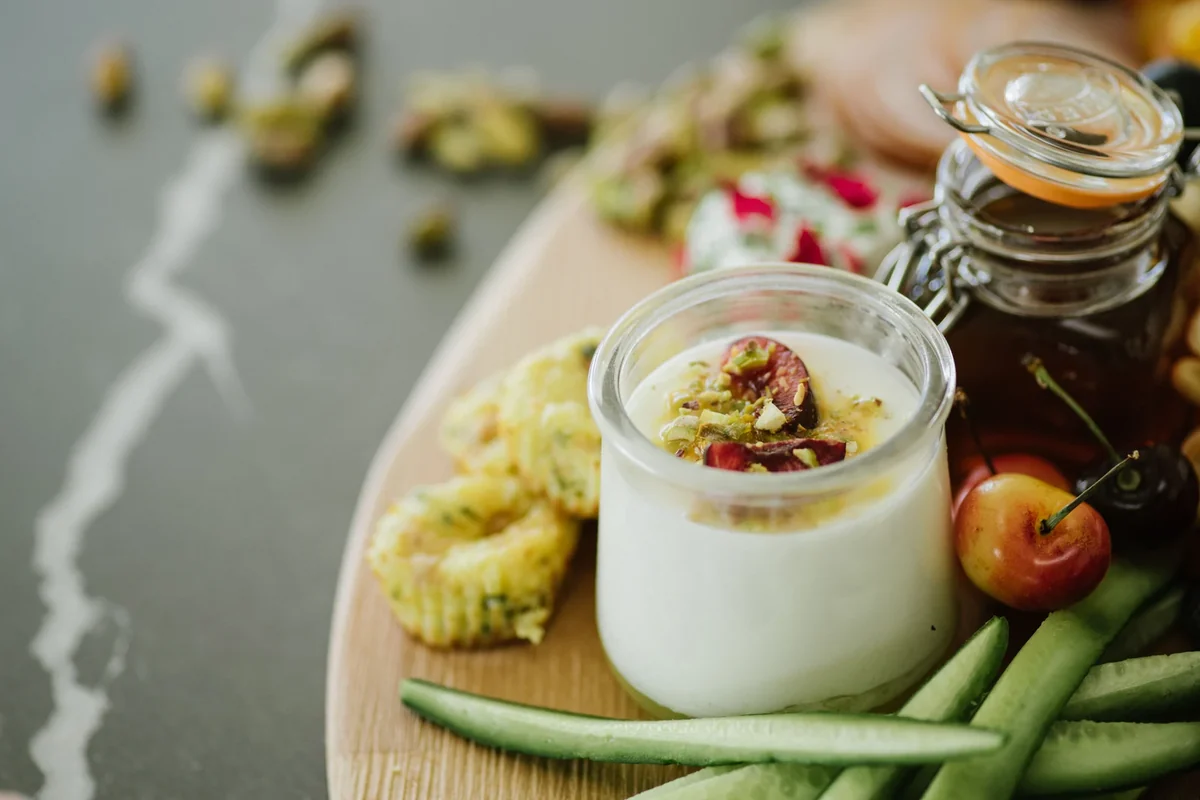
Instead of watching the clock rigidly—especially when a cozy 30°C Taiwan summer kitchen works twice as fast as an 18°C winter room—trust your eyes and nose! Your milk kefir is ready to strain the moment it slowly coats the tilted glass, smells fresh and cleanly tangy like yogurt, and shows its first 1–2 tiny pale-yellow whey pockets along the wall or bottom.
Don’t shake the jar yet: see what is happening inside
A super common morning reflex is picking up the jar and giving it a friendly swirl right away. Wait just five seconds first! Looking before stirring keeps the clearest progress map right in front of your eyes: look first, tilt gently second, spoon last.
Fresh milk pours easily because its natural milk proteins (casein) stay gently floating apart. As your friendly kefir grains turn lactose into mild lactic acid, those proteins naturally link together into a soft, velvety web that hugs water and butterfat—and suddenly your milk coats the glass and wobbles softly when tilted!
Leave the grains working a bit longer and that gentle net tightens slightly, coaxing out small pockets of clear, pale-golden liquid along the glass called whey pockets. Spotting them is wonderful news—it is your jar saying, “Strain me now for silky perfection, or give me longer if you love a zippier tang!”
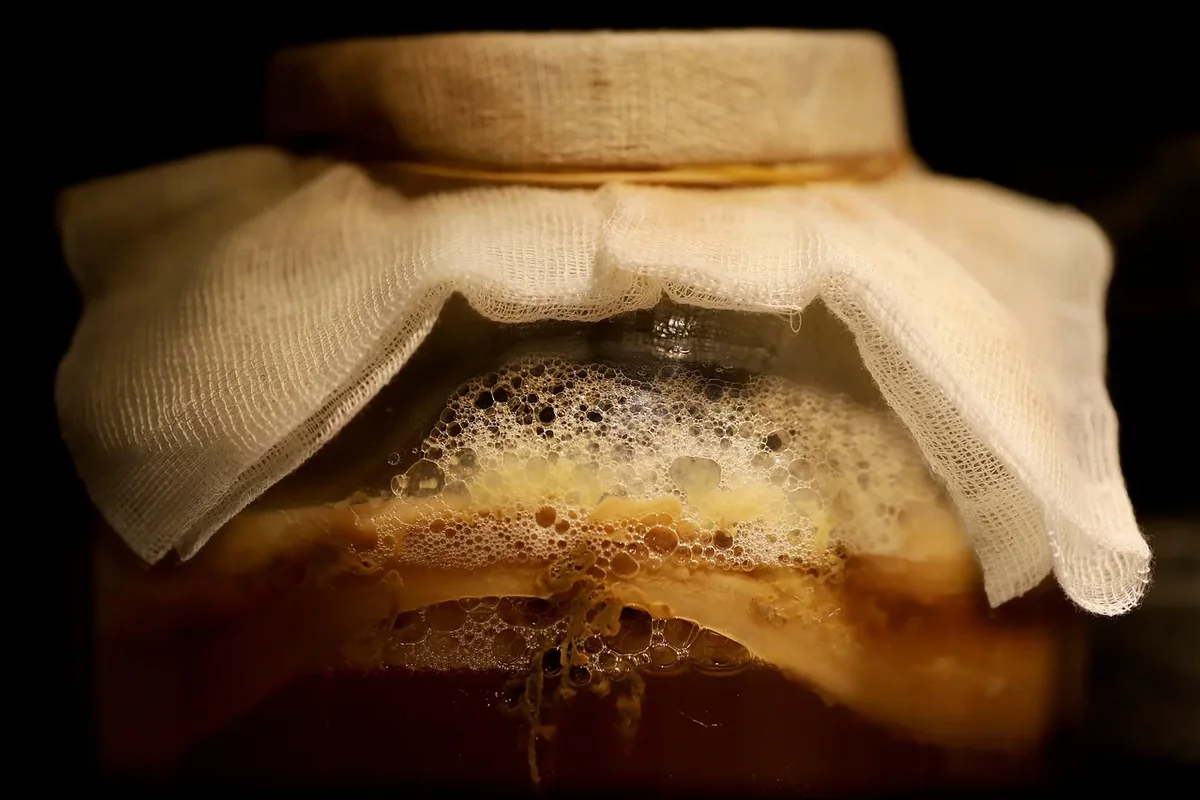
The 30-second top-to-bottom scan
Reading a kefir jar is a bit like checking fresh bread out of the oven—one quick glance across all four spots tells you the whole cozy story before you even grab a spoon.
4-Zone Milk Kefir Jar Map: Surface to Bottom
Peek at zones 1 through 4 before stirring so you can strain right at your favorite flavor and texture.
Two common beginner surprises worth knowing right away:
- Floating grains do not mean “done” yet: Friendly yeasts often release tiny carbon dioxide bubbles early on, lifting your grains right up to the surface like little lifejackets—sometimes six hours in! Wait until the milk itself thickens and smells cleanly tangy.
- Low-fat milk looks lighter than whole milk: Whole milk builds dramatic thick sheets along the glass, while skim or low-fat milk can taste bright, tangy, and completely cultured while pouring much looser. Dip a clean spoon once if you want a closer taste check (never double-dip back into the jar!).
Watch · Straining & Texture Reference
Straining Milk Kefir Grains — NW Ferments, Inc. Get Fermented
Watch how cultured milk kefir flows gently through a mesh sieve and how to coax creamy curds off your grains without mashing them.
“Why is my jar separating like this?” — a totally normal sight
Almost every home maker walks into the kitchen on a warm afternoon and discovers thick white curds resting happily over a pool of golden whey! On Reddit’s r/Kefir community, photos of this exact moment pop up weekly—and almost every time, warm weather or growing grains simply sped things up a bit.
Trust your senses alongside clean kitchen habits
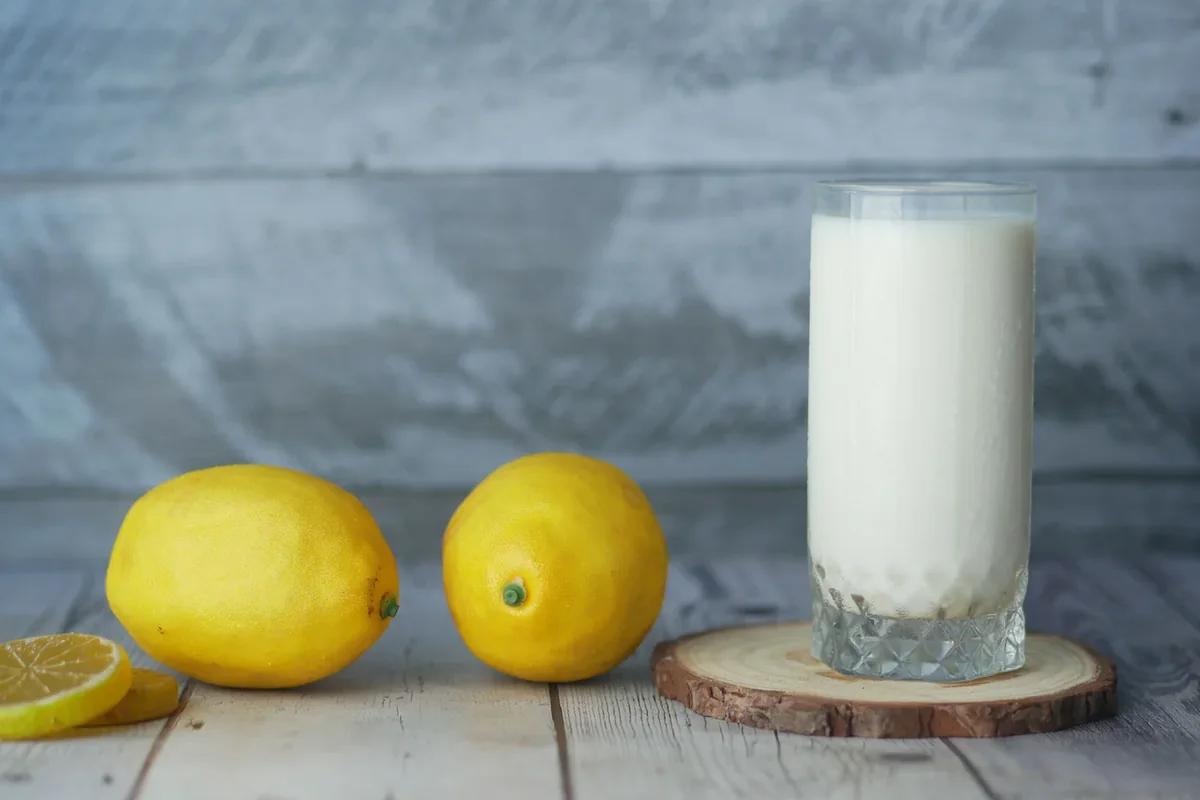
People have read kefir jars by sight, smell, and taste for generations—and once you do three or four batches, it feels completely second nature! Start every batch with fresh pasteurized milk and a sparkling clean jar, then trust your senses when you open the cover: healthy kefir smells cleanly tangy like fresh yogurt and looks creamy white or pale ivory. On the rare chance you ever spot fuzzy mold, bright pink, orange, green, or black patches, or smell something clearly rotten, simply discard that batch cleanly and start fresh (check our kefir safety guide anytime you want reassurance).
Find your favorite sweet spot in three jars
Every kitchen’s temperature, milk brand, and grain balance creates its own lovely rhythm. Jot three quick notes over three batches in our kefir fermentation journal:
- Setup: kitchen warmth near the jar, grain spoonful/weight, and milk amount.
- Jar cues when strained: e.g., “slow wall cling, two tiny yellow pockets, fresh yogurt aroma.”
- Morning-after taste: try a spoonful after chilling overnight, when texture turns silky and flavors mellow!
If your jar keeps separating while you are out for the day, never stress—visit our temperature and grain ratio guide to reduce your grains slightly and line the finish right up with your favorite hour.
Frequently asked questions about reading a kefir jar
Do I have to wait for whey pockets before straining milk kefir?
Not at all! Whey pockets signal classic bright tang, while straining slightly earlier—as soon as the milk coats the tilted glass smoothly and smells freshly yogurt-tangy—gives you a milder, silkier sip.
My kitchen hits 30°C in summer and kefir separates in under 12 hours—is that normal?
Totally normal! In warm summer kitchens (28–33°C), your grains work faster. Just use a little less grain (roughly half your cool-weather amount), pour a little extra milk, or check your jar around 10–14 hours for creamy perfection.
All my kefir grains floated to the top—does that mean it’s finished?
Not by itself! Natural bubbles cling to bumpy grains and float them upward early on, sometimes within 6–8 hours. Look for creamy glass-wall cling and a fresh tangy scent before straining.
My jar already split into thick white curds and a wide yellow layer. Is it ruined?
Not ruined one bit! If it smells cleanly tangy with zero mold, it simply fermented past peak smoothness. Gently strain out the grains, blend the curds and whey into smoothies or savory salad dressings, or drain in the fridge for thick kefir cheese.
Do I need a pH meter to tell when my milk kefir is ready?
Not at all! Your eyes, nose, and a gentle tilt of the jar are everything you need for delicious everyday kefir. If you enjoy using a pH meter as a fun extra kitchen gadget, pair its numbers with looking and smelling the jar for the best results.