
Milk kefir finishing
Should milk kefir ferment a second time?
Milk kefir can be strained, chilled and drunk without a second fermentation. For vanilla, cinnamon or fruit flavour, start with a small refrigerated portion. Extra warm fermentation may make the drink more acidic or build bottle pressure; it does not reliably make every batch smoother or healthier.
Decide what you want to change
If the goal is aroma, add flavour to the finished cold drink. If you want a thicker texture, first compare the milk and finish point. Continuing fermentation can increase acidity and separation as well as change flavour.
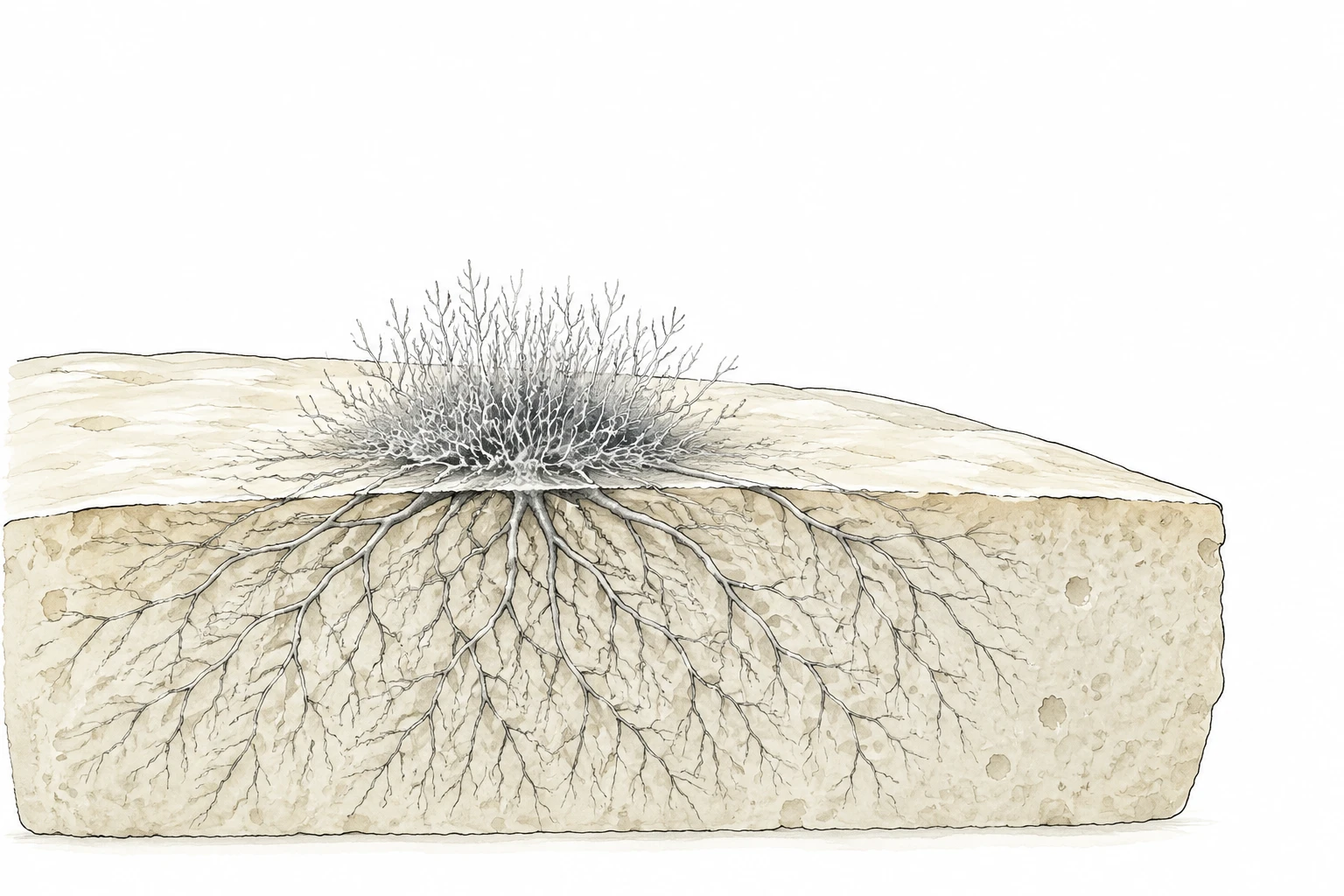
Strained kefir still contains bacteria and yeasts. Removing the grains does not sterilize it, and added sugar or fruit can support more fermentation.
Keep flavours out of the reusable grain jar
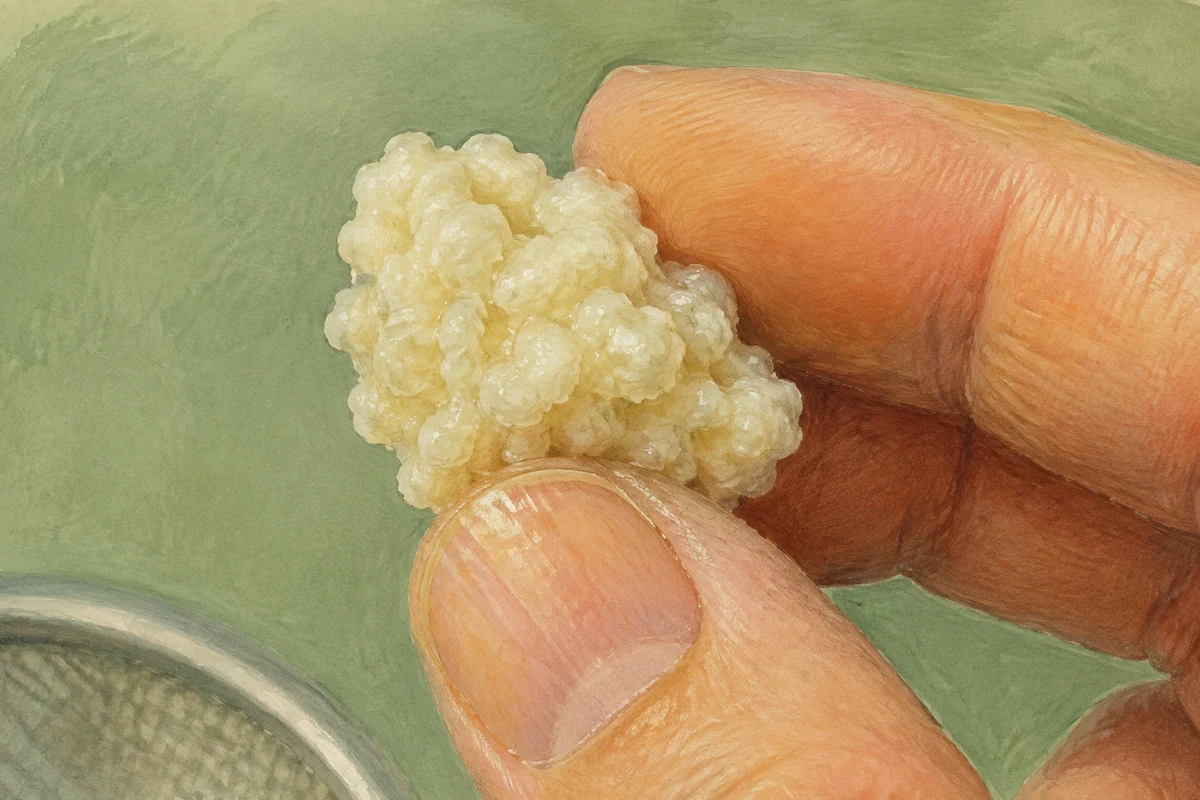
Finish the primary batch with its normal time, acidity and handling checks. Strain the grains and put them into fresh pasteurized milk or their planned storage method. Add flavour only to a separate portion of finished kefir so fruit pieces and other ingredients do not become part of the parent culture.
Compare two chilled portions
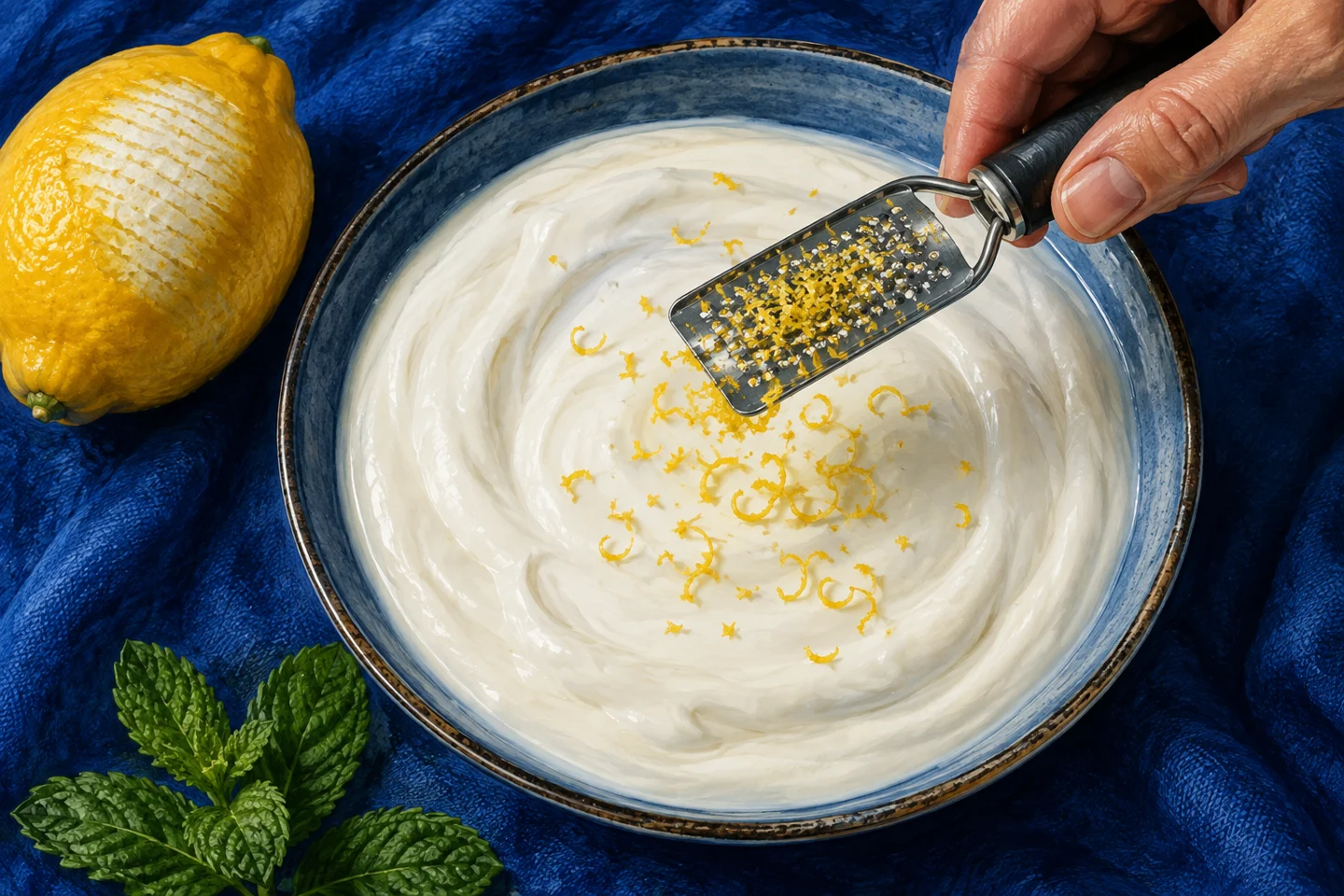
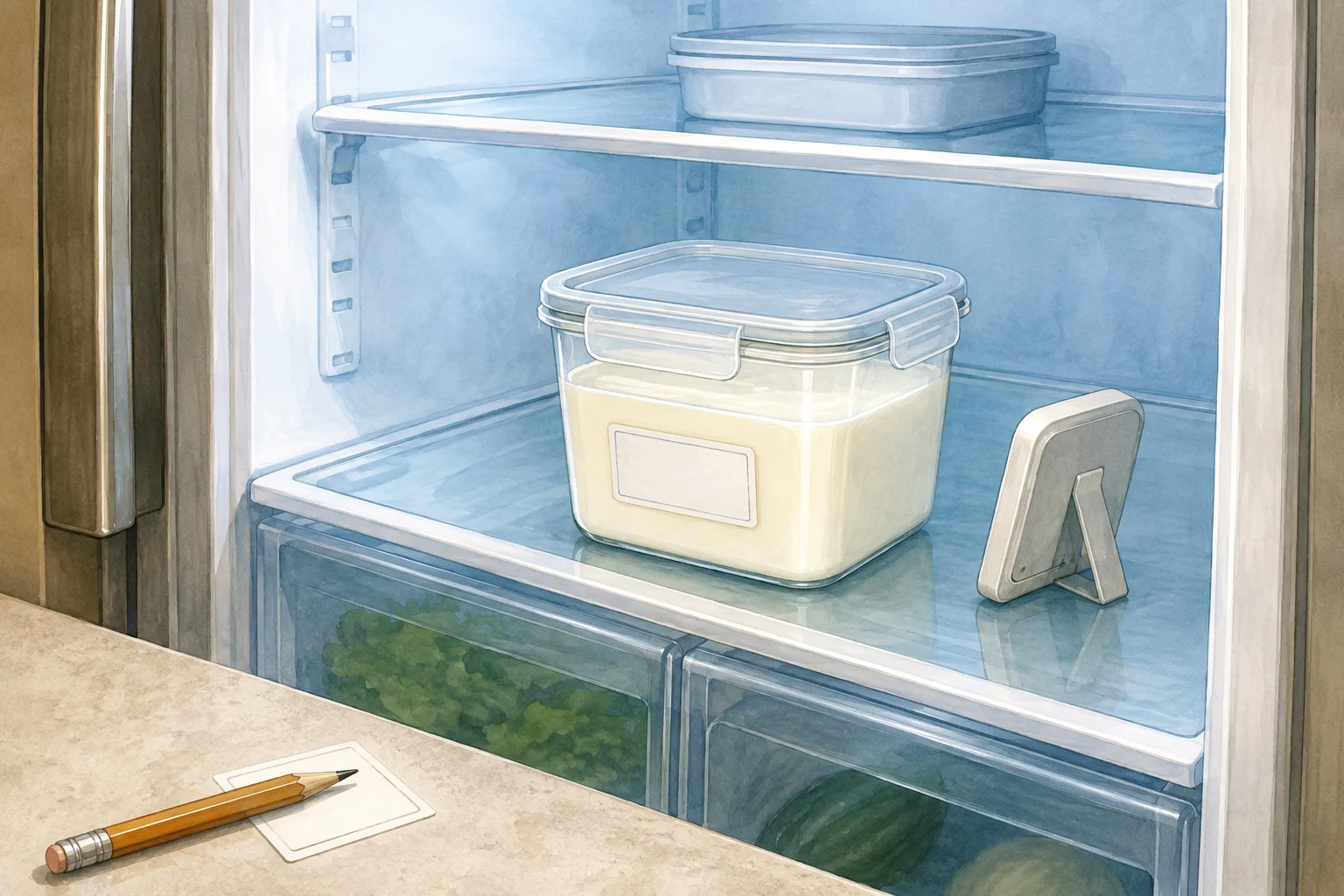
Keep one portion plain. Add a measured amount of vanilla, cinnamon, washed citrus zest or sound prepared fruit to the other. Refrigerate in a clean covered food-grade container at 4°C or colder. Use clean utensils to take a serving, and remove solid ingredients when the flavour suits you.
A fresh serving is a useful place to adjust the flavour. If you want a complete recipe rather than an infusion, the smoothie guide offers combinations and texture adjustments. Flavour only what you will use soon; additions do not reset the original batch’s storage history.
Will another fermentation remove all the lactose?
No household second stage guarantees that. It also leaves milk proteins in place, so it cannot make the drink suitable for milk allergy. The lactose guide explains the difference between improved tolerance and a lactose-free product.
Warm sealed fermentation needs a separate method
A pressure-rated bottle is necessary but not sufficient. A verified method must match the drink and equipment and specify additions, fill, temperature, time and pressure controls. Do not improvise a warm sealed stage because the previous batch tasted mild.
Without that complete method, stay with refrigerated flavouring. Cold slows further fermentation; it does not remove alcohol already made or guarantee no gas production. A damaged bottle or suspected extreme pressure needs the manufacturer’s safe handling advice, not an attempt to taste the drink.
Judge what the extra step actually improved
Compare the plain and flavoured portions cold. Keep the addition if you prefer it; there is no need to continue fermenting for a stronger sourness you do not enjoy. A second stage cannot rescue a failed or contaminated primary batch.
Pick one of these three routes
- 1I want aroma
Add one measured flavour to strained kefir and infuse it in the refrigerator.
- 2I want a rounder cold drink
Chill the plain kefir first, then compare a lightly flavoured portion.
- 3I want bubbles
Use a complete verified carbonation method matched to the drink and pressure-rated bottle.
A damaged or pressurized bottle is an equipment problem
A bulging lid, leaking seal, crack, chip, or visibly distorted container means do not handle it casually or taste the contents. Keep people away and follow the container maker’s safe disposal guidance. Next time, use sound pressure-rated equipment or the refrigerated route.
What a second ferment changes—and what it cannot
Does every milk kefir need a second fermentation?
No. A well-finished primary kefir can be strained, chilled, and enjoyed immediately. Use a second stage only for a result you can name.
Can I leave the grains in with fruit?
Keep fruit out of the reusable grain jar. Remove the grains first, then flavour the finished drink so the parent culture stays clean and predictable.
Will second fermentation remove all lactose?
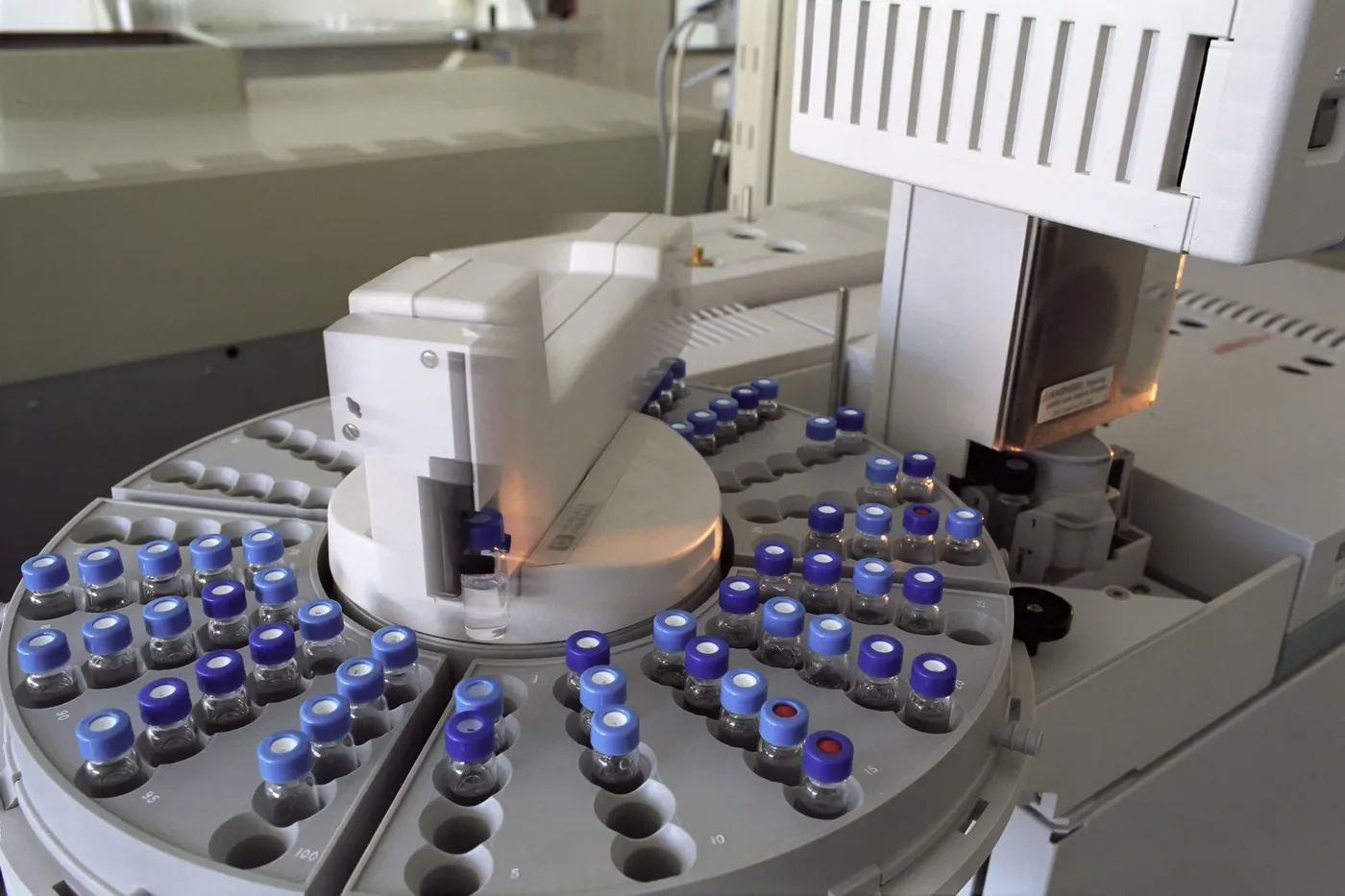
No household process can promise zero lactose without testing that exact batch. It also does not remove milk proteins, so the drink remains unsuitable for milk allergy.
Research behind this answer
Where to go next



Comments
No comments yet.
Comments could not be loaded.
Join the discussion