
Water kefir safety
Does water kefir contain alcohol?
Yes, homemade water kefir contains alcohol. Yeast makes ethanol and carbon dioxide from sugar, and the amount changes from batch to batch. If you need zero alcohol, choose a tested product that meets that limit or a non-fermented drink. If you want homemade fizz, treat the bottle as a pressure vessel and accept that gas and some alcohol are made together.
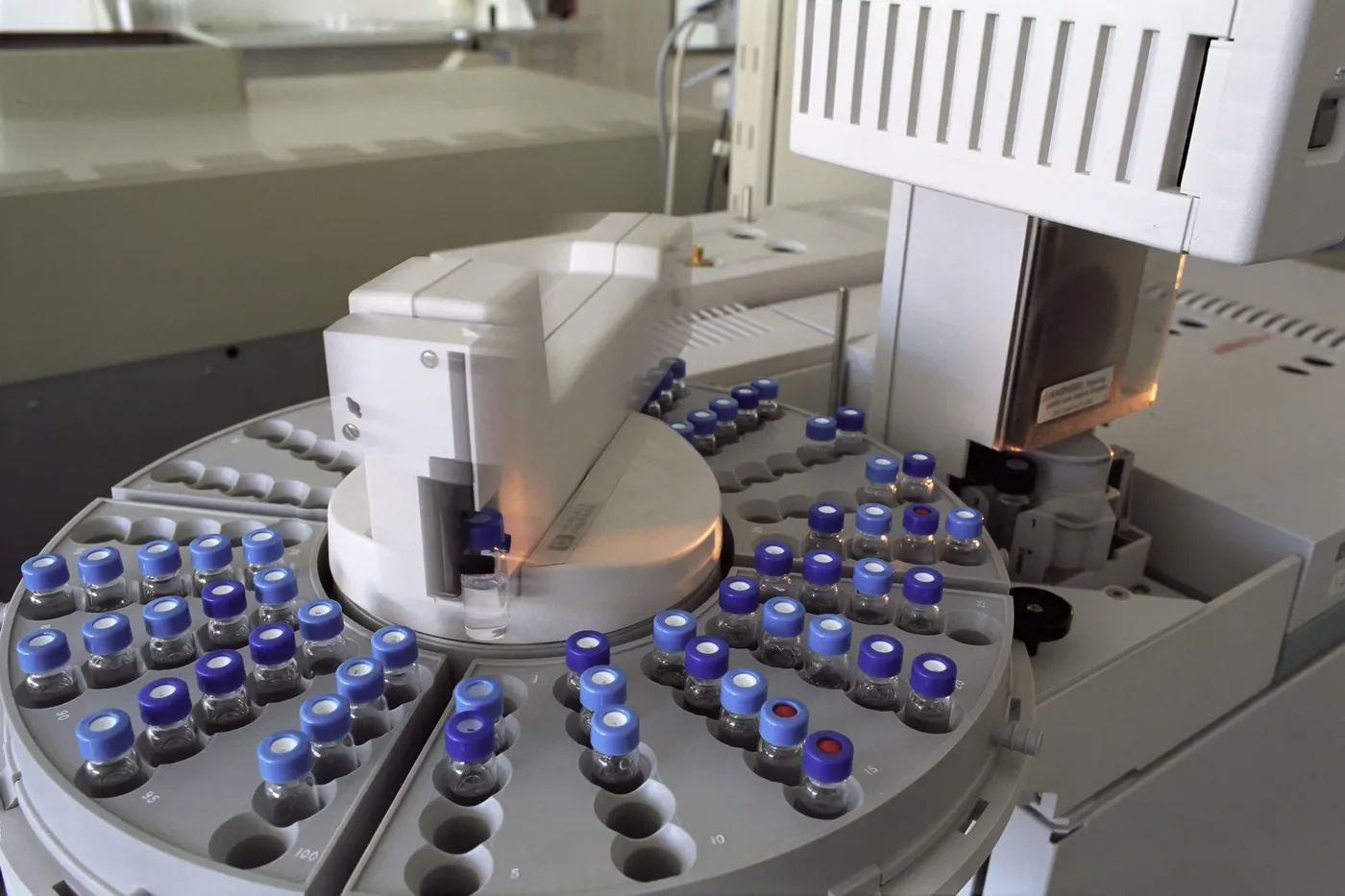
Why the alcohol level varies
Yeasts convert fermentable sugars into ethanol and carbon dioxide. Other members of the water-kefir community also change the fermentation products; some bacteria can produce ethanol and others consume it. The result depends on the culture, recipe, temperature, oxygen and time.
A 2025 controlled study illustrates that variation. After 48 hours, two water-kefir preparations contained different ethanol concentrations:
| Studied preparation | Alcohol by volume after 48 hours |
|---|---|
| WK001 | 0.7% ABV |
| WK018 | 2.0% ABV |
These are measurements from those preparations, not the minimum and maximum for homemade water kefir. The paper measured fermentation chemistry, not a safe drinking amount. The difference is why copying its 48-hour duration cannot predict the alcohol in your jar.
Taste cannot tell you the percentage
A sweet drink can contain alcohol while some sugar remains. Sourness reflects acids, and fizz reflects gas retained in the container. None of them measures ethanol. A food pH meter cannot measure alcohol either.
If I refrigerate it immediately, will it become alcohol-free?
No. Cold slows further fermentation but does not remove ethanol already present. Cold flavouring avoids an extra warm stage; it does not establish zero alcohol. For complete avoidance, choose an unfermented drink or a product tested to meet your required limit.
Decide whether homemade water kefir fits your situation
Untested home batches are unsuitable when alcohol must be avoided, including during pregnancy and for young children. Medication, alcohol recovery, religious practice and driving can also make an unknown amount unacceptable. Do not rely on a shorter timer or lack of an alcoholic taste to establish suitability.
Gas creates a separate equipment risk
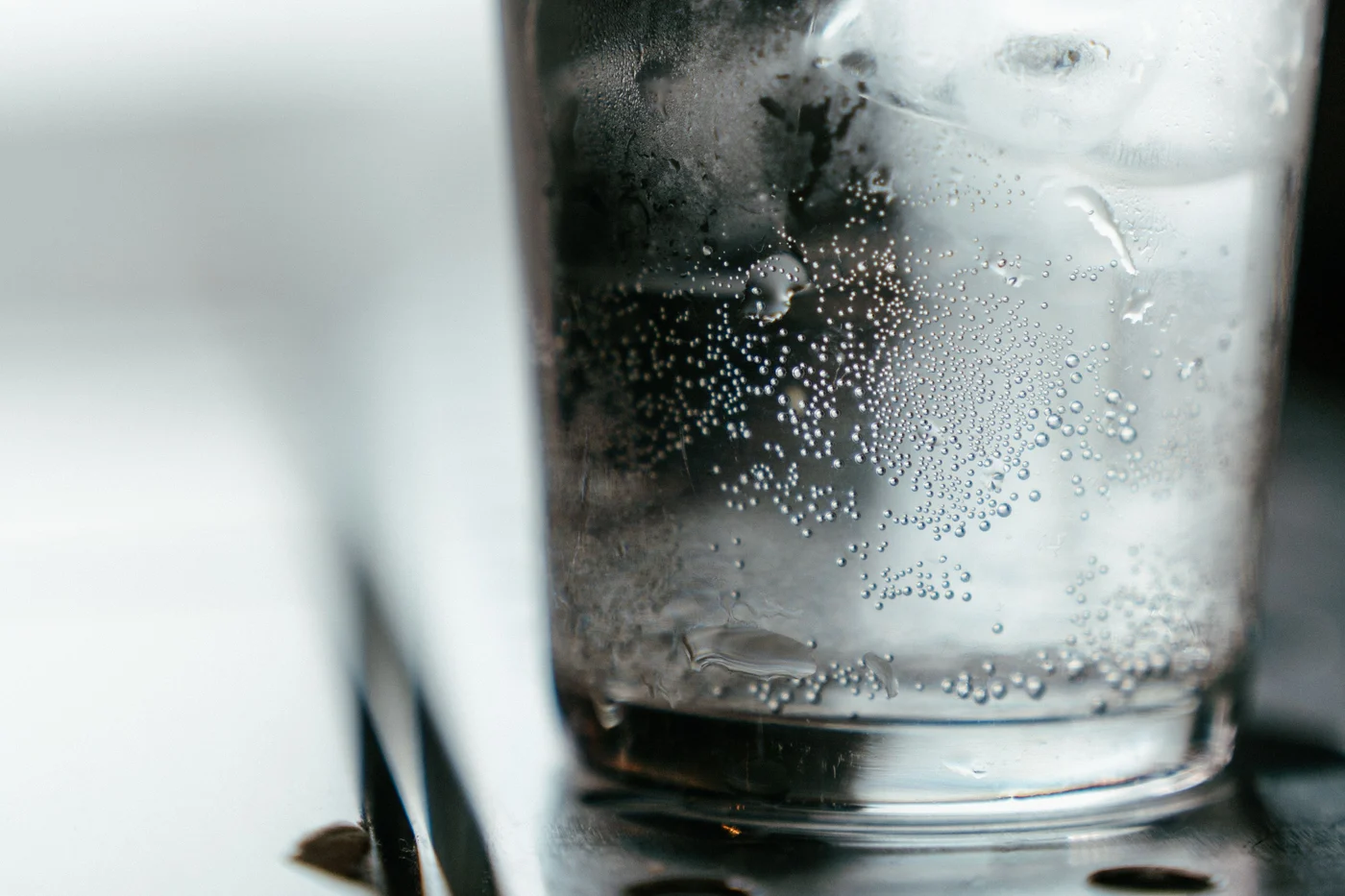
Glass can accumulate pressure without visibly swelling. Extra sugar, fruit, warmth or time can increase gas production. Use only sound, pressure-rated equipment with a complete verified carbonation method covering fill, additions, temperature, timing and pressure control. Otherwise choose the refrigerated, still-drink route described in the carbonation guide.
For a sound bottle with normal pressure, chill fully, keep upright, do not shake and open slowly over a sink, away from faces. A leaking seal, distorted cap, chip, crack or suspected extreme pressure changes the response: keep people away and follow the maker’s safe handling or disposal instructions. Do not casually carry or open damaged glass.
Choose flavour without assuming zero alcohol
A properly made plain first ferment can be enjoyed cold and still. If you want fruit flavour, add it after straining under refrigeration. Keep the alcohol distinction with either choice: still and cold are serving conditions, not alcohol test results.
Label the bottle with the decision
- 1Still
Strained first ferment; refrigerate and drink cold.
- 2Cold-flavoured
Add measured flavour under refrigeration with no warm sealed stage.
- 3Carbonated
A complete verified method matched to sound pressure-rated equipment.
- 4Zero-alcohol need
Choose a suitable tested product or non-fermented drink.
Questions that a home bottle cannot answer by itself
Does refrigeration remove alcohol?
No. Cold slows further fermentation but does not remove ethanol already produced.
Can homemade water kefir affect a breath test?
Yes. A 2025 study found positive breath-test results after participants drank 300 millilitres of a high-alcohol water kefir. Do not drive based on an assumption that homemade kefir is alcohol-free.
Does less sugar guarantee less alcohol?
No. Sugar matters, but the culture, oxygen, temperature, time, fruit, and bottle stage also change the result.
Research behind this answer
Where to go next
Comments
No comments yet.
Comments could not be loaded.
Join the discussion