
Water kefir experiments
Can water kefir ferment juice or coconut water?
Adding juice to finished water kefir is much easier than growing the grains in juice. For flavour, strain a properly made batch and add a measured amount of pasteurized juice or coconut water under refrigeration. Direct fermentation in a new base needs its own verified method.
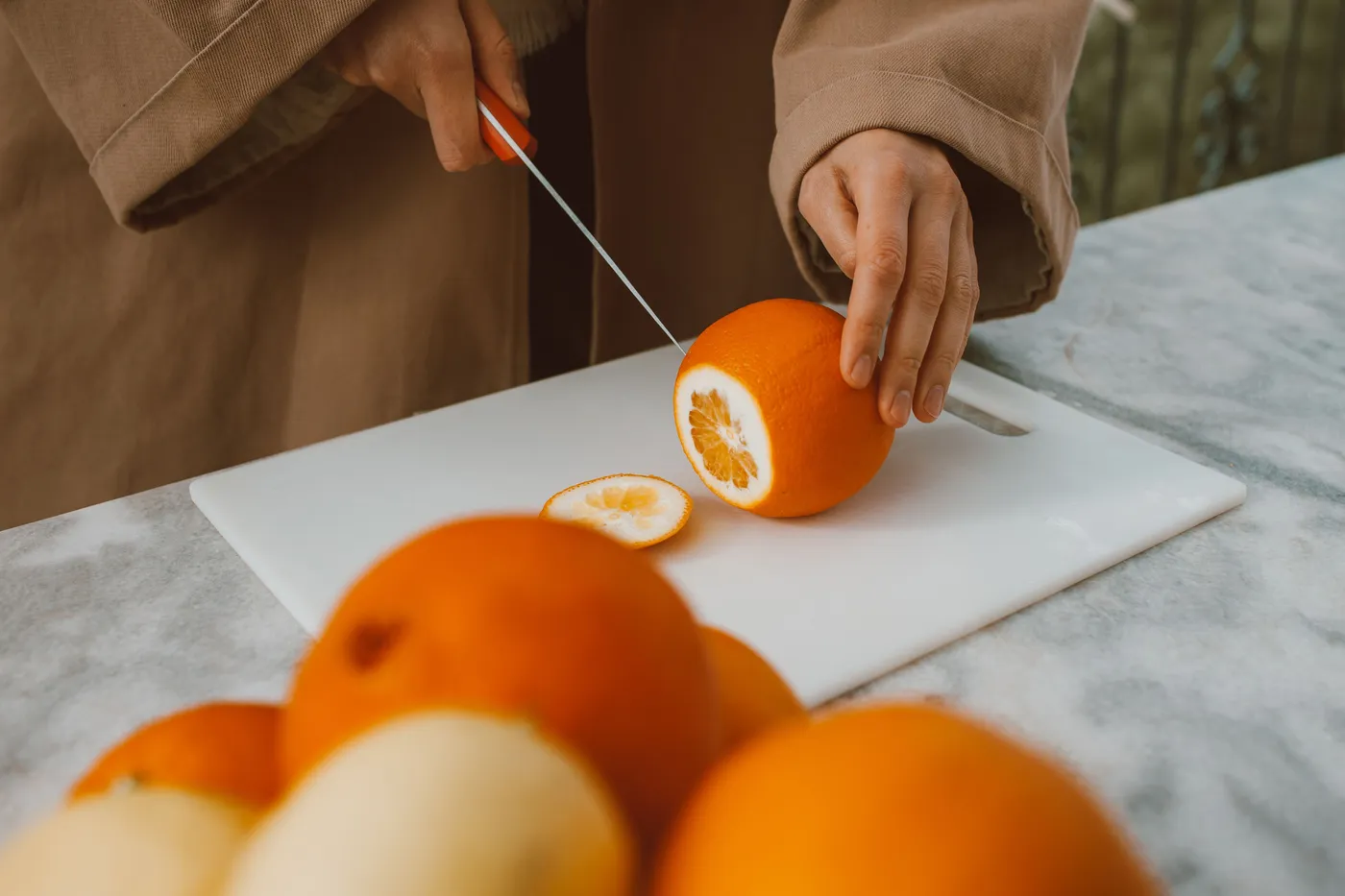
Two different ways to use juice
In cold flavouring, grains are removed from completed water kefir before juice is added. The grains continue in their established recipe. The strained liquid still contains microbes, so refrigeration slows further fermentation rather than stopping it.
Putting grains directly into juice changes their whole feed: sugar, acid, minerals, other nutrients and sometimes preservatives. Research has fermented different juices with water-kefir grains, but success with one preparation does not establish a safe recipe for another.
Choose a pasteurized product and read the label
For the simpler cold method, use pasteurized juice or coconut water. Record the brand and added amount so you can repeat a flavour you like. Sugar, added sweeteners, preservatives and dilution vary between products.
Coconut water is the liquid inside a coconut, not coconut milk made from its flesh. Neither is nutritionally interchangeable with dairy kefir. Some vegetable and fruit juices start with relatively little acidity; their name or colour cannot establish a safe fermentation process.
One coconut, two different ingredients
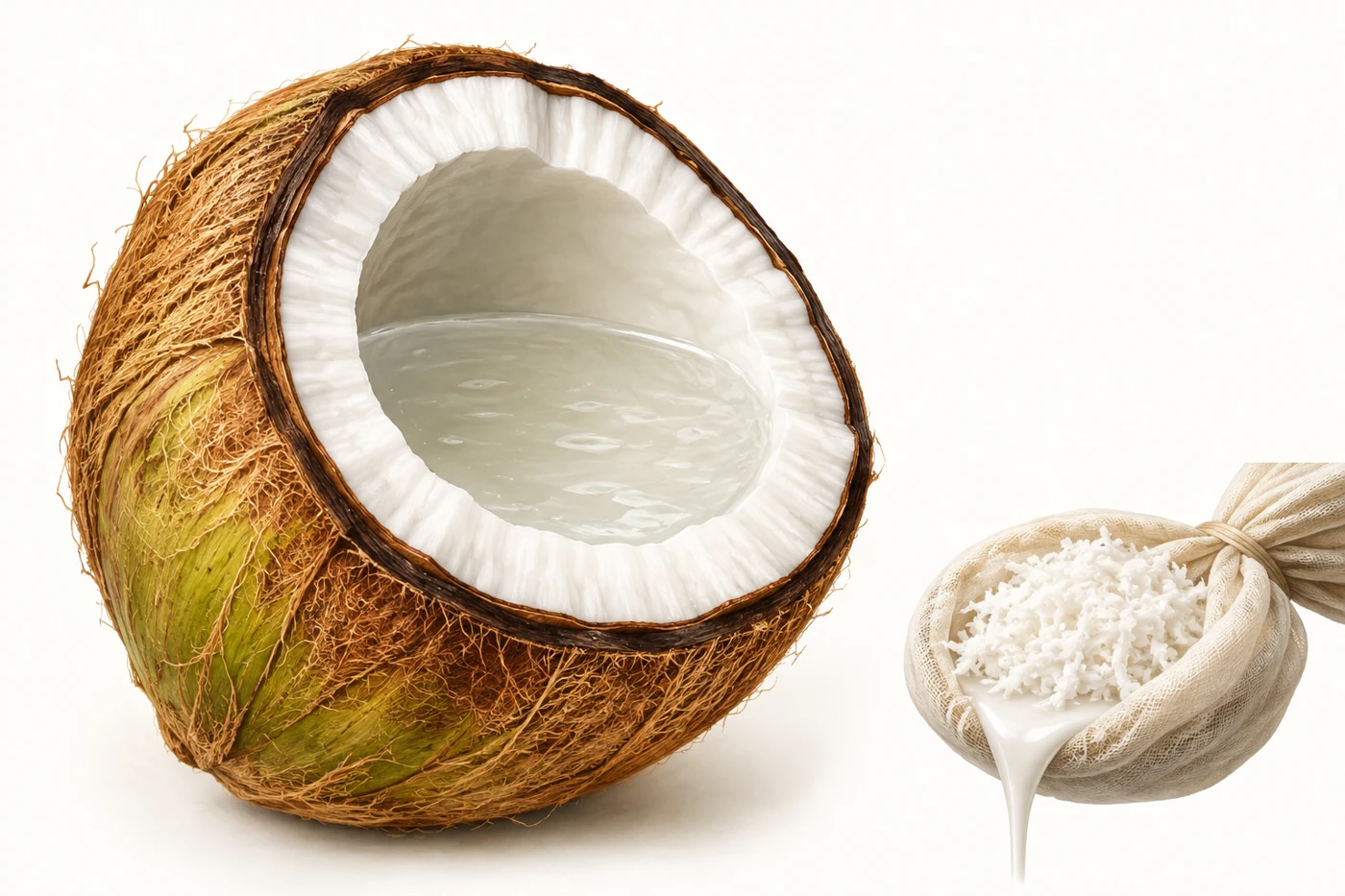
- Inside the cavity: coconut water
The liquid naturally held inside the fruit.
- White lining: coconut flesh
Coconut milk comes from the flesh. Grating, adding water and pressing is one common method.
- Extracted emulsion: coconut milk
Fat from the flesh disperses in water. This is different from the liquid that was in the cavity.
When choosing an ingredient, check its contents and processing. Coconut water and coconut milk are not direct substitutes in a fermentation recipe.
Compare the flavour while it is cold
Split a properly finished, chilled batch into two small clean containers. Leave one plain and add a measured small amount of juice to the other. Keep both refrigerated at 4°C or colder and compare a serving from each using clean utensils. Adjust the next serving rather than repeatedly sweetening the main container.
The flavour guide helps choose combinations. A covered refrigerated drink can still ferment and accumulate gas, so use appropriate food-grade containers and sound handling.
Can I put spare grains straight into coconut water?
Only with a verified method for that substrate, including heat treatment, starting acidity, ingredients, time and endpoint checks. Keep the experimental grains separate. Small batch size protects your parent culture from loss; it does not by itself make the drink safe. Do not taste an unvalidated or failed experiment.
Added sweetness also feeds fermentation
Juice can supply more fermentable sugar. In a sealed warm bottle, gas and alcohol can increase along with it. Do not copy a warm duration from a different drink. Use a complete method matched to pressure-rated equipment, or keep the refrigerated flavouring route.
Damaged glass or suspected extreme pressure needs the bottle maker’s safe handling advice; do not casually open or move it. Mould, coloured growth or rotten odour means disposal without tasting. For complete alcohol avoidance, see why an untested homemade batch is unsuitable.
The questions that decide which route to use
Which juice is easiest for a beginner?
Use a small measured amount of pasteurized, preservative-free juice after the grains are removed. This is easier to repeat than putting grains directly into full-strength juice.
Can I use fresh fruit instead of juice?
Yes in the finished drink. Use sound washed fruit, keep the batch small, remove pieces when the flavour is ready, refrigerate promptly, and expect pressure to rise if the bottle is sealed.
Is fruit water kefir alcohol-free?
No household batch can be assumed alcohol-free. Yeast can produce alcohol whenever fermentable sugar is present, especially during a warm sealed ferment. If zero alcohol is required, choose a suitable tested commercial product or a non-fermented drink.
Research behind this answer
Where to go next

Comments
No comments yet.
Comments could not be loaded.
Join the discussion