
Water kefir ingredients
Can you use tap water for water kefir?
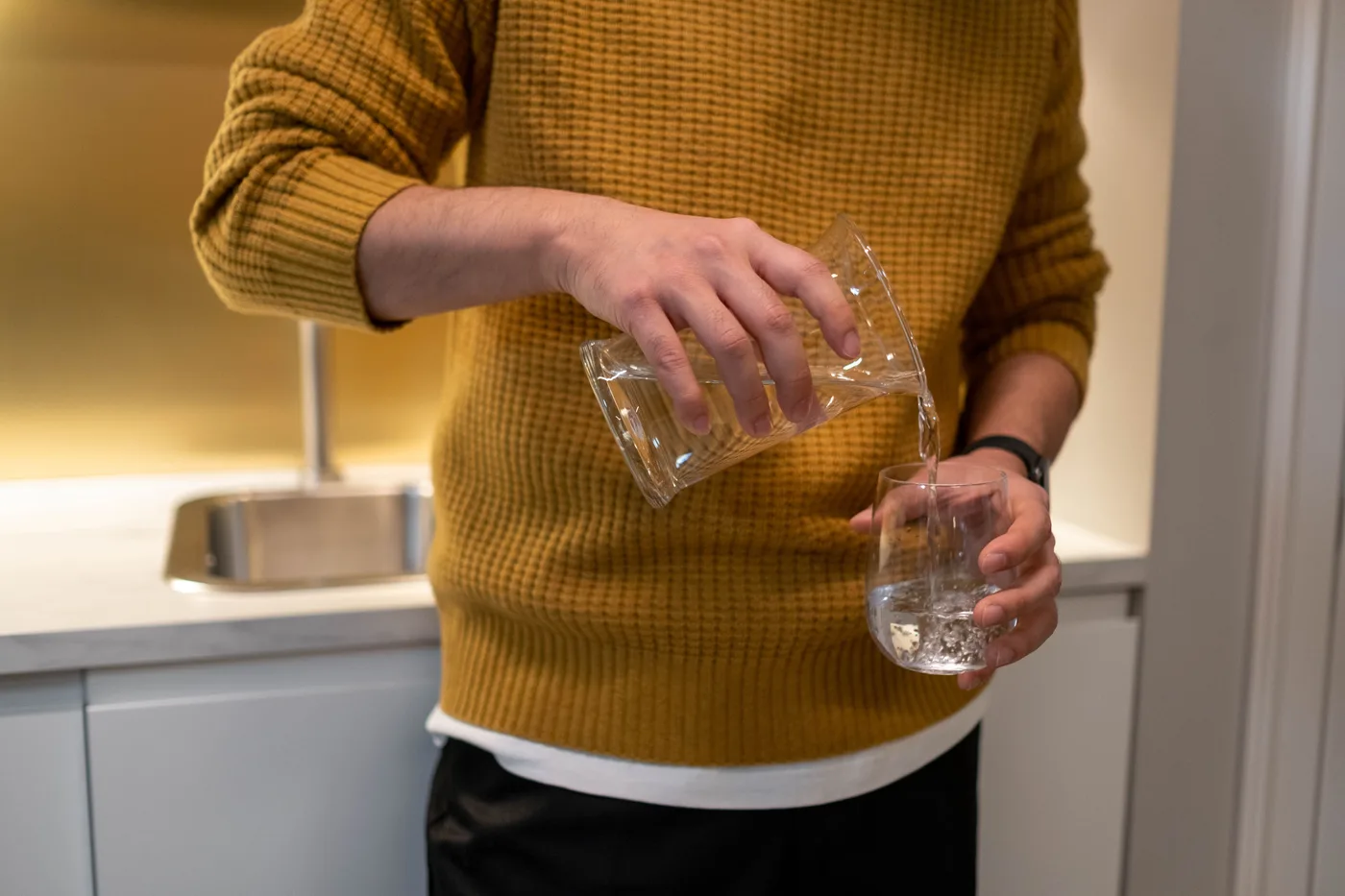
Yes, you can use tap water for water kefir when the water is safe to drink and your grains ferment reliably in it. The word tap is not the deciding factor. Chlorine, chloramine, mineral content, a building tank, household pipes, and a water softener can make two taps behave very differently. Test your actual water instead of accepting a universal rule.
Start with drinking-water safety
Tap water can work when it is safe to drink and supports your established water-kefir recipe. The treatment plant is only part of that answer: building tanks, pipes, household filters and storage containers also affect the water you use.
Follow local drinking-water advisories. If the source is uncertain, use a dependable bottled or correctly treated drinking-water supply. Fermentation cannot remove chemical contamination or make an unsafe supply safe.
Standing overnight does not solve every disinfectant
Free chlorine can dissipate, but chloramine is more persistent. The US EPA explains that boiling does not remove monochloramine. Leaving a jug out overnight is not a reliable chloramine treatment either.
Check the utility’s treatment information and the filter’s specific reduction claims. A filter rated for chlorine taste and odour is not automatically rated for chloramine. Use drinking-water equipment within its flow-rate and cartridge-life instructions; aquarium water treatments are not food ingredients.
Before changing your water
The disinfectant decides which shortcut works.
Check its current water-quality information. If it is unclear, ask the supplier.
Free chlorine
Can dissipate over time
Letting water stand can reduce chlorine taste and odour. It is not a guaranteed removal timetable.
Chloramine
More persistent in water
Standing overnight or boiling is not a reliable way to remove it.
Using a filter?
Match the reduction claim to the disinfectant.“Chlorine taste and odour” does not establish chloramine removal. Check the exact model’s claim and instructions.
Use safe drinking water and the same measured kefir recipe. Changing minerals at the same time makes the result harder to interpret.
See how water and minerals affect the ferment →Water-provider guidance: Seattle: chlorine · Tulsa: chloramine · EPA: removal methods
Minerals change fermentation, not just taste
Calcium and the water’s resistance to pH change affect grain growth and fermentation products. Research on repeated water-kefir batches found that low calcium or buffering could gradually reduce grain growth. That does not establish a universal mineral dose for every recipe.
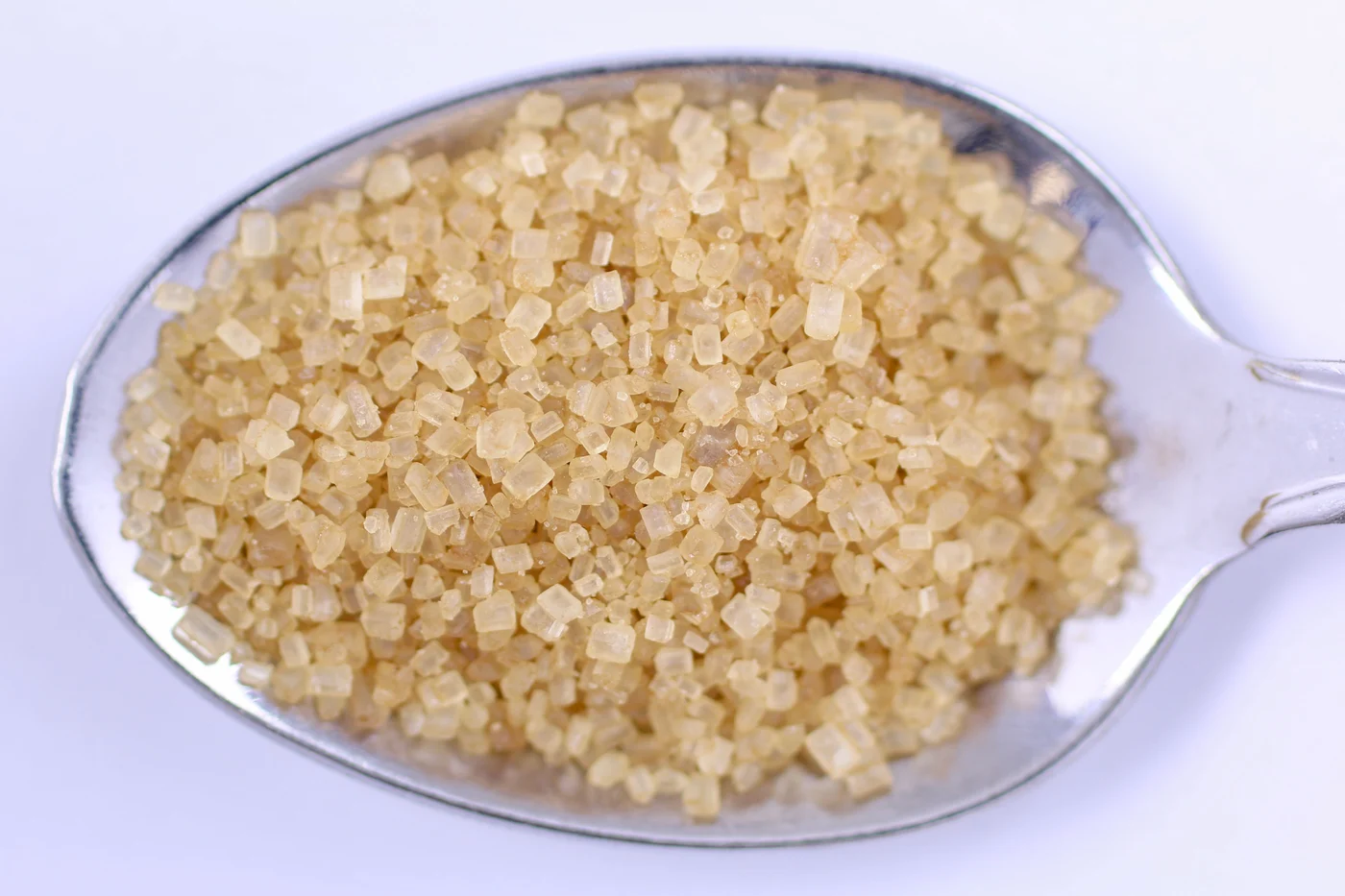
A softener often exchanges calcium and magnesium for sodium. Distillation and reverse osmosis remove much of the mineral content. These processes do different things, so “filtered” does not describe one kind of water. Use a recipe designed for the actual supply, including any specified nutrient source.
Compare two suitable water sources
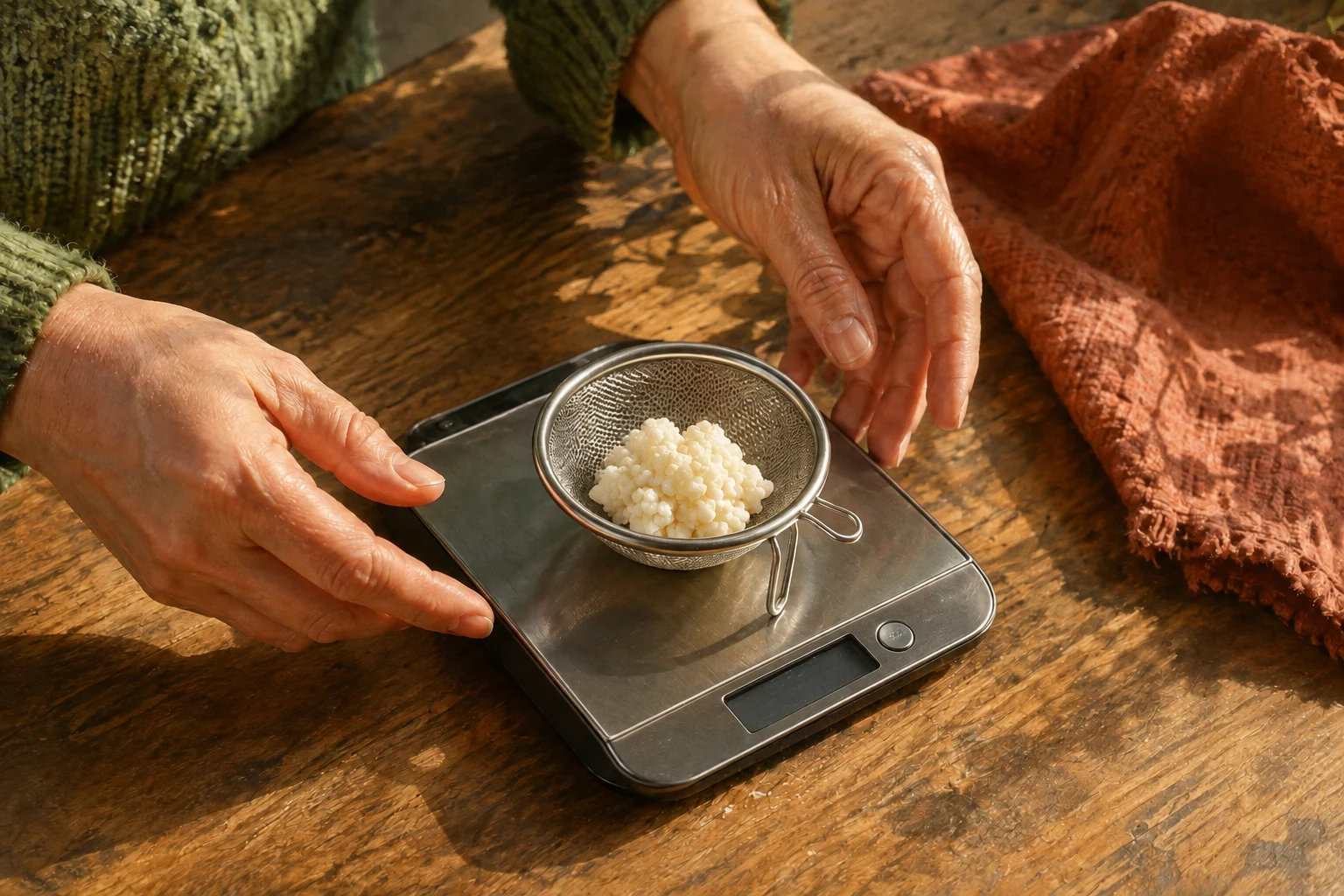
Use spare healthy grains and two equal small batches of the same established recipe. Change only the water. Keep sugar, any other required ingredients, grain weight, volume, temperature and timing the same. Record starting and finishing pH and whether the expected fermentation changes occur. Follow the recipe’s safety checks; do not taste a stalled or suspect batch.
One jar is slower. Should I add minerals now?
Repeat the water comparison first, using the same measured conditions. A single difference may come from the grain portions or temperature. If the difference repeats, keep the working source and check the other supply’s treatment. Adding several mineral products would prevent you from learning which change helped. The sugar and minerals guide explains how to choose a single adjustment.
When both sources perform reliably, keep the one that is practical and repeatable. There is no reason to change a working drinking-water supply simply because another bottle has a more appealing label.
Water shortcuts that depend on what is in the water
Does boiling make tap water ideal for kefir?
Not necessarily. Boiling can reduce free chlorine and addresses some microbiological risks when official guidance calls for it, but it does not reliably remove chloramine or every dissolved substance.
Is distilled water best because it is pure?
Not by itself. Distilled water contains very little mineral content. A complete tested recipe would need to supply what the culture requires; do not swap it into an ordinary recipe and assume purity solves nutrition.
Can I mix tap and bottled water?
Yes, but measure the proportion and repeat it. A vague splash makes the next batch impossible to compare.
Research behind this answer
Where to go next

Comments
No comments yet.
Comments could not be loaded.
Join the discussion