
Water kefir grain history: Mexican tibi and Taiwan’s sun fungus
Factory workers in nineteenth-century Mexico drank a sparkling ferment made from sugar water. A handful of translucent grains called tibi did the brewing. Dissolve sugar in water, add the culture, and the sweetness acquires a tart edge and bubbles. Here is an early glimpse of the drink we now call water kefir.
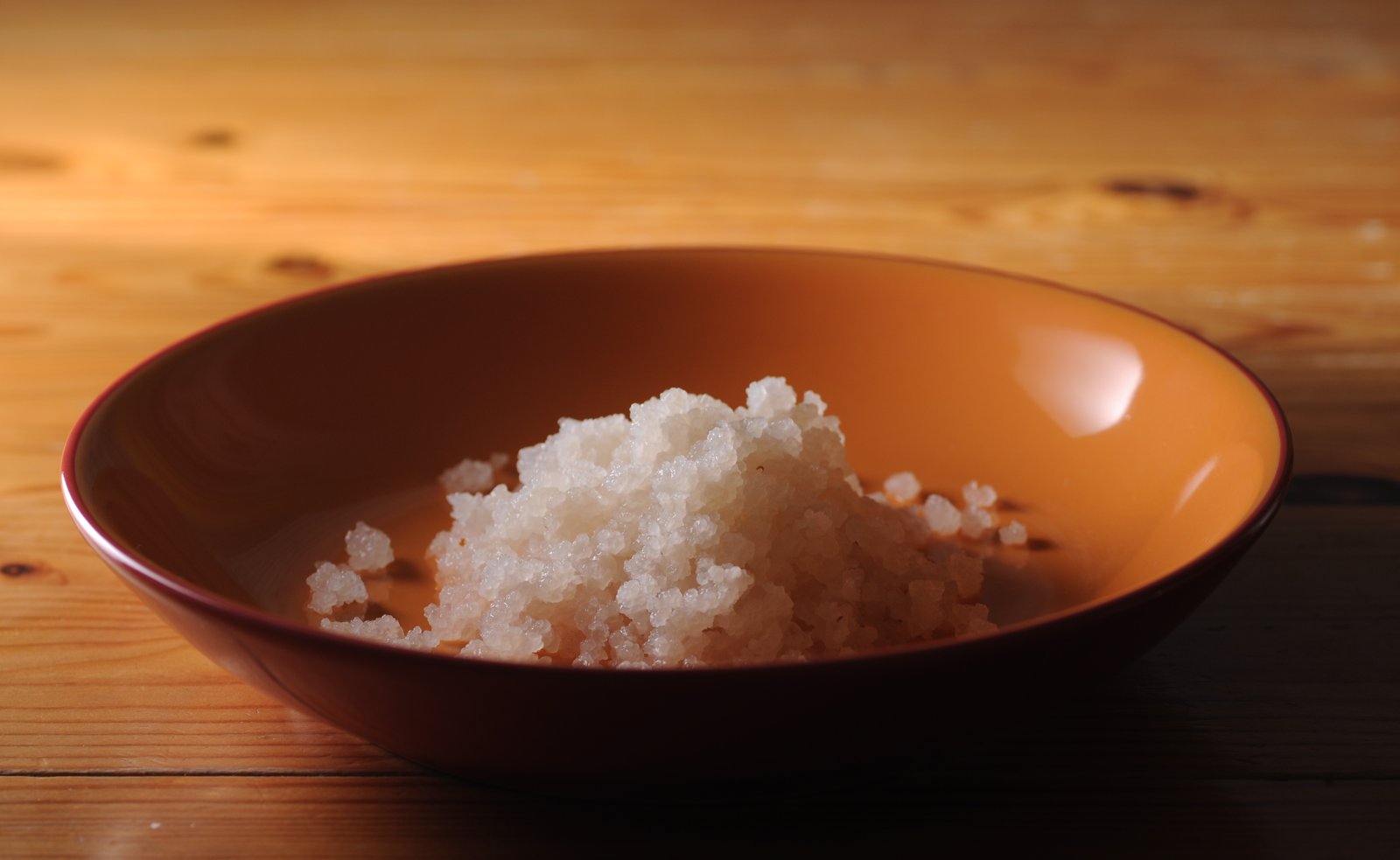
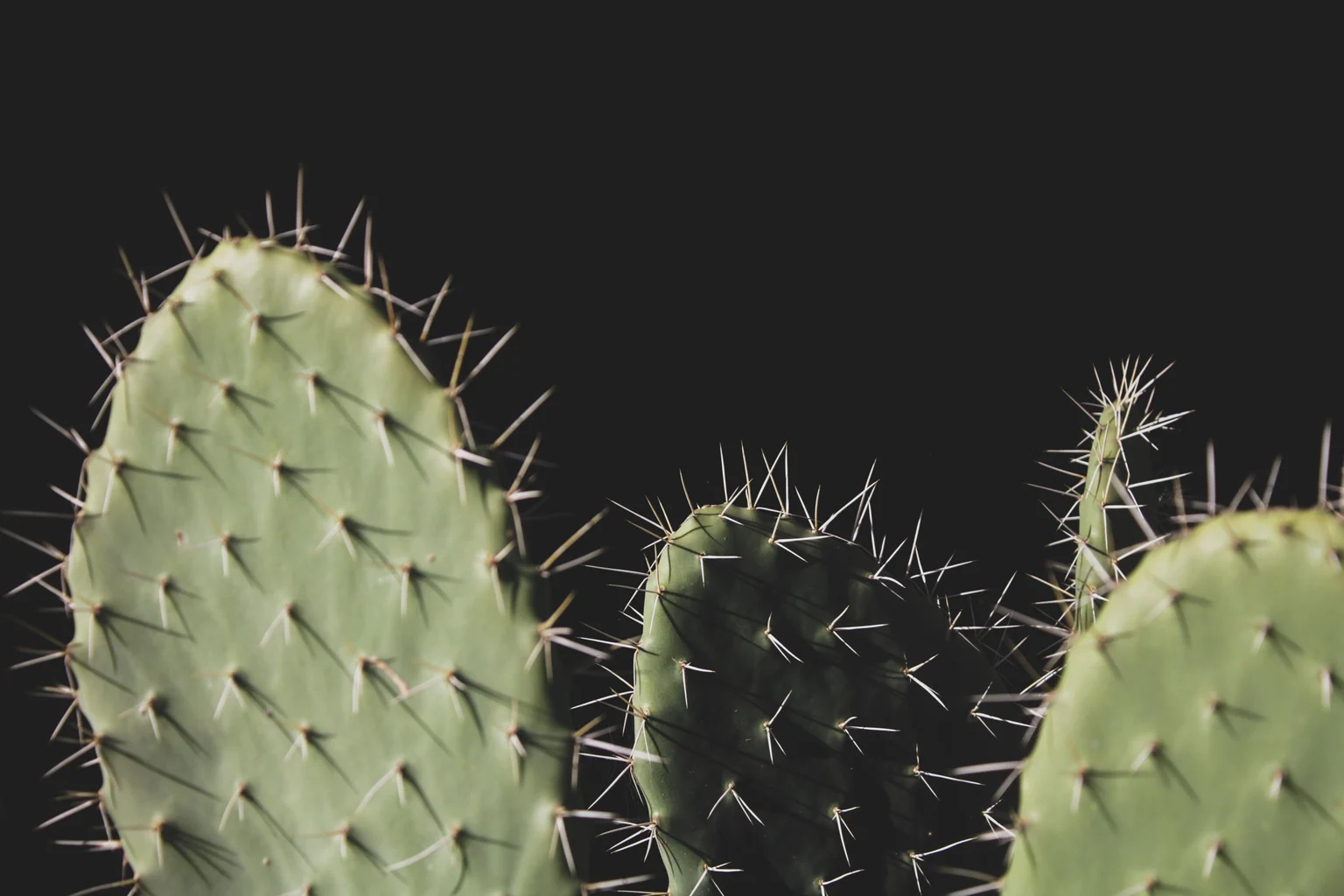
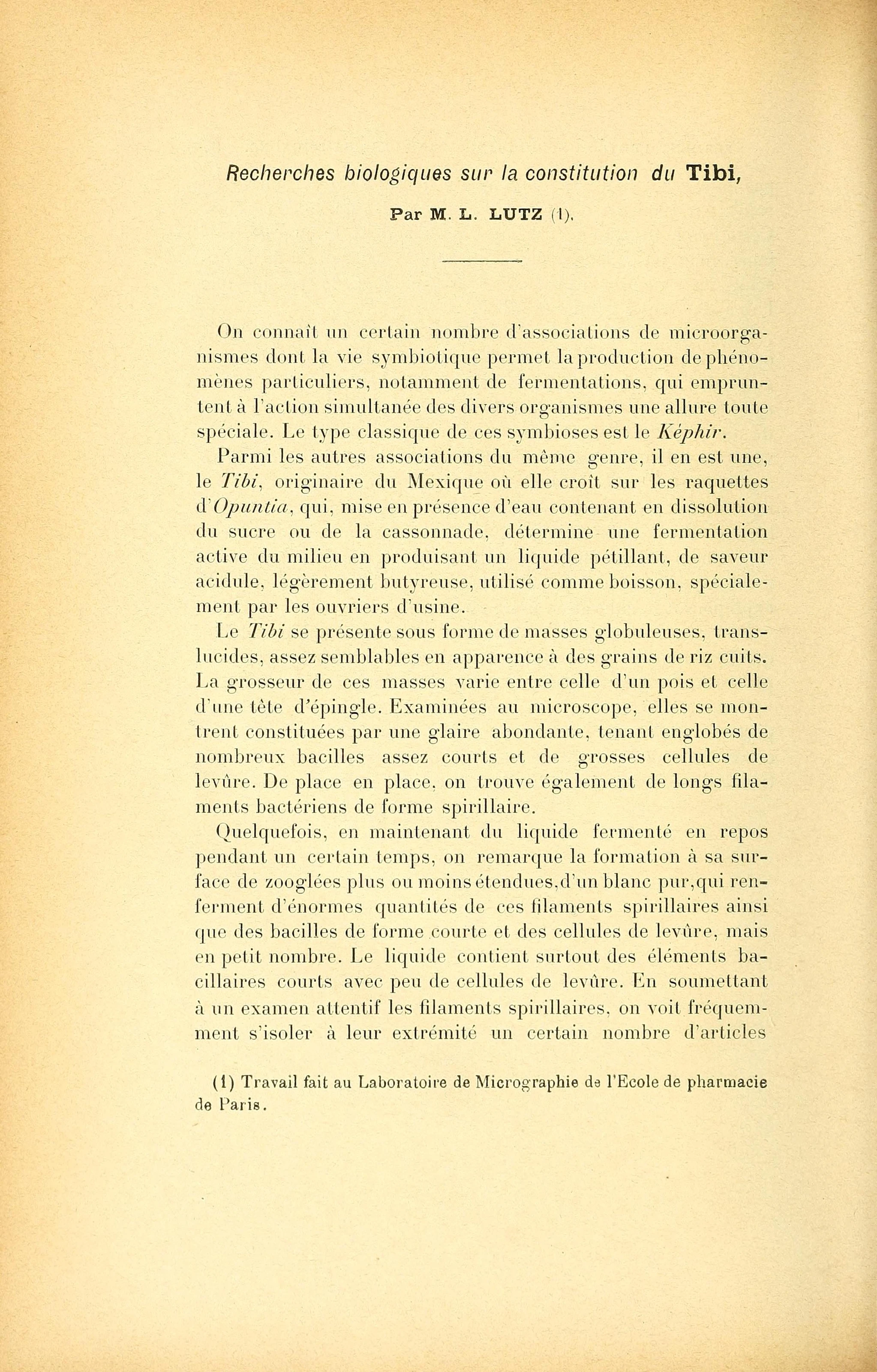
An account published in 1899 places tibi on the flattened pads of Opuntia cactus. A spiny plant makes an unexpected entrance into the history of a slightly tart drink. The grains themselves had none of the cactus's armour: some were as small as pinheads, others the size of peas. Their translucent lumps reminded the researcher of cooked rice. A microscope revealed bacteria and yeast cells enclosed together in gelatinous material. What looked like one little grain had several kinds of occupants.
He separated the organisms and grew them on their own. Under his experimental conditions, the isolated bacteria and yeast grew without fermenting the culture media. When he brought them together again, the clumps formed and fermentation returned. A worker's drink had led to an experiment in cooperation. Take the grain apart, and its behaviour changed.
Another episode in the history of sugar-water cultures reached the United States Post Office Department.
By 1921, Prohibition had drawn attention to home brewing, and sellers of cultures had found an opportunity. Their advertisements offered ferments for making alcoholic drinks and vinegar; some added promises of cures. Pharmaceutical researcher Lyman Kebler investigated these mail-order activities for the postal authorities. His paper was called “California Bees.”
The names covered quite a map: California bees, African bees, Australian bees, Japanese beer seeds. In a 1910 letter quoted by Kebler, a correspondent remembered using the “Japanese” seeds in Kentucky in 1859. They arrived dried, resembling tapioca or dried lumps of cooked rice. Japanese beer seeds, delivered to Kentucky, looking like a little dried rice.
Taiwan’s story hides under other names
Following the grains in Taiwan means searching under different names. In issue 31 of Providence University’s food-and-nutrition newsletter, Wang Pei-ming describes Tibicos grown in brown-sugar water under names including “black-sugar mushroom babies,” Chinese mushrooms and sun mushrooms. A mushroom nickname belonged to a sugar-water culture that produced gelatinous grains.
On 5 April 2009, a BabyHome forum participant described receiving a culture from the proprietor of a Chinese herbal shop and remaining unsure about it. Another participant replied that day: after about a week of growing a culture, there was more of it to give to a colleague. These are people’s posted accounts of sharing. Receiving a culture, asking about it and passing some on brought the grains into ordinary exchanges.
A little over a month later, on 12 May, Taiwan’s Department of Health issued a notice about Tibicos, also called “sun mushrooms,” circulating online. It described lactic acid bacteria and yeasts growing in sugar water, with polysaccharide material gathering microbes into gelatinous grains. A name suggesting a mushroom concealed a community of microorganisms. The little grains being discussed in Taiwanese homes had also entered an official notice.
Claims of cures travelled alongside the cultures. The notice warned about contamination, advised against indiscriminate home cultivation and consumption, and challenged exaggerated medical claims. A Public Television news report published in August 2011 recorded a Taichung household growing yellow grains in brown-sugar water, with neighbours joining the enthusiasm; it also questioned the supposed cures. Cultures, names and promises could pass together. They need to be distinguished when reading this history.
These sources place Taiwanese circulation at least as far back as 2009. A verifiable record of the first importer or arrival year has not been found. What is visible is a herbal-shop gift, sharing among colleagues and online discussion. A name such as “Chinese mushrooms,” or an unattributed origin statement in a news report, cannot supply the missing first journey into Taiwan.
Sugar-water cultures in Asian homes
Elsewhere in Asia, household cultures have left records too. A Thai study published in 2015 obtained its sugary-kefir grains from a household in Phuket. The culture had been maintained in brown sugar and mineral water, with grains retained when the liquid was replaced. Researchers took those household grains into the laboratory.
Another study, published online in 2018 and in a 2019 journal issue, examined tibicos from the Tianshan region of Xinjiang, China. A study published in 2022 used active grains donated by a Singapore homebrewer, including water-kefir grains. Phuket, Xinjiang and Singapore each supply a record of regional use and research sampling. They do not yet form a documented itinerary from Mexico through Asia into Taiwan.
In the Taiwanese forum account from 2009, surplus culture went to a colleague. In Singapore, household grains later passed to researchers. The portion handed on could keep growing in another home or a laboratory.
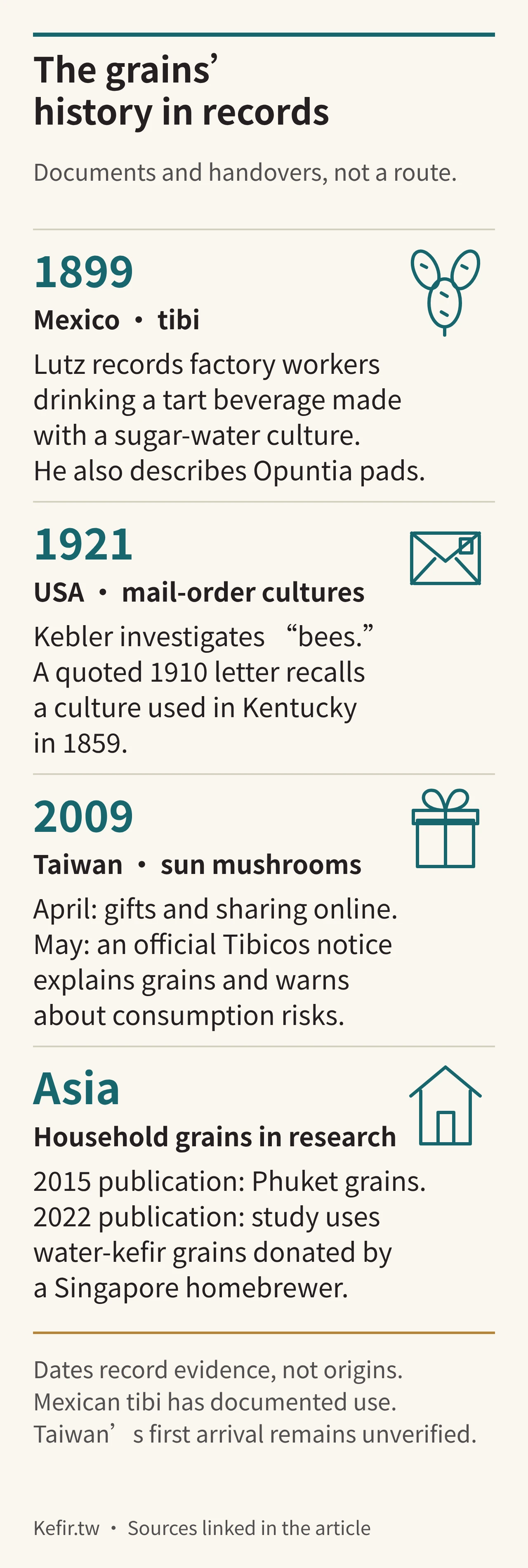
Read the diagram as text
1899 · Mexico · tibi
Lutz records factory workers drinking a tart beverage made with a sugar-water culture. He also describes Opuntia pads.
1921 · USA · mail-order cultures
Kebler investigates “bees.” A quoted 1910 letter recalls a culture used in Kentucky in 1859.
2009 · Taiwan · sun mushrooms
April: gifts and sharing online. May: an official Tibicos notice explains grains and warns about consumption risks.
Asia · Household grains in research
2015 publication: Phuket grains. 2022 publication: study uses water-kefir grains donated by a Singapore homebrewer.
Dates record evidence, not origins. Mexican tibi has documented use. Taiwan’s first arrival remains unverified.
A small glossary of older names
A historically rooted grain name and the most useful older term for following the Mexican branch.
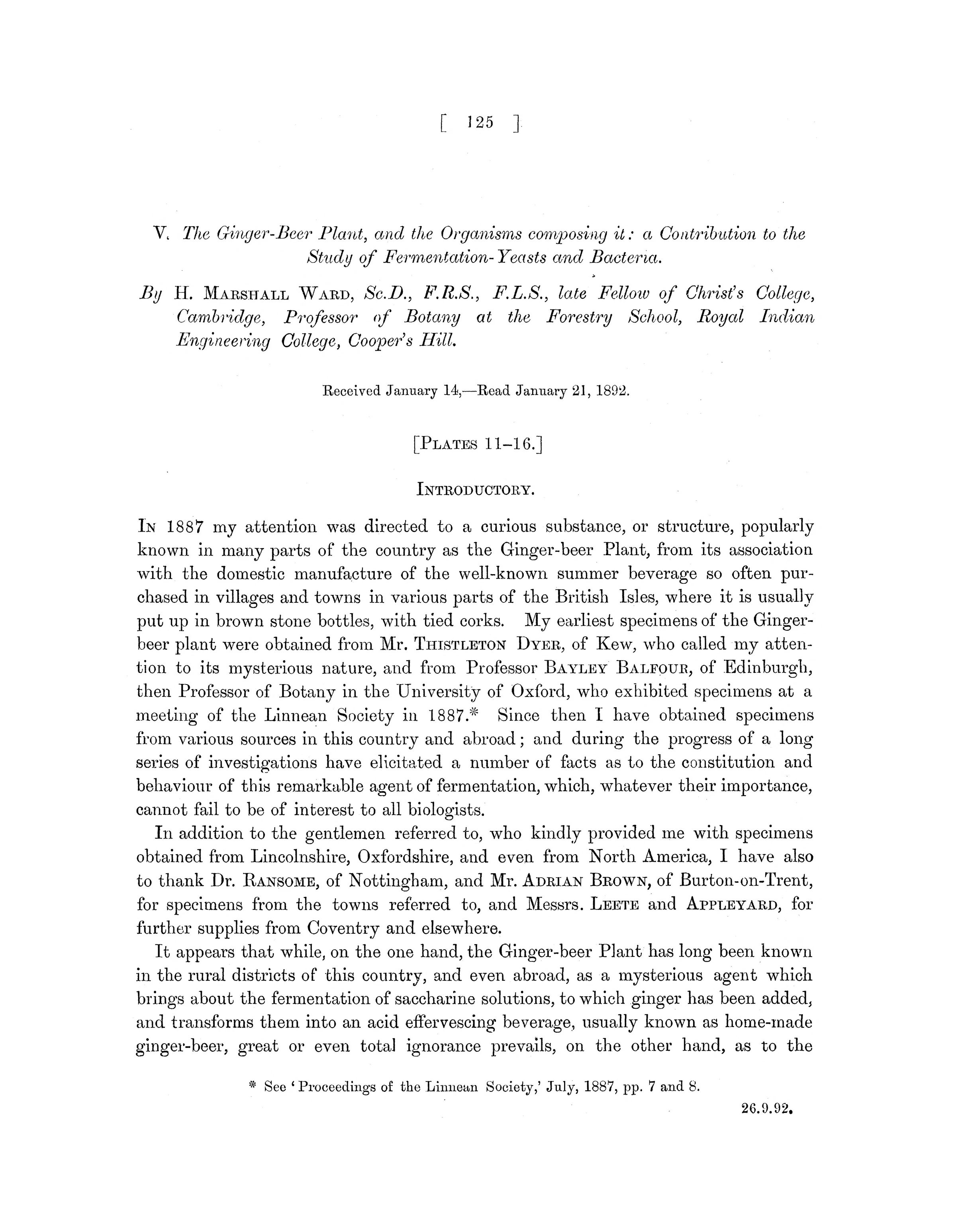
Ward’s documented name for the mixed culture used to make ginger beer.
A descriptive name for the sucrose-based fermentation.
Memorable old labels, not proof of Japanese or Californian origin.
Beverage or related-ferment names, not automatic synonyms for plain water kefir.
Sources
Original records and further reading.
Read the sourcesEarly records and microbiology reviews
- Taiwan Department of Health notice on TibicosRead source
2009-05-12
- BabyHome culture-sharing discussionRead source
2009-04-05
- Wang Pei-ming on black-sugar culturesRead source
Providence University food-and-nutrition newsletter, issue 31, pp. 4–5
- Public Television report on Taichung sun-mushroom culturesRead source
2011-08-02; page updated in 2023
- Thai sugary-kefir study using a Phuket household cultureRead source
2015, The Journal of Industrial Technology 11(2)
- Cao et al.: Chinese Tianshan tibicosRead source
Published online in 2018; 2019 issue, Food Science and Biotechnology 28, 139–145
- Singapore study using homebrewer-donated grainsRead source
2022, Frontiers in Microbiology 13:857720; water-kefir sourcing only
- “California Bees”Open source
Lyman F. Kebler, Journal of the American Pharmaceutical Association 10(12), 1921, pp. 939–943. Page 939 records the postal investigation and a 1910 letter recalling use in Kentucky in 1859.
-
The ginger-beer plant, and the organisms composing itOpen source
Harry Marshall Ward, Royal Society, 1892
-
Recherches biologiques sur la constitution du TibiOpen source
L. Lutz, Bulletin de la Société mycologique de France, 1899
-
An update on water kefir: Microbiology, composition and productionOpen source
Kieran M. Lynch et al., International Journal of Food Microbiology, 2021
-
Water kefir, a fermented beverage containing probiotic microorganismsOpen source
Ana Florencia Moretti et al., Future Foods, 2022
What holds a water-kefir grain together?
The historical descriptions already noticed microbes inside a shared material. See what modern research adds to that picture.