Small grains, remarkable changes
The science inside your kefir
Milk starts to thicken. Bubbles appear. A pale, cauliflower-shaped grain comes out of the strainer ready to work again. Each change has an explanation—and some lead well beyond the kitchen, from microbes helping one another grow to materials that researchers can turn into thin films.
Start with a question you have noticed in your own glass.
Choose a question
Three ways to begin
What makes you curious?
Why does milk become kefir?
Bacteria and yeasts change the sugars and other ingredients around them. Acids help give milk kefir its tart taste and thicker body; yeast activity can add gas and aroma. The beginner guide connects these changes to the drink you buy or make.
Understand kefirWhat is happening in my jar?
The same culture can behave differently in a warmer room or a larger batch. Follow the fermentation timeline to understand which changes tend to arrive together, then use the jar-reading guide to distinguish a soft gel from later curds and whey. Appearance alone cannot confirm safety.
Open the timeline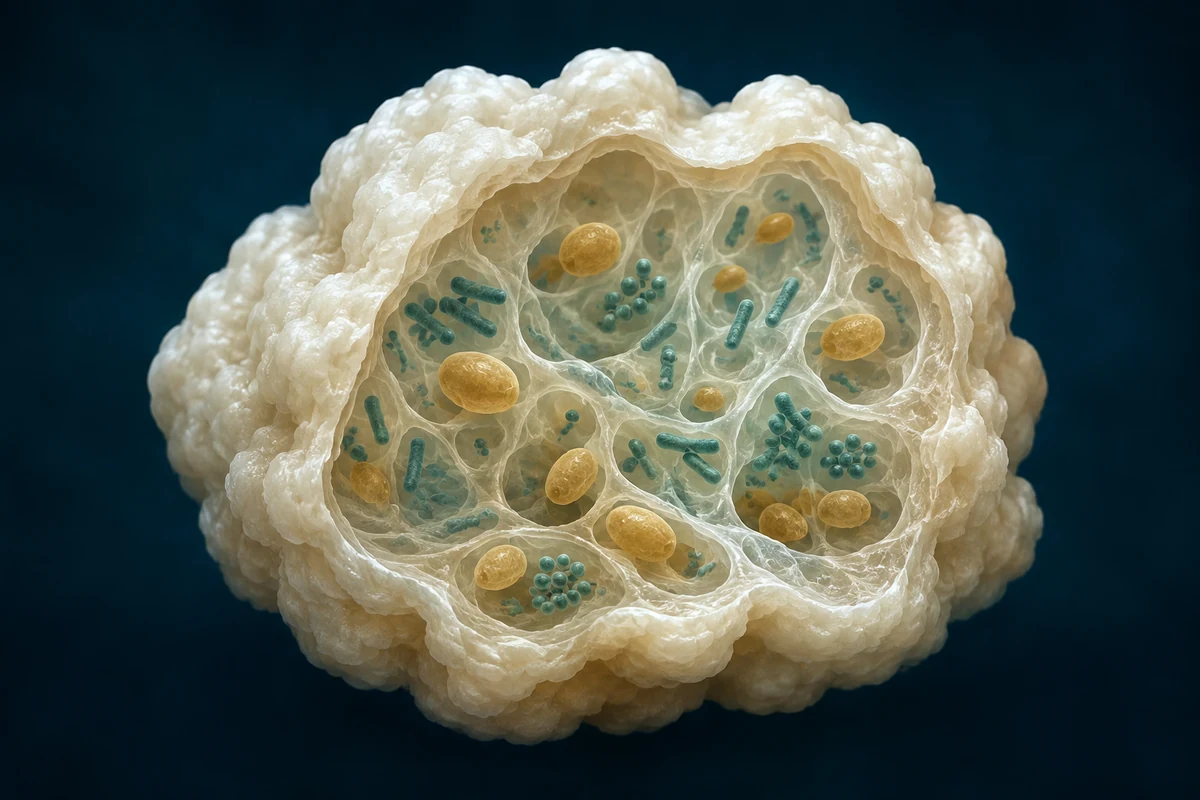
What lives inside the grains?
A grain gives many microbes a shared place to live. Some release nutrients that help their neighbours grow. The grain and the liquid can contain different proportions of those organisms, so a list of microbes in one is not a complete description of the other.
Explore the grain communityFrom starter to glass
What changes at each stage?
Follow the ingredients, microbes and materials as fermentation changes the food.
The starter sets the batch in motion
Reusable grains carry a community into fresh milk or a suitable sugar-water recipe. A selected starter powder introduces a different, specified mixture. Which one fits your routine depends partly on whether you want a culture to keep feeding or a packet to use when needed.
Identify the cultureFermentation changes the food
Microbes use sugars and produce acids, aroma compounds, gas and alcohol in varying amounts. Conditions affect the pace: a clock alone cannot tell you the remaining sugar, alcohol or live count. See the water-kefir alcohol guide if even a small amount matters to you.
Follow the changes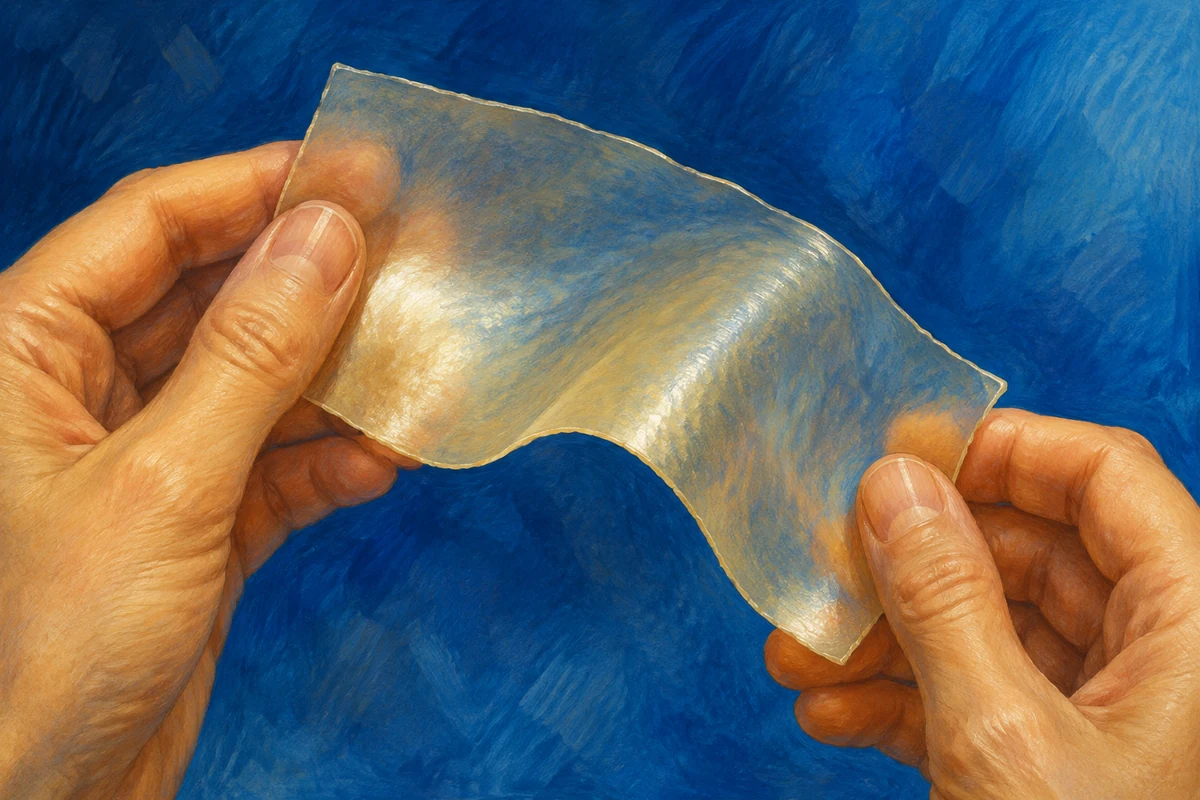
The grain keeps its shape
Why does a grain remain in the strainer while the drink passes through? Its microbes occupy a supporting structure. One material associated with milk-kefir grains is kefiran, a chain of sugar units that can also be isolated and studied as a film-forming material.
See what kefiran isThe finished bottle has another story
Cooling slows fermentation; ingredients change flavour and nutrition. Heating after fermentation changes whether the culture remains alive. Follow a dairy production line, then try the label guide on your own bottle.
Follow commercial productionFrom a community kitchen to a laboratory check

In this 2018 documentary from the National University of La Plata project, researchers describe checking kefir collected from community kitchens. The 8:11–9:32 excerpt follows microbial counts, pH and checks for unwanted organisms. Spanish narration; the full documentary also makes broader health and safety claims that this excerpt does not establish.
Open the original documentaryKeep exploring