
Friendly Kitchen Troubleshooting
Jar Looking Different Today? Let’s Figure It Out Together
Nine times out of ten, a surprising jar simply means warm afternoons or chilly nights nudged your grains to move a little faster or slower—and your batch is totally fine! Tap what you see below to quickly tell a harmless quirk from the rare sign to start fresh.
Trust your eyes and nose first, then tweak one thing at a time: if you ever see fuzzy mold, odd pink/orange/green/black spots, or smell something genuinely rotten, skip tasting and start fresh with clean gear. Everyday surprises like whey separation, thin texture, tiny curds, or lively tang are completely normal and easy to balance on your very next jar!
Interactive Jar Helper
What does your jar look like right now?
Tap the closest match below for instant reassurance and the easiest next step.
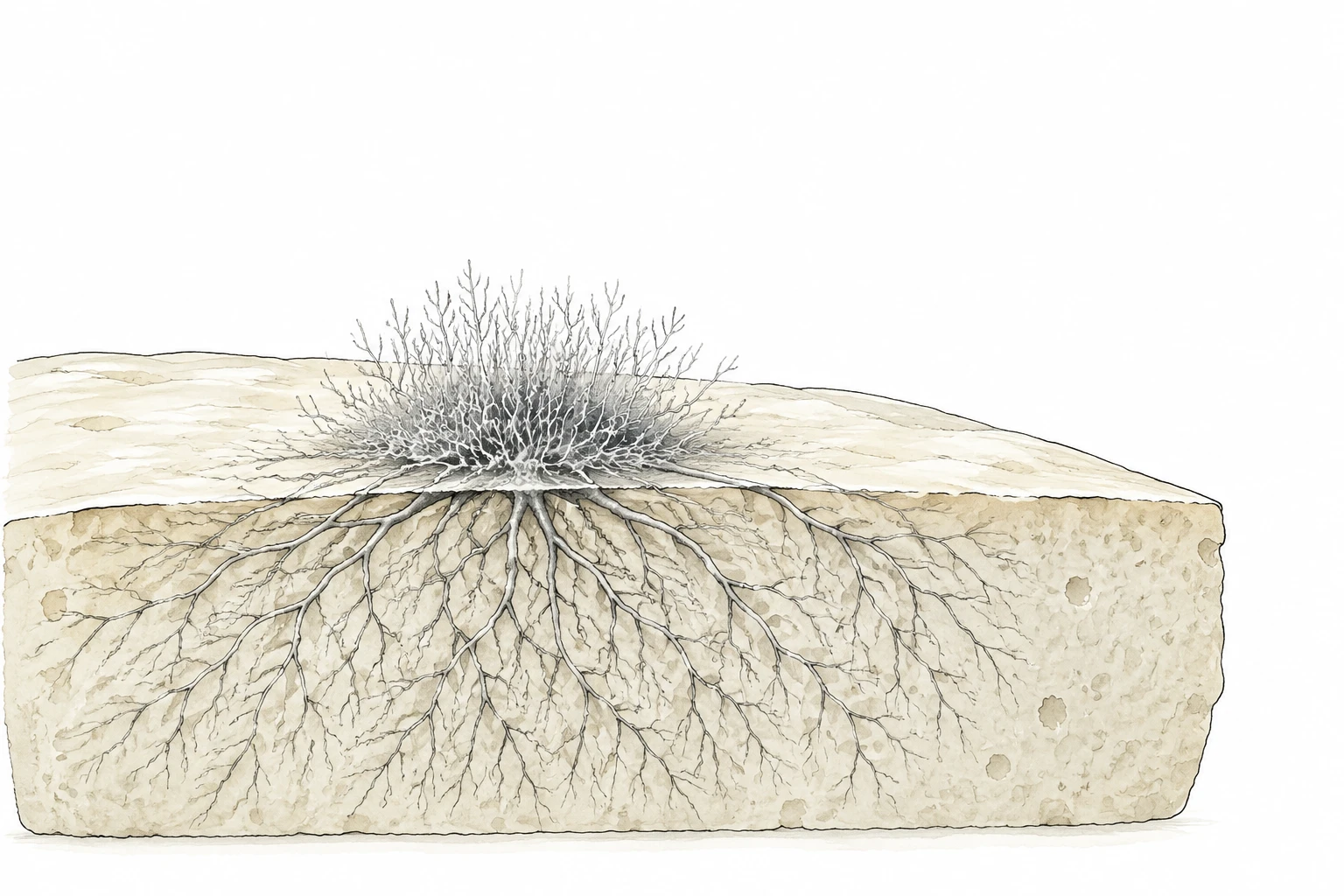
Fuzzy growth, odd pink/green/black patches, or rotten smell means tossing everything
Mold roots extend deeper than what shows on the surface, so skimming off the top or rinsing the grains won’t clean it up. Toss both the liquid and grains, wash your jars and strainer well in hot soapy water, and start fresh with healthy grains.
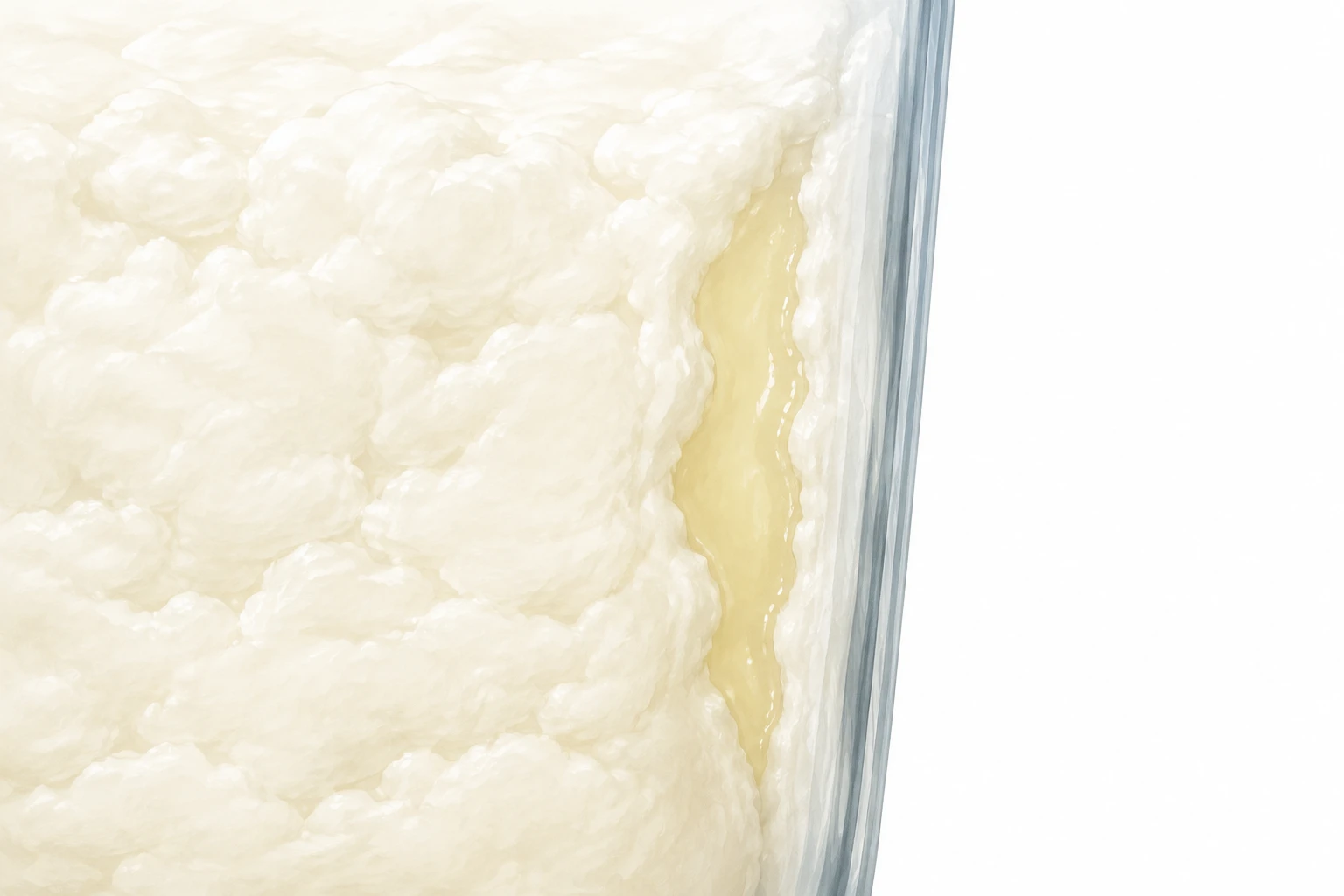
White curds floating over pale yellow whey is normal separation, not spoilage
Warm rooms or lots of grains simply moved your batch along extra fast! As long as it smells cleanly tangy with no mold, strain out your grains, shake or whisk the kefir smooth (it makes incredible smoothies, pancakes, or strained kefir cream cheese), and use fewer grains next time.
Fix separation & graininess → | Catch the creamy sweet spot next time →
Still pourable like milk at 24 hours? Check cool rooms, low-fat milk, or sleepy grains
A chilly 17°C winter night, skim milk, or grains freshly woken from a fridge nap naturally make thinner kefir. Double-check whether it’s gently tangy (just thin) or still sweet milk, then try whole milk, a cozier spot away from drafts, or giving it 30–36 hours.
In 28–33°C summer heat, your grains work faster—cut back to a third or half!
Warm air supercharges your culture so it finishes in 10–14 hours instead of 24. Simply use fewer grains (snack on or fridge the extras!), move your jar to a cooler shaded spot, or find your summer ratio with our room-temperature calculator.
Adjust temperature & ratios → | Three easy ways to slow fermentation down →
Heading away or swimming in extra jars? Let your grains nap in cold milk
For a 1–3 week break, tuck your strained grains into a clean jar filled with fresh whole milk, cap it, and pop it in the fridge. When you’re back, pour off the resting milk and give them one or two small fresh-milk refreshes to bounce right back.
All troubleshooting & dialing-in guides
 Sight & smell check
Is this kefir safe to drink?
Simple sight and smell cues so you know with confidence when a batch is great and when to start fresh.
 Read readiness
How do you know when milk kefir is ready?
Spot that creamy glass cling and tiny whey pockets so you catch every jar at its smoothest moment.
 Optional gadget
How to use a pH meter for kefir
An optional kitchen gadget for number-lovers: how to calibrate and read pH trends alongside your senses.
 Grain care
How to keep milk kefir grains vigorous
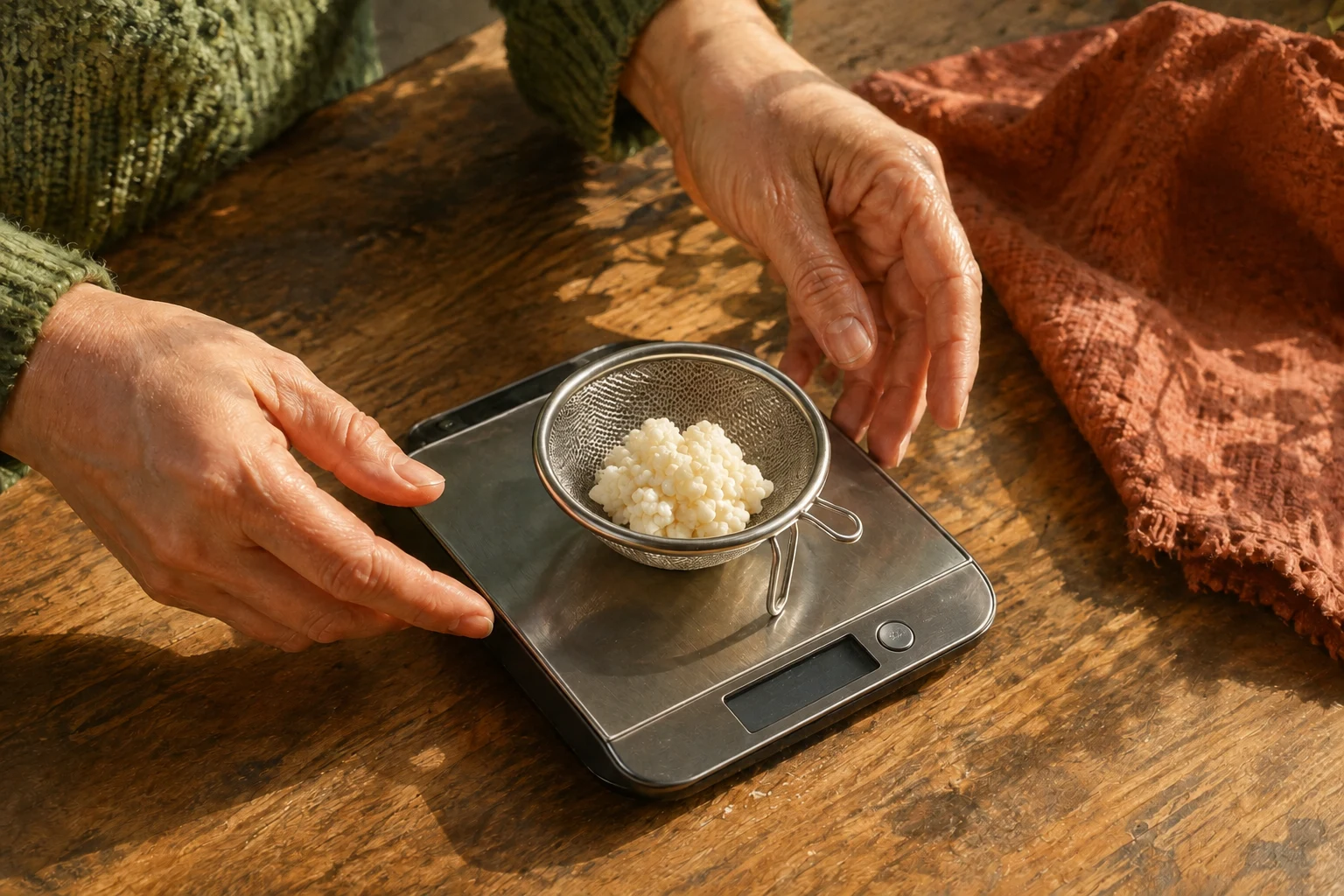
Easy feeding habits, sharing extra grains as they multiply, and why you can skip tap-water rinses.
 Water kefir fixes
Why is my water kefir slow, sweet, or flat?
Tell sleepy sugar-water batches apart from loose swing-top seals and keep your minerals balanced.
 Batch notes
Jot down four quick numbers to dial in your house ratio
Room temp, grain weight, milk amount, and hours—one minute of notes helps your kitchen click right away.
 Temp & ratio
Milk kefir temperature and grain ratios across seasons
See how warm and cool weather shift your ferment speed, and tweak one simple thing at a time.
 Lids & stirring
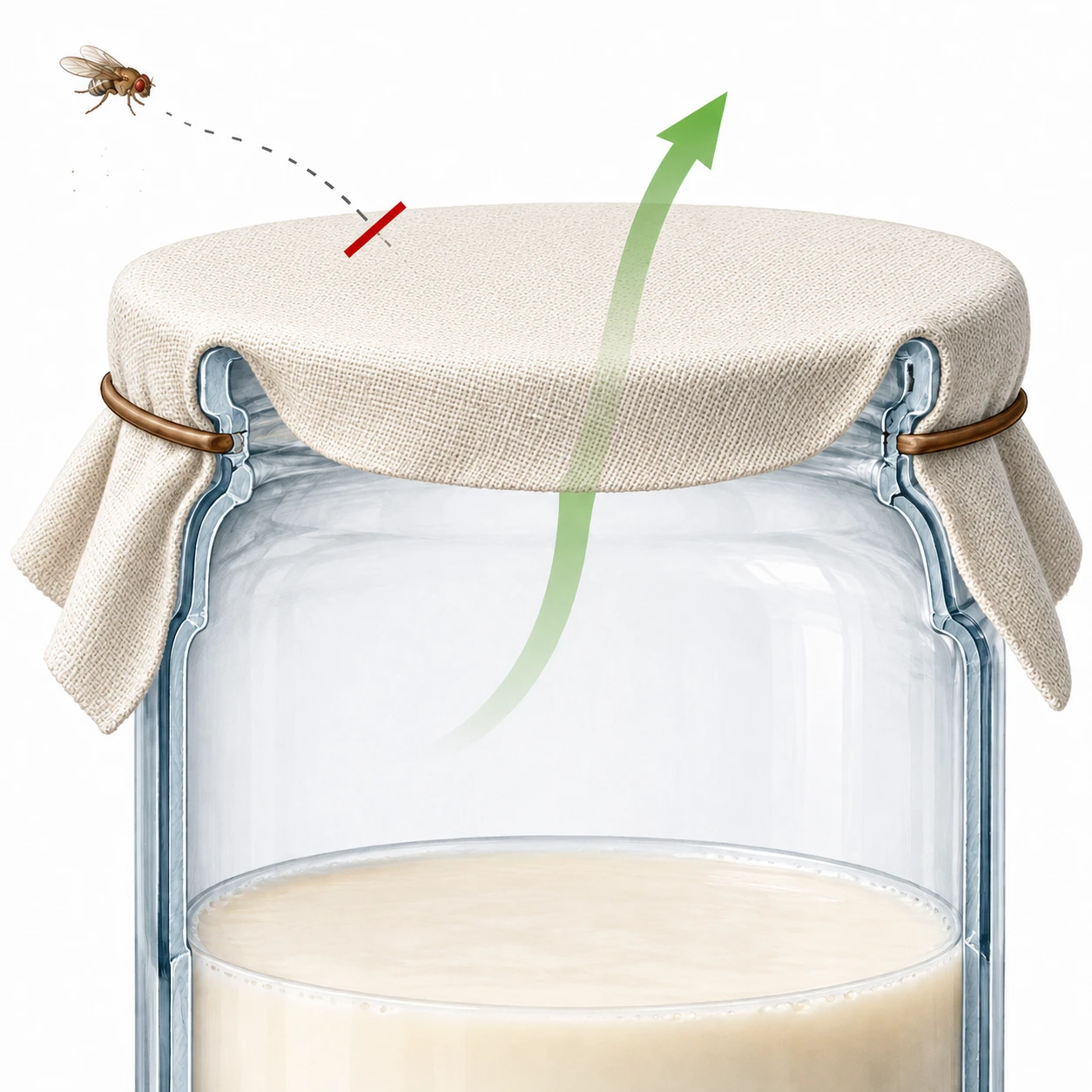
Breathable cloth or loose lid—and should you stir?
Balance fruit-fly protection, natural bubbles, and even creaminess from top to bottom.
 Texture upgrade
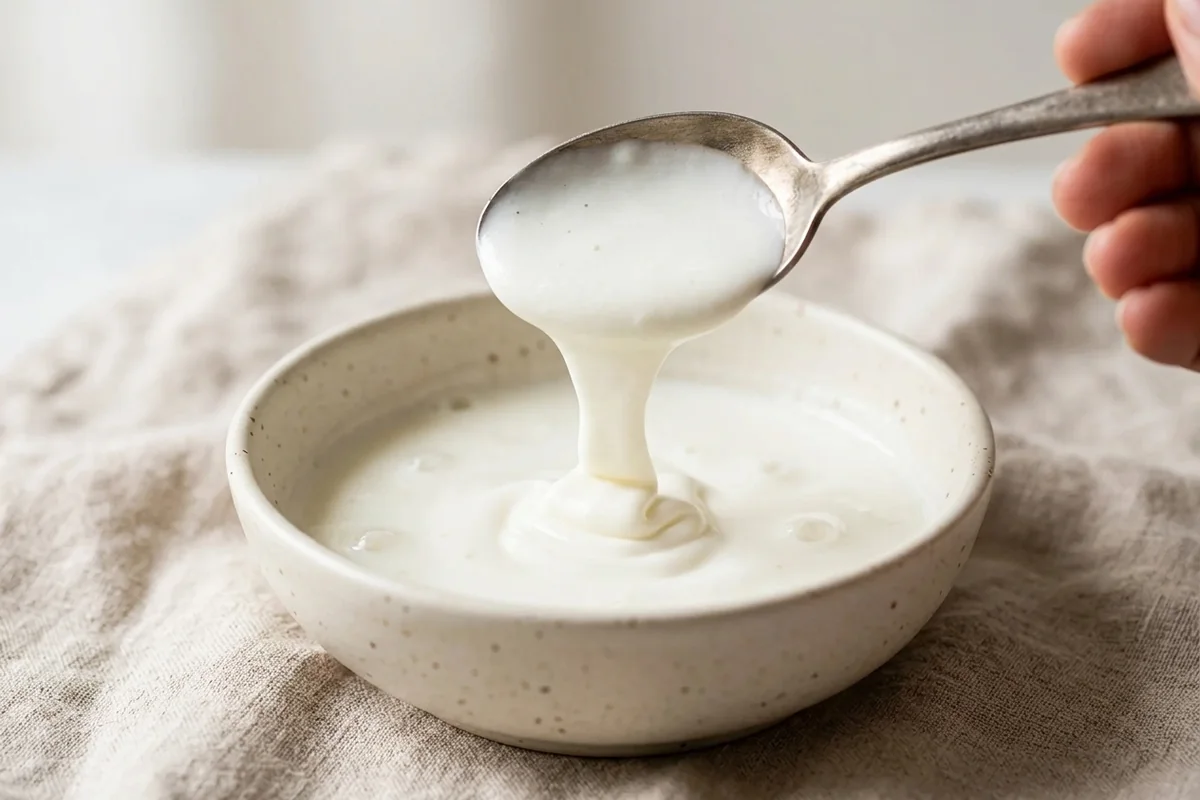
Why is my milk kefir thin? Five fixes that work
Tell under-fermented thinness from fast separation, then use cold fridge rest for lush, velvety body.
 Slow the pace
Making more kefir than your household can drink?
Trim your working grains, use smaller jars, or switch to a relaxed 48-hour fridge-assisted schedule.
 Reviving dried grains
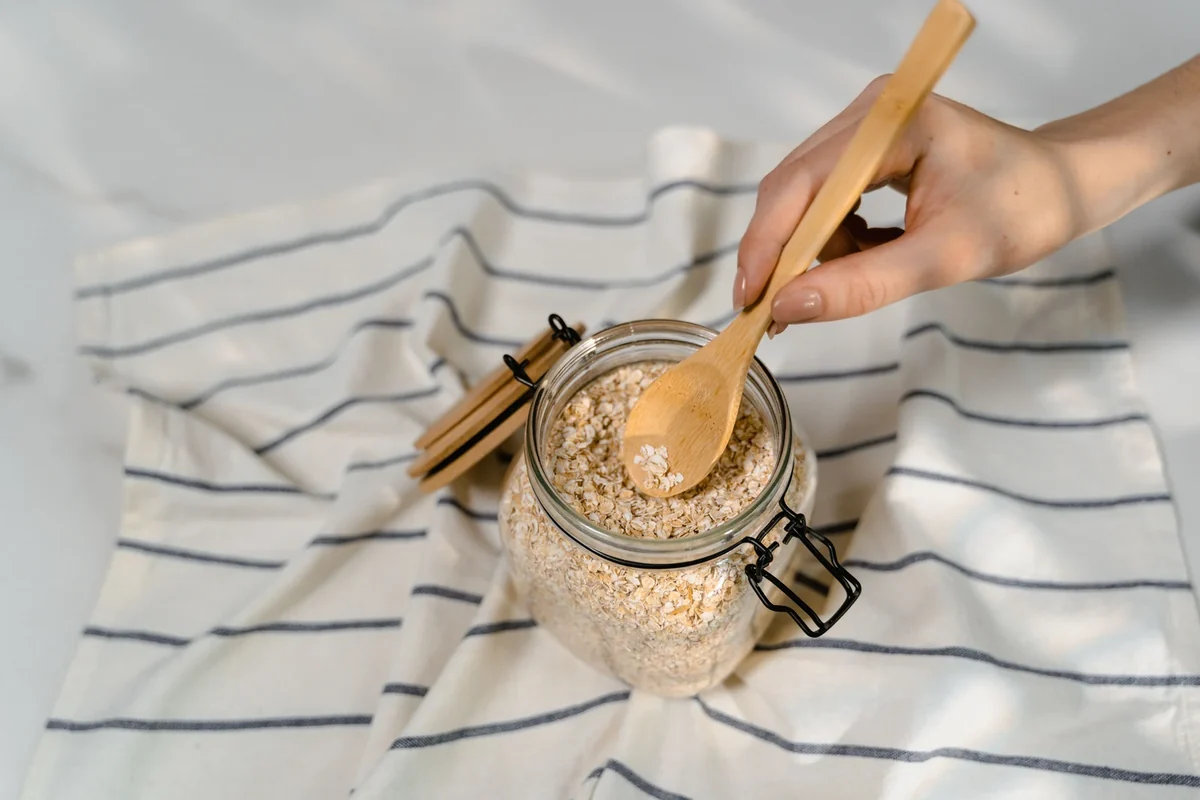
How to activate dried kefir grains reliably
Follow gentle day-by-day milk refreshes until dehydrated grains plump back up and thicken smoothly.
 Water quality
Can you use tap water or RO water for water kefir?
How chlorine and pure RO water affect grain growth—plus easy ways to add the minerals they love.
 Carbonation
How to make water kefir fizzy without geysers
Pick sturdy round swing-top bottles, balance fruit sugars, and chill well so sparkle stays in your glass.
 Storage life
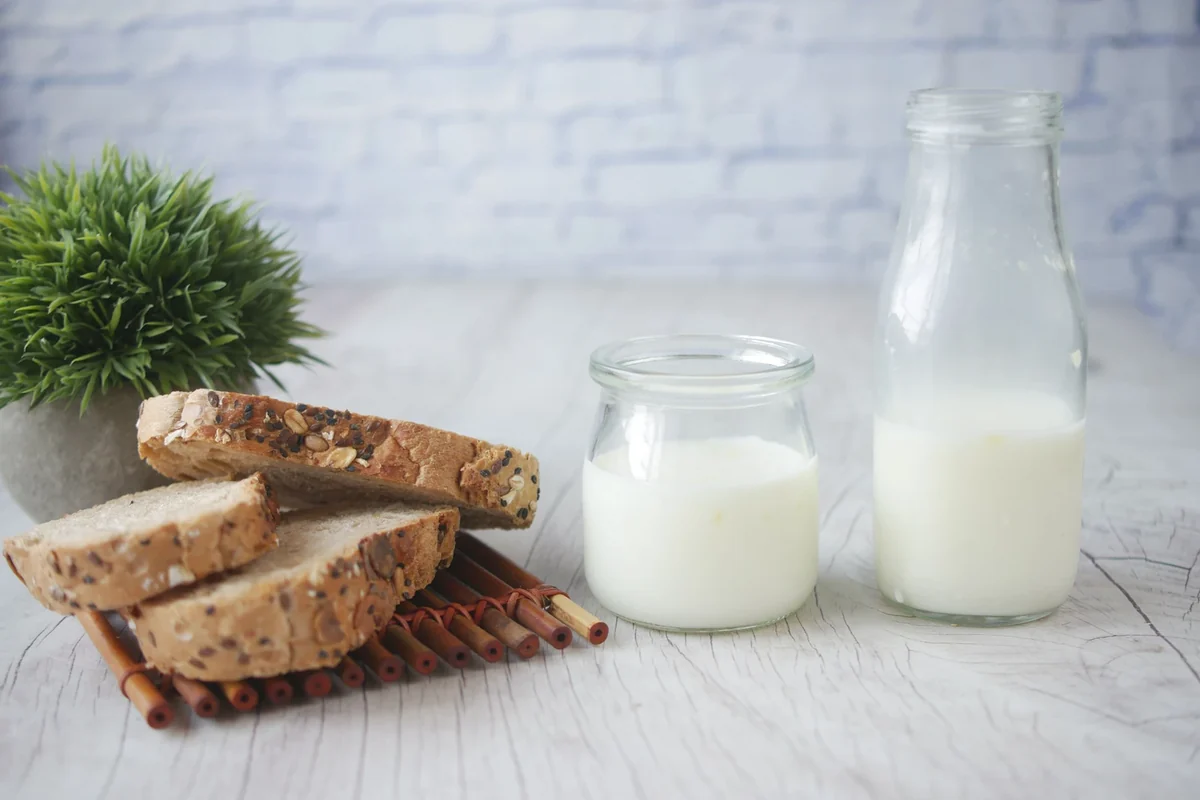
How long does homemade kefir last in the fridge?
How flavour gently matures in the cold, easy jar labelling, and when to start a fresh bottle.
 Cheese & whey
How to Make Kefir Cheese & Russian Tvorog (Plus 8 Ways to Use the Golden Whey)
Turn extra milk kefir into silky cream cheese, labneh, or Russian tvorog using cold fridge straining, freeze-and-thaw, or gentle water-bath methods—plus 8 whey uses.
 Fermentation age
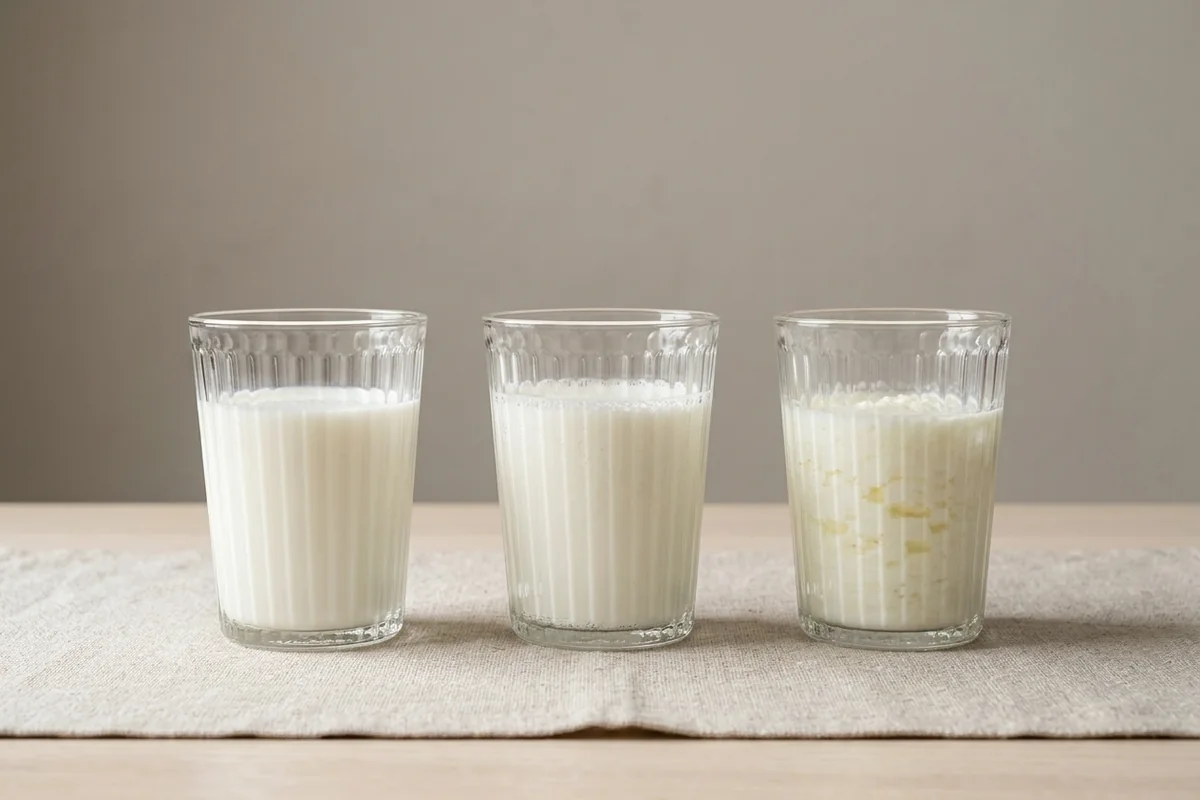
1-Day vs. 3-Day Kefir: How Fermentation Age Changes Tang, Texture, Digestion & Kitchen Uses
Compare 1-day, 2-day, and 3-day milk kefir! Learn the Russian 24h/48h/72h tradition, lactose and pH shifts, Taiwan fridge-aging tips, and best kitchen uses.
Troubleshooting FAQ
My jar split into thick white curds and yellow liquid—did it spoil?
Not at all! Separation simply means your grains worked extra fast or warm, gently squeezing natural whey out of the milk proteins. As long as there’s no mold and it smells cleanly yogurty, strain out the grains, shake it smooth to drink or bake with, and use fewer grains next batch.
Should I rinse milk kefir grains with water between batches?
No need—in fact, skipping water rinses keeps your grains happier! That silky coat around healthy grains is protective kefiran packed with friendly cultures. Just transfer grains straight from the strainer into fresh milk.
In 30°C summer weather, my kefir finishes in under 12 hours—what helps most?
Simply use much less grain (try 5–10 g per 500 ml milk), keep your jar in a cool shaded cupboard away from appliances, or check around 10–14 hours and tuck it in the fridge if you aren’t ready to strain right away.