
Meet kefir
What is kefir, and how is it different from yogurt?
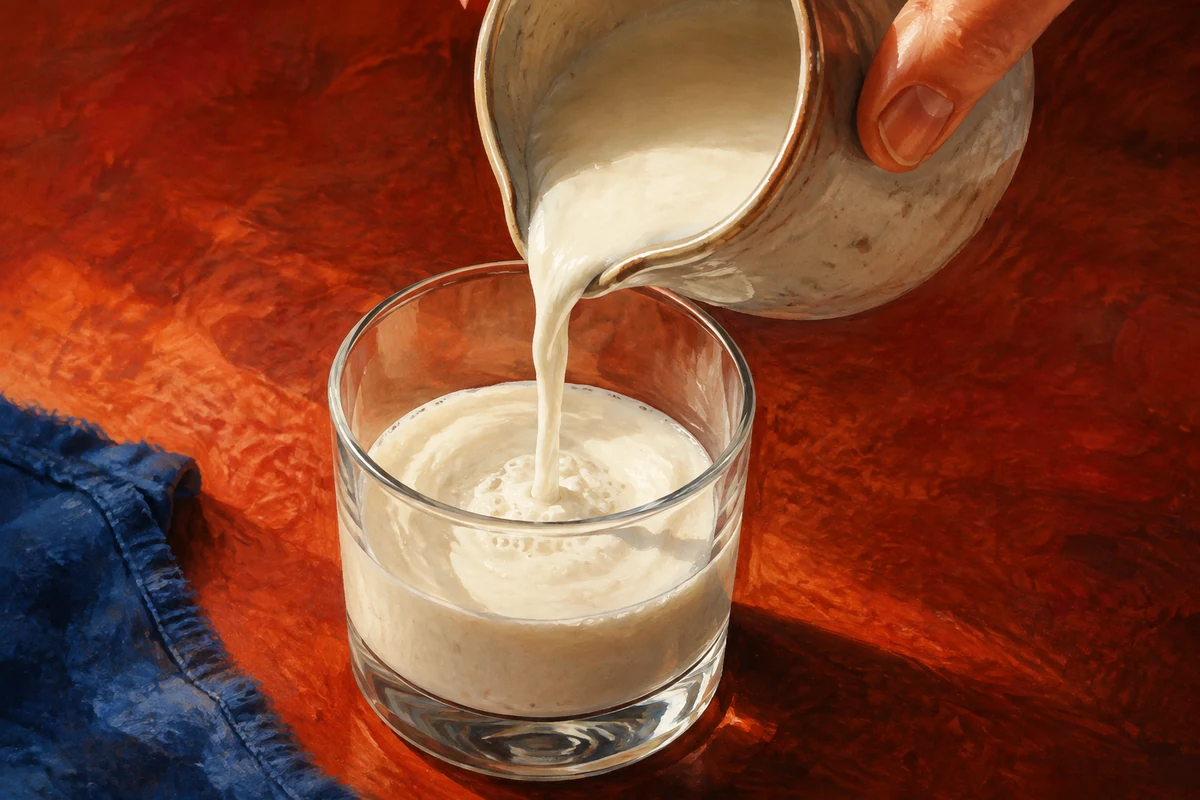
It looks like drinkable yogurt, can have a little fizz, and starts with a culture you can use again tomorrow. Milk kefir is milk fermented by a community of bacteria and yeasts. Those microbes change the flavour and texture, and may change how comfortably you digest it.
Why might kefir feel different from milk?
If milk leaves you gassy, the interesting part starts before the kefir reaches your stomach. During fermentation, microbes use some of the lactose, the natural sugar in milk. Their enzymes can also help break lactose down when you drink it.
In a controlled study of 15 adults who had trouble digesting lactose, plain kefir was easier to digest than milk. Yogurt helped too. This is a useful reason to consider fermented milk, although it does not make every kefir lactose-free or guarantee that a large glass will suit you. The lactose guide explains the difference.
There are encouraging findings for bowel habits as well. A small four-week study reported more frequent bowel movements and softer stools. Everyone in that study drank kefir, so it could not establish how much of the change was caused by kefir itself. That question deserves a closer look, rather than a promise on a bottle.
Research on blood sugar is less consistent: some pooled studies found an improvement and another review did not find a clear change in fasting glucose. Our blood-sugar article puts the findings side by side. Milk kefir is also a food that can supply protein and calcium; its nutrition depends on the milk and any added ingredients.
The grains are the part you keep
Milk-kefir grains are soft, pale clusters that resemble little pieces of cauliflower. They contain no wheat or other cereal grain. They are living communities of bacteria and yeasts held together in a structure the microbes help build.
Strain the grains out when the milk has fermented, then put them into fresh milk. With suitable care, you can repeat that cycle. This is why people share spare grains: you are passing on a culture that can make someone else's next batch.
Add active milk-kefir grains to fresh milk.
The milk becomes tangier and usually thickens.
Refrigerate the drink; put the grains into fresh milk.
Inside those small clusters, microbes exchange nutrients and occupy different parts of the grain and milk. If you want to see how a community survives there, look inside a kefir grain.
So what makes it different from yogurt?
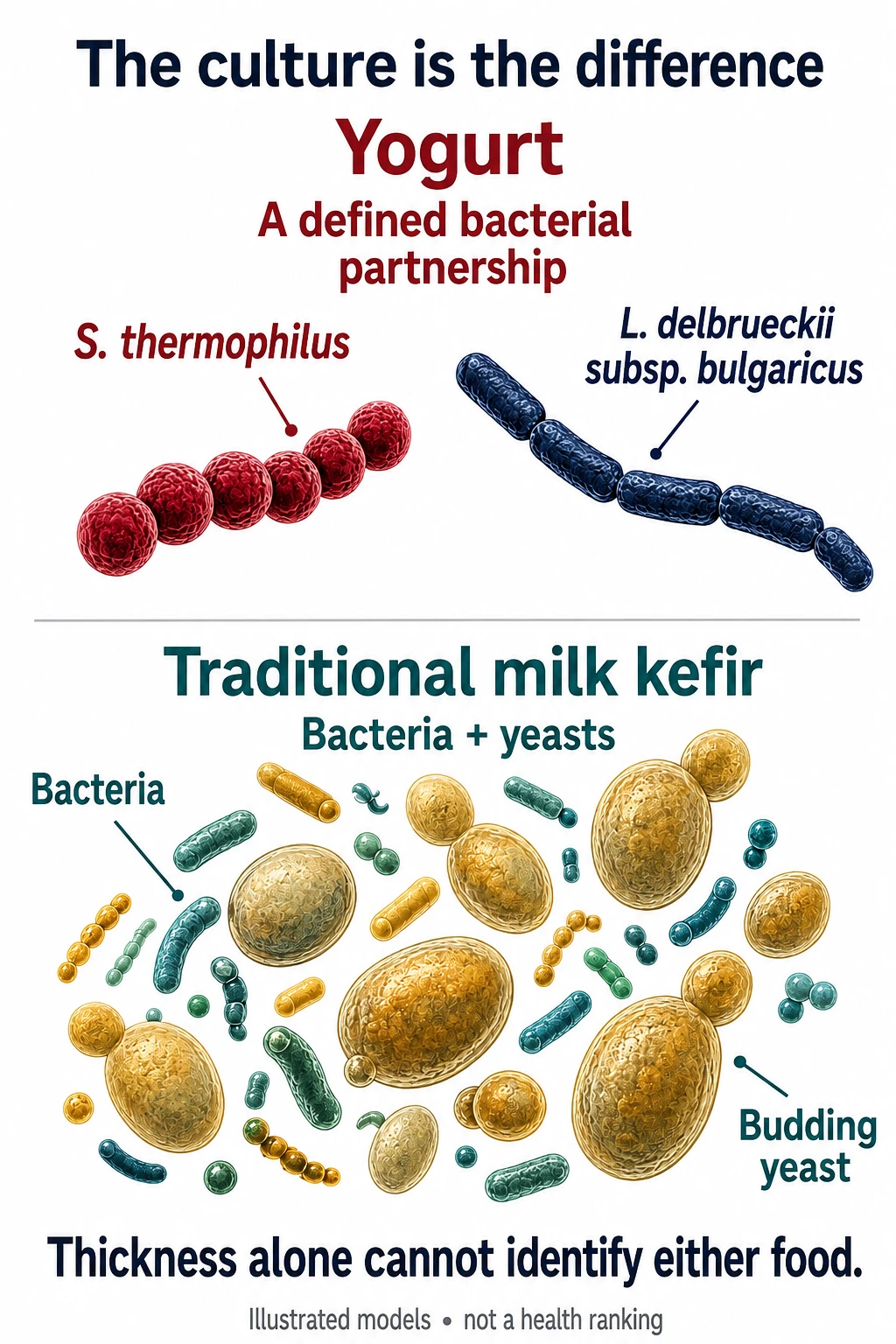
The main difference is the culture. Standard yogurt is made with a familiar pair of bacteria; traditional milk kefir has a mixed community that includes yeasts. Those yeasts help explain the aroma and gentle fizz you sometimes notice.
Thickness is a useful clue at the table, but it cannot tell you the whole story. Yogurt can be drinkable and kefir can become quite thick. The Codex standard for fermented milks distinguishes the foods by their cultures, not whether you need a spoon.
| Milk kefir | Yogurt | |
|---|---|---|
| Traditional culture | Mixed bacteria and yeasts in reusable grains | A defined pair of yogurt bacteria |
| Usual texture | Pourable; may separate into curds and whey | Often spoonable, but drinkable versions exist |
| Flavour | Tart, sometimes yeasty or lightly fizzy | Tangy, usually without a yeasty fizz |
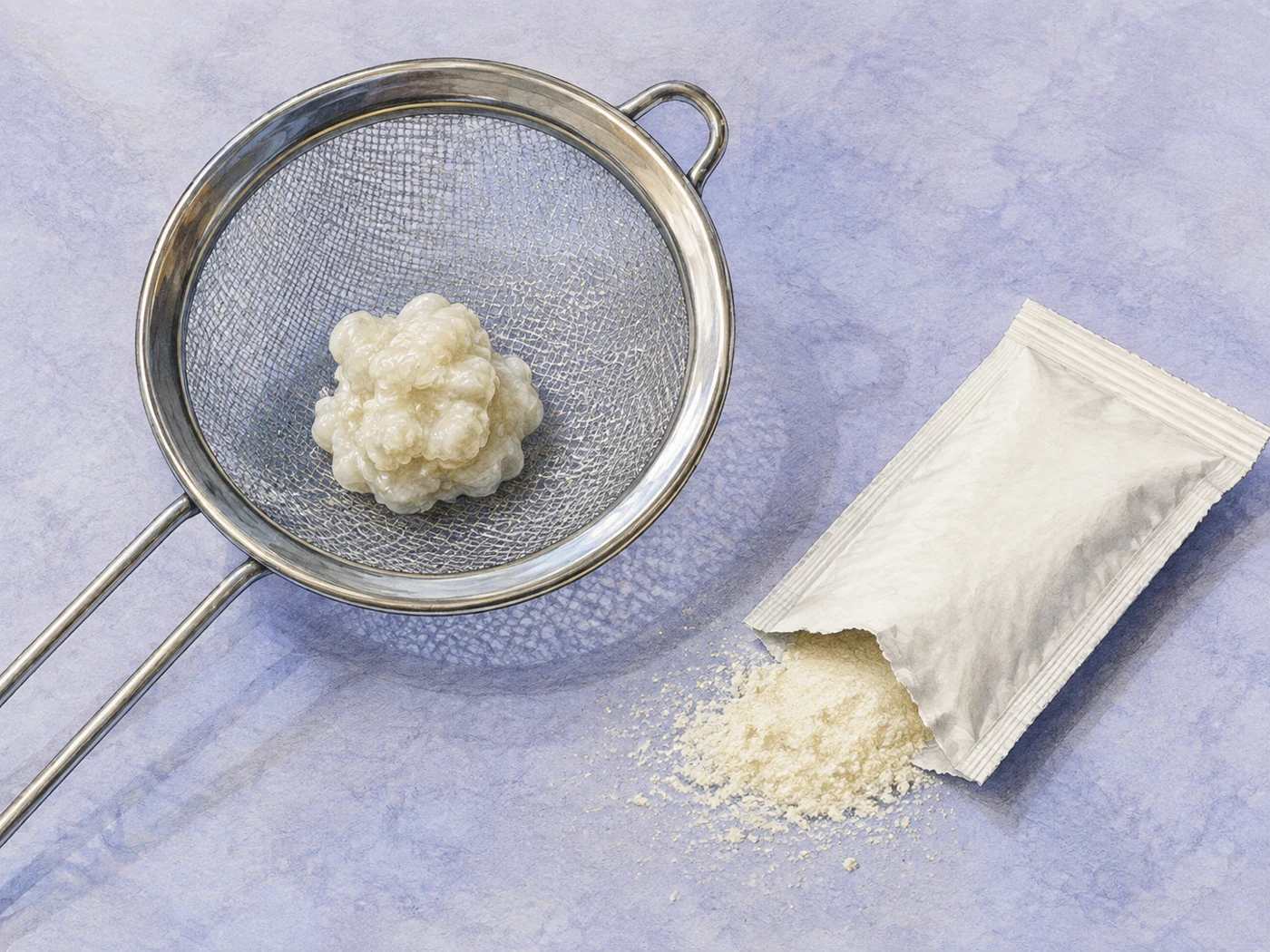
Commercial products can use selected starter cultures and different processing methods, so the table describes the usual distinction rather than every bottle on a shelf. Grains and starter powder explain another difference you may see on the label.
Milk, water or a plant drink?
Milk kefir starts with dairy milk. Fermentation changes the milk, but it does not remove the milk proteins. Milk allergy and lactose intolerance are different problems: milk kefir is unsuitable for milk allergy, even if it is labelled lactose-free.
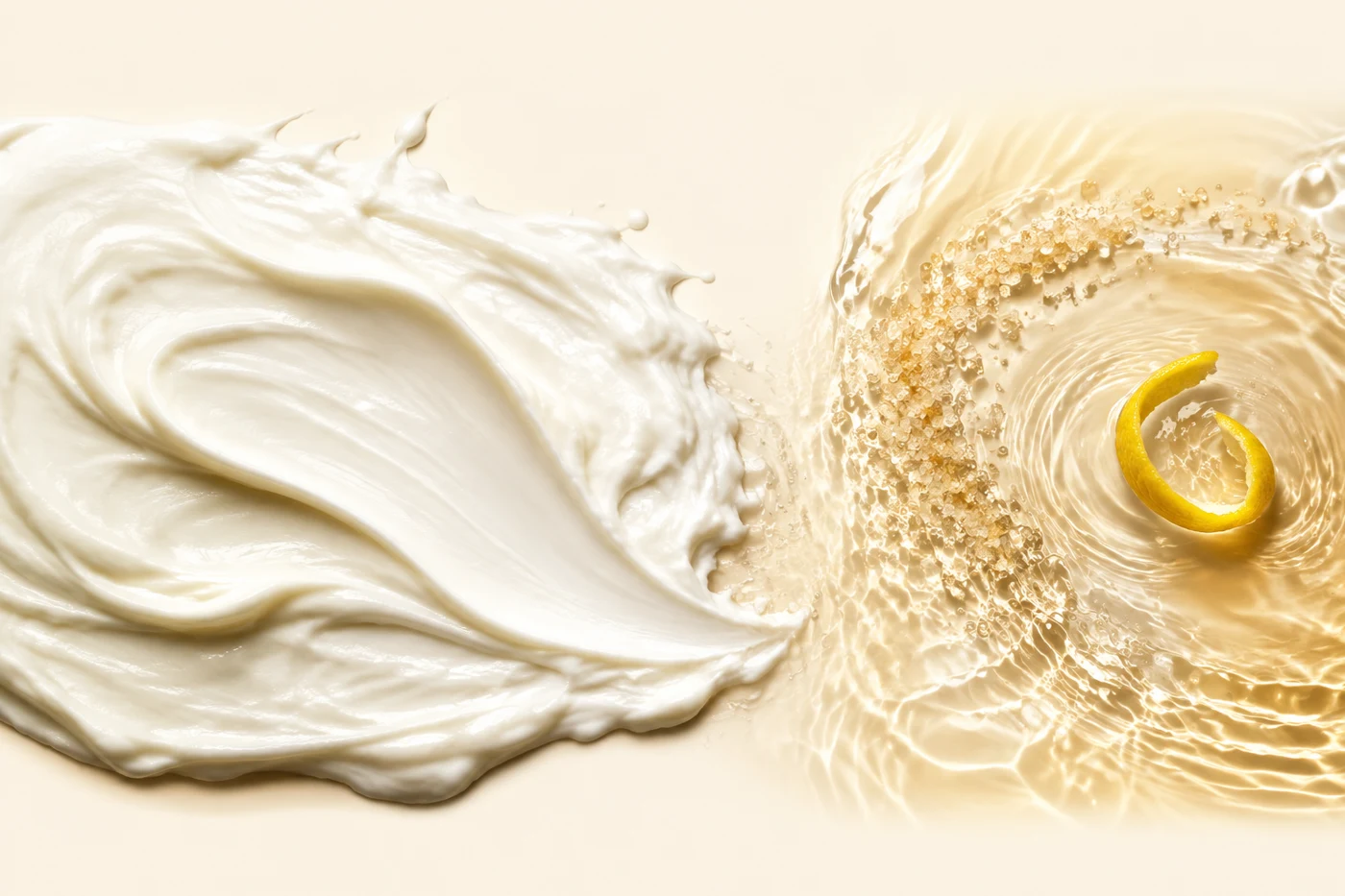
Water kefir starts with sugar water and translucent, crystal-like water-kefir grains. It is a lighter, dairy-free ferment. It can still contain sugar, and fermentation can produce alcohol. Its grains are a separate culture; putting milk-kefir grains in water does not turn them into water-kefir grains.
Plant-based kefir can be made from soy, oat, coconut or other plant drinks, commonly with a suitable starter culture. Nutrition varies considerably: check protein, added sugar and calcium rather than assuming all plant drinks provide the same thing. For milk allergy, also check the allergen statement.
The milk-and-water comparison helps you choose by taste, ingredients and the kind of fermenting you want to do.
Where did the first grains come from?
Milk kefir has longstanding ties to the North Caucasus, where households kept and passed on the culture. The details of how the first grains formed are less certain than the stories told about them. A living culture can have a long history without leaving a clear record of its first appearance.
That makes the history more interesting than a neat invention date. Follow kefir's journey through household traditions, later written accounts and stories that need to be treated as folklore. Water kefir has a different, less settled origin story.
Does “fermented” always mean the microbes are alive?
No. “Fermented” tells you how the food was made. Heating it afterwards can inactivate the starter microbes. A product may still offer nutrition and flavour, but the word alone does not promise live cultures.
If live cultures matter to you, look for that information on the label and follow the storage instructions. The label guide shows where to look.
There is a second distinction: a live microbe is not automatically a proven probiotic. In scientific use, a probiotic needs evidence that the microorganism, in an adequate amount, provides a health benefit. That is why a long list of microbes or a very large count cannot, by itself, tell you what a product will do.
Kefir and a probiotic supplement can both have a place. One is a food you might enjoy as part of a meal; the other can provide selected microbes for a purpose that has been studied. Compare them by the question you want answered.
What do you do with it besides drink it?
Kefir's acidity is useful in cooking. It can give a dressing its tang, add moisture to baking or become the base of a cold soup. You do not have to enjoy drinking it plain to find a place for it in your kitchen.

Kefir pancakes, sweet or savoury
Use kefir’s acidity in the batter.
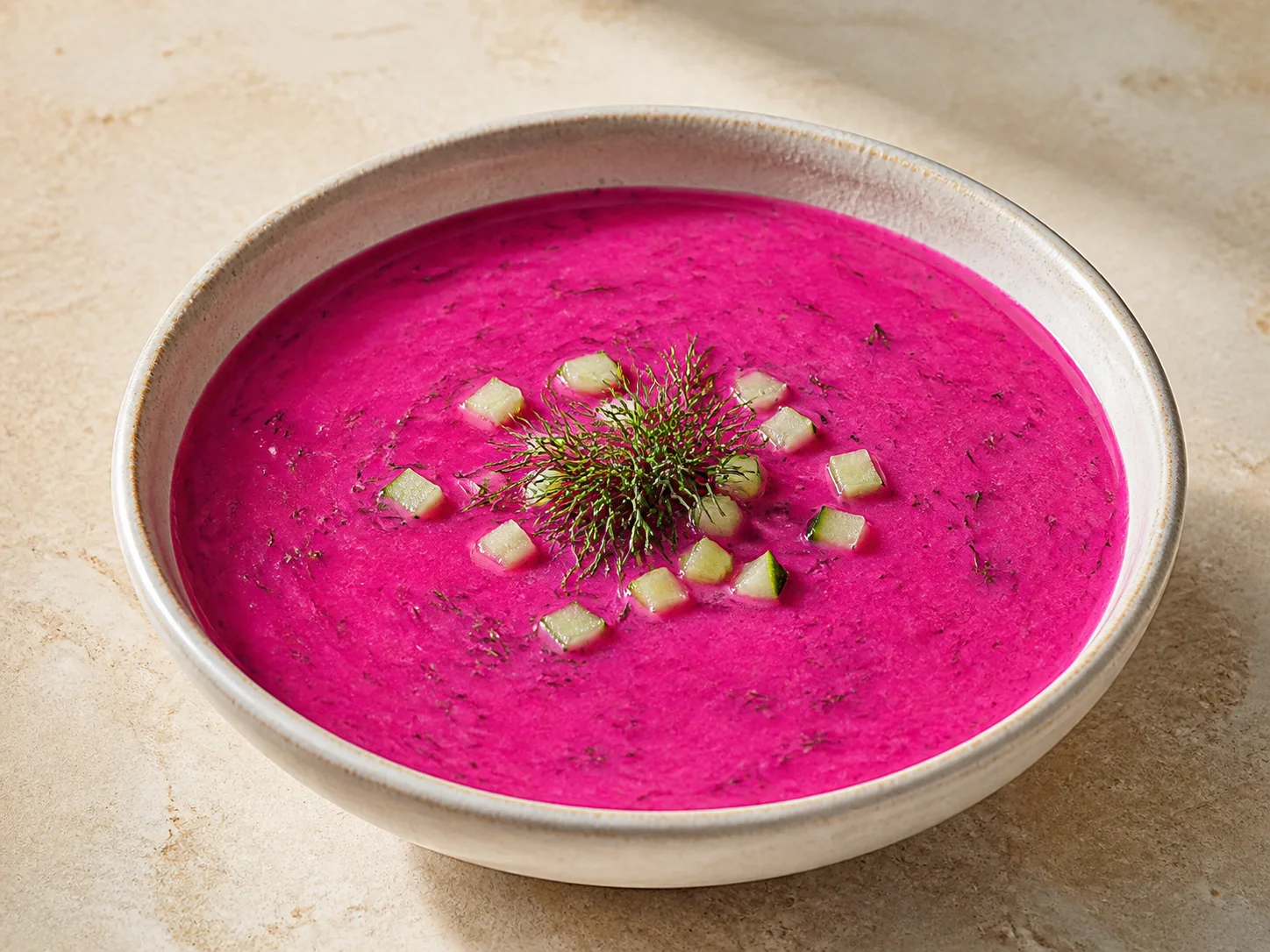
Chilled beet kefir soup
Make a cool, tangy base for lunch.
For another savoury use, try an herb dressing.
Baking will reduce or kill the live cultures. The kefir can still contribute to the food's taste and texture; a pancake does not need to be a probiotic supplement to be worth making.
For water kefir, start with the flavour guide. Lemon and ginger, peach and oolong, or mango with a little chilli take the same finished drink in different directions. Adding flavour to a cold glass is simpler than doing another sealed fermentation, which needs extra care with bottle pressure.
Even dogs have joined kefir studies
Yes, researchers have fed kefir to dogs. A study of 12 healthy adult dogs compared commercial kefir, grain-made kefir and lactase-treated milk. Despite large differences in the microbes in the drinks, the effects on the dogs' faecal microbiota were small.
It is an unexpected part of kefir research, but it does not establish a treatment or a suitable portion for your pet. Ask your vet before adding it to a dog's diet, especially if the dog has a medical condition. The fruit-and-spice drinks on this site are recipes for people.
Your first glass does not have to be a big one
Choose a kefir that suits your diet and try a small amount with a meal. For an adult who tolerates the ingredients, 60 to 120 ml is a practical tasting portion, not an evidence-based treatment dose. If it feels comfortable, you can decide whether you want more another day. Our serving guide helps you make that decision.
If you would rather make it, begin with one milk-kefir batch and learn what the culture does in your kitchen. The calculator gives a starting amount of grains for your milk, temperature and timing. It cannot judge whether the finished batch is safe.
A few questions that often follow
Does kefir contain alcohol?
It can. Yeasts produce alcohol during fermentation, and the amount varies with the culture, ingredients, time and storage. Do not assume homemade milk or water kefir is alcohol-free. See the alcohol and bottle-pressure guide.
Is homemade kefir healthier?
Making it yourself gives you control over ingredients and fermentation, but it does not automatically establish a health advantage. The culture, hygiene, storage and finished food all matter. Compare homemade and store-bought kefir.
Can I keep the grains for the next batch?
Yes, reusable grains are intended for that cycle. They need suitable feeding and care. If you are going away, check how to pause and restart them. Direct-set starter powder is a different product, so follow its instructions.
Sources and further reading
- Codex standard for fermented milks
- ISAPP consensus statement on fermented foods
- Natural milk-kefir starter review
- Water-kefir production and composition review
- Plant-based fermented-beverage review
- Controlled study of kefir and lactose digestion
- Kefir pilot study in adults with chronic constipation
- Kefir glycemic-control meta-analysis
- Kefir consumption and health effects based on human clinical trials






Comments (0)
No comments yet.
Comments could not be loaded.
Join the discussion