
Family Nutrition · Babies & Kids
Kefir for Babies and Kids: When to Start, Age-by-Age Portions & Kid-Friendly Ideas
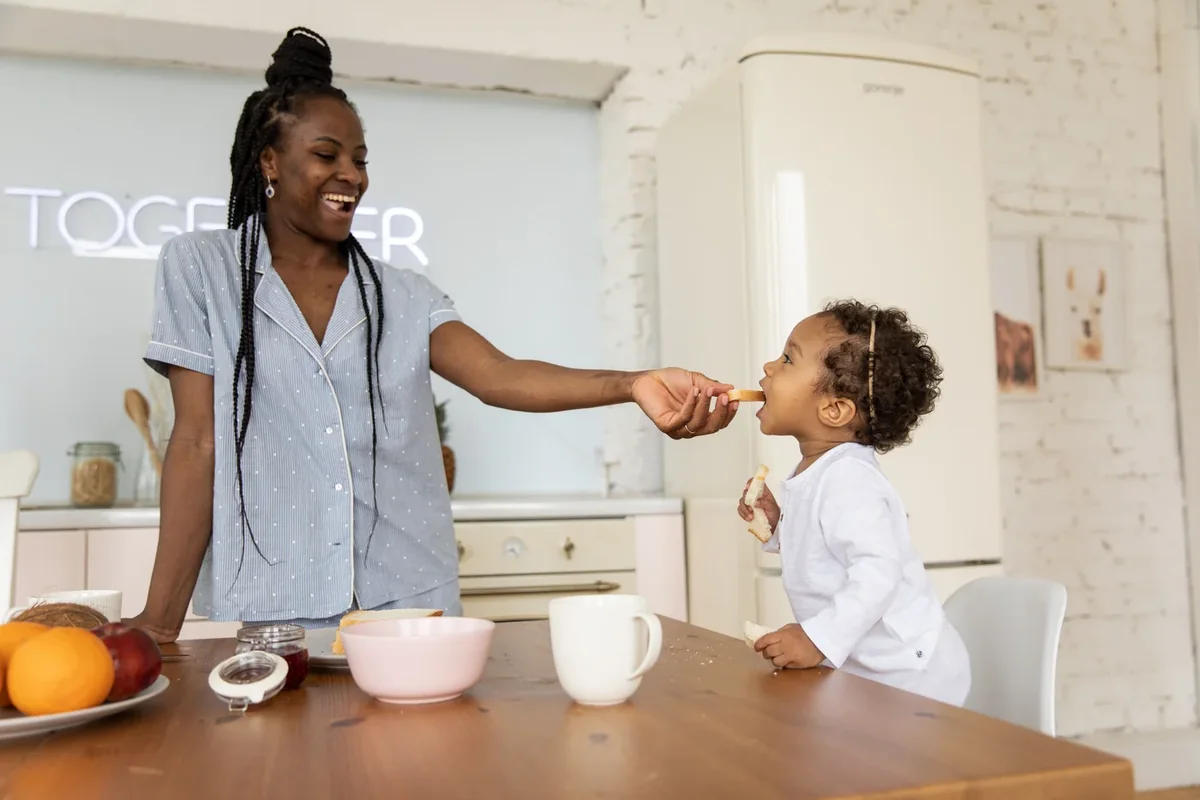
Whole cow’s milk isn’t recommended as a main drink before 12 months—yet cultured dairy fits beautifully into growing kitchens! Around 6+ months, babies starting solids can enjoy small spoonfuls of plain, unsweetened, pasteurized cultured dairy (with plain yogurt first or mild pasteurized milk kefir once your pediatrician gives the green light), and from 12+ months on, full-fat plain milk kefir truly shines in toddler cups, mini smoothies, and fruit pops.

Yes—children 12 months and older can joyfully drink pasteurized, plain, full-fat milk kefir as part of balanced meals and snacks. Before 12 months, cow’s milk shouldn’t replace breast milk or infant formula as a drink; once solids start around 6+ months, babies can enjoy small spoonfuls of plain unsweetened pasteurized yogurt right away, and mild pasteurized milk kefir once your pediatrician gives the okay.
Two golden rules for little ones: keep every drop pasteurized and unsweetened, and never give honey to any baby under 12 months old—not even a tiny drizzle stirred into kefir.
Critical Safety Rule: NEVER Give Honey to Babies Under 12 Months
Even if a kefir recipe or smoothie tastes tangy, never sweeten kefir, yogurt, oats, or fruit purees with honey for any baby under 1 year old—and skip store-bought snacks baked or glazed with honey too. Per the U.S. CDC, UK NHS, and the American Academy of Pediatrics (AAP), honey can harbor Clostridium botulinum spores that cause infant botulism, a rare but serious illness in a baby’s still-developing digestive tract. Sweeten baby’s bowl naturally with mashed ripe banana, steamed pear, or berries instead—and skip all added sugars for children under age 2.
Why 6+ months and 12+ months follow different dairy rules
Parents often feel puzzled when pediatric guides say “no cow’s milk until age one, yet plain yogurt is fine at 6 months!” The explanation is refreshingly practical: according to the CDC cow’s milk guidance and NHS infant feeding advice, drinking whole cow’s milk by the bottle under 12 months crowds out iron-rich breast milk or formula and delivers too much protein and minerals for tiny infant kidneys to process comfortably.
In contrast, offering a couple of small spoonfuls of plain, full-fat, pasteurized cultured dairy mixed into solid meals after 6 months gives babies protein, fat, and calcium without replacing their primary milk feeds—and fermentation gently breaks down part of the lactose and softens milk proteins. Once a child turns 12 months old, kidneys and digestion have matured enough to welcome pasteurized full-fat milk and plain milk kefir comfortably in a cup!
What English, Spanish, and Russian pediatric guides say about kefir
Because kefir is made around the world, looking at how different pediatric traditions handle infant kefir gives families extra clarity:
- English & Taiwanese guidance (CDC, NHS, AAP, Taiwan HPA): Plain, unsweetened, pasteurized whole-milk yogurt (cultured solely with bacteria) is widely welcomed right when babies begin solids around 6 months (AAP Starting Solid Foods). Unpasteurized dairy and honey stay strictly off the list under 12 months, and added sugar is skipped under age 2.
- Spanish pediatric nuance (AEP / AEPap perspective): Spanish pediatricians gently remind parents that traditional kefir differs from standard yogurt because kefir grains ferment with live yeasts as well as bacteria—meaning homemade or yeast-rich kefir creates mild effervescence, brisker acidity, and trace fermentation alcohol (~0.08%–0.5%+). For that reason, many Spanish pediatricians prefer starting with mild plain yogurt at 6–11 months and holding regular servings of milk kefir until around 12+ months (or checking with your pediatrician first before offering tiny tastes).
- Russian pediatric nuance (Ministry of Health tradition): In Russia, where kefir is a household staple, pediatric feeding schedules distinguish sharply between tangy adult kefir and specially formulated commercial infant kefir (детский кефир), which is standardized for low acidity and introduced gently from 8 months in 5–10 ml tastes rather than pouring adult kitchen jars for babies.
Put those three traditions together and your path is crystal clear: at 6–11 months, plain pasteurized full-fat yogurt is your easiest everyday cultured food, and if you’d like to share tiny spoonfuls of mild commercial pasteurized milk kefir (especially yeast-free or pediatrician-approved), ask your pediatrician first. Then at 12+ months, pasteurized, plain, full-fat milk kefir shines as a fun toddler cup or smoothie base! (Skip homemade water kefir for babies and young kids altogether, because sugar and yeasts can push trace ethanol up to 0.7%–2.0% ABV.)
What pediatric research actually measured with children and kefir
Does daily kefir automatically prevent tummy bugs in preschoolers? In a real-world pediatric randomized trial known as the MILK Study (Merenstein et al., 2009, PMID 19652108), 125 children aged 1 to 5 who were taking antibiotics drank a commercial pasteurized kefir beverage alongside their medicine. The kids handled the kefir comfortably with no safety issues, and while overall antibiotic-associated diarrhea rates turned out similar to the placebo drink rather than offering magic protection, the study offered warm real-life reassurance: pasteurized milk kefir is gentle and well tolerated as an everyday food for toddlers and young children, while prescribed medical care always comes first when kids are unwell.
Age-by-age kefir portions & safe dairy milestones
| Age Stage | Is Kefir Ready? | Suggested Portion | Key Kitchen Guardrails |
|---|---|---|---|
| 0–5 months | Not yet | Breast milk or infant formula only | Wait until developmental readiness for solids around 6 months; never give water, cow’s milk, kefir, or honey. |
| 6–11 months | Plain yogurt first; ask pediatrician for kefir | 1–2 tbsp plain cultured food mixed into solids | Keep breast milk/formula as main drink; strictly pasteurized, plain, full-fat, zero added sugar, and NO honey. |
| 12–23 months | Yes! Full-fat milk kefir shines | 30–60 ml to start, building to ~100–120 ml/day | Serve in an open cup or smoothie; avoid letting dairy crowd out iron-rich meats, beans, eggs, and greens. |
| 2–5+ years & big kids | Yes—drinks, oats & popsicles | 100–180 ml per snack or breakfast | Stick mostly to plain unsweetened blended with ripe fruit; skip sugary commercial drink bottles and home water kefir. |
Visual Guide: Age-by-Age Kefir Roadmap & Kid Safety Rules
Left: when to wait, when to spoon-feed plain pasteurized dairy, and when full-fat kefir cups shine. Right: four non-negotiable rules for babies and toddlers.
Family Meal Helper
How old is your child today?
Tap your child’s stage—or allergy check—for exact kitchen swaps and serving ideas.
Lead with plain pasteurized yogurt—ask your pediatrician before milk kefir
Breast milk or infant formula remains the main drink all the way to age 1. Stir 1–2 tablespoons of plain, unsweetened, pasteurized full-fat yogurt into soft oatmeal or mashed banana during daytime feeds so you can watch how baby enjoys dairy. Want to introduce mild pasteurized milk kefir too? Check with your pediatrician first because traditional grains carry live yeasts and trace alcohol—and remember: zero honey until 12+ months!
Plain full-fat pasteurized milk kefir makes an awesome toddler drink
Happy first birthday! Now that cow’s milk can join the cup menu, start with 30–60 ml of chilled pasteurized plain full-fat milk kefir in an open cup or straw cup, gradually reaching 100–120 ml as part of total daily dairy. Blend with ripe mango, strawberries, or cooked sweet potato for natural sweetness—just avoid turning kefir into an all-day sippy-cup habit so little appetites stay eager for iron-rich meats, tofu, beans, and veggies.
Hide the tang inside berry popsicles, creamy dips & warm muffins
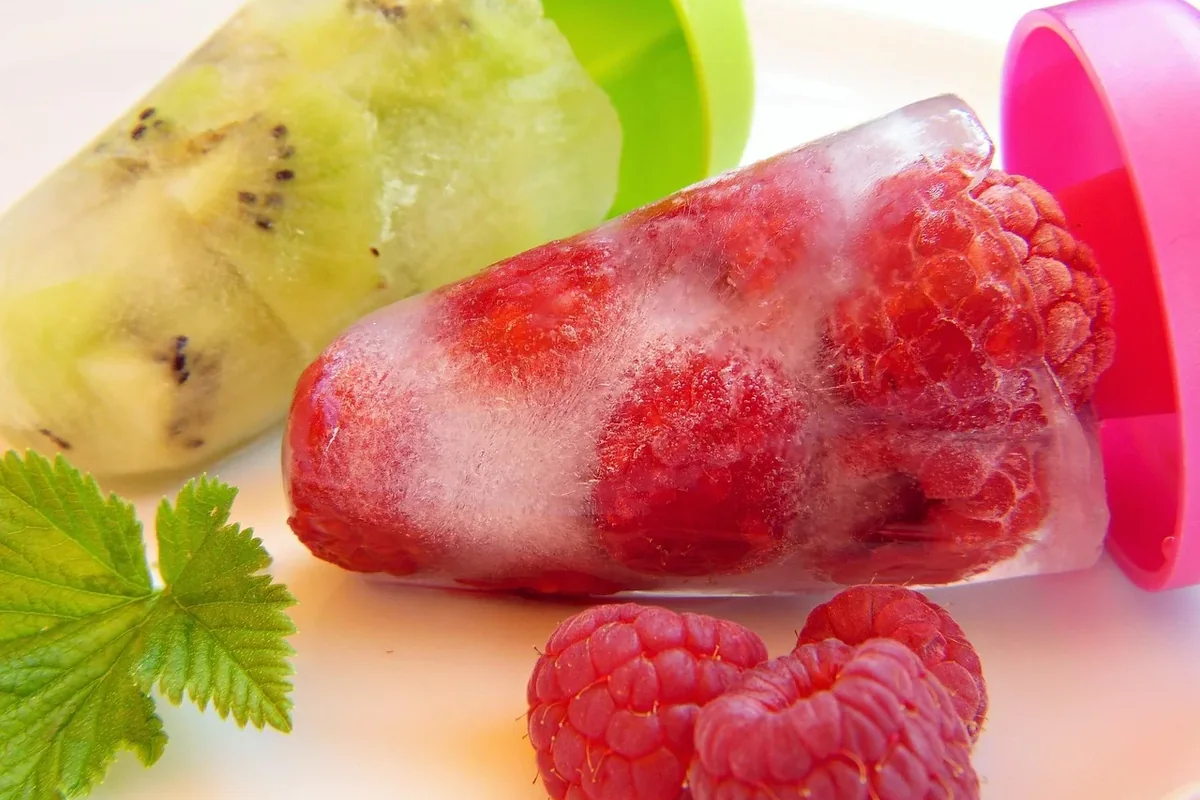
Kefir’s lively zing can surprise kids used to sweet drinks! Try mixing 1 part plain kefir with 2 parts familiar plain yogurt for a week, blending frozen berries and banana into creamy ice pops, or baking kefir into soft fruit muffins where gentle heat removes any sourness while keeping tender crumb. Letting kids sprinkle berries or dip veggies themselves works magic!
Skip all cow’s-milk kefir if your child has a milk protein allergy
Even though kefir lowers lactose (helping mild lactose sensitivity—see kefir and lactose intolerance), dairy kefir still contains full milk proteins (casein and whey). If your baby or child has a cow’s-milk protein allergy—or ever develops hives, vomiting, wheezing, facial swelling, or blood-streaked stools after dairy—skip cow’s-milk kefir completely and consult your pediatrician for calcium-fortified soy or allergy-safe plans. Seek emergency help right away for any breathing trouble or lip/tongue swelling (NHS anaphylaxis signs).
Fun, healthy kid-friendly kefir ideas (zero-honey toddler versions included!)
Kids love food that feels playful, colorful, and interactive—and turning plain pasteurized full-fat kefir into cheerful snacks takes less than five minutes:
- Berry Swirl Kefir Popsicles (Skip honey under age 1!): Blend 240 ml of plain pasteurized full-fat milk kefir with 150 g ripe strawberries or mango and ½ sweet ripe banana, pour into mini silicone pop moulds, and freeze solid. Remember: our regular strawberry kefir ice pops recipe includes honey for older kids and adults—for toddlers or anytime babies under 12 months might share a bite, use our mango, banana, or berry-only swaps with zero honey!
- Mini Oat & Fruit Spoon Smoothies: Soak 2 tablespoons of rolled oats in 90 ml plain kefir overnight, then swirl with mashed banana, cooked apple purée, or ripe mango (see our smoothie pairings). Note for apple-walnut overnight oats: whole chopped nuts and hard raw apple chunks are choking hazards for kids under 4—swap in finely grated soft pear or smooth thinned nut butter instead.
- Savory “Magic Ranch” Veggie Dip: Whisk thick strained pasteurized kefir with a tiny pinch of dried dill, chives, and mashed avocado—kids happily dunk steamed broccoli florets, soft roasted sweet-potato wedges, or whole-wheat toast strips. Explore our family-friendly garlic & chive kefir spread for older kids!
- Soft Baked Kefir Muffins & Pancakes: Folding plain kefir into weekend blueberry kefir muffins or fluffy apple cinnamon kefir pancakes yields tender, moist finger food where mild lactic acid makes baking extra fluffy even when you skip added sugar for babies.
A quick word on homemade vs. store-bought kefir for kids
Should parents pour supermarket kefir or homemade kitchen kefir for toddlers? Both can work nicely once your child is 12+ months old—just keep two gentle realities in mind:
Commercially made pasteurized milk kefir is consistently mild, tested for food safety, and many store brands culture with defined bacterial blends that keep trace yeast alcohol virtually at zero. If you brew milk kefir at home using fresh pasteurized or UHT milk and spotless jars, keep batches gently fermented (not sharply sour or fizzy), chill promptly at 4°C, and serve small kid-sized portions alongside meals. Always trust your nose and eyes—if any jar looks unusual or separates strangely in summer heat, check our safety guide before pouring for your child. And for pregnant moms reading ahead for the whole family, bookmark our pregnancy & breastfeeding kefir guide too!
Frequently Asked Questions
Can babies under 12 months eat or drink kefir?
Don’t replace breast milk or formula with cow’s milk or kefir as a main drink before 12 months. Once your baby starts solid foods around 6+ months, plain unsweetened pasteurized full-fat yogurt is the standard first cultured dairy; check with your pediatrician before offering tiny spoonfuls of mild pasteurized milk kefir because traditional kefir grains contain live yeasts and trace fermentation alcohol.
Why can’t I add a tiny drizzle of honey to sweeten my baby’s kefir?
Never give honey—raw, pasteurized, or baked—to any baby under 12 months old. Honey can contain spores of Clostridium botulinum that grow in an infant’s immature gut and cause infant botulism. Stick to mashed ripe banana, steamed pear, or unsweetened berries until after baby’s first birthday.
Should toddlers drink whole (full-fat) or low-fat kefir?
Full-fat (whole-milk), plain, unsweetened pasteurized kefir is ideal for toddlers between 12 and 24 months! Young children need dietary fat for rapid brain growth and vitamin absorption, and NHS/AAP guidelines recommend sticking with whole-milk dairy until at least age 2 unless a pediatrician advises otherwise.
Can kids drink homemade water kefir?
It’s safest to keep homemade water kefir off the menu for babies and toddlers. Unlike milk kefir, sugary water kefir relies heavily on yeasts that can create ~0.2%–2.0% ABV in home kitchens without lab testing—offer chilled water, milk, or pureed fruit smoothies instead.
How can I help a picky toddler enjoy kefir’s tangy taste?
Start gentle! Stir 1–2 teaspoons of plain pasteurized milk kefir into familiar oatmeal, ripe mashed banana, or plain yogurt, or freeze berry-banana kefir into mini popsicle moulds. Keeping portions small and cheerful lets young taste buds warm up to natural tang without any pressure.
Sources
- U.S. CDC: When, What, and How to Introduce Solid Foods
- U.S. CDC: Cow’s Milk and Milk Alternatives
- UK NHS: Foods to Avoid Giving Babies and Young Children
- UK NHS: What to Feed Young Children
- AAP HealthyChildren.org: Starting Solid Foods
- AAP HealthyChildren.org: Infant Botulism & Honey Safety
- Merenstein D, et al. (2009). MILK Study: Randomized Trial of Kefir in Children Ages 1–5. Arch Pediatr Adolesc Med (PMID 19652108)
- UK NHS: Recognizing Severe Allergic Reactions (Anaphylaxis)