
Pregnancy & Lactation · Kefir Guide
Kefir During Pregnancy and Breastfeeding: Pasteurized Safety, Trace Alcohol & Everyday Nourishment
Yes—plain kefir made from pasteurized milk can be a nourishing, calcium-rich part of life while you’re breastfeeding and even during pregnancy, as long as you honor two simple guardrails: stick strictly to pasteurized dairy and pay smart attention to trace fermentation alcohol. Here is how to choose the safest bottle (or yogurt swap) for every stage from morning sickness to nursing.

While breastfeeding, plain pasteurized milk kefir is an easy, nourishing snack rich in calcium, protein, and friendly cultures. During pregnancy, enjoy commercially made kefir explicitly labeled “pasteurized” and verified alcohol-free—or pair pasteurized plain yogurt with your meals if you want total zero-alcohol peace of mind.
Always skip raw-milk kefir (due to Listeria risk) and hold off on homemade sugary water kefir until after pregnancy, because wild yeasts can nudge alcohol traces higher than kitchen tastes suggest.
Two simple rules that make kefir safe for expecting and nursing moms
When you’re expecting or caring for a newborn, every label suddenly feels worth reading twice—and that’s a wonderful instinct. Across public-health agencies from the U.S. CDC, ACOG, and the UK NHS to European guidance in Germany (DGE / BZfE), Spain (AESAN), and Taiwan’s Health Promotion Administration (HPA), cultured dairy earns warm praise for calcium, protein, and gut comfort as soon as it clears two clear checks:
- 100% pasteurized or UHT milk only: Pregnant people are roughly 10 times more susceptible to Listeria monocytogenes, a resilient bacterium that can continue growing even inside a cold 4°C refrigerator and cross the placenta. Heat pasteurization eliminates Listeria cleanly without taking away the calcium, B vitamins, or milk protein your baby needs. That means farm-direct raw milk and unpasteurized artisanal dairy are strictly off the menu while pregnant.
- Honest awareness of trace fermentation alcohol: Unlike standard yogurt (which ferments solely with bacteria), traditional kefir grains contain both lactic acid bacteria and friendly yeasts. As yeasts sip sugar, they create joyful gentle bubbles alongside trace ethanol—normally around 0.08% to 0.5% ABV in fresh milk kefir, and occasionally climbing toward 0.7%–2.0% ABV in prolonged batches or sweet second-ferment water kefir (Kefir and Its Biological Activities, PMC8226494; PMC12690108).
Because agencies like the NHS, CDC, and ACOG recommend avoiding alcohol altogether during pregnancy (since no minimum safe level has been established), choosing tested commercial bottles that use defined non-yeast kefir cultures (0.0% ABV) or sticking with pasteurized plain yogurt until baby arrives is the calmest, most stress-free path—and chatting with your OB/GYN or midwife lets you tailor the choice to your comfort level.

Store-bought vs. homemade milk kefir vs. water kefir
German and Spanish nutrition authorities point out a practical distinction that helps families immediately: grocery-store pasteurized kefir is produced under strict hygiene controls and chilled consistently from factory to fridge, whereas kitchen-fermented jars vary from week to week depending on room heat, jar cleanliness, and how active your yeasts feel. Use this quick comparison to pick what fits your season of motherhood:
| Kefir Type | Pregnancy Status | Breastfeeding Status | Kitchen & Label Check |
|---|---|---|---|
| Commercial Pasteurized Milk Kefir | Good option (check ABV/label) | Wonderful everyday snack | Look for “pasteurized milk,” plain unsweetened, and check whether the brand uses yeast-free 0.0% cultures or keeps ABV <0.5%. |
| Homemade Pasteurized Milk Kefir (24h mild) | Ask OB/GYN first | Safe with clean jars | Must use fresh pasteurized or UHT milk, spotless hot-washed glass jars, short 18–24h mild ferments, and immediate 4°C chilling—carries natural ~0.08%–0.5% trace ABV. |
| Water Kefir (especially 2F fruit fizz) | Skip until after delivery | Prefer mild/tested or skip | Sugar + wild/grain yeasts can easily climb to 0.7%–2.0% ABV in sealed bottles; see our water kefir alcohol guide. |
| Raw / Unpasteurized Milk Kefir | Never during pregnancy | Avoid for household safety | Unpasteurized dairy risks Listeria, Salmonella, and E. coli; always pick heat-pasteurized or UHT milk bases. |
Visual Guide: Pregnancy & Lactation Kefir Safety Matrix
Left: how pasteurization and trace fermentation alcohol compare across kefir styles. Right: four simple label and kitchen habits for calm nourishment.
Sparkling clean kitchen jar hygiene if you ferment at home
If you already tend milk kefir grains at home—especially while breastfeeding, or if your obstetric provider gives you the green light for mild 24-hour pasteurized milk kefir—a calm, tidy kitchen routine keeps every glass clean and joyful:
- Fresh pasteurized or UHT milk only: Pour straight from a cold, sealed supermarket carton (avoid open counter milk or unpasteurized farm milk). You can step through our milk kefir starter guide for exact ratios.
- Hot soapy jar reset every single batch: Wash your glass jar, nylon strainer, and spoon thoroughly with hot water and dish soap and rinse completely clean—don’t leave old milk film in the jar from week to week.
- Keep fermentation mild and covered: Cover the jar with a clean coffee filter or tight-weave cloth secured with a rubber band so fruit flies stay out. In mild rooms (20–25°C), strain right around 18–24 hours; in warm summer kitchens (28–33°C), use fewer grains and strain around 10–14 hours so yeasts don’t push sharpness or trace alcohol upward.
- Chill immediately & trust your senses: Refrigerate strained kefir right away at 4°C or colder and drink within a few days. And while pregnant or nursing, never take chances on a questionable jar—if anything smells rotten or shows fuzzy spots, toss both batch and grains immediately and review how to tell if kefir is safe.
Stage Helper · Match Your Week
Which trimester or feeding season are you in right now?
Tap the stage closest to your day for tailored food pairings and peace-of-mind tips.
Pick tested 0.0% pasteurized kefir or cold plain yogurt in tiny sips
Early pregnancy brings heightened taste buds, morning nausea, and the strictest commitment to zero alcohol. If homemade kefir feels too sour or leaves you wondering about trace yeast ethanol, skip home brews for now! Reach for a chilled commercial pasteurized bottle labeled alcohol-free—or spoon cold plain pasteurized yogurt over crackers or berries—starting with just 50–80 ml alongside toast.
Team plain pasteurized kefir with fiber-rich fruit and water
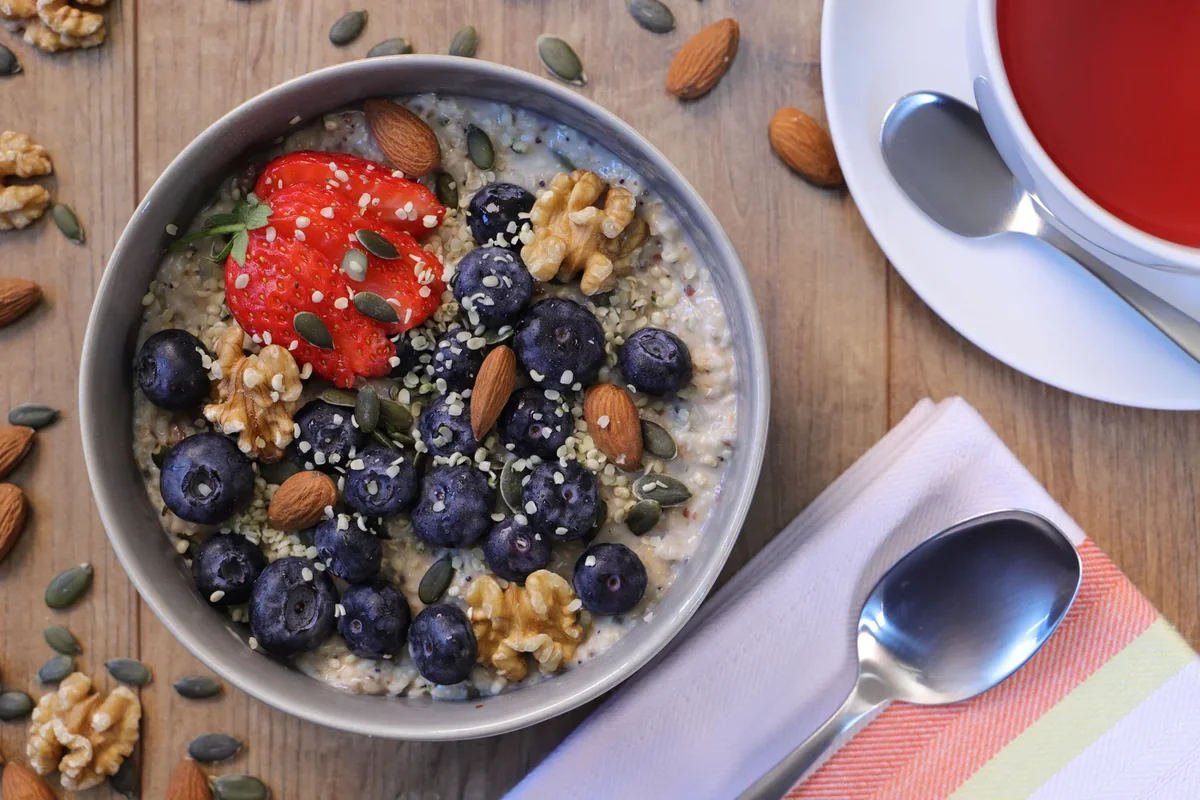
Progesterone naturally slows gut transit in the second and third trimesters, and prenatal iron supplements can make stools firmer. Stirring 100–150 ml of cold pasteurized plain kefir into apple-walnut overnight oats or topping sliced kiwi and chia seeds pairs live cultures with soluble fiber and hydration. If you take iron pills, spacing dairy about 2 hours away from your iron supplement helps your body absorb iron even better—see our constipation guide.
Choose strictly plain, unsweetened pasteurized kefir and count its carbs
When managing gestational diabetes (ACOG GDM guidance), sweetened kefir smoothies pack added sugar that spikes morning blood sugar fast. Plain unsweetened whole or low-fat milk kefir keeps milk protein intact with zero added cane sugar (usually ~8–11 g natural carbs per cup), and pairing 120–150 ml with nuts, chia seeds, or scrambled eggs helps keep post-meal readings steady—just log it within your dietitian’s carb budget. Explore kefir and blood sugar.
Enjoy chilled pasteurized milk kefir anytime between feeds
Nursing parents burn extra energy and need steady calcium, protein, and fluids. Cold pasteurized plain milk kefir in a bottle or blended into a quick berry-and-oat smoothie takes two minutes to sip one-handed! Trace fermentation ethanol in mild pasteurized milk kefir (<0.5% ABV) is rapidly cleared, and per CDC maternal diet guidance, breastfeeding parents generally don’t need to avoid dairy unless a pediatrician confirms a cow’s-milk protein sensitivity in your baby.
Calcium, protein, gentle regularity & gestational diabetes
Beyond food-safety checklists, why do so many expecting and nursing parents fall in love with plain pasteurized milk kefir? Because a single 180–240 ml glass quietly delivers meaningful calcium for growing bones, roughly 8–10 grams of complete milk protein, vitamin B12, and far less lactose than plain milk—a welcome relief if pregnancy suddenly makes regular milk feel heavy on your stomach (learn about kefir and lactose).
If you’re also navigating gestational diabetes (GDM), plain unsweetened pasteurized dairy fits naturally alongside balanced meals. In clinical research, fermented milk and kefir supplementation have shown encouraging support for fasting glucose and insulin balance (meta-analysis of kefir and glycemic control, PMID 34375990; 2025 early-pregnancy fermented milk trial, PMID 40988566). In real kitchen terms, that means swapping sweetened fruit yogurts or sweet milk tea for plain, unsweetened kefir topped with crushed walnuts or chia seeds gives your body gentle protein and steady energy instead of a sugar spike. Check our label-reading guide to spot hidden sugars in seconds.
Breastfeeding with kefir: relaxing into everyday nourishment
Once baby arrives, those strict pregnancy raw-food restrictions ease up—and pasteurized milk kefir becomes one of the easiest one-handed foods in your kitchen! Keep a pitcher of chilled plain kefir next to sliced fruit or stir a ladle over overnight oats for middle-of-the-night or morning hunger.
Many new parents wonder whether drinking cultured foods gives a breastfed baby tummy gas or whether trace ethanol passes into breast milk. Good news: friendly probiotics live in your digestive tract and don’t pass directly into breast milk as live bubbles to make baby gassy, and the negligible trace alcohol (<0.5% ABV) in standard commercial or mild 24-hour pasteurized milk kefir is processed swiftly by your liver—much like drinking fresh orange juice or eating ripe fruit (still, skip strong sweet water kefir or high-ABV home brews, and check CDC lactation diet guidance if you have any questions). Only if your pediatrician spots persistent blood-streaked mucus in diapers, severe rash, or confirmed cow’s-milk protein allergy would you need to pause dairy—otherwise, enjoy your glass happily!
When to call your OB/GYN, midwife, or doctor
Never consume raw or unpasteurized milk during pregnancy. According to CDC Listeria prevention guidance and CDC foods during pregnancy advice, contact your obstetric care team promptly if you develop fever, chills, muscle aches, headache, stiff neck, or stomach illness during pregnancy—even mild flu-like symptoms after eating questionable dairy deserve a quick check. And if you have a weakened immune system or a medically supervised high-risk pregnancy, verify any live fermented food with your doctor first.
Frequently Asked Questions
Can I drink store-bought kefir while pregnant?
Yes, as long as the bottle clearly states it is made from pasteurized milk, has been kept consistently refrigerated, and aligns with your doctor’s guidance on trace alcohol. Many supermarket brands ferment solely with defined bacterial cultures (~0.0% ABV), making them an effortless pregnancy pick.
Is homemade milk kefir safe during pregnancy, or should I wait?
Because homemade kefir grains naturally hold yeasts that create trace fermentation alcohol (commonly ~0.08%–0.5% ABV, and sometimes higher if warm or long-fermented), many obstetric clinicians and European food-safety agencies recommend choosing tested 0.0% commercial pasteurized kefir or pasteurized yogurt during pregnancy. If you ferment at home with your doctor’s blessing, use strictly pasteurized/UHT milk, wash every jar in hot soapy water, keep batches mild (18–24h, or 10–14h in summer heat), and chill promptly at 4°C.
Can I drink water kefir while pregnant or breastfeeding?
It’s best to skip homemade water kefir—especially fruity second-ferment bottles—during pregnancy, because sugar and yeasts can easily produce 0.7%–2.0% ABV without any way to test exact levels in your kitchen. While breastfeeding, unfermented fruit water or tested zero-alcohol options are simpler whenever strict zero alcohol matters.
Is plain kefir good for pregnancy constipation or gestational diabetes?
Plain unsweetened pasteurized milk kefir is great for both! Paired with rolled oats, kiwi, chia seeds, and plenty of water, it gently encourages comfortable bowel movements—and without added sugar or syrups, its milk protein helps fit smoothly into a gestational diabetes meal plan when counted within your carb budget (just space it 2 hours from prenatal iron pills for best iron absorption).
If I drink milk kefir while breastfeeding, will it make my baby gassy?
Usually no! Live kefir microbes stay in your own digestive tract rather than passing bubbles into breast milk. Pasteurized milk kefir is widely enjoyed while nursing—unless your pediatrician specifically identifies a cow’s-milk protein allergy in your baby, you don’t need to give up cultured dairy.
Sources
- U.S. CDC: Protect Your Pregnancy From Listeria
- U.S. CDC: Safer Food Choices for Pregnant Women
- UK NHS: Foods to Avoid in Pregnancy
- UK NHS: Drinking Alcohol While Pregnant
- ACOG: Nutrition During Pregnancy
- ACOG: Gestational Diabetes
- U.S. CDC: Maternal Diet & Breastfeeding
- Azizi NF, et al. (2021). Kefir and Its Biological Activities. Foods (PMC8226494)
- Water Kefir Multi-Omics & Ethanol Measurements (2025, PMC12690108)
- Salari A, et al. (2021). Effects of Kefir Beverage Consumption on Glycemic Control: Meta-Analysis (PMID 34375990)
- 2025 Randomized Trial: Fermented Milk Supplementation & Gestational Diabetes Risk (PMID 40988566)
- Taiwan Health Promotion Administration (HPA): Maternal & Prenatal Health Portal