
Pets & Home Kitchen · Dogs & Cats
Can Dogs and Cats Have Kefir? Safe Portions, What Vet Research Shows & Ingredients to Avoid
Yes—healthy adult dogs, and curious cats in tiny saucer licks, can often enjoy a small spoonful of plain, unsweetened, pasteurized milk kefir as a gentle meal topper! Because live fermentation breaks down most of the lactose, plain milk kefir is far kinder on pet tummies than regular cow’s milk—as long as you keep portions small and avoid dangerous sweeteners or fruit add-ins.
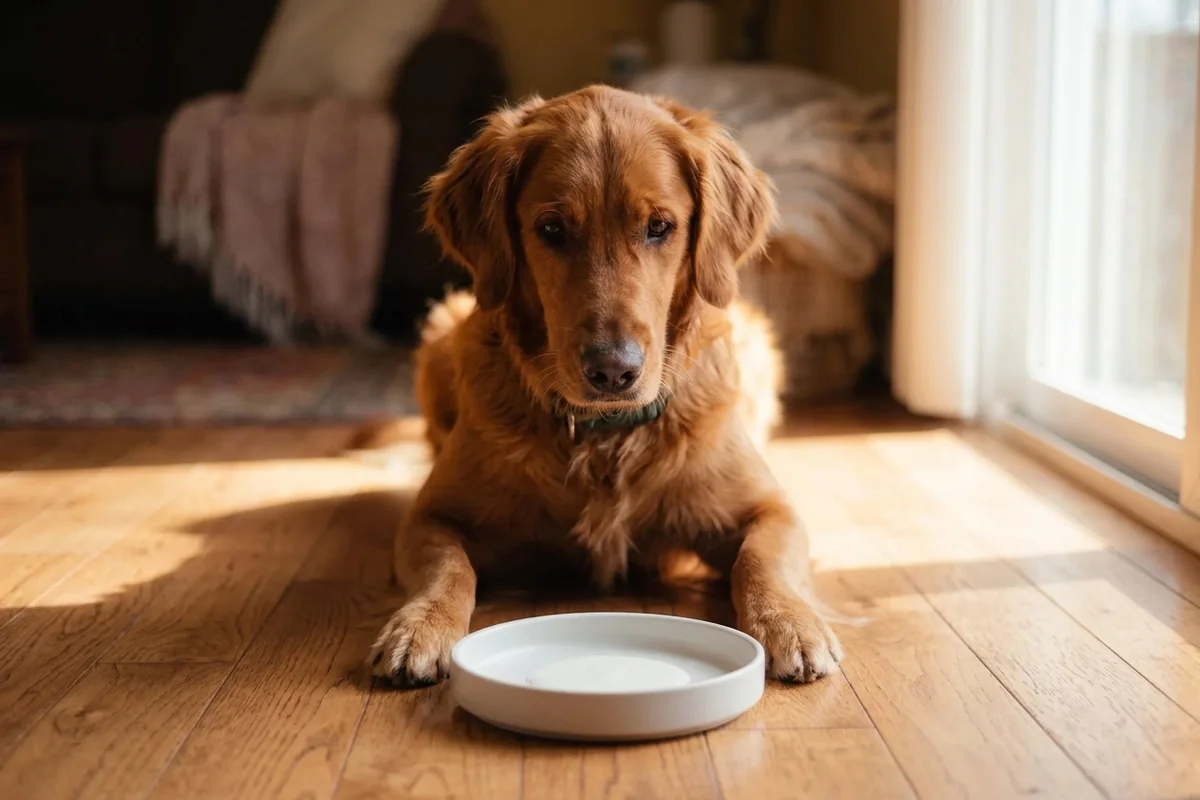
Yes, healthy adult dogs—and tolerant adult cats in occasional tiny tastes—can safely enjoy plain, unsweetened, pasteurized milk kefir as a meal topper. Fermentation reduces most of the milk sugar (lactose), making kefir gentler than a bowl of fresh milk, though starting with ¼ to 1 teaspoon lets you make sure your pet’s stomach agrees.
Never share flavored bottles, human kefir dips, or fruit water kefir without checking ingredients: xylitol, grapes, raisins, cocoa, onions, and macadamia nuts are toxic to pets.
CRITICAL PET SAFETY BOX: Toxic Ingredients Never to Share With Kefir
- Xylitol (birch sugar): Sometimes hidden in “sugar-free,” “keto,” or flavored yogurts and human probiotic powders! Per the U.S. FDA and ASPCA, xylitol causes a sudden, life-threatening insulin surge (hypoglycemia), seizures, and liver failure in dogs even in small amounts.
- Grapes, raisins, sultanas & currants: Raisins and dried fruit are frequently dropped into homemade water kefir jars or bircher muesli! Per the AKC and ASPCA, grapes and raisins can trigger sudden, fatal acute kidney injury in dogs (and should also be kept away from cats).
- Chocolate, macadamia nuts, onions, garlic, chives & alcohol: Keep human recipes like our garlic & chive kefir spread and banana cocoa kefir soft serve strictly for humans! Allium herbs (onions, garlic, chives) damage pet red blood cells, cocoa and macadamia nuts are toxic, and pets cannot metabolize alcohol safely.
Why dogs (and some cats) handle plain milk kefir better than regular milk
Every pet parent has seen the warning against giving dogs or cats a saucer of cow’s milk. As the American Kennel Club (AKC) and Cornell Feline Health Center explain, most weaned adult dogs—and the vast majority of adult cats—make very little lactase, the digestive enzyme needed to break down lactose in fresh milk. Undigested lactose draws water into the gut and triggers gas, gurgling, or diarrhea.
Traditional plain pasteurized milk kefir changes that story gently—just like plain unsweetened yogurt (AKC yogurt guidance), only with broader microbial diversity! During fermentation, friendly lactic acid bacteria consume most of the lactose and turn it into soothing lactic acid, leaving a creamy cultured topper that German veterinary writers (Kefir für Hunde) and Taiwanese pet nutritionists often recommend in tiny starter spoonfuls for healthy dogs. Because trace lactose and full milk proteins still remain, going slowly lets every pet’s tummy vote cleanly.
Why plain milk kefir beats sugary fruit water kefir for pets
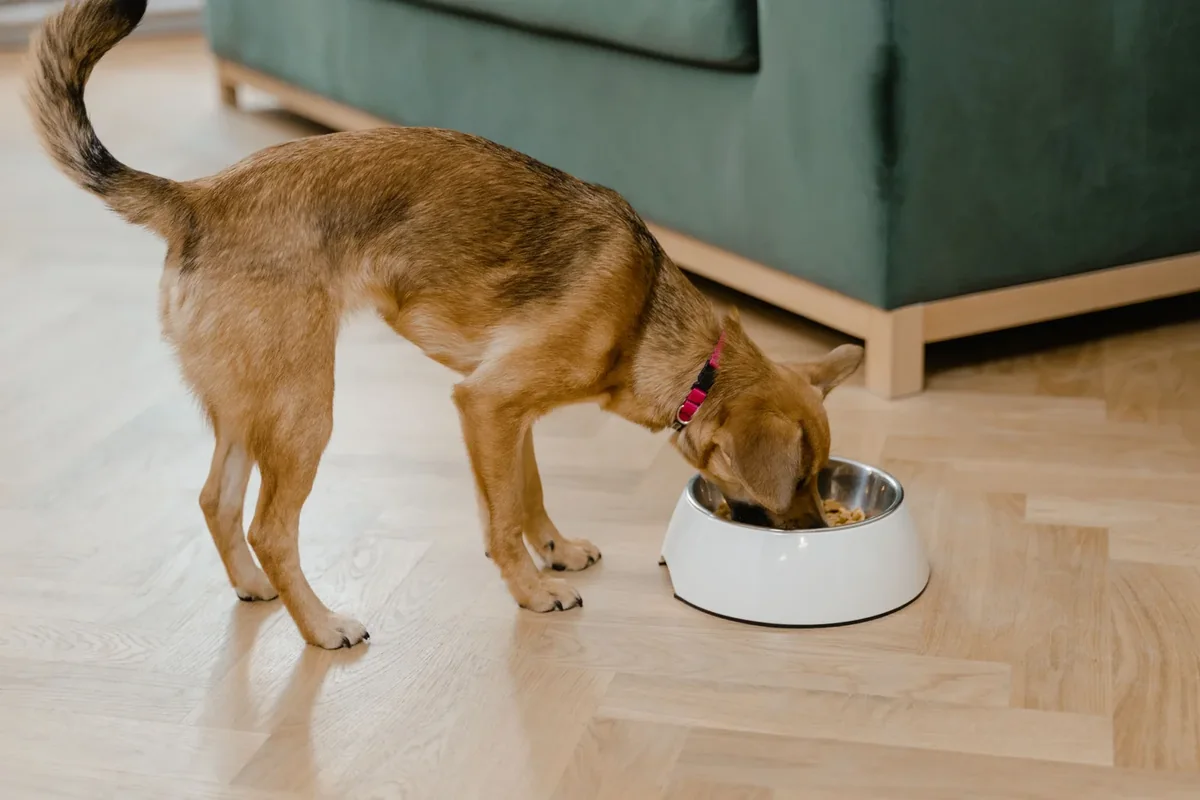
If you brew both dairy and non-dairy ferments in your kitchen, always save the plain unsweetened pasteurized milk kefir for your dog or cat and keep water kefir strictly in human glasses. Sugary fruit water kefir brings zero nutritional benefit for dogs or obligate-carnivore cats: it adds residual sugar, higher yeast-driven trace ethanol (sometimes climbing toward 0.7%–2.0% ABV), and common flavor add-ins like raisins, citrus oils, or artificial sweeteners that don’t belong anywhere near a pet bowl. Unflavored pasteurized milk kefir (fresh milk + live cultures only) keeps everything clean, simple, and predictable.
What veterinary nutrition research actually shows
In a 2023 controlled feeding study from the University of Illinois (PMID 37742216; PMC10590171), healthy adult dogs received 30 mL of either commercial or traditional kefir twice a day (60 mL daily) on top of their complete diet. Both types were well tolerated with healthy stool consistency, normal nutrient digestibility, and gentle shifts in fecal metabolites and microbes. Earlier canine research from Konkuk University (PMID 30827566) similarly found that 2 weeks of daily milk kefir boosted friendly lactic acid bacteria in healthy adult dogs without adverse clinical effects. At the same time, a 2020 market test of commercial companion-animal kefirs (PMID 32914845; PMC7523595) found that specialized “pet kefir” bottles didn’t always match their printed microbe labels—making fresh, plain, human-grade pasteurized milk kefir (with pure milk + cultures only) or vet-prescribed pet probiotics much more transparent choices.
Pet starter portions & the 10% daily calorie rule
Under the AKC and veterinary 10% treat rule, toppers, training treats, and snacks combined should stay under 10% of your pet’s total daily calories so 90%+ of nutrition comes from balanced, complete dog or cat food. Start with a tiny taste for 3–5 days, watch stool firmness, and build gradually only if your pet thrives on it:
| Pet Size / Species | Day 1–5 Starter Taste | Steady Occasional Topper | Practical Kitchen Note |
|---|---|---|---|
| Healthy Adult Cats | ¼ teaspoon | ¼–½ tsp (max 1 tsp occasionally) | Obligate carnivores & often lactose-sensitive; skip completely if any soft stool or vomiting occurs. |
| Toy Dogs (<5 kg / <11 lbs) | ¼–½ teaspoon | ½–1 teaspoon | Tiny stomachs fill up fast—count every drop toward the 10% daily calorie treat budget. |
| Small Dogs (5–10 kg / 11–22 lbs) | ½ teaspoon | 1 tsp – 1 tablespoon | Great spooned over kibble or frozen onto a silicone lick mat. |
| Medium Dogs (10–25 kg / 22–55 lbs) | 1 teaspoon | 1–2 tablespoons | Keep plain and unflavored; choose low-fat pasteurized if watching calories. |
| Large Dogs (25+ kg / 55+ lbs) | 1–2 teaspoons | 2–3 tablespoons | Even big dogs only need a couple of spoonfuls—never pour a big human glass! |
Visual Guide: Pet Kefir Starter Portions & Safe vs. Toxic Checklist
Left: gentle starter portions keeping all treats under 10% of daily calories. Right: green-light pure milk kefir vs. red-alert kitchen hazards.
Pet Kitchen Check
Who is begging near the fridge today?
Tap your pet’s situation for quick vet-aligned guidance and safe serving boundaries.
Start with ½–1 teaspoon of plain pasteurized milk kefir
Check the label so only milk and live cultures appear inside (no sugar, honey, xylitol, fruit purees, or flavorings). Drizzle ¼–1 tsp for toy/small dogs or 1–2 tsp for medium/large dogs over their regular kibble, watch stools over 3–5 days, and work up gradually toward 1–3 tbsp max for big breeds while staying comfortably under 10% of daily calories.
Keep it to ¼–½ teaspoon on a saucer—and skip if stools soften
Because adult cats are obligate carnivores and mostly lactose intolerant (Cornell Feline Health Center), they never need dairy in their diet. Still, if your healthy adult cat eagerly paws for a lick, ¼–½ tsp of plain pasteurized milk kefir (less lactose than fresh milk) is usually tolerated—just stop immediately if you notice loose stools, gas, or vomiting.
Hold off on dairy kefir until your veterinarian signs off
Skip whole-fat dairy completely for pets with a history of pancreatitis or fat sensitivity, liver or kidney disease (where extra protein, fat, and phosphorus matter), chronic GI flare-ups/IBD, or suspected milk protein allergy (itchy ears, paw licking, red skin, diarrhea). Growing puppies and kittens also need tightly balanced calcium ratios—ask your vet about canine/feline-formulated probiotics instead.
Don’t wait for symptoms—seek urgent veterinary care now
If your dog licked a flavored yogurt or kefir containing xylitol (birch sugar), chewed grapes or raisins from a water kefir jar, or ate cocoa/garlic kefir recipes, call your veterinarian, nearest 24-hour emergency animal hospital, or pet poison helpline right away—xylitol drops blood sugar within minutes and grapes can injure kidneys quickly.
Easy, dog-safe ways to serve plain milk kefir
Turning a spoonful of chilled plain pasteurized milk kefir into a joyful enrichment treat takes seconds:
- Frozen Lick Mat Enrichment: Smear ¼ tsp (cats/toy dogs) up to 1–2 tbsp (medium/large dogs) of plain pasteurized milk kefir across a textured silicone lick mat—optionally swirled with a teaspoon of plain steamed pumpkin purée (zero pie spices!)—and pop in the freezer for 30 minutes. Licking slowly calms restless dogs on rainy afternoons.
- Summer Berry Pawsicles (Dogs only, no grapes!): Mix 2 tbsp plain pasteurized milk kefir with 1 mashed dog-safe blueberry or strawberry (never grapes, raisins, or xylitol!) and freeze in tiny silicone moulds for a refreshing hot-weather treat.
- Everyday Kibble Drizzle: Stir a tiny splash of plain milk kefir into dry kibble with a spoonful of warm water to tempt picky senior dogs—just rinse the bowl thoroughly right after mealtime so dairy doesn’t sit out in warm weather.
Whenever you pick up a bottle at the supermarket instead of culturing at home (see our milk kefir guide), read our label-reading guide first so zero sneaky sweeteners slip into your pet’s bowl.
When to skip kefir and call your veterinarian
Kefir is a gentle kitchen treat—never a substitute for veterinary diagnosis when a pet is sick! If your dog or cat already has diarrhea lasting more than a day, repeated vomiting, lethargy, blood in the stool, abdominal pain, or chronic ear/skin itching, skip dairy snacks and call your veterinarian promptly. Pets with pancreatitis, liver disease, kidney disease, diabetes, or food allergies always deserve vet-cleared nutrition tailored to their labs. And if you’re ever unsure whether a home-fermented jar looks fresh enough for humans or pets, review how to tell if kefir is safe before serving anyone in your home!
Frequently Asked Questions
How much plain kefir can I safely give my dog or cat?
Start very small for 3–5 days: ¼ tsp for healthy adult cats and toy dogs, ½ tsp for small dogs, and 1–2 tsp for medium or large dogs. Once stools stay completely normal, occasional servings can reach ¼–½ tsp for cats, ½–1 tsp for toy dogs, 1–2 tbsp for medium dogs, and up to 2–3 tbsp for large breeds—keeping all snacks under 10% of daily calories.
Is milk kefir gentler on dogs and cats than regular cow’s milk?
Yes—fermentation breaks down most of the lactose that gives adult dogs and cats gas or diarrhea from regular milk. Still, trace lactose and full milk proteins remain, so sensitive dogs and most cats should only ever have tiny starter tastes (and stop if stools soften).
Can dogs or cats drink homemade fruit water kefir?
No—keep water kefir strictly for humans. Fruit water kefir adds unnecessary sugar, carries higher yeast-driven trace alcohol (~0.2%–2.0% ABV), and sometimes uses raisins, figs, or flavorings that aren’t pet-safe. Plain unsweetened pasteurized milk kefir is the right option to share.
Which yogurt or kefir ingredients are toxic to dogs?
The biggest hidden threat in “sugar-free” dairy is xylitol (birch sugar), which causes sudden fatal drops in blood sugar and liver failure in dogs. Never share kefir containing grapes or raisins (kidney failure), chocolate/cocoa, macadamia nuts, alcohol, or onions/garlic/chives from savory human dips.
Should I feed kefir if my pet has diarrhea or pancreatitis?
No—skip full-fat dairy and check with your veterinarian first! Fats in whole-milk kefir can trigger painful flares in dogs prone to pancreatitis, and active diarrhea, liver/kidney conditions, or suspected milk allergies need vet-approved diets and targeted pet probiotics rather than kitchen leftovers.
Sources
- American Kennel Club (AKC): Can Dogs Eat Yogurt? (Plain Cultured Dairy & Xylitol Warnings)
- American Kennel Club (AKC): Can Dogs Drink Milk?
- American Kennel Club (AKC): How Many Treats Can Dogs Have Per Day? (10% Rule)
- American Kennel Club (AKC): Can Dogs Eat Grapes & Raisins?
- U.S. FDA: Paws Off Xylitol—It’s Dangerous for Dogs
- ASPCA Animal Poison Control: People Foods to Avoid Feeding Your Pets
- Cornell Feline Health Center: Feeding Your Cat
- Swanson Lab / Univ. of Illinois (2023). Commercial and Traditional Kefir Supplementation in Healthy Adult Dogs. J Anim Sci (PMID 37742216 / PMC10590171)
- Kim DH, et al. (2019). Modulation of the Intestinal Microbiota of Dogs by Kefir. J Dairy Sci (PMID 30827566)
- Metry CA, et al. (2020). Assessment of Commercial Companion Animal Kefir Products for Label Accuracy (PMID 32914845 / PMC7523595)