
Making Kefir · Kitchen Craft
How to Make Kefir Cheese & Russian Tvorog (Plus 8 Ways to Use the Golden Whey)
Have an extra jar of thick, tangy milk kefir in your fridge? You are one simple strainer away from lush homemade kefir cream cheese, spreadable labneh, or ultra-silky Russian tvorog—plus a bowl of nutrient-rich golden whey you can cook, ferment, and bake with all week.
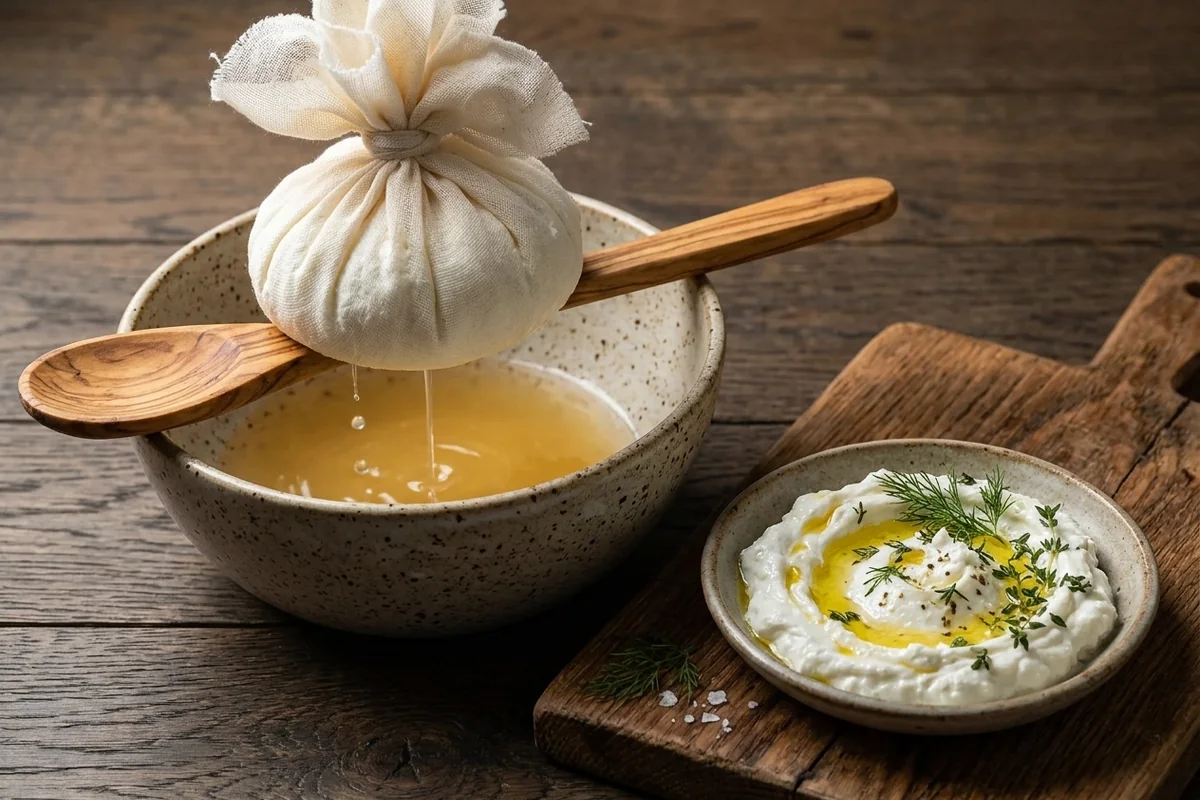
Making fresh kefir cheese or Russian tvorog takes nothing more than plain milk kefir, a clean strainer, and a piece of cheesecloth or coffee filter. Strain chilled kefir for 6 to 24 hours for bright, spreadable cream cheese; freeze and slowly thaw it for silky, live-culture tvorog; or warm separated kefir gently below 50–60°C for fast, fluffy cottage curds.
Better still, every batch gives you two kitchen treasures at once: creamy fresh cheese on top and tart, mineral-rich golden whey in the bowl below.
Why turning milk kefir into fresh cheese feels like kitchen magic
Every home fermenter hits that happy moment when two jars of milk kefir are ready at once, or a batch sits on the counter an extra hour and separates into snowy curds floating over clear pale whey. Instead of feeling behind on drinking it, that tangy extra jar is the ultimate invitation to become an effortless home cheesemaker.
Across culinary traditions, cooks have leaned on kefir’s gentle acidity for generations. In Taiwanese kitchens, slow cold draining turns tangy cultured dairy into silky shuiqie kefir cheese (水切克菲爾起司)—just like Middle Eastern labneh or Cultured Food Life’s beloved probiotic cream cheese. Across Eastern Europe and Russia, meanwhile, tvorog iz kefira (творог из кефира) turns everyday kefir into tender, spoonable farmer’s cheese using either an overnight freeze-and-thaw trick or a slow double-boiler warm bath.
Before you try any of the three methods below, follow one golden rule: always strain out your living milk kefir grains first and tuck them safely back into fresh milk. Once your grains are happily culturing tomorrow’s jar, the strained kefir is ready to transform.
Choose the right kefir before you strain
You can make fresh cheese from regular 24-hour kefir, though slightly fuller, well-fermented kefir (or a jar that just began showing tiny pockets of separation near the bottom) drains cleaner and gives a richer yield. Whole-milk kefir turns out lush, buttery, and cloud-soft, while low-fat kefir gives a lighter, bouncy curd that tastes wonderfully fresh with herbs or fruit. Check which supermarket milk makes the creamiest kefir if you want maximum yield.
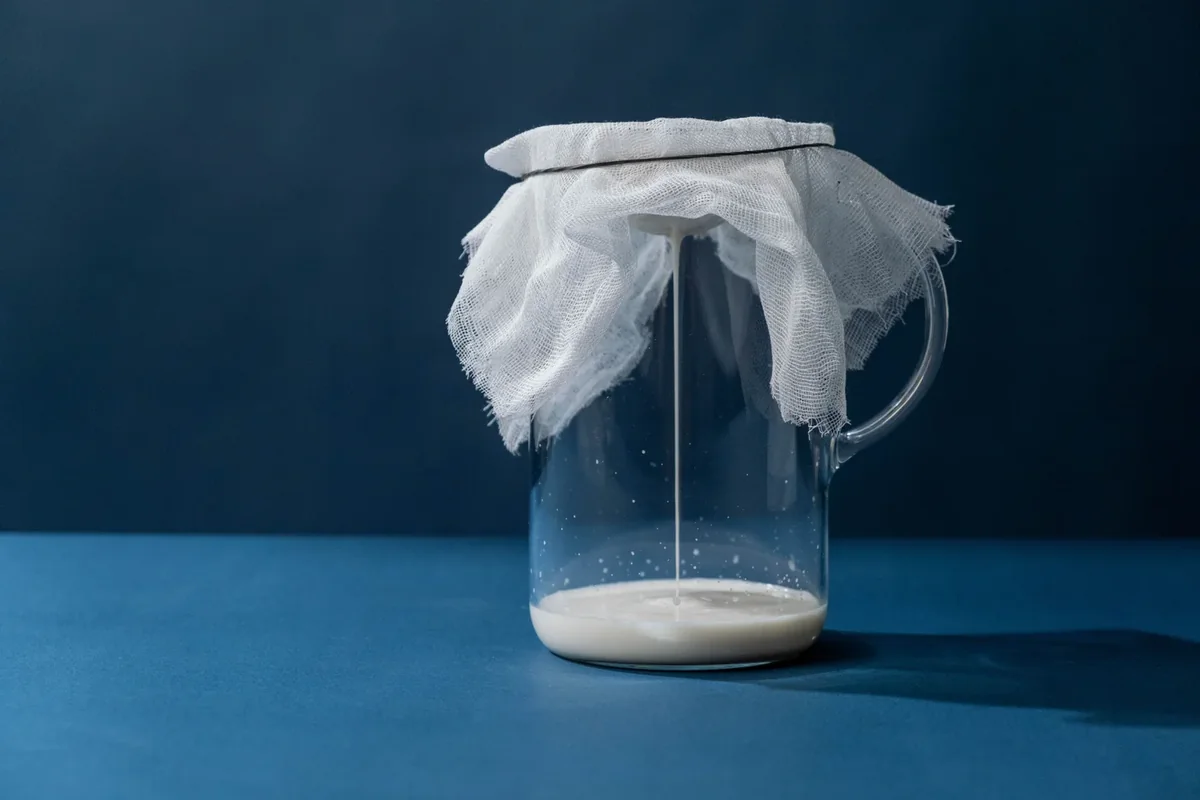
What about equipment? Skip fancy gadgets. Set a fine-mesh nylon or stainless sieve over a deep mixing bowl (making sure at least 4–5 cm of clearance sits underneath so the cheese doesn’t bathe in its own whey), and line it with two layers of unbleached cheesecloth, a clean linen tea towel, a reusable nut-milk bag, or two nested paper coffee filters. A quick batch using 1 liter (4 cups) of whole-milk kefir typically yields around 320–400 g of creamy cheese plus 550–650 ml of golden whey, depending on how dry you let it drain.
Three Classic Ways to Make Kefir Cheese & Russian Tvorog
Pick your favorite method by texture, timing, and whether you want live cultures preserved at peak vibrancy.
Method 1: Cold Fridge Strain (Kefir Cream Cheese & Labneh)
This is the easiest set-and-forget method made famous in Mediterranean kitchens and by Cultured Food Life’s kefir labneh and cream cheese guide. Zero stove, zero freezer—just gravity and cool fridge air doing quiet work while you sleep.
- Line your strainer: Set a fine-mesh sieve over a deep glass or stainless steel bowl. Line the sieve with two layers of cheesecloth, a clean flour-sack towel, or two unbleached coffee filters.
- Pour and cover: Pour in 500 ml to 1 L of grain-free, chilled milk kefir. Fold the cloth edges gently over the top or cover the bowl loosely with a lid or beeswax wrap so it doesn’t pick up fridge odors.
- Drain in the refrigerator: Slide the whole bowl-and-strainer setup into the fridge and choose your finish by the clock:
- 6–8 hours: Silky, pour-thick cultured sour cream—heavenly dolloped onto baked potatoes, tacos, or warm yeasted kefir oladi.
- 12–16 hours: Plush, spreadable probiotic cream cheese! Stir in a pinch of sea salt and minced garlic chives to make our garlic chive kefir spread, or bake it into a dreamy kefir Basque cheesecake.
- 20–24 hours (with a light press): Fold the cloth corners over the cheese and set a small saucer holding a 200 g jar on top for the last few hours. You get firm, scoopable kefir labneh ready to roll into za’atar kefir labneh balls or whip with roasted fruit in whipped kefir feta with roasted grapes.
Method 2: Freeze-and-Thaw Method (Velvety Russian Tvorog)
Ask any Russian home cook for the secret to shockingly smooth, no-cook tvorog, and they’ll smile and point to the freezer. When kefir freezes solid, tiny ice crystals gently nudge the milk proteins and liquid whey apart without toughening a single casein strand. As the frozen block melts slowly through cloth, the clear whey slips away effortlessly, leaving behind cloud-soft curds with the lush body of fresh ricotta or mascarpone.
Even better, scientific testing of frozen milk kefir (O’Brien et al., 2016, PMID 27289144) shows that lactic acid bacteria, lactococci, and beneficial kefir yeasts survive short freezing remarkably well—so you still enjoy plenty of living cultures in every spoonful.
- Freeze overnight: Pour strained milk kefir into a freezer-safe silicone bag, zip-top pouch, or flexible container (leave 2–3 cm headroom for expansion). Freeze flat at −18°C for 10 to 12 hours until rock solid.
- Unwrap cleanly: Peel away the container or snip open the bag. If it clings slightly, dip the closed container in warm water for 10 seconds so the frozen kefir block slides right out.
- Thaw and drip in the fridge for 6–12 hours: Place the frozen kefir block inside your cheesecloth-lined strainer over a deep bowl, cover, and tuck it into the refrigerator. Letting it thaw in the fridge (especially in warm, humid Taiwan kitchens) keeps dairy chilled and safe while whey drips out steadily over 6 to 12 hours.
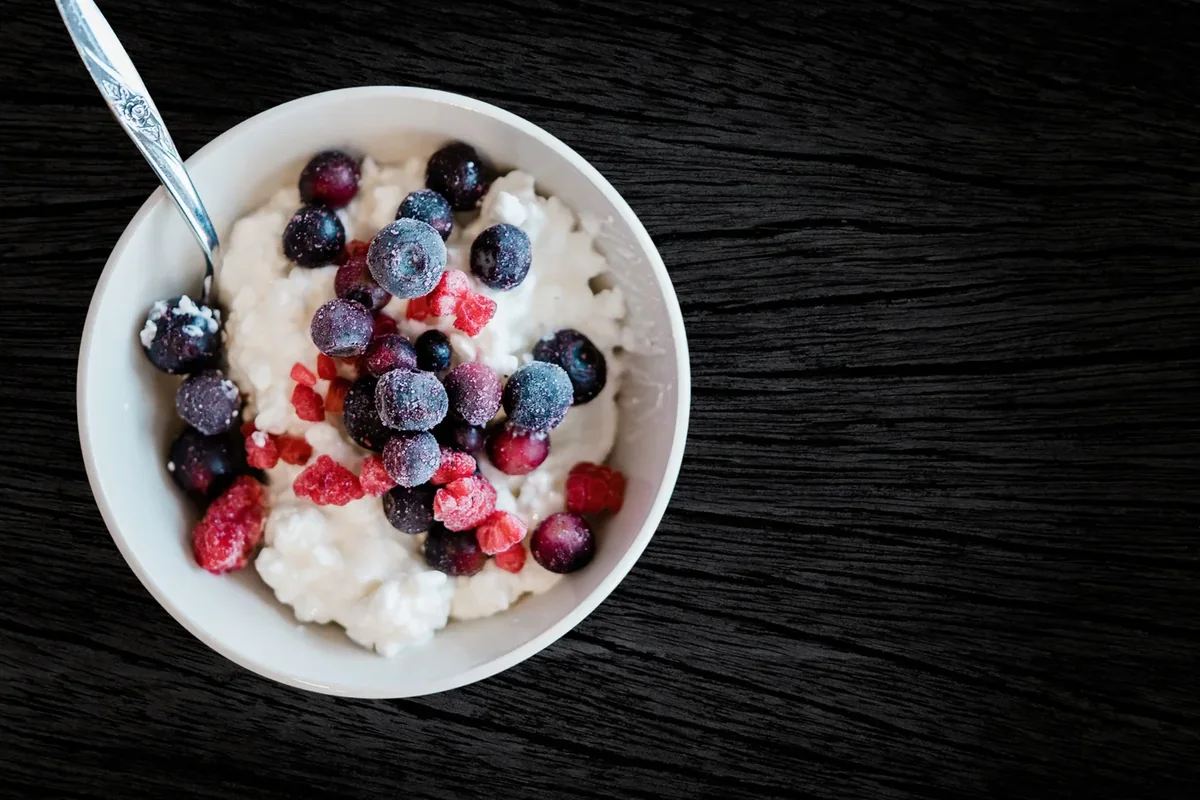
- Fluff and enjoy: Open the cloth—no squeezing needed—and transfer the glossy, spoonable tvorog to a clean glass jar. Stir in a drizzle of honey and fresh berries, or fold with fresh dill and black pepper.
Method 3: Gentle Double-Boiler Water Bath (Traditional Russian Cottage Tvorog)
Want warm, tender cottage-style curds ready in under an hour for weekend syrniki pancakes or savory herb bowls? The classic Russian water bath (водяная баня) is fast and deeply satisfying. The single secret is patience and low heat: boiling kefir snaps milk proteins tight into chewy pebbles, whereas warming separated kefir slowly below 50–60°C coaxes out pillowy, custard-tender curds floating in clear pale-greenish whey.
- Use well-ripened kefir: Ferment your strained milk kefir a few extra hours on the counter until it looks thick and starts showing natural whey pockets—already-acidic kefir sets into curds at lower temperatures.
- Build a gentle water bath: Fill a wide pot with 4–5 cm of water and heat over low until steaming gently (never a rolling boil). Set a heatproof glass or stainless bowl containing your kefir over the pot—or place a silicone trivet inside the pot so the kefir bowl sits gently in warm water without scorching on the burner.
- Warm slowly without excessive stirring: Let the kefir warm gradually for 15 to 25 minutes toward roughly 50–60°C. Avoid vigorous whisking, which breaks tender curds into fine dust; instead, give only two or three slow, gentle figure-eight nudges with a silicone spatula as the edges begin pulling cleanly away from the bowl and pale translucent whey rises between snowy curds.
- Rest and drain: Turn off the heat as soon as curds and clear whey separate cleanly—do not let the kefir simmer! Let it sit calmly in the warm bath for 10 minutes so the curds firm slightly, then ladle everything into a cheesecloth-lined sieve over a bowl. Drain 20 to 40 minutes for fluffy moist tvorog, or twist the cloth gently for drier curds ideal for dumplings and baking.
Kitchen Matcher
Which kefir cheese texture are you dreaming of today?
Tap what you want to make in your kitchen to see the best method, draining window, and quick pairing ideas.
Cold-strain 12 hours or use freeze-and-thaw
For velvety spreads with zero graininess, cold-strain whole-milk kefir in the fridge for 12–16 hours or thaw a frozen block in cheesecloth for 8 hours. Whisk with a pinch of salt, scallions, or roasted garlic for our garlic chive kefir spread, or swirl with honey and cinnamon for morning toast.
Drain 24 hours in the fridge with a gentle weight
After 12 hours of draining, fold the cheesecloth snugly around the curd and rest a small plate with a 200 g jar on top inside the fridge for another 8–12 hours. Roll into bite-sized balls and coat in sesame, thyme, or chili flakes—see za’atar kefir labneh balls.
Use a calm water bath below 50–60°C
When you want farmer’s cheese today without waiting overnight, gently warm separated kefir in a double boiler and stop as soon as clear pale whey pools between tender curds. Drain just 25 minutes for moist, fluffy curds ready for fruit bowls, stuffed crepes, or pan-fried syrniki!
Bottle your whey—it keeps for weeks in the fridge!
Pour clean strained whey into a lidded glass jar and store it in the refrigerator (raw cold-strained whey stays fresh and lively for several weeks!). Use 2–4 tbsp to kickstart fermented veggies like kefir whey cabbage slaw, swap it into pancake batter, or pour a splash into citrus smoothies.
8 Creative Kitchen Uses for Leftover Golden Kefir Whey
Once your cheesecloth lifts out full of lush white curds, look down into the bowl: that pale, luminous, subtly sweet-and-tangy liquid is acid whey—what fermentation teachers like Donna Schwenk fondly call “liquid gold.” Unlike sweet cheese whey made with rennet, cultured kefir whey carries dissolved calcium and phosphorus, potassium, water-soluble B vitamins, gentle lactic acid, and minor bioactive proteins like lactoferrin, plus live probiotic microbes when strained without heat (USDA FoodData Central FDC 170885).
Keep a clean jar of kefir whey in your fridge door and put every drop to joyful use:
- Fluffy pancakes, waffles, biscuits & sourdough bread: Swap kefir whey 1:1 for water, milk, or buttermilk in baking. Its gentle acidity reacts with baking soda for sky-high kefir pancakes, crusty sourdough loaves, and tender flaky kefir biscuits.
- Starter booster for lacto-fermented vegetables: Add 2 to 4 tablespoons of raw, unheated kefir whey per quart jar of salted cabbage, radishes, carrot sticks, or cucumber pickles (Cultured Food Life). It lowers pH right away for crisp crunch, or toss fresh shreds into kefir whey cabbage slaw.
- Overnight grain, oat & bean soaking: Stir 2 tablespoons of whey into the soaking water for rolled oats, brown rice, quinoa, or dried chickpeas overnight. The gentle acidity softens tough hulls so grains cook up lighter and creamier.
- Bright smoothies & citrus coolers: Blend ½ cup chilled whey with frozen mango, pineapple, banana, or passionfruit—it adds crisp tang and minerals without heaviness, or mix over ice with fresh lemon juice and a touch of raw honey for a refreshing electrolyte cooler.
- Juicy meat, poultry & seafood marinades: Whisk whey with minced garlic, soy sauce, black pepper, and herbs to marinate chicken thighs, pork chops, or fish fillets for 1–4 hours. Mild lactic acid tenderizes fibers gently without turning meat mushy.
- Soup, stew & risotto flavor lift: Stir a splash of whey into vegetable, potato, mushroom, or tomato soups right after turning off the stove, or use half whey and half broth when simmering rice and lentils for deeper savory brightness.
- Quick dressings & pickled condiments: Shake 3 tbsp whey with olive oil, Dijon mustard, salt, and herbs for a light vinaigrette, or stir into homemade mustard, lacto-fermented salsa, and pickled garlic cloves.
- Diluted garden tonic for acid-loving plants: Too much leftover whey on hand? Dilute 1 part whey to 10 parts water and pour around the soil of blueberries, hydrangeas, camellias, gardenias, or tomato plants—never pour undiluted whey straight onto leaves, as strong acidity can scorch tender foliage.
Storing your homemade cheese & whey safely
Pack fresh kefir cheese or tvorog in a clean, lidded glass container in the coldest part of your refrigerator and enjoy it within 5 to 7 days (slightly longer if rolled into oil-submerged labneh balls). Fresh cold-strained whey keeps beautifully in a sealed fridge jar for 2 to 4 weeks—just smell before using; it should stay brightly tangy like mild yogurt or lemon juice, never moldy or off. For more storage benchmarks, see How long does homemade kefir last?.
Frequently Asked Questions
Should I use cheesecloth, a coffee filter, or a nut-milk bag to strain kefir cheese?
All three work wonderfully! Fine-weave unbleached cheesecloth (folded 2–3 layers) or a clean fine-mesh nut-milk bag lets whey pass quickly with minimal mess, while two nested paper coffee filters capture ultra-fine curds if your kefir is on the thinner side. Just avoid thin single-layer gauze with wide holes, which lets creamy curds slip right through.
Does freezing milk kefir to make Russian tvorog kill the probiotics?
No—plenty of kefir’s friendly microbes survive freezing! Research on frozen kefir (PMID 27289144) confirms that lactic acid bacteria, lactococci, and kefir yeasts remain viable after freezing, especially over short home-kitchen timelines of one night to a couple of weeks. Just thaw slowly in the fridge and enjoy your tvorog fresh within a week.
Why do we keep the water bath below 50–60°C when making heated tvorog?
Gentle warmth coaxed below 50–60°C separates curds and whey while keeping the curds tender, moist, and custard-soft. Cranking the burner to a boil squeezes water rapidly out of casein proteins, turning curds dry and rubbery—and high heat also knocks out delicate heat-sensitive lactic cultures.
Does kefir cheese have less lactose than regular milk kefir?
Yes, substantially less! Fermentation already consumes a large share of milk’s lactose, and most of the remaining dissolved milk sugar drains away in the liquid whey. That leaves fresh kefir cream cheese and labneh remarkably easy on sensitive tummies (though anyone with a milk protein allergy must still avoid dairy cheese).
Why is my cold-strained kefir cheese still thin after 6 hours?
Give it a little more time—or check the bowl underneath! If whey rises high enough to touch the bottom of your sieve, draining stops right there. Empty the bowl, keep the setup chilled in the fridge for 12–18 hours, and next time start with whole-milk kefir or ferment your batch a touch longer before straining so the curd sets firmer.
Sources
- Cultured Food Life: How to Make Labneh and Cream Cheese from Kefir
- Cultured Food Life: Kefir Cottage Cheese Method
- Cultured Food Life: Using Leftover Kefir Whey for Cultured Vegetables
- O’Brien KV, et al. (2016). The effects of frozen storage on the survival of probiotic microorganisms found in traditionally and commercially manufactured kefir. J Dairy Sci (PMID 27289144)
- USDA FoodData Central: Acid Whey Fluid Profile (FDC ID 170885)