

Kefir & your health
Should you drink kefir or take a probiotic?
One is a fermented food. The other can offer a specific strain and dose. The right choice starts with what you want it to do.
Follow your curiosity
All topics
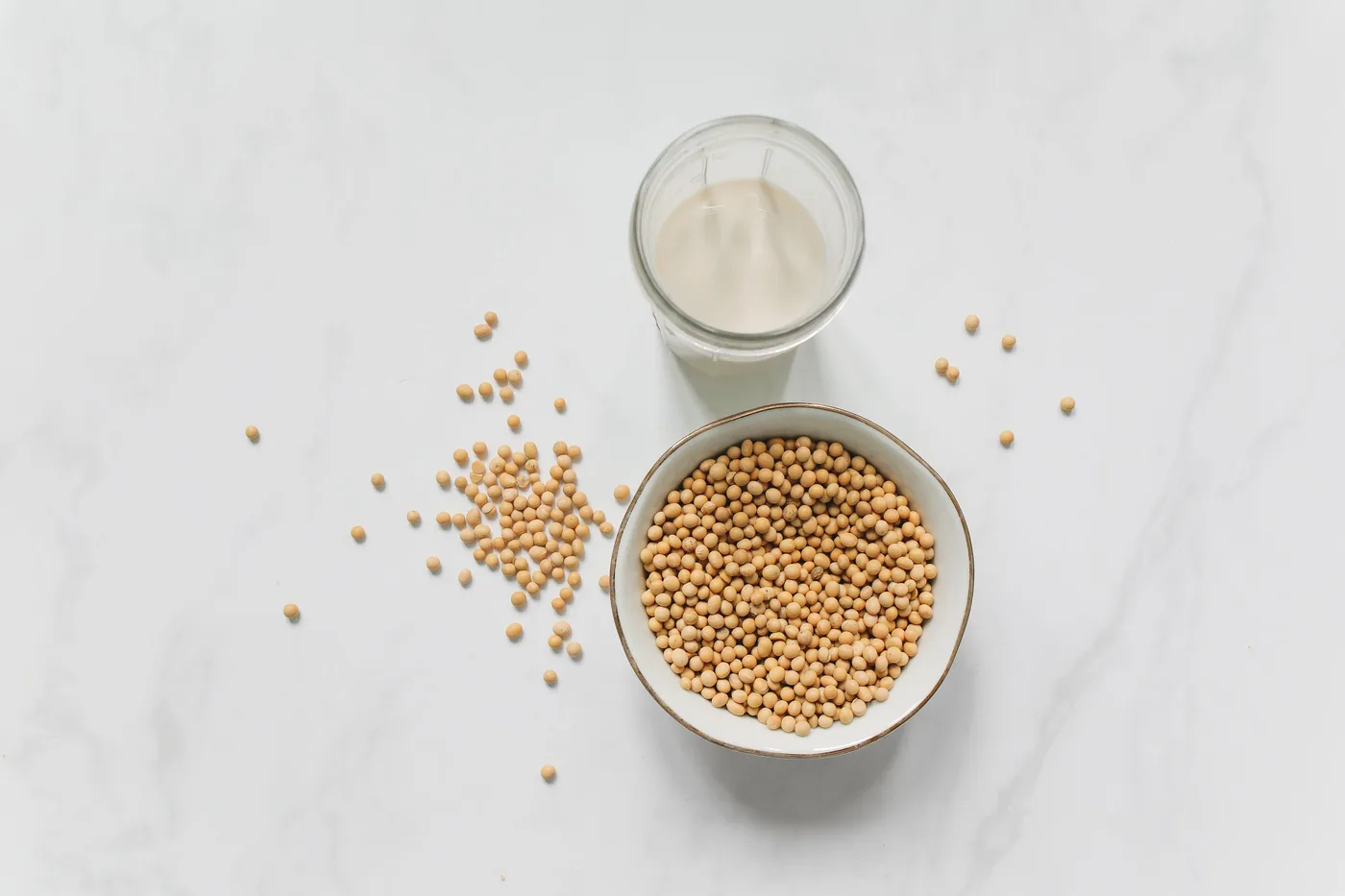

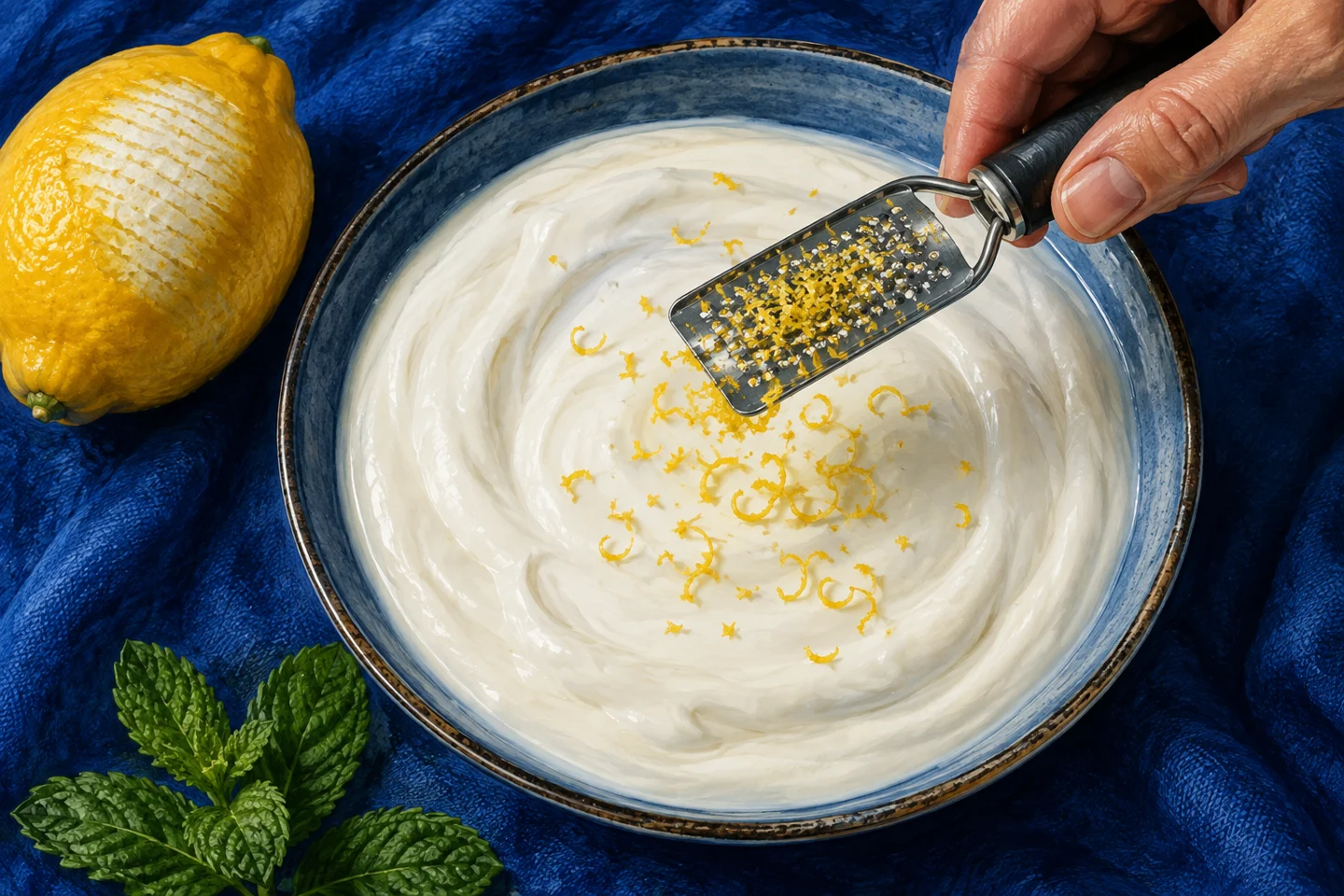

There is more to kefir than drinking it
Explore recipes
Breakfast
Fluffy apple & cinnamon pancakes
A little tang, soft centres and a reason to linger over breakfast.
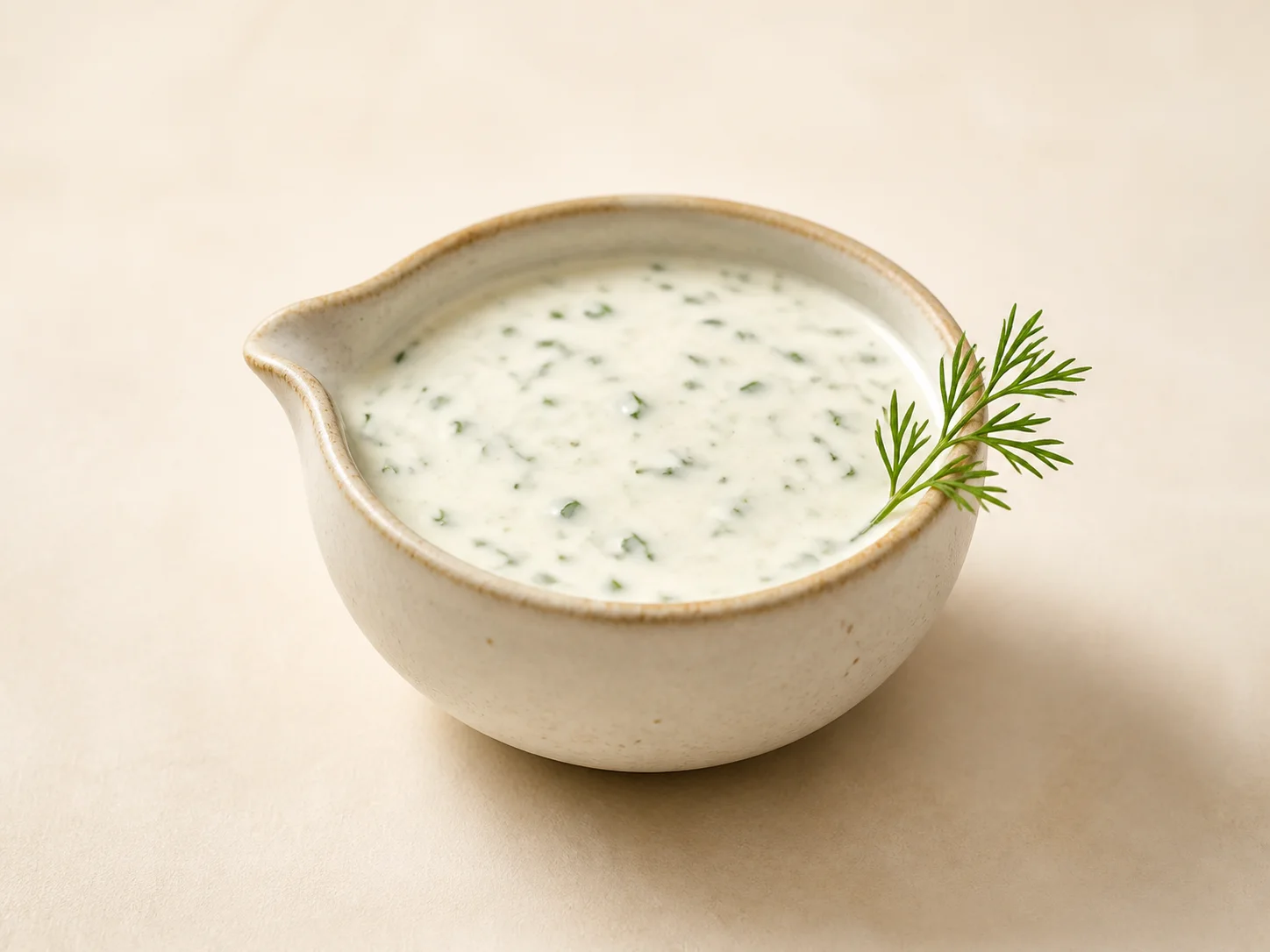
Dressings & dips
The dressing you will want on everything
Herbs, garlic and lemon turn kefir into a creamy, tangy dressing.

Something sweet
A beautifully burnished Basque cheesecake
A dark, caramelised top gives way to a creamy centre.
A little help in the kitchen
All toolsNot sure where to start? Find the answer to your question.
Make it personal
What brought you here?
Buying kefir, wondering about digestion, or looking at an unfamiliar jar? Pick the question closest to yours.
The choices and possible answers are listed below.
Choose a food you enjoy
Start with the kind of kefir you want to drink
Milk kefir is tangy and creamy; water kefir is a lighter drink made from sugar water. Plant-based versions vary with their base. Compare the ingredients and cultures before choosing.Find a kefir you would enjoyLook for the studied strain
A supplement may fit a specific purpose
A result found for one probiotic strain and dose does not apply to every kefir or capsule. Check the strain, amount and reason for taking it.Compare kefir and probiotic supplementsFind out why milk bothers you
Lactose intolerance and milk allergy need different answers
Some people with lactose intolerance find milk kefir easier to digest. It still contains milk proteins, so it is unsuitable for milk allergy. Check the allergen label even on a plant-based product.Read the lactose answerStart with the basics
You do not need a capsule to try a fermented food
If you like kefir and tolerate it, it can be part of your meals. That is a different decision from choosing a probiotic to treat a particular problem.See the full comparisonSmall studies, an encouraging result
Could kefir make bowel movements easier?
Read the constipation answerPay attention to how you feel
More microbes do not automatically mean less bloating
Read the gut-health answerGet medical help
These symptoms need an assessment
Seek prompt medical care for these symptoms. Do not delay an assessment while trying a new food.For your first few tries
Try 60 to 120 ml with a meal
This is a small tasting portion, not a proven treatment dose. Keep it steady for a few tries and notice whether you feel comfortable.See the complete starting planIf a small serving suits you
A 150 to 250 ml glass may fit your meals
You do not have to reach a target. Let your appetite, the rest of your meals and your tolerance guide the amount.Choose your starting amountStop drinking it
Feeling worse is a reason to pause
Get emergency help for breathing trouble or sudden swelling of the mouth or throat. Seek medical advice for hives, repeated diarrhea or vomiting, or significant pain.Discard the batch
Do not stir or taste visible mold
Discard the batch and affected grains. Do not scrape off mould and keep drinking the rest. Clean the equipment before starting with a fresh culture.Check the discard signsOften a normal change
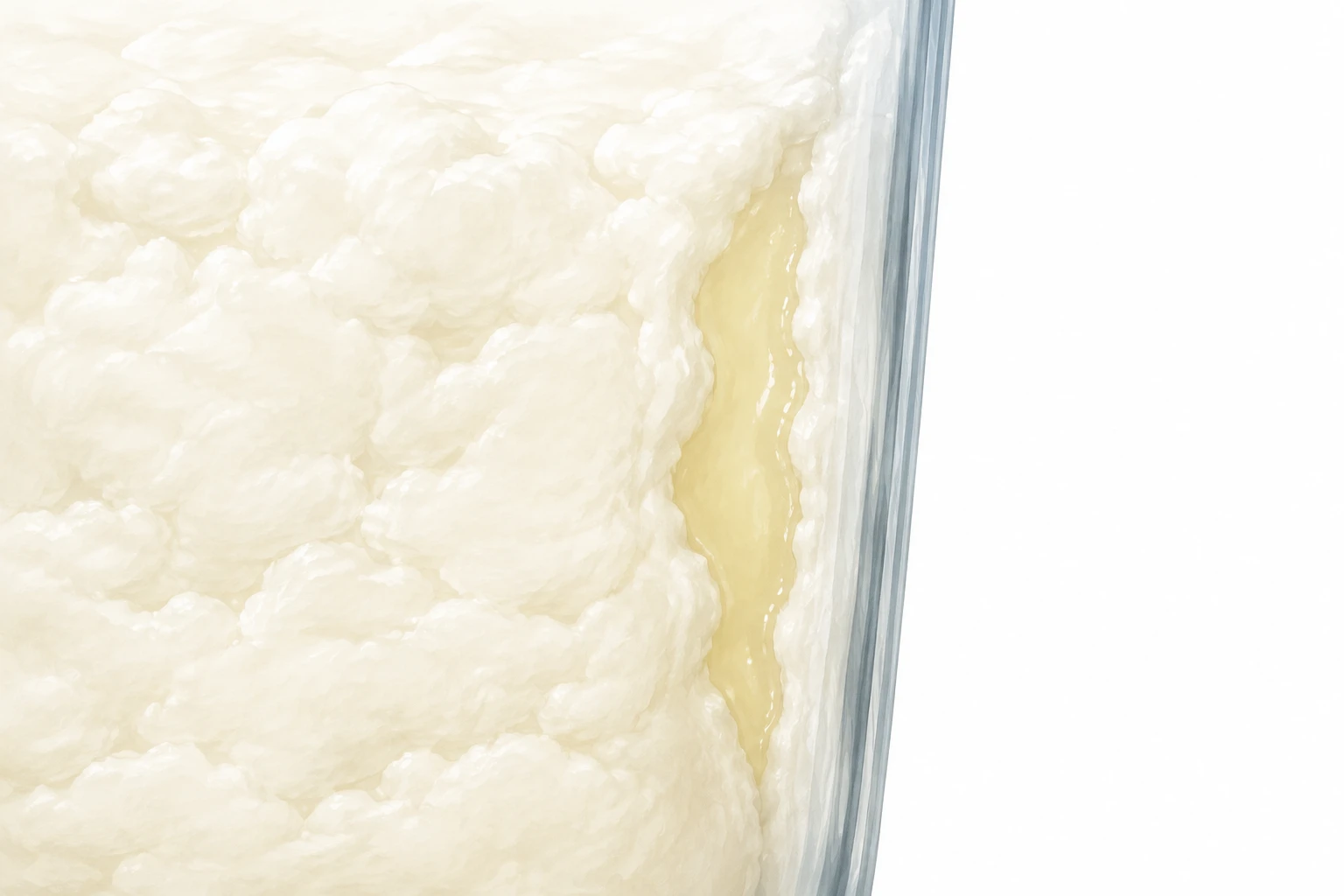
Curds and whey can separate when fermentation goes further
Separation alone is common in milk kefir. Check the safety signs before stirring it back together; appearance and smell cannot rule out every hazard.Adjust the next batchChange one variable
Start with time and temperature
Then check the grain-to-milk ratio and the milk you used. Changing everything at once hides the cause.Troubleshoot texture and sournessRestart gradually
The first batches may be weak or uneven
Use fresh milk, watch for normal activity, and discard batches with clear contamination signs.See the storage and revival stepsWorth a closer look
All articles



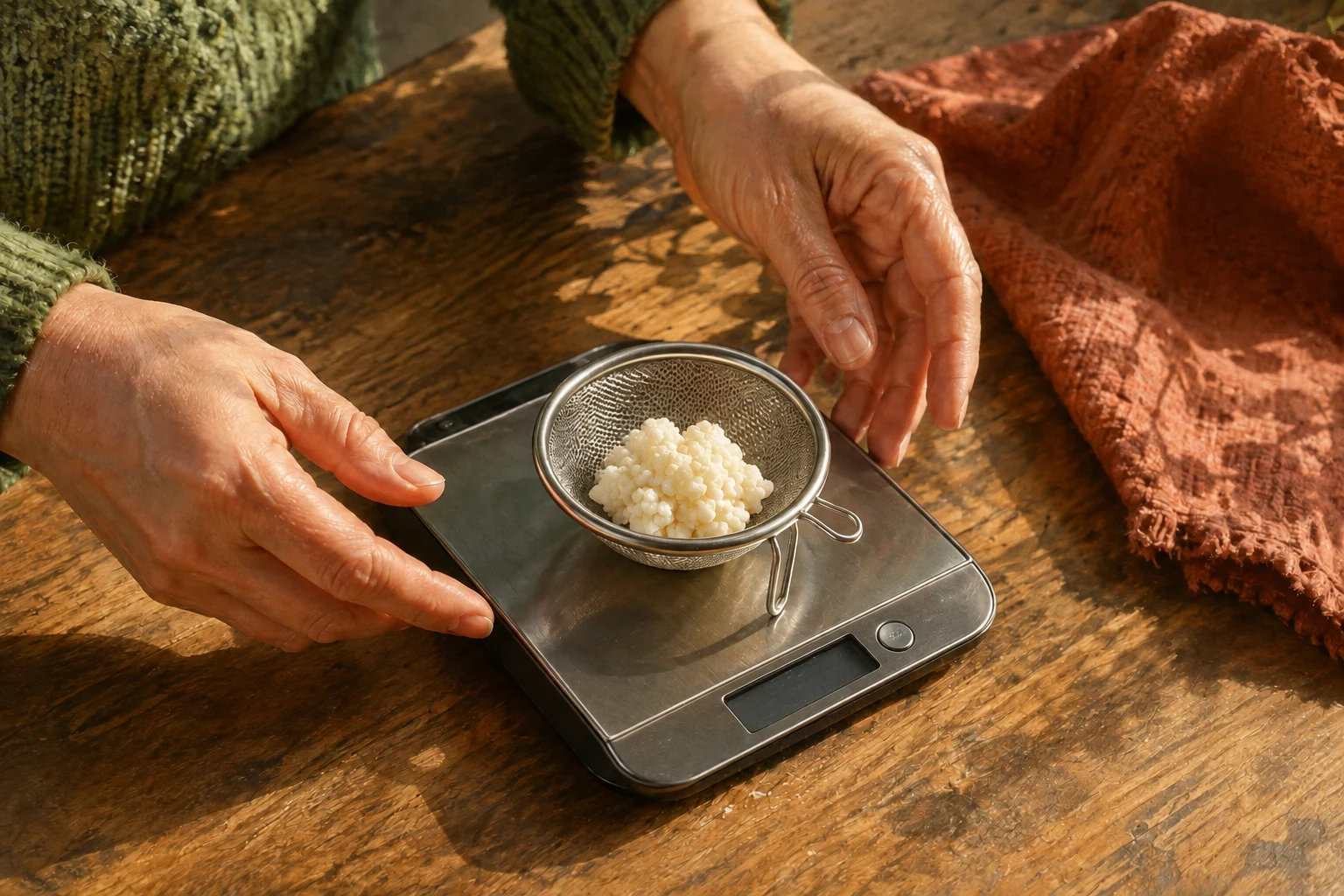
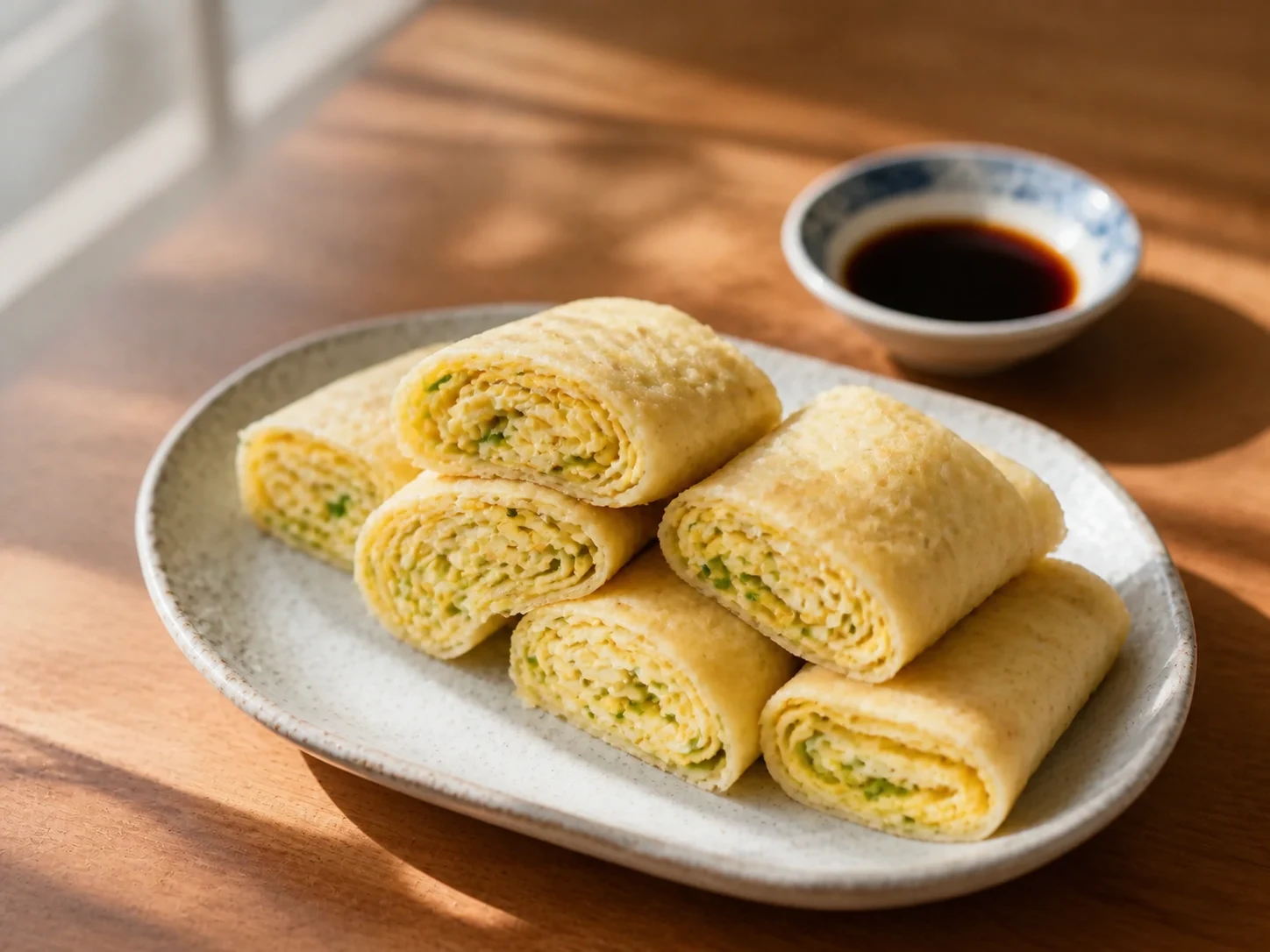
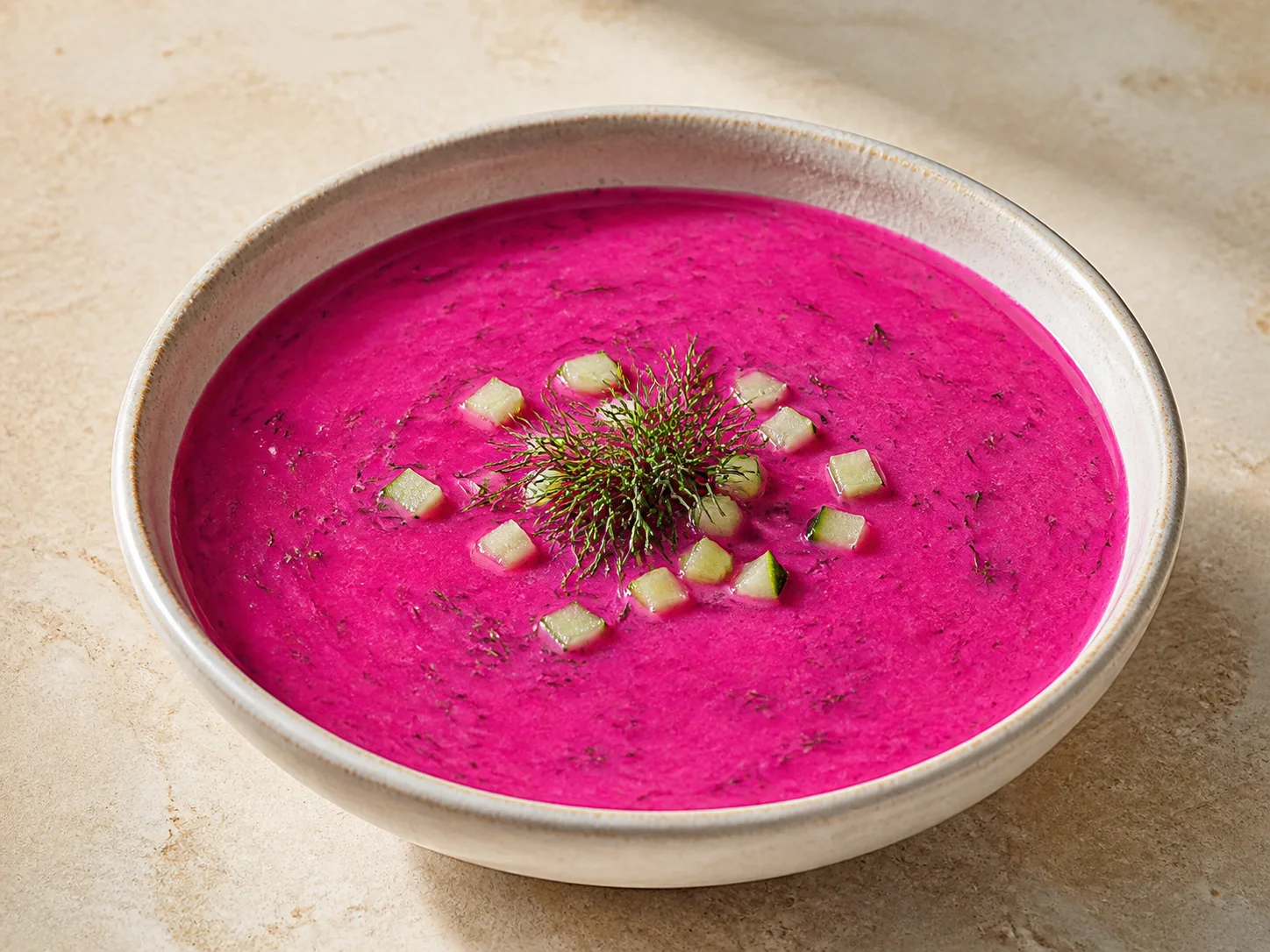


A story that travels
From the Caucasus
to your kitchen
Passed from one household to another, kefir grains carried a living food tradition far beyond the mountains. Follow the history—and the stories that grew around it.
Follow the storyYour first week with kefir
Make a little room
for something new.
Choose a kefir, try a small serving with a meal and notice how you feel. One practical step each day, with your progress saved as you go.
Start day one
See it, then try it
More videos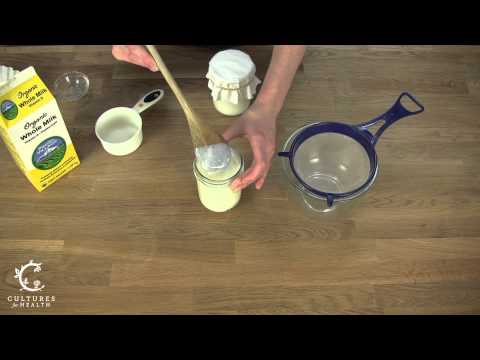
Watch the spoon move gently through the kefir in the strainer. The drink drains into the bowl while the grains stay behind.
English excerpt · 5:04–5:38. This clip shows straining; use the written method for ingredients, timing and refrigeration.
Julie / Cultures for Health
Open the original on YouTube (new tab)