
Nutrition & Daily Food · Kefir Guide
Kefir Nutrition & Vitamins: Calories, Protein, Calcium, Vitamin K2 & Milk vs. Water Kefir Compared
One glass of plain whole-milk kefir (~240 ml) packs roughly 130–160 kcal, 9 g of complete protein, ~300 mg of bone-friendly calcium, phosphorus, riboflavin (B2), vitamin B12, and folate—plus fermentation extras regular milk lacks, like bioactive peptides, microbially made vitamin K2, and two to three times less lactose.
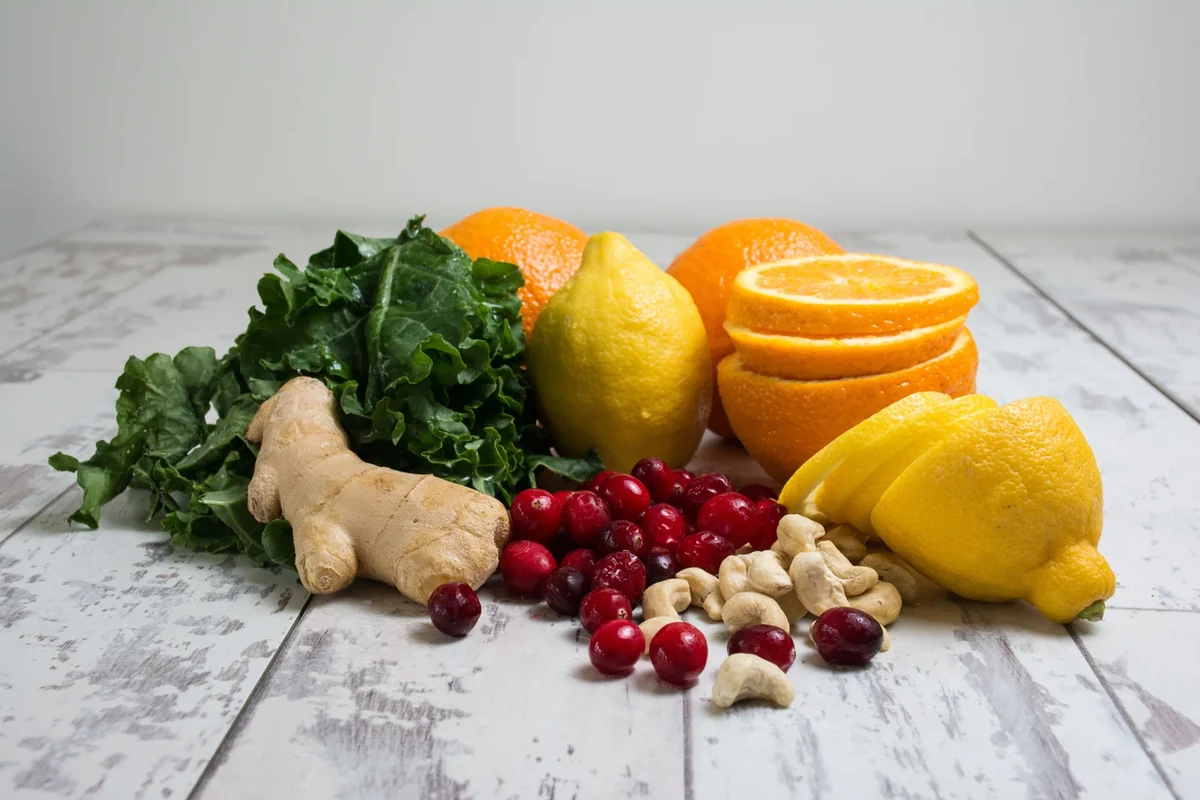
Milk kefir keeps all the protein, calcium, phosphorus, and B vitamins of fresh milk while adding live cultures, bioactive peptides, vitamin K2, and much gentler lactose digestibility. Per 240 ml glass (or ~243 g), plain whole-milk kefir sits around 130–160 kcal with ~9 g protein and ~300 mg calcium—almost a third of an adult’s daily calcium target.
By contrast, plain Greek yogurt concentrates protein (~22 g per cup) by draining off whey, while sparkling dairy-free water kefir brings only ~20–35 kcal, trace minerals, and zero protein or calcium.
What one cup (240 ml) of plain milk kefir actually gives you
People often fall in love with milk kefir for its live bacteria and yeasts, yet even before you count a single probiotic microbe, a glass of plain kefir is quietly one of the most well-rounded whole foods in your refrigerator. Looking at USDA FoodData Central dairy benchmarks (such as plain low-fat kefir FDC ID 170904 and standard whole-milk dairy profiles) alongside Taiwan FDA food composition data and Taiwan Health Promotion Administration DRIs, one 240 ml cup of plain whole-milk kefir provides:
- Energy & balanced macros: Around 130–160 kcal per 240 ml cup (~55–66 kcal per 100 ml), with roughly 9 g of complete dairy protein (~3.8 g/100 ml), 8 g of natural milk fat (or ~2.5 g if made with low-fat milk), and ~10–12 g of naturally occurring milk carbohydrates.
- Calcium & phosphorus team: Around 300 mg of highly absorbable calcium (~125–130 mg/100 ml)—about 30% of the 1,000 mg daily adult target recommended in Taiwan and Europe—paired naturally with roughly 200–255 mg of phosphorus in a bone-friendly ratio.
- B-vitamin trio (B2, B12 & folate): About 0.33 mg of riboflavin (B2) (~25–30% of daily adult needs), roughly 0.3–0.7 µg of vitamin B12 (up to ~29% of Taiwan’s 2.4 µg adult target), and around 31 µg of folate per cup, plus ~380–399 mg of potassium.
Just watch the front of store-bought bottles: in Taiwan and many Western supermarkets, flavored “berry” or even sweetened “original” drinks often pack an extra 10–18 g of cane sugar per serving. Picking plain, unsweetened bottles—or culturing your own with fresh supermarket milk—keeps the nutrition label remarkably clean! Read our quick kefir label guide anytime you’re shopping.

What fermentation creates that fresh milk doesn’t have
Kefir grains do far more than thicken milk—they gently remodel its nutrients while the jar sits on your counter. During fermentation, lactic acid bacteria synthesize extra vitamin K2 (menaquinones such as MK-7) (Altuncu et al., PMC11606805), which partners with calcium to guide mineralization into bone tissue rather than soft vessels, while select grain strains enrich folate and B vitamins (Azizi et al., 2021, PMC8226494). At the same time, microbial enzymes gently snip large casein and whey proteins into shorter bioactive peptides studied for blood pressure comfort, antioxidant balance, and bone support (Lai et al., 2025, PMC11976759), and break down roughly 25% to 50% or more of milk’s lactose—reaching around 2 to 3 times lower effective lactose after full fermentation and chilled storage (Alm, 1982, PMID 7076958)—while carrying live lactase enzymes straight into your gut for much easier digestion (Hertzler & Clancy, 2003, PMID 12728216).
What’s Inside One Cup (240 ml): Whole Milk Kefir, Greek Yogurt & Water Kefir
Comparing macro basics per cup alongside the extra vitamins and bioactive peptides created during fermentation.
USDA, Taiwan & European Nutrition Table: Whole Milk Kefir, Goat Kefir, Greek Yogurt & Water Kefir
Notice how labels differ slightly by region: U.S. labels list values per 1 cup (~240–245 g), while Taiwan and European nutrition panels show numbers per 100 ml or 100 g. We’ve put both side by side below so you can compare effortlessly at home or in the supermarket aisle:
| Fermented Food (Plain, Unsweetened) | Calories (per 240 ml / per 100 ml) | Protein | Calcium & Phosphorus | Key Vitamins & Fermentation Notes |
|---|---|---|---|---|
| Whole-Milk Kefir | ~130–160 kcal (~55–66 kcal / 100 ml) |
~9 g (~3.8 g / 100 ml) |
~300 mg Ca ~210–250 mg P |
B2 (~0.33 mg), B12 (~0.3–0.7 µg), folate (~31 µg), vitamin K2, bioactive peptides, ~2–3× lower lactose |
| Low-Fat Milk Kefir (USDA FDC 170904) |
~104 kcal (243 g) (43 kcal / 100 g) |
9.2 g (3.8 g / 100 g) |
315 mg Ca 255 mg P |
0.33 mg B2, 0.70 µg B12, 31 µg folate, 399 mg potassium; lighter ~2.5 g fat |
| Whole Goat-Milk Kefir | ~140–160 kcal (58–68 kcal / 100 g) |
~8 g (3.3–3.8 g / 100 g) |
~300–350 mg Ca ~220 mg P |
Natural A2-dominant casein & smaller fat globules; B2 & ~0.25–0.6 µg B12; great if cow dairy feels heavy |
| Plain Whole Greek Yogurt (USDA Reference) |
~238 kcal (245 g) (97 kcal / 100 g) |
~22 g (9.0 g / 100 g) |
~245–296 mg Ca ~270–330 mg P |
~1.0 µg B12; ultra-high protein because acid whey is strained off; uses 2 classic bacteria (no yeasts) |
| Water Kefir (Dairy-Free) |
~20–35 kcal (~8–15 kcal / 100 ml) |
0 g | Trace / 0 mg Ca | Zero dairy protein or calcium; trace minerals from unrefined sugar/dried figs (PMC11259891); refreshing probiotic fizz |
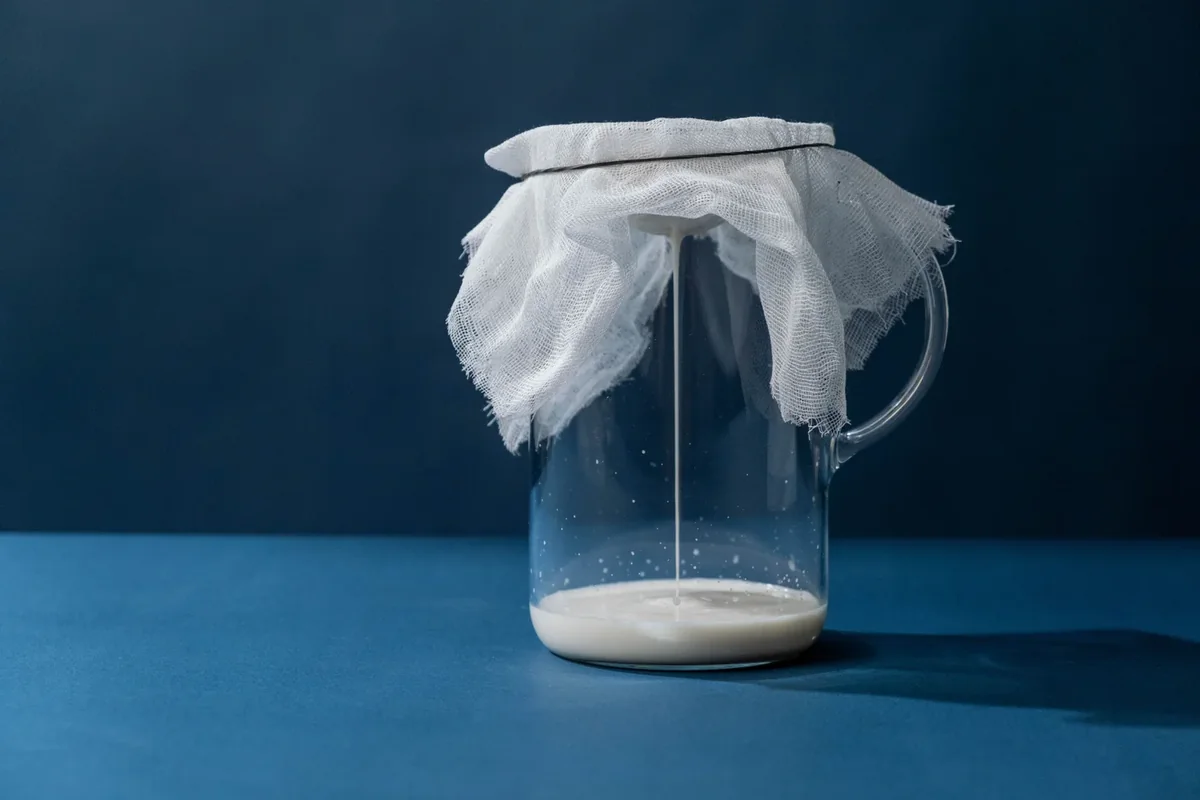
Why milk kefir and water kefir aren’t nutritional substitutes for each other
It’s tempting to think of water kefir as “dairy-free milk kefir,” yet nutritionally they live on completely different shelves! Milk kefir begins with nutrient-dense fresh milk, so every pour contributes bone-building calcium, muscle-supporting whey and casein proteins, riboflavin, phosphorus, and vitamin B12. Sparkling water kefir, on the other hand, is brewed from water, cane sugar, and dried fruit or mineral water—creating a crisp, low-calorie, zero-dairy probiotic refresher (~20–35 kcal per well-fermented cup) with virtually zero protein or calcium.
If you avoid dairy for plant-based reasons or a milk-protein allergy, enjoy water kefir happily for its crisp fizz and live microbes—just pair your meals with calcium-fortified soy drinks, tofu, sesame paste, or leafy greens to cover protein and calcium elsewhere!
Nutrition Picker
Pick your main health goal to find your best everyday pour
Tap what matters most to you right now to match the right kefir style and easy food pairings.
Whole cow or goat milk kefir + morning sunlight
One cup of plain milk or goat kefir supplies ~300–350 mg calcium, bone-friendly phosphorus, and microbially synthesized vitamin K2—helping reach Taiwan’s 1,000 mg daily calcium goal smoothly. Learn how they team up in kefir and bone health.
Pair pourable kefir with strained kefir cheese or Greek yogurt
Milk kefir already offers ~9 g protein per cup. Want 18–22 g in one snack? Spoon cold-strained kefir labneh or tvorog over fruit, or blend milk kefir with Greek yogurt and chia seeds—see kefir for weight loss and satiety.
Ferment 24–48 hours and start with 60–120 ml
Letting milk kefir ferment a full 24 hours (plus resting in the fridge) gives microbes time to consume more lactose, while goat milk kefir adds naturally gentle A2 casein. Explore practical tips in kefir and lactose intolerance and one-day vs. longer kefir.
Well-fermented water kefir (~20–35 kcal / cup)
Brewed longer until crisp and gently tart, water kefir replaces sugary sodas with zero dairy and tiny calories. Just remember it doesn’t carry dairy protein or calcium—check water kefir sugar and minerals for balanced brewing.
What happens to vitamins when you strain kefir into cheese?
Just like Greek yogurt versus whole milk, straining kefir into homemade cheese shifts where each nutrient lands. Fat-soluble vitamins (like vitamin A and microbially made vitamin K2) and milk proteins stay warmly tucked inside the creamy curds—making kefir cream cheese and tvorog concentrated protein powerhouses. Meanwhile, water-soluble riboflavin (B2), folate, potassium, and a generous share of dissolved calcium flow right down into the golden acid whey! That’s one more wonderful reason to save your whey for smoothies, soups, or soaked oats as shown in how to make kefir cheese and tvorog.
Vitamin D note for Taiwan & European kitchens
Unlike many U.S. bottled kefirs (which are routinely fortified with added Vitamin D on the shelf), fresh milk in Taiwan and homemade kefir cultured from pure local milk typically contain only tiny trace amounts of natural Vitamin D. Enjoy your morning glass outdoors in gentle sunshine—or pair kefir with Vitamin D-rich egg yolks, salmon, or UV-exposed mushrooms so calcium absorbs at its very best!
Frequently Asked Questions
Does homemade milk kefir have the same nutrition as store-bought kefir?
Macro-wise, yes—homemade kefir mirrors the milk you pour in (~130–160 kcal, ~9 g protein, and ~300 mg calcium per 240 ml of whole milk). The main difference is Vitamin D: U.S. commercial brands often fortify bottles with Vitamin D, whereas plain homemade kefir uses unfortified fresh milk unless your milk carton specifically includes Vitamin D.
How much less lactose is in milk kefir compared with regular fresh milk?
During a standard 24-hour room-temperature ferment plus cold storage, kefir microbes typically break down 25% to 50% or more of milk’s lactose—often cutting effective lactose roughly 2 to 3 times compared with unfermented milk, while bringing natural lactase enzymes that make digestion even gentler for sensitive tummies.
Can water kefir give me the same calcium and protein as milk kefir?
No. Because water kefir is brewed from water, sugar, and fruit rather than dairy, it contains 0 g protein and practically zero calcium (only tiny trace minerals from unrefined cane sugar or dried figs). Think of water kefir as a refreshing low-calorie probiotic drink (~20–35 kcal/cup), not a dairy protein replacement.
Is milk kefir higher in protein than Greek yogurt?
Per cup, plain whole Greek yogurt has roughly double the protein (~22 g vs. ~9 g in milk kefir) because liquid whey is strained out of Greek yogurt. However, whole-milk kefir pours easily, keeps all its whey B vitamins and soluble minerals intact, and carries beneficial yeasts alongside dozens of bacterial strains.
Does goat milk kefir have better nutrition than cow milk kefir?
Both are nutritional powerhouses with very similar calories (~140–160 kcal), protein (~8–9 g), and calcium (~300–350 mg per cup). Goat milk kefir shines for folks who prefer smaller fat globules and mostly A2-type casein, while cow milk kefir naturally carries slightly higher vitamin B12 and folate.
Sources
- USDA FoodData Central (FDC ID 170904 Kefir lowfat plain; FDC ID 170903 Greek yogurt plain)
- Taiwan Food and Drug Administration (TFDA): Taiwan Food Nutrition Database · Taiwan Health Promotion Administration Dietary Reference Intakes (DRIs, 8th Edition)
- Altuncu V, et al. (2024). Evaluation of Menaquinone-7 (Vitamin K2) and Fat-Soluble Vitamin Production by Starter Cultures During Dairy Fermentation (PMC11606805)
- Azizi NF, et al. (2021). Kefir and Its Biological Activities (PMC8226494)
- Lai JC, et al. (2025). Potential of Kefir-Derived Peptides, Probiotics, and Exopolysaccharides for Osteoporosis Management (PMC11976759)
- Hertzler SR, Clancy SM (2003). Kefir improves lactose digestion and tolerance in adults with lactose maldigestion (PMID 12728216)
- Alm L (1982). Effect of fermentation on lactose, glucose, and galactose content in milk and suitability of fermented milk products for lactose intolerant individuals (PMID 7076958)
- Water kefir production, composition and nutritional profile review (PMC11259891)