
Finished kefir storage
How long can you keep homemade kefir?
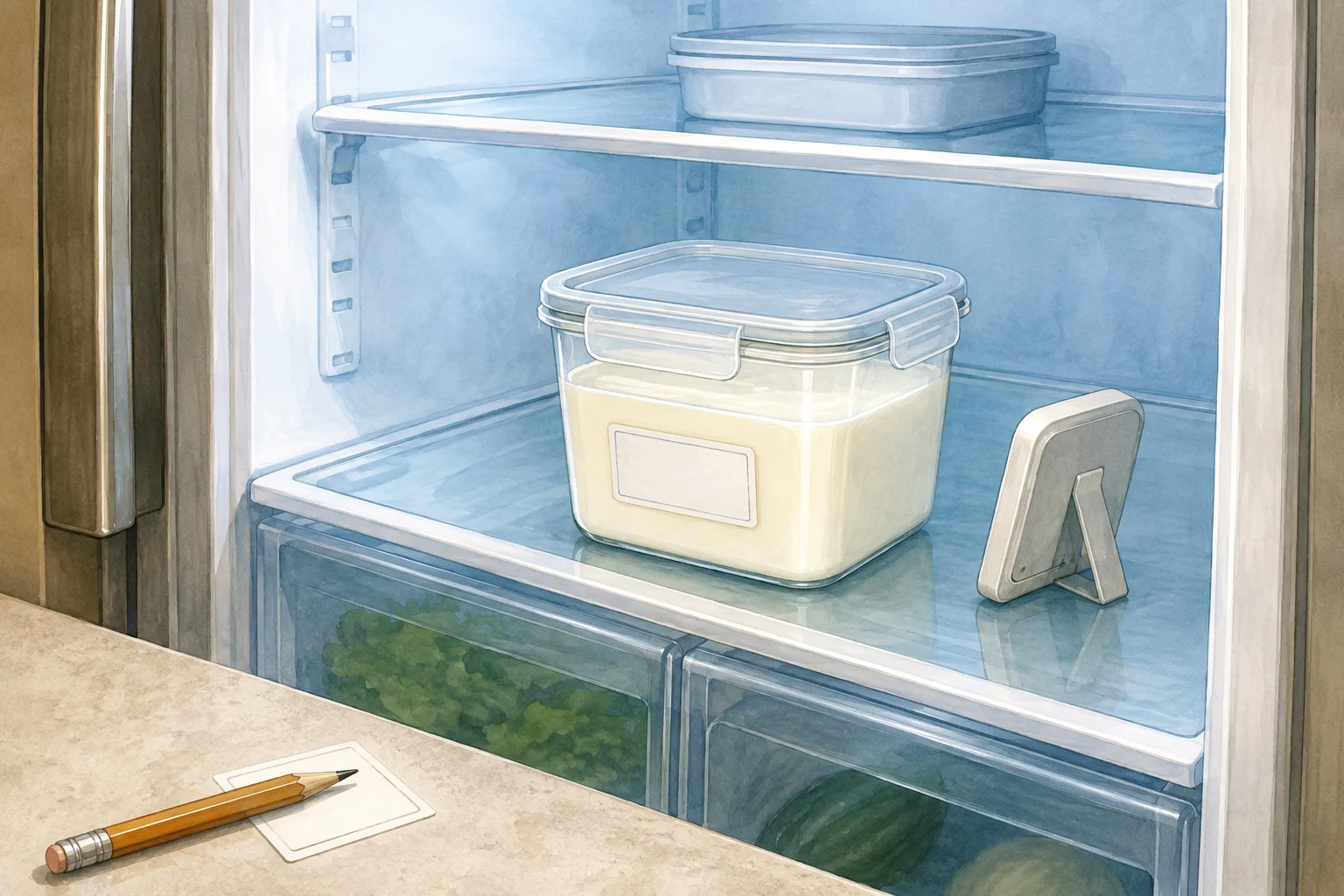
Homemade milk kefir needs prompt refrigeration at 4°C or colder. BCCDC guidance lists a 3–12-day refrigerated shelf-life range, but it is not a guarantee for your particular jar. Make small batches you will use in the first few days, date each container, and keep fruit additions separate until needed.
What the storage range can tell you
The BCCDC kefir guidance gives a 3–12-day range for milk kefir and notes that some commercial products have a longer tested shelf life. That is useful context, not a household expiry calculation. Your ingredients, fermentation, hygiene and refrigerator conditions still matter.
Plan a modest amount rather than aiming for the far end of the range. For bought kefir, follow its use-by and after-opening instructions. Do not transfer a dairy storage range to water kefir, plant ferments, drained spreads or fruit mixtures; they are different foods. BCCDC specifically notes a lack of water-kefir shelf-life information.
The drink keeps changing after straining
Bacteria and yeasts remain in the liquid. Milk kefir can become more sour and release whey; sweet water kefir can continue producing gas. Cold slows these changes but does not stop them completely or remove alcohol already made.
Keep the main batch plain. Prepare flavoured portions near serving time, using clean utensils, and never pour a used serving back into the storage jar. Added fresh ingredients do not restart the original batch’s storage life.
Check history before appearance
A jar with no visible mould can still have an unsafe handling history. Know when it was made, whether fermentation met the method’s checks and whether it remained refrigerated at 4°C or colder. Label each batch separately instead of topping new kefir onto old.
I cannot remember when I made this jar. Can smell settle it?
No. Smell cannot reconstruct time or temperature. Discard a jar with an unknown storage history rather than tasting it. For the next batch, write the preparation date and keep a simple batch record.
For any jar you plan to keep, confirm all three points:
- Known date, ingredients, and continuous refrigeration.
- A sound container with controlled pressure.
- No mould, coloured growth, rotten or chemical smell, insects, or unexplained change.
Use sound kefir while you still like its flavour
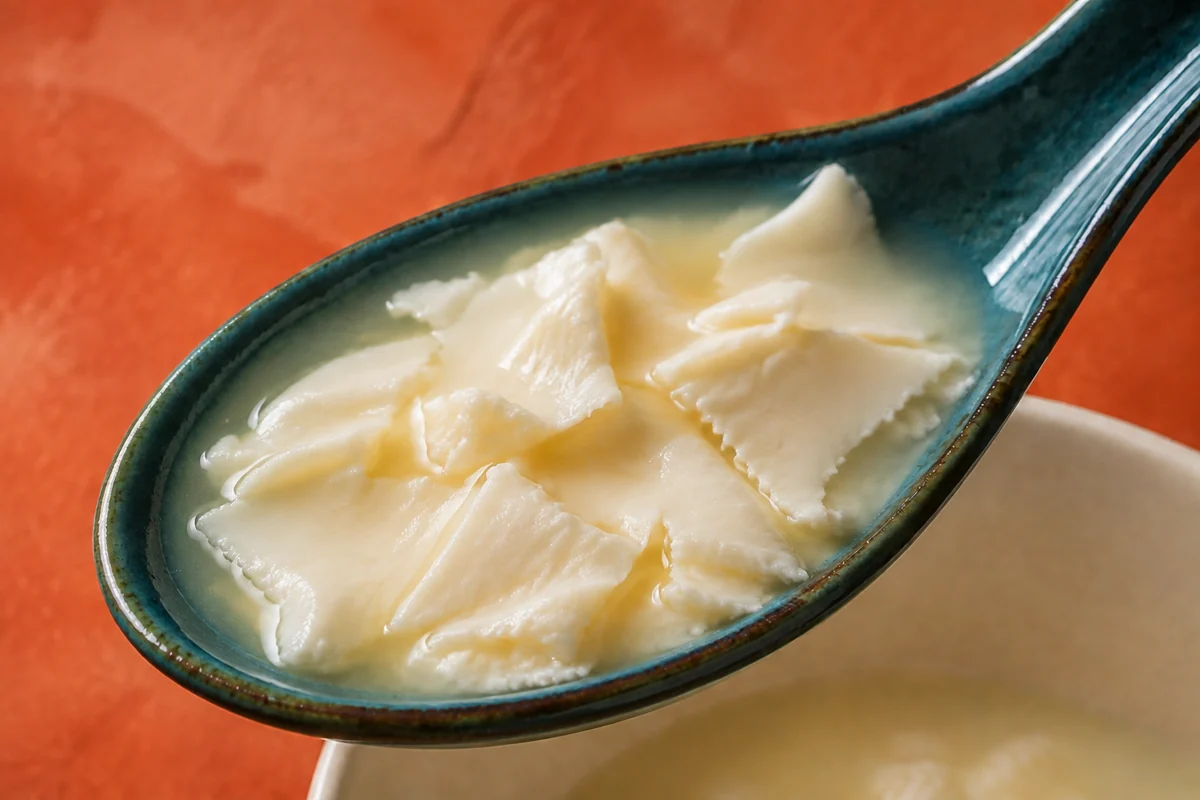
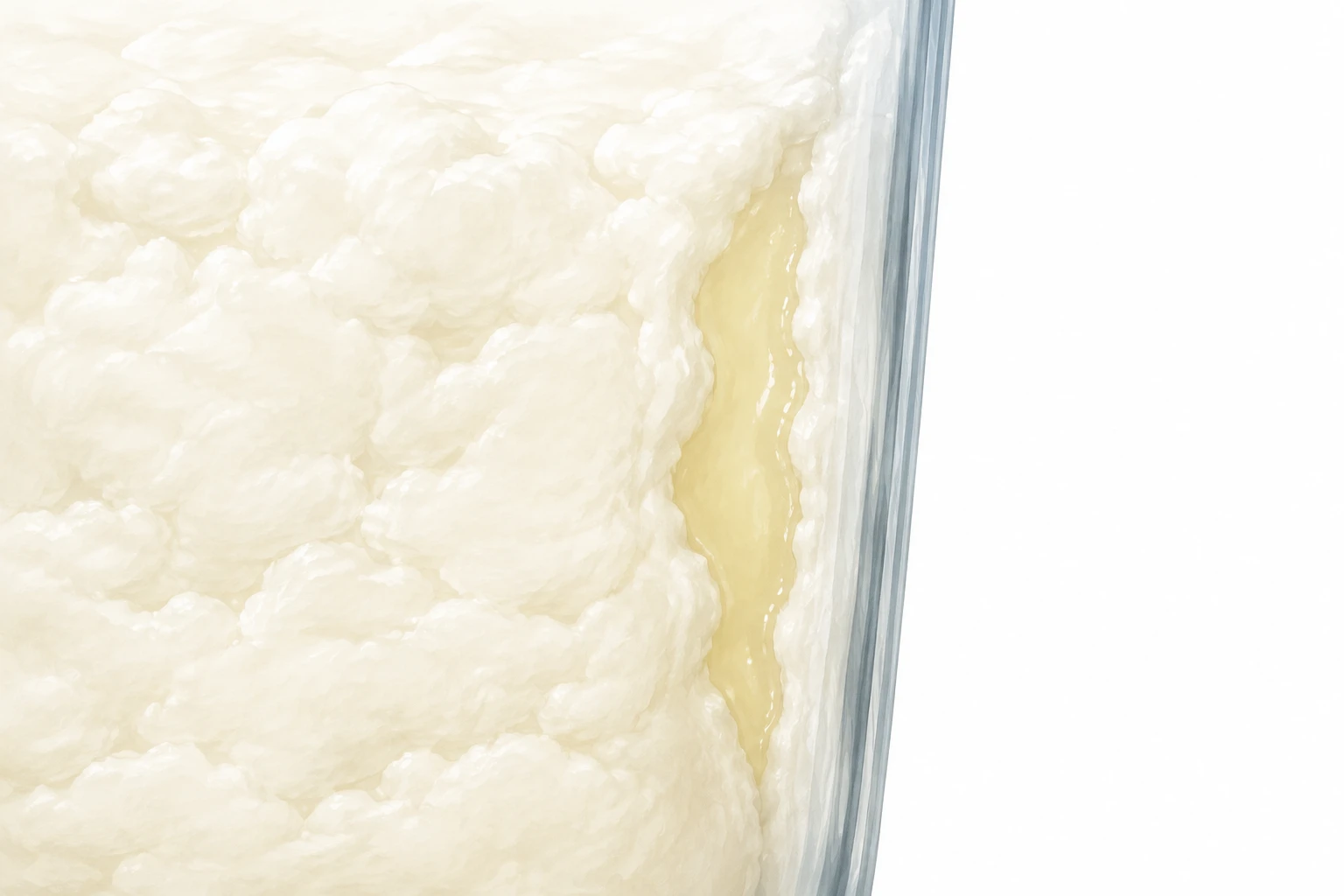
Ordinary whey separation can be stirred back in. A somewhat sharper milk kefir may suit kefir pancakes or herb dressing, provided its process and cold-storage history are sound and it has no spoilage signs. Using it in a recipe is a flavour choice, not a rescue treatment.
If you freeze a sound portion for later cooking, label it and thaw in the refrigerator. The texture may separate; do not expect it to return to exactly the same drinking consistency.
Discard when the history or condition is wrong
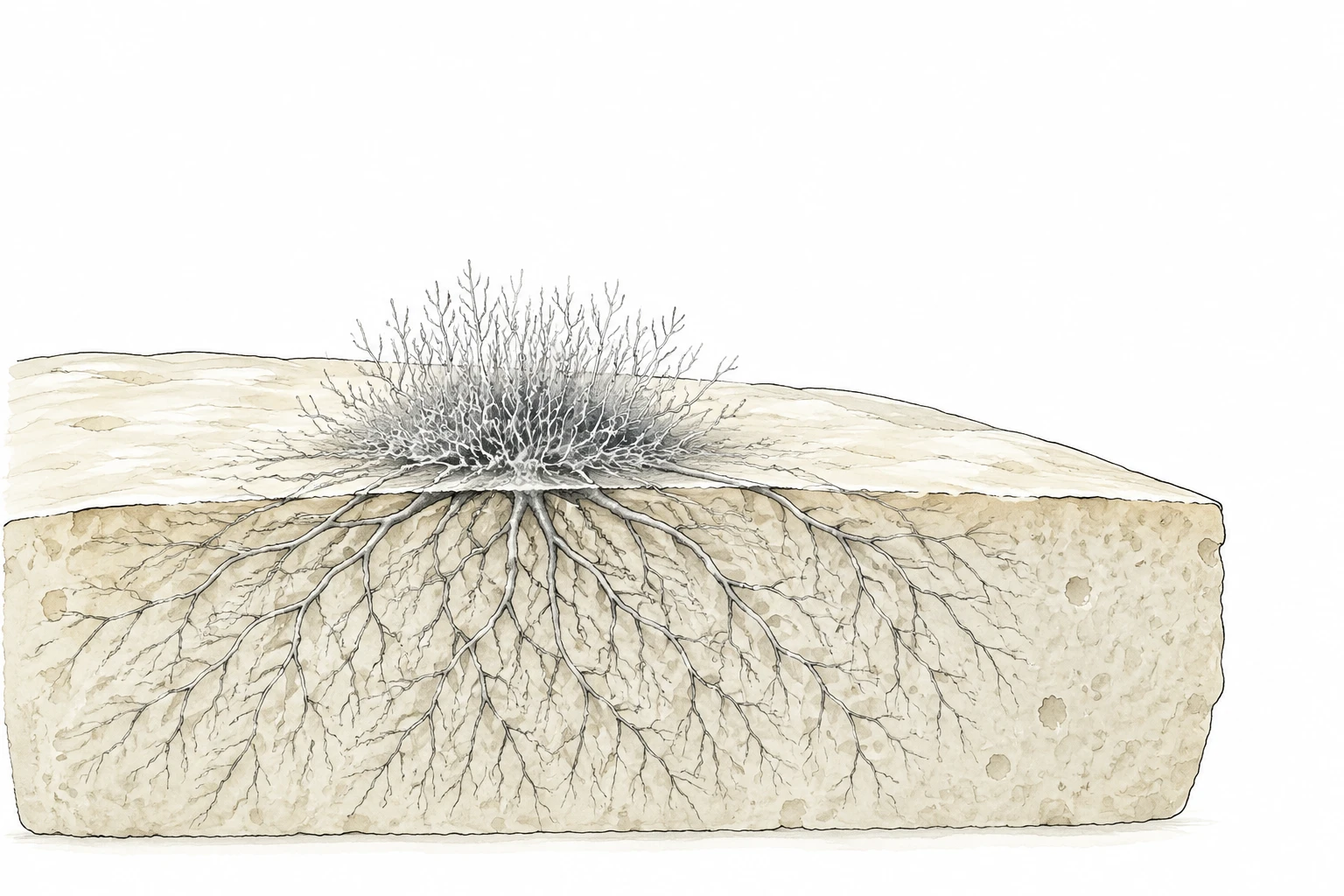
Do not taste kefir with fuzzy mould, unusual coloured growth, insects, rotten or chemical odour, a leaking or damaged container, or an unknown warm-storage history. A sound smell cannot override those problems. A suspected overpressurized bottle needs safe handling guidance from the container maker before disposal.
Check the refrigerator with a thermometer. Smaller dated batches, kept cold and served with clean utensils, make the keep-or-discard decision much simpler.
A refrigerator routine that answers the question
- 1Date one clean container
Do not keep topping new kefir onto an older batch.
- 2Keep the plain batch plain
Flavour only what you expect to use soon.
- 3Use the oldest known batch first
Use a sound batch promptly in a suitable recipe; cooking cannot rescue contamination.
What normal ageing can look like
Does stronger sourness mean it is spoiled?
Not by itself. Continued fermentation normally raises acidity. Use the storage history, container, surface, aroma, and texture together.
Can ordinary whey separation be mixed back in?
Yes. If the batch has a known cold history and no discard sign, stir or blend it to restore a more even texture.
Can finished kefir be frozen?
Yes for cooking or frozen recipes. Thawing can separate the texture and reduce some viable microbes, so it may not return to the same drinking quality.
Research behind this answer
Where to go next


Comments
No comments yet.
Comments could not be loaded.
Join the discussion