
Plant-drink experiment
Can milk-kefir grains ferment plant milk?
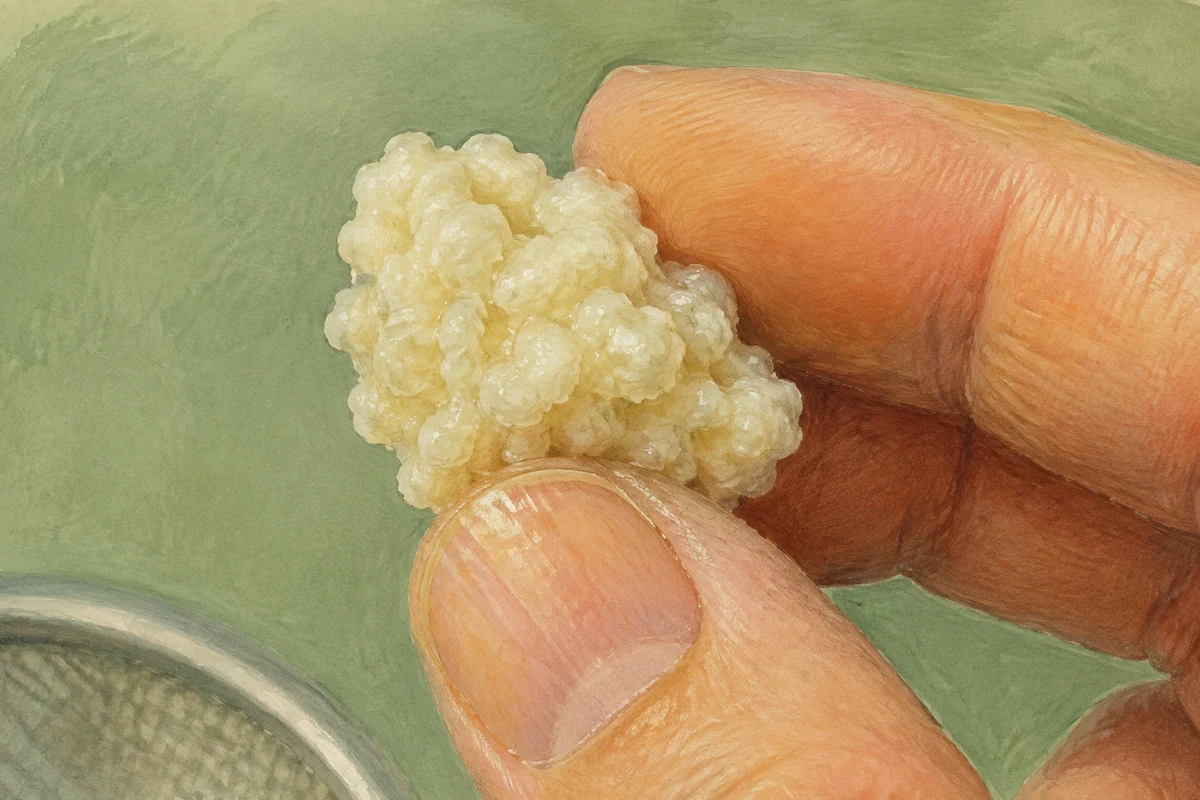
Milk-kefir grains can acidify some plant drinks for a short experiment, especially soy, but that does not turn them into a dependable dairy-free culture. If you want occasional plant-drink experiments, split off a small portion and keep the parent grains in dairy milk. If you need a genuinely dairy-free routine, start with a dedicated plant starter or a never-dairy culture and dedicated equipment.
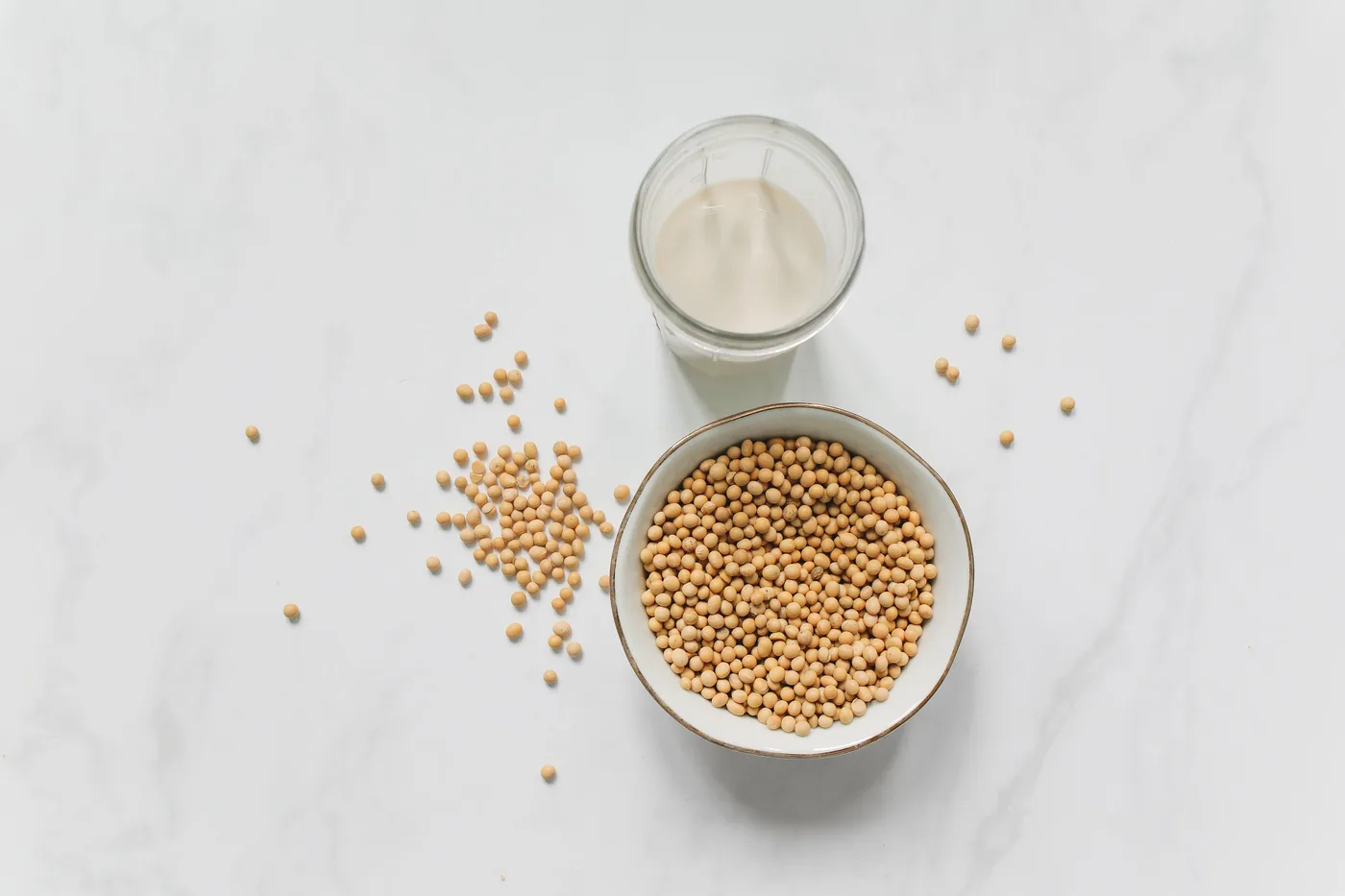
The grains may ferment it. Can they keep doing it?
Milk-kefir grains have been used to ferment soy and other plant drinks in research. That establishes a possibility, not a dependable recipe for every carton. A drink becoming sour once does not show how the grains will perform after repeated transfers, or whether the process controls food-safety risks.
The practical choice starts with the reason you want a plant base. For curiosity, a separate culture experiment may be worthwhile. For a daily dairy-free food, a starter with instructions for that exact base is easier to use reliably. For milk allergy, dairy contact rules out ordinary milk-fed grains, even after rinsing.
Soy, coconut, oat and almond behave differently
Soy has enough protein to form a noticeable cultured gel. Coconut products can be thick from fat while supplying little protein. Oat drinks may contain starches; almond drinks vary greatly in dilution and added stabilizers. Check the ingredient list and nutrition panel of the actual carton. Texture alone cannot show that fermentation succeeded.

My plant drink thickened. What does that prove?
Only that its texture changed. Protein setting, chilled coconut fat and added gums can all make a drink thick. Use the starter’s validated process, including its temperature, time and acidity checks. Do not use thickness as permission to drink an experimental batch. For a comparison of ingredients rather than fermentation technique, see milk and water kefir choices.
Keep an experimental portion separate
Use a published or supplier-validated method for the named plant drink. Keep healthy parent grains in pasteurized dairy milk and take only a small spare portion for the experiment. Use a separate labelled jar and utensils. Record the exact product, grain weight, liquid volume, temperature, timing and acidity.
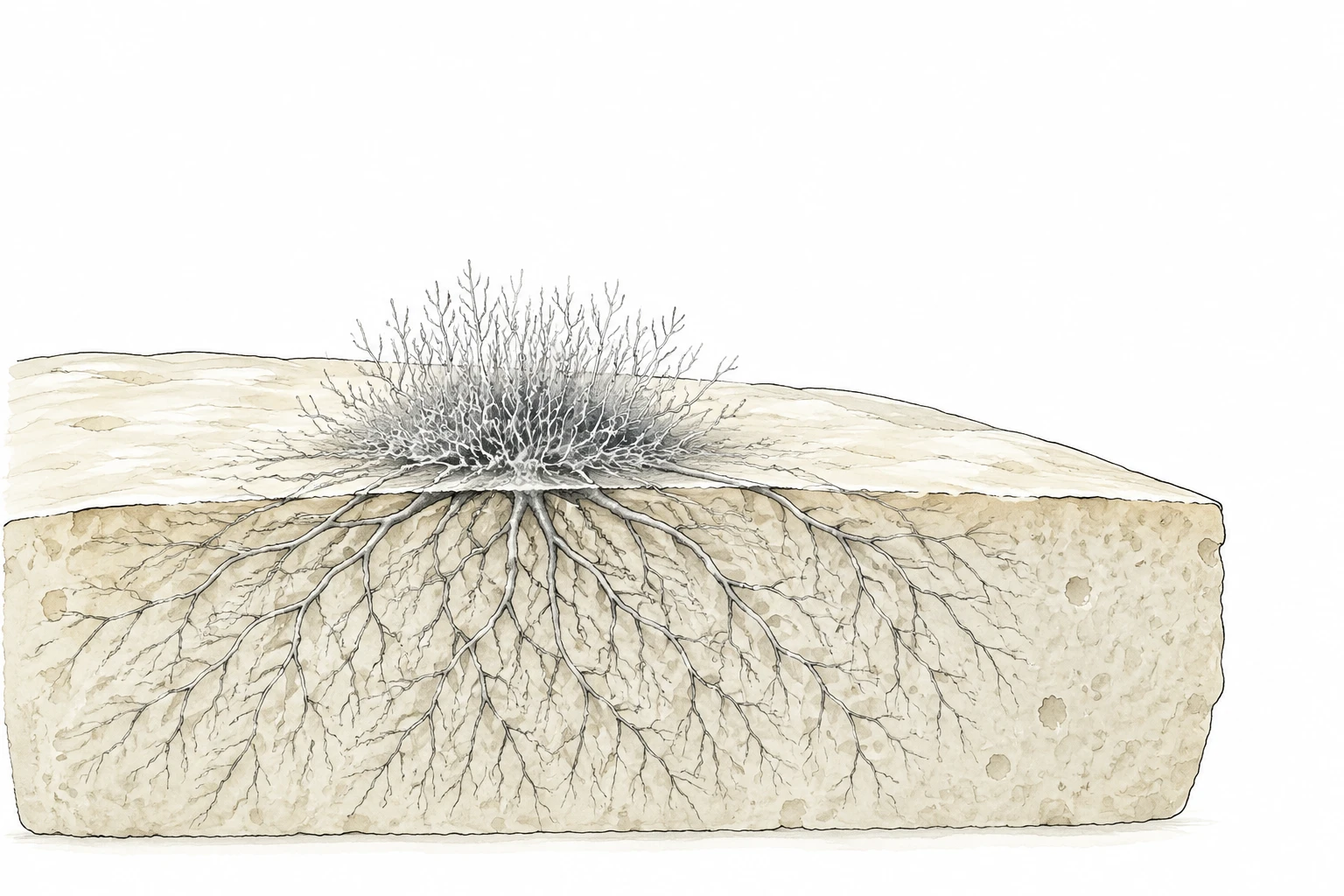
Do not improvise a drinking recipe by transferring the dairy method unchanged to any plant carton. Keep experimental grains separate from the parent culture, particularly when ingredients introduce another allergen. Discard any liquid or grains with mould, unusual coloured growth or rotten odour without tasting.
A dedicated starter gives you a clearer routine
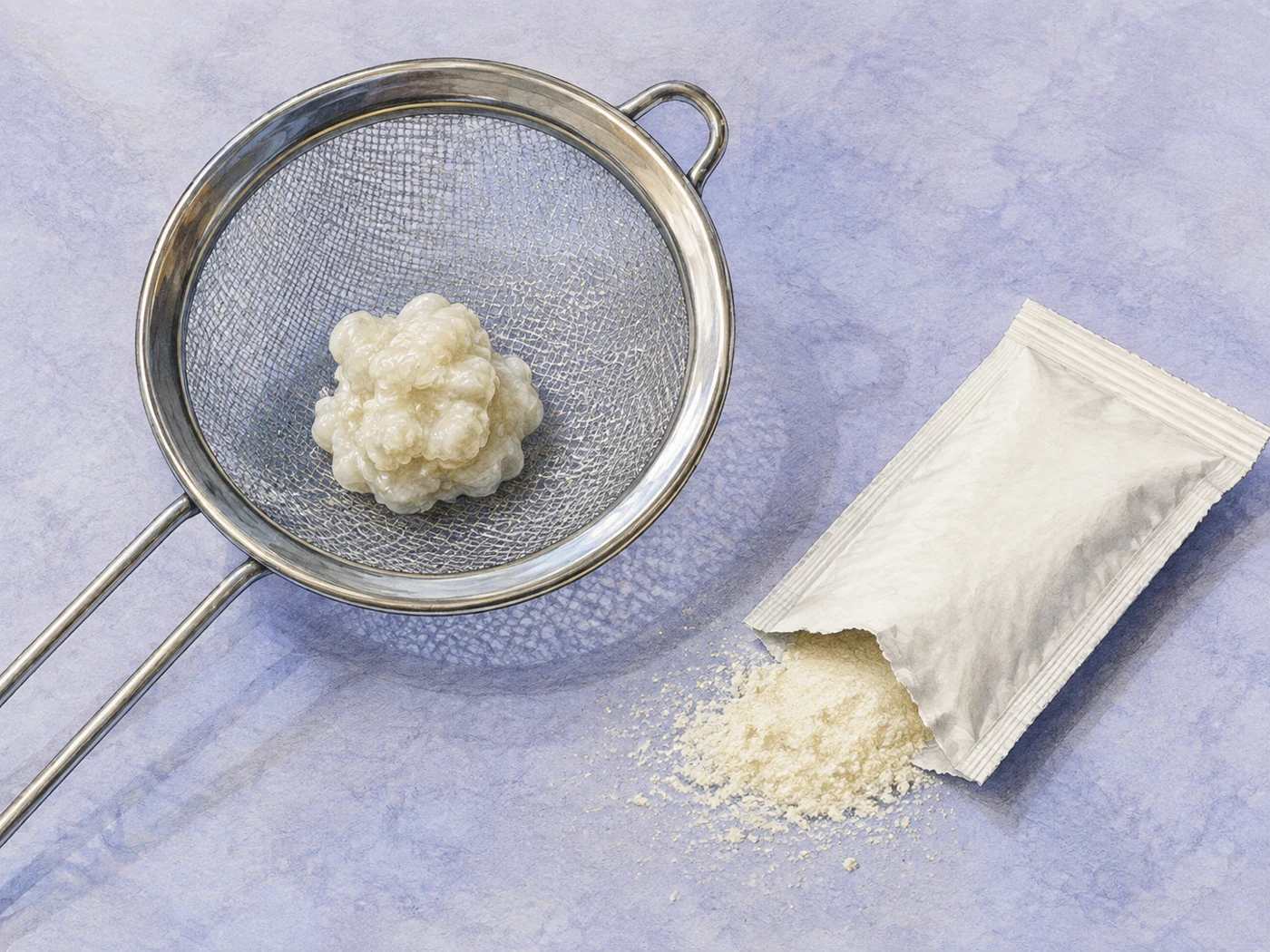
Choose a plant starter that names the intended base, preparation, dose, temperature, fermentation time and reuse limits. Its storage and allergy instructions matter too. It will not necessarily grow reusable traditional grains. Starter powder and living grains serve different routines.
For a light fermented drink, water kefir is another option. It uses its own culture and sugar-water recipe; it is not a general starter for making oat or coconut yogurt.
Keep nutrition and health claims attached to the food
A soy ferment gets its protein and other nutrients from the soy drink; a coconut ferment has a different composition. Fortification also varies. Research on a particular dairy kefir does not establish the same digestive benefit for a plant version. Name the base and culture when sharing your result so others know what it actually contains.
Choose the culture for the reason you want a plant drink
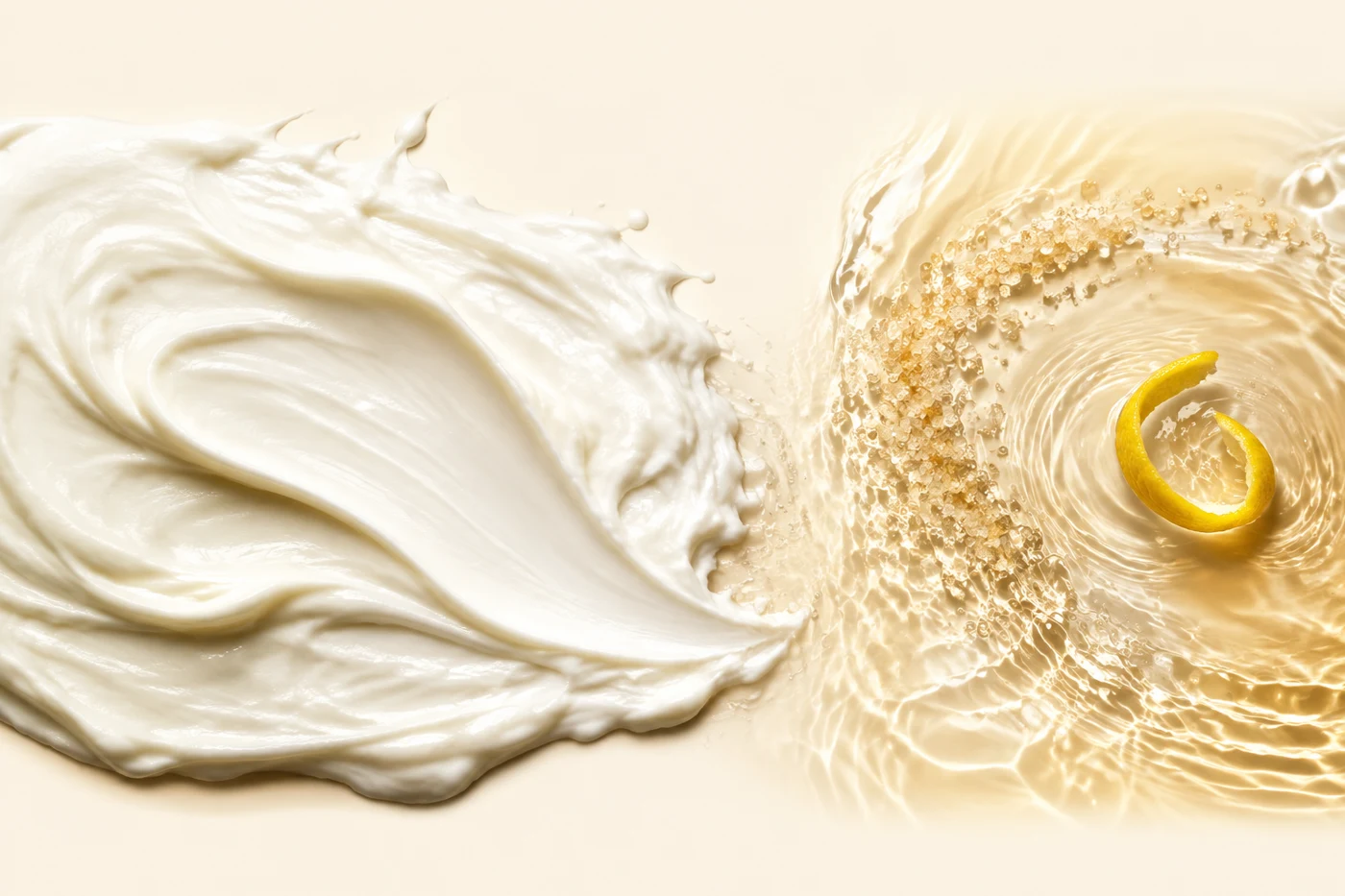
- Milk allergy
- Start with a verified dairy-free culture and separate equipment. Rinsing milk-fed grains is not enough. Follow this route
- A daily plant ferment
- Use a dedicated starter with instructions for the exact base. Follow this route
- A separate experiment
- Keep a healthy dairy-fed parent; use a spare portion and never merge it back. Follow this route
- A light fermented drink
- Choose never-dairy water-kefir grains and their own sugar-water method. Follow this route
Questions before you change the base
Can I return plant-fed grains to milk?
Keep experimental grains separate instead. Returning them makes the parent history less clear and can carry plant ingredients into a household that needs allergen control.
Will adding sugar make any plant drink work?
No. Sugar supplies fermentation fuel, but it does not replace the proteins, minerals, and structure of dairy milk or guarantee a balanced culture.
Is lactose-free milk the same as plant milk?
No. Lactose-free milk remains dairy and contains milk proteins. It can suit some people with lactose intolerance but not someone with milk allergy.
Research behind this answer
Where to go next




Comments
No comments yet.
Comments could not be loaded.
Join the discussion