
Skin Health & Gut-Skin Axis · Kefir Guide
Kefir for Skin, Acne, and the Gut-Skin Axis: Nourishing Your Glow From the Kitchen Out
Yes—daily plain kefir is a wonderful, gentle way to nourish your skin barrier from the inside out. In eight-week human studies, drinking just 100 ml of homemade milk kefir a day helped volunteers hold onto skin moisture, calm atopic dermatitis symptoms, and ease digestive discomfort at the very same time.

Enjoying a small daily glass of plain kefir supports calmer, better-hydrated skin by working kindly through your gut. Clinical research shows regular homemade milk kefir strengthens the outer skin barrier and eases dryness in both healthy adults and people with eczema-prone skin, while cutting back on sugary drinks helps keep acne triggers calm.
Whether you sip 100–150 ml at breakfast or treat healthy skin to a single-use five-minute kitchen mask, patience and simple whole ingredients always outshine harsh quick fixes.
Why Japanese bihada routines start with chōkatsu—your gut
In Japan, beauty writers and home fermenters have a pair of words that naturally go hand in hand: chōkatsu (腸活, nurturing the gut) and bihada (美肌, calm, clear, luminous skin). Long before “gut-skin axis” became a wellness buzzword in English magazines, Japanese kitchen wisdom treated digestion and complexion like two halves of the same garden. When your belly feels heavy, backed up, or irritated, your skin often mirrors that stress through dullness, dry patches, or unexpected flare-ups.
Modern dermatology and nutrition research now map out why that kitchen intuition holds so much truth. Inside your digestive tract lives a bustling neighborhood of trillions of microbes that help train your immune system and keep everyday inflammation quiet. When your gut environment grows unbalanced—from low fiber, late nights, high sugar, or stress—tiny inflammatory signals travel through the bloodstream and make skin more reactive and slower to hold moisture.
Traditional milk kefir fits effortlessly into a gentle chōkatsu routine. Unlike single-strain yogurt, kefir cultured with living kefir grains brings dozens of lactic acid bacteria alongside friendly yeasts, soothing organic acids, milk peptides, and silky kefiran polysaccharide—and as we share in our kefir and gut health guide, pairing those live fermented foods with colorful plant fiber gives both your gut and skin steadier daily backing.

What two human studies showed about kefir and your skin barrier
Research in Alves et al. (2021) (full paper) followed 52 adult volunteers—33 with healthy skin and 19 living with atopic dermatitis (eczema)—who either added 100 ml of homemade milk kefir to their daily routine for eight weeks or continued their normal diet. By the end of the eight weeks, volunteers sipping homemade kefir showed a stronger outer skin barrier, losing noticeably less moisture through the skin surface while keeping skin hydration steadier; among those with atopic skin, overall symptom severity dropped meaningfully as well. In a follow-up analysis of those same volunteers published in Alves et al. (2022) (full paper), the researchers found that skin improvements walked right alongside calmer digestion—including less constipation, less bloating, and less abdominal discomfort—highlighting how intimately tummy peace and skin resilience move together.
The Gut-Skin Axis: 8-Week Kefir Findings & Gentle Skincare Habits
Left: What Alves et al. (2021 & 2022) saw with 100 ml daily homemade kefir. Right: Calm inside-out and topical kitchen practices.
Acne, sugar spikes, and why plain kefir makes a smart swap
When readers ask whether kefir helps with acne, one of the biggest everyday wins has nothing to do with magic skin claims—it comes down to what kefir replaces on your table. According to the American Academy of Dermatology (AAD), foods and drinks that send your blood sugar soaring quickly—think sweetened yogurt drinks, milkshakes, bubble tea, pastries, and white bread—trigger rapid bursts of insulin and growth signals (like IGF-1) that nudge oil glands to produce more sebum and clog pores.
Take a look at the dairy cooler on a hot Taiwan afternoon and it is easy to spot flavored kefirs and yogurt drinks packed with three or four teaspoons of added cane sugar or corn syrup. Swapping those sweet bottles for plain, unsweetened kefir layered with crushed berries, toasted seeds, or a pinch of cinnamon gives you creamy satisfaction without the sugar roller coaster—a win for both clearer skin and steady energy (you can see more label tips in our blood sugar & plain kefir guide).
What about dairy itself? Dermatologists observe that regular cow’s milk—especially skim milk—is linked with breakouts in some people, though studies on fermented dairy like yogurt and cheese have been far less consistent. Because kefir’s friendly bacteria consume much of the milk sugar during fermentation yet leave dairy proteins (whey and casein) intact, individual skin responses vary. If you already enjoy dairy peacefully, plain whole-milk kefir often sits very kindly; if stubborn jawline breakouts make you wonder whether dairy plays a role, try taking a calm four-to-six-week breather with crisp water kefir or unsweetened soy kefir while keeping a light skin-and-food journal.
Skin & Kitchen Guide
What is your skin asking for right now?
Pick the skin goal or concern that sounds most like your week to find your gentlest kefir routine.
Pour 100 ml daily alongside colorful plants and healthy fats
In Alves et al. (2021), just 100 ml of homemade milk kefir a day helped both healthy and atopic volunteers hold moisture in their skin barrier over eight weeks. Stir your daily pour over overnight oats with walnuts or flaxseed, keep showers lukewarm rather than steaming hot, and seal in moisture right away with a plain fragrance-free cream. Remember that food supports your barrier gently over weeks—never drop prescribed eczema care without talking to your dermatologist.
Trade sweetened dairy drinks for tangy plain kefir
Many “probiotic” yogurt bottles carry more sugar than a small soda, spiking insulin and sebum output. Switching to plain, unsweetened kefir paired with cinnamon, fresh guava, or chia seeds satisfies an afternoon craving cleanly without the blood-sugar spike. Check our constipation & fiber guide too—keeping digestion moving smoothly is another quiet ally for calmer skin.
Test refreshing water kefir or unsweetened soy kefir
If cow’s milk consistently triggers breakouts for you, you do not have to give up living fermented foods! Compare bases in milk kefir vs. water kefir or ferment unsweetened soy milk as outlined in plant-milk kefir. Give a dairy-free routine four to six weeks while watching how your skin behaves, and keep added sugar low in water kefir by letting it ferment thoroughly.
Patch-test your inner arm first—and never apply to broken skin
Plain chilled kefir offers ultra-mild lactic acid and creamy lipids for healthy, unbroken cheeks. Mix 1 tablespoon of plain kefir with 1 teaspoon of finely ground rolled oats for a cooling five-to-ten-minute mask, rinse thoroughly with lukewarm water, and toss any extra mix right away. Important safety habits: always patch-test a dab on your inner forearm 24 hours earlier, avoid the delicate eye area, skip completely if you have a milk allergy, and never apply homemade food masks onto cracked, bleeding, oozing eczema, or open acne sores.
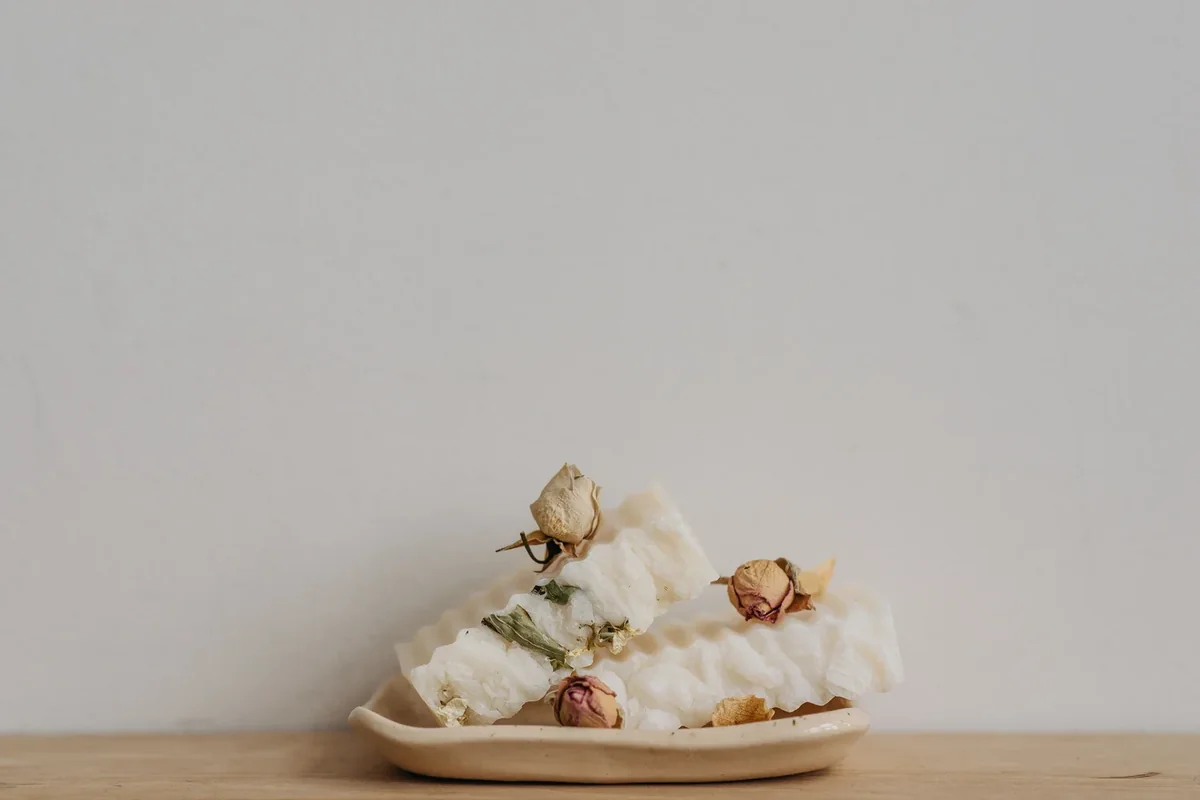
Gentle kitchen DIY skincare: natural lactic acid without overdoing it
Every high-end skincare aisle talks about lactic acid—one of the gentlest alpha-hydroxy acids (AHAs) around, prized for softly lifting away dull surface cells while drawing in moisture. Inside your kefir jar, friendly bacteria craft natural lactic acid every single day alongside milk fats, amino acids, and soothing kefiran.
If you love simple, old-fashioned kitchen rituals, treating healthy skin to a brief kefir moment can feel wonderfully refreshing—and for a deep dive into cold-process dairy soap versus formulated ferment serums, read our kefir soap and skincare guide. Here is how to keep a kitchen mask safe, fresh, and genuinely kind to your face:
- Always patch-test on your inner arm first: Before putting any kitchen ingredient on your face, dab a drop of plain chilled kefir onto clean skin inside your forearm, wait 24 hours, and make sure there is zero redness, itching, or stinging.
- Healthy, intact skin only: Never smooth raw fermented dairy over popped pimples, open sores, cracked eczema patches, sunburn, or raw skin barriers—save those areas for gentle dermatologist-recommended products.
- Simple single-use 5–10 minute oat & kefir mask: Stir 1 tablespoon of chilled, plain whole-milk kefir with 1 teaspoon of finely milled oats (or a few drops of honey if your skin likes it) into a cool, spreadable paste. Apply a thin coat for 5–10 minutes, rinse softly with lukewarm water, pat dry, and moisturize.
- Mix fresh every time—zero leftovers: Homemade kefir has no cosmetic preservatives, so mix only enough for one immediate mask and wash the bowl clean afterward.
Not keen on putting food on your face? You can still enjoy kefir’s calming perks in two effortless ways: pour half a cup of extra-tangy kefir or leftover whey into a warm (not hot) bath soak for silky skin, or simply keep your kefir in your morning bowl where the gut-skin science shines brightest!
Putting together an easy 4-to-8-week gut-skin routine
Real skin turnover takes roughly four weeks—and in the human studies by Alves and colleagues, volunteers drank kefir for eight weeks—so give your skin calm, unhurried time rather than judging overnight. Start small with 60–120 ml of plain kefir alongside breakfast (see how much kefir to drink), pair it with fiber-rich fruits and whole grains, drink plenty of water through the day, and notice both your digestion and your skin comfort over a month or two.
Friendly dermatology & allergy note
Food and gut support complement healthy skincare—they do not replace medical care for cystic acne, painful nodules, scarring, oozing eczema, or skin infections. Skip dairy kefir topically and in your glass if you have a milk-protein allergy, and consult a board-certified dermatologist whenever skin flares feel painful, persistent, or uncertain.
Frequently Asked Questions
Does drinking kefir help clear acne?
Drinking plain, unsweetened kefir supports calmer gut balance and offers a smart low-sugar swap in place of sweetened yogurt drinks or milk teas that spike blood sugar and oil output. Because individual acne triggers vary—and cow’s milk proteins bother some acne-prone skin—give plain kefir or dairy-free water kefir a steady four-to-six-week trial alongside gentle proven skincare.
Can kefir help with dry skin or eczema-prone skin?
Encouraging early human research suggests it may help from the inside out: in an eight-week study (Alves et al., 2021), adults with healthy or atopic skin who drank 100 ml of homemade milk kefir daily saw stronger skin barrier function, better hydration, and calmer atopic symptom scores. Always keep using your doctor’s prescribed topical care during eczema flares.
Should I drink milk kefir or water kefir if cow’s milk breaks me out?
If you notice dairy regularly triggers jawline breakouts for you, switch calmly to crisp, low-sugar water kefir or unsweetened soy kefir for a month or two and watch how your skin responds. Fermentation lowers lactose, yet milk kefir still contains dairy proteins (casein and whey).
How do I safely make a quick kefir face mask at home?
First, always patch-test a tiny drop of plain kefir on your clean inner arm and wait 24 hours. If your skin loves it, mix 1 tablespoon of chilled plain kefir with 1 teaspoon of finely ground oats, smooth onto clean, unbroken facial skin for 5–10 minutes, and rinse with lukewarm water. Mix fresh for one use only and never apply onto broken skin or active sores.
How long does it take to notice skin changes from drinking kefir?
Give your routine four to eight weeks. Digestion often feels lighter within one to two weeks, while your skin’s natural renewal cycle and barrier hydration changes usually show gradually across a month or two of steady daily sipping.
Sources
- Alves E, Gregório J, Baby AR, Rijo P, Rodrigues LM, Rosado C. (2021). Homemade Kefir Consumption Improves Skin Condition—A Study Conducted in Healthy and Atopic Volunteers. Foods (PMID 34829075)
- Alves et al. (2021) Open-Access Full Text (PMC8622502)
- Alves E, Gregório J, Rijo P, Rosado C, Rodrigues LM. (2022). Kefir and the Gut-Skin Axis. Int J Environ Res Public Health (PMID 36360671)
- Alves et al. (2022) Open-Access Full Text (PMC9653948)
- American Academy of Dermatology (AAD): Can the right diet get rid of acne?