
Sensitive Stomach · Kefir Guide
Kefir for Acid Reflux & Gastritis: Why Timing, Mildness & Pairing Matter So Much
Can you drink kefir if you live with heartburn, GERD, or a sensitive stomach lining? Yes—as long as you respect your stomach’s current mood. During an active flare-up, let your stomach rest first; once things feel calm, a small pour of mild 1-day, low-fat kefir enjoyed with food—and well before bedtime—often feels surprisingly soothing.

Kefir isn’t automatically off-limits for acid reflux or gastritis, yet how and when you pour it makes all the difference. Because fermented kefir carries natural lactic acid, light yeast fizz, and dairy fat, gulping a cold glass on an empty inflamed stomach or right before bed can easily sting or trigger heartburn.
Once acute burning calms down, starting gently with 30–60 ml of mild 1-day, low-fat kefir alongside a soft meal—at breakfast or lunch, at least 3 hours before lying down—lets many sensitive stomachs enjoy cultured nutrition in total comfort.
Why fermented tang can soothe one person and sting another
If you ask ten people with heartburn or gastritis how they feel after kefir, five will smile and say it felt wonderfully soothing, while the other five will tell you their chest started burning ten minutes later. Both reactions make complete sense once you look at what sits inside a glass of kefir.
Kefir is naturally acidic (usually pH 4.0 to 4.6), often served cold straight from the refrigerator, sometimes lightly sparkling with carbon dioxide from friendly yeasts, and—when cultured from whole milk—fairly rich in creamy dairy fat. Across Spanish clinical nutrition guides (which emphasize avoiding kefir en ayunas on a bare stomach), Taiwanese gastroenterology diet tips (reminding patients never to drink sour fermented dairy right before bed), and the NIH NIDDK’s guidance on GERD, the same practical pattern shows up: acidity, rich fat, coldness, and lying down too soon after eating are classic symptom sparks when your stomach or lower esophageal sphincter is feeling touchy.
Meanwhile, on the gastritis side, the NIH NIDDK notes that most gastritis is caused by Helicobacter pylori (H. pylori) infection or regular NSAID pain relievers rather than diet alone—yet while your stomach lining is actively inflamed or tender, even healthy sour foods like citrus, tomatoes, vinegar, or tangy ferments can sting on contact.
What early research says about kefir & stomach protection
In one clear paragraph: while kefir is not a medicine or cure for ulcers, reflux, or gastritis, early scientific studies help explain why gentle, well-timed kefir intrigues researchers. In two preclinical animal studies—a 2023 mouse study (Côco et al., 2023) and a 2012 rat study (Orhan et al., 2012)—pretreatment with milk kefir supported protective stomach mucus and reduced oxidative irritation caused by NSAID painkillers; because those were early animal experiments, we should never swap prescribed ulcer treatment for a glass of kefir. On the human side, a randomized double-blind study (Bekar et al., 2011) found that adults taking daily kefir alongside standard 14-day triple antibiotic therapy for H. pylori saw higher eradication rates (78.2% vs. 50.0%) and fewer medication side effects—showing that kefir shines brightest as a supportive food companion alongside real medical care.
Visual Guide: How to Enjoy Kefir Without Triggering Reflux or Stomach Stinging
Left: Habits that often spark burning. Right: Five soothing kitchen tweaks for sensitive stomachs.
The 5 gentle kitchen rules for reflux & gastritis-prone stomachs
When your stomach is past an acute flare and you feel curious to welcome kefir back onto the table, treat it like testing warm bathwater—calm, unhurried, and respectful of your comfort:
- Let acute flare-ups calm down first: If your upper belly currently burns, aches, or feels nauseous—or you’re healing an active peptic ulcer—hold off on all tangy fermented drinks for a week or two while you follow your doctor’s soothing meal plan.
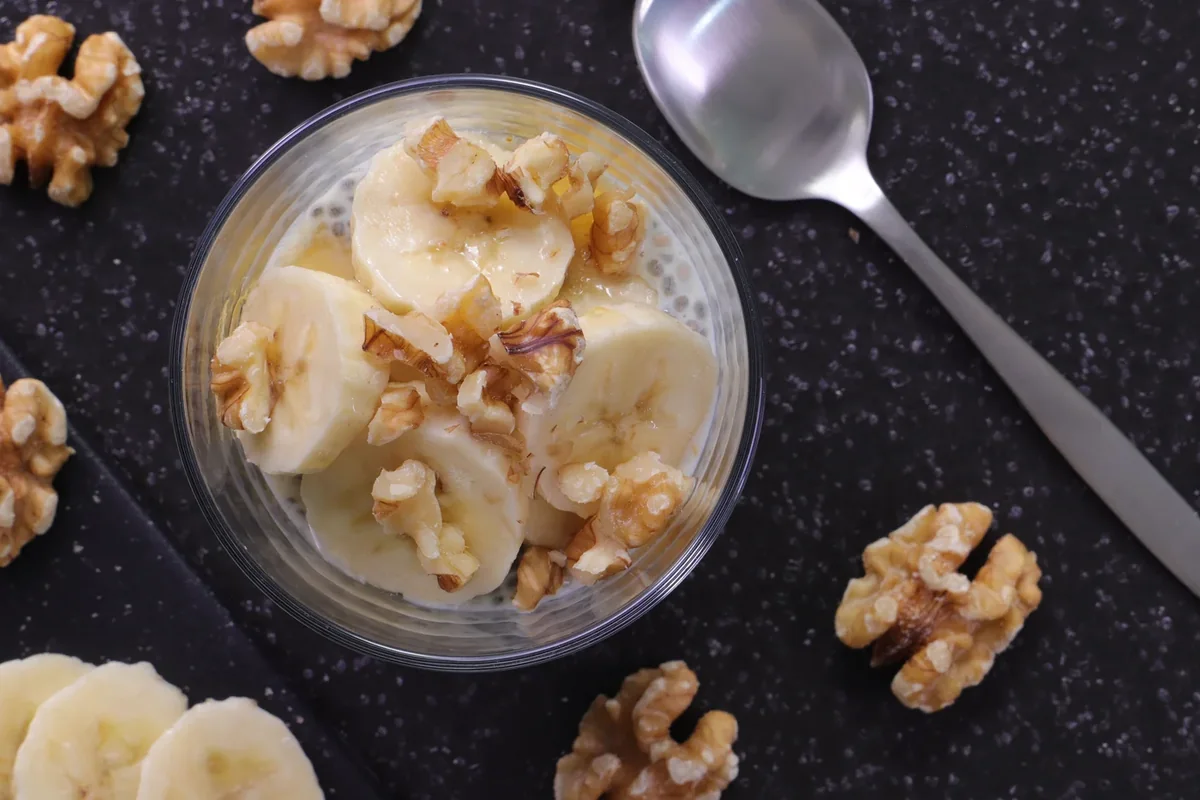
- Pair small pours with soft, buffering foods: Never take kefir on a completely bare stomach. Start with 2 to 3 tablespoons (30–50 ml) beside or right after breakfast or lunch—think warm rolled oats, plain congee, toast, or steamed pumpkin and ripe banana—so solid food cushions the acidity.
- Choose mild 1-day kefir (and stir out bubbles): Fresh 1-day kefir has the softest tang and minimal yeast carbonation compared with sharp 3-day batches. If your jar has a gentle spritz, stir it slowly in an open cup for 20 seconds to let trapped gas bubbles escape before sipping.
- Switch to low-fat milk or calm plant kefir: Because dietary fat delays stomach emptying and can relax the esophageal valve (NIH NIDDK), many reflux-prone readers tolerate low-fat or skim milk kefir noticeably better than rich full-cream bottles. Prefer dairy-free? A mild, uncarbonated coconut or oat kefir or gently fermented, uncarbonated first-ferment water kefir without fizzy bottling can also feel light—just avoid adding acidic citrus juice or spicy ginger during second fermentation!
- Take off the fridge chill & keep a 3-hour bedtime buffer: Pour your small serving onto the counter for 10–15 minutes so it loses its icy shock, and keep your pour at breakfast, lunch, or afternoon tea—never within 3 hours of lying flat. Check our morning vs. night timing guide to build a calm routine.
Stomach Comfort Check
How is your stomach feeling this week?
Tap the description that matches your symptoms right now before reaching for a glass.
Hold off on fermented drinks until burning settles
When your stomach lining is raw or actively inflamed, even mild lactic acid can irritate tender tissue. Stick to soothing bland foods (rice porridge, steamed veggies, oatmeal) and prescribed medication first—kefir will still be waiting happily for you once pain subsides.
Move kefir to breakfast or lunch—skip bedtime sips
Even gentle kefir can climb upward if you lie down soon after drinking. Enjoy a small low-fat 1-day serving alongside morning oats or lunch, and keep your evenings light and upright for at least 3 hours before bed.
Try 2–3 tablespoons of mild 1-day kefir after a meal
Let your small pour warm slightly for 10 minutes, stir gently to remove any fizz, and sip alongside toast or warm oatmeal. Keep a plain, unsweetened label—hidden sugars and chocolate/mint flavorings trigger reflux far more often than plain kefir! Also see starter portion tips.
Ask your clinician & space away from antibiotics
In a clinical trial (Bekar et al., 2011), adding kefir alongside H. pylori antibiotic therapy supported better tolerance and clearance. Just ask your doctor first, space dairy calcium 2 hours apart from tetracycline or fluoroquinolone antibiotics if prescribed, and see our kefir and antibiotics guide.

Quick table: Adjusting kefir for reflux & sensitive stomachs
| Kitchen Choice | More Likely to Irritate | Gentle Stomach Upgrade |
|---|---|---|
| Timing | First thing on an empty stomach or right before bed | 30–60 ml alongside breakfast or lunch, 3+ hours before sleep |
| Fermentation Age | Tangy, fizzy 3-day or second-ferment citrus batches | Smooth, mild 1-day kefir stirred gently |
| Milk Base & Fat | Heavy cream-top full-fat dairy or chocolate-flavored kefir | Low-fat plain milk kefir, lactose-free kefir, or uncarbonated oat/coconut kefir |
| Temperature | Ice-cold directly from the back of the refrigerator | Rested on the counter 10–15 minutes to cool-room temp |
Two hidden gastritis nutrition notes worth knowing
If your gastritis was diagnosed by a doctor as H. pylori gastritis or autoimmune gastritis, the NIH NIDDK shares an important reminder: chronic stomach-lining inflammation can reduce your body’s ability to absorb iron and vitamin B12. Cultured milk kefir supplies natural vitamin B12, yet it never replaces proper medical testing or iron/B12 therapy when your clinician recommends it—so always treat dietary comfort and clinical care as friendly partners.
And if you notice that any dairy—even tiny sips of low-fat 1-day kefir—still makes you feel bloated, gassy, or unsettled, explore whether lactose sensitivity or IBS-related bloating is part of the picture.
When to check in promptly with a doctor
Do not rely on fermented foods to manage worrisome stomach symptoms. Seek medical evaluation right away if you notice black or tarry stools, vomit that looks bloody or like coffee grounds, trouble or pain when swallowing, persistent upper abdominal pain, repeated vomiting, unexplained weight loss, or heartburn happening more than twice a week.
Frequently Asked Questions
Is kefir good or bad for acid reflux (GERD)?
It depends on timing, fat level, and mildness! Drinking sour, full-fat, or fizzy kefir on an empty stomach or right before bed can easily trigger reflux. However, many people with quiet daytime GERD comfortably tolerate 30–60 ml of mild 1-day, low-fat plain kefir alongside breakfast or lunch, far clear of bedtime.
Can I drink kefir if I have chronic or mild gastritis?
Wait until any acute burning pain or ulcer flare calms down under your doctor’s care first. Once your stomach feels steady, test a tiny spoonful (2–3 tablespoons) of mild, room-cool 1-day kefir right after a gentle meal like oatmeal or rice porridge, and stop if you feel any stinging.
Is milk kefir or water kefir gentler for acid reflux?
Plain low-fat 1-day milk kefir contains milk proteins that gently buffer acidity slightly better for many people than tangy water kefir, especially because second-ferment water kefir is often bubbly and slightly sharper. If you avoid dairy completely, try uncarbonated first-ferment water kefir (stirred flat) or mild coconut/oat kefir with food.
Why does kefir give me heartburn when yogurt doesn’t (or vice versa)?
Traditional kefir ferments with beneficial yeasts as well as bacteria, creating tiny dissolved carbon dioxide bubbles and sometimes a lower pH if aged past 24 hours. Those bubbles and extra lactic tang—or higher fat if made with whole cream milk—can tickle a sensitive esophageal valve more than mild, uncarbonated low-fat yogurt.
Can kefir cure an H. pylori infection or stomach ulcer?
No—never use kefir alone in place of medical treatment! While early animal studies suggest gastroprotective properties and one human trial found kefir worked well alongside prescribed 14-day triple antibiotic therapy to improve H. pylori clearance and comfort, antibiotics and physician-guided acid care are essential to heal infections and ulcers safely.
Sources
- NIH NIDDK: Acid Reflux (GER & GERD) in Adults
- NIH NIDDK: Eating, Diet, & Nutrition for Acid Reflux (GER & GERD)
- NIH NIDDK: Symptoms & Causes of Gastritis & Gastropathy
- NIH NIDDK: Eating, Diet, & Nutrition for Gastritis & Gastropathy
- Côco LZ, et al. (2023). Unravelling the Gastroprotective Potential of Kefir: Exploring Antioxidant Effects in Preventing Gastric Ulcers. Cells (Preclinical mouse study, PMID 38132119)
- Orhan YT, et al. (2012). A study on the protective activity of kefir against gastric ulcer. Turk J Gastroenterol (Preclinical rat study, PMID 22965503)
- Bekar O, Yilmaz Y, Gulten M. (2011). Kefir improves the efficacy and tolerability of triple therapy in eradicating Helicobacter pylori. J Med Food (PMID 21186984)