
Milk kefir ingredients
Which milk should you use for kefir?
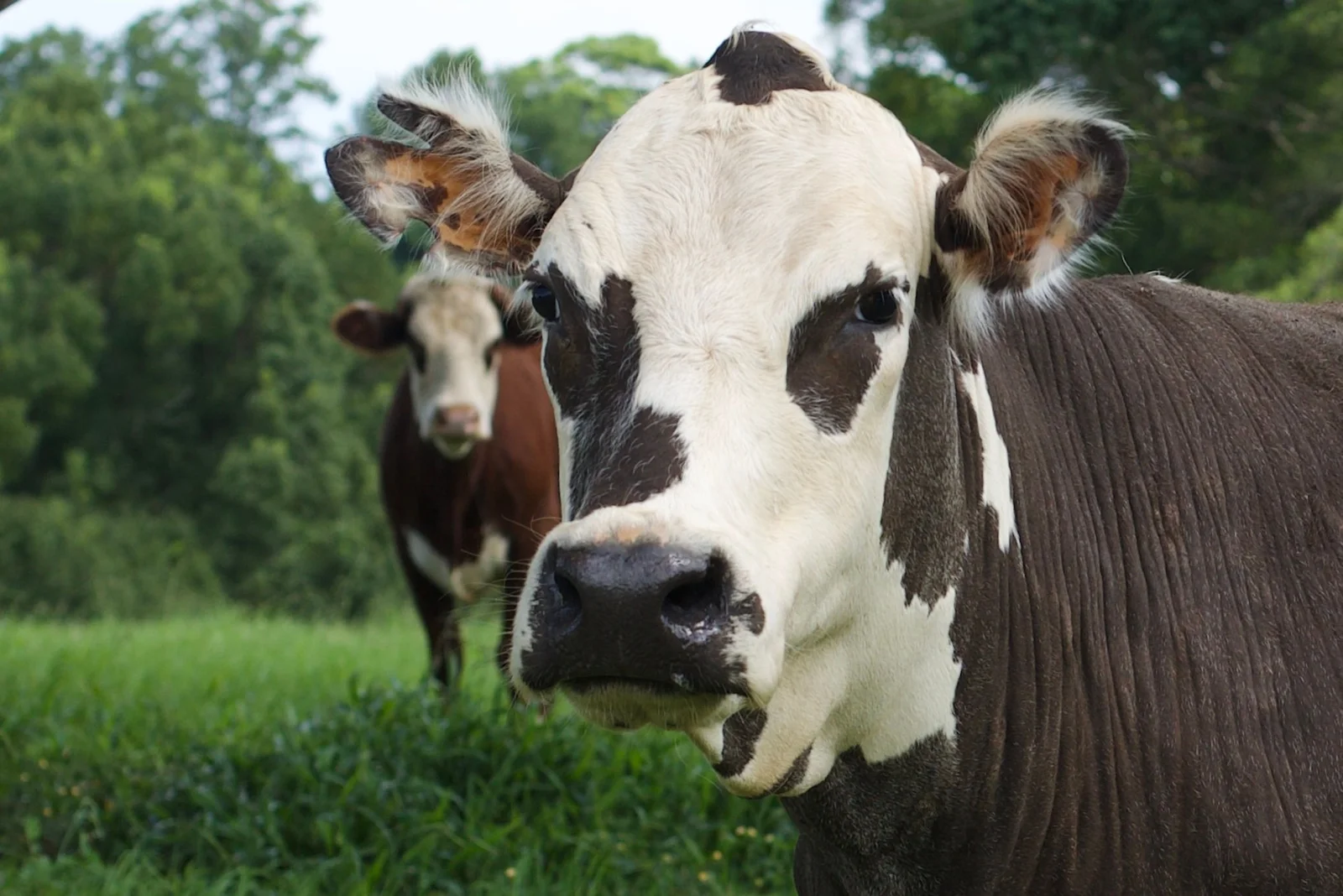
Whole pasteurized cow’s milk is an easy first choice for milk kefir. Once you can repeat a batch, the carton becomes a useful way to change the result: fat affects richness, while protein helps build thickness. Those are different qualities, so the creamiest milk does not always make the firmest kefir.
Start with a milk you can buy again
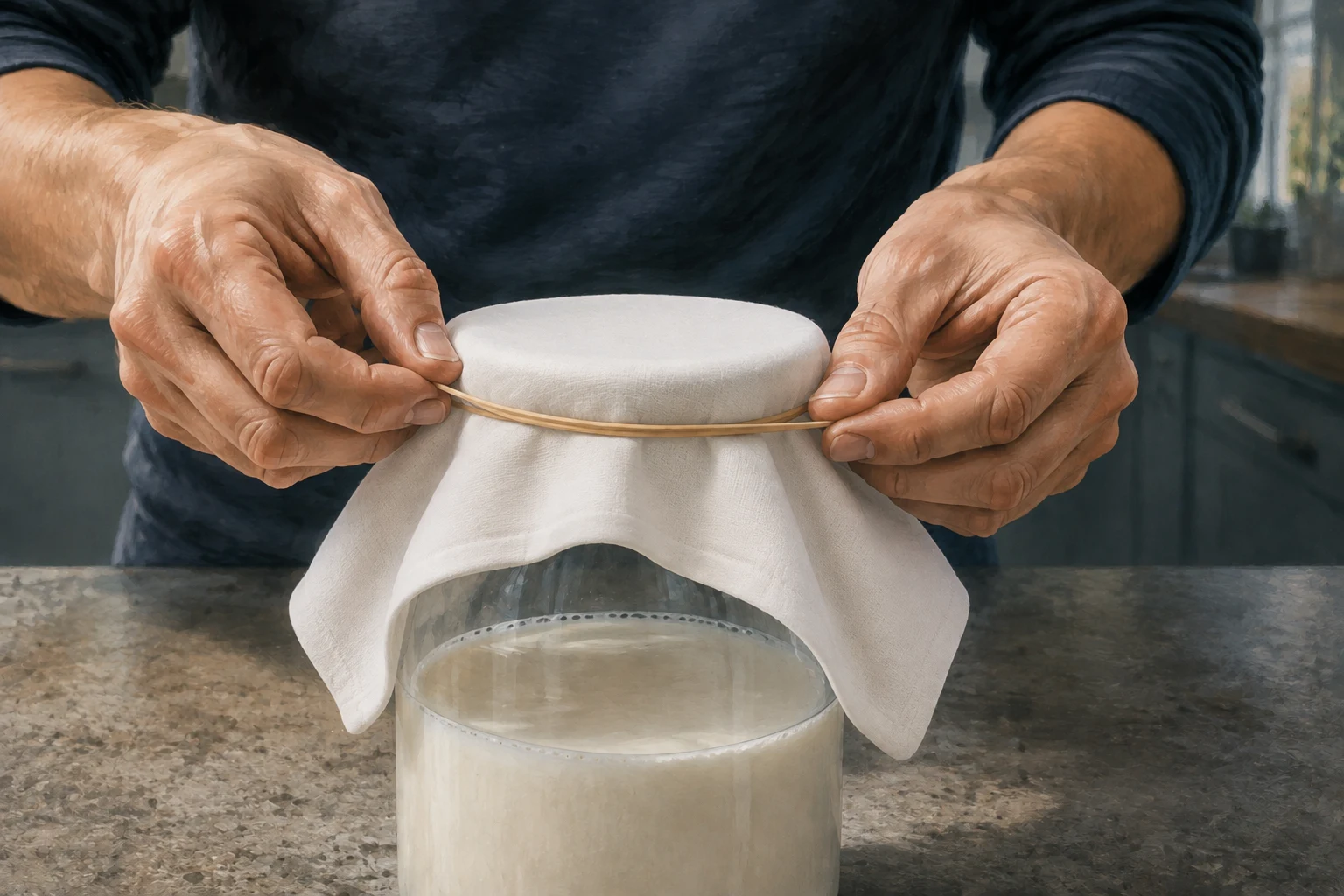
Choose plain pasteurized milk in a size you can use while fresh. Keep the brand, grain amount and room conditions consistent for your first few batches. Once you know how that milk behaves, a comparison with another carton has something reliable to build on.
Richness and thickness come from different ingredients
Milk fat gives a richer mouthfeel. Protein forms the loose gel as fermentation makes the milk acidic. Processing affects that gel too, so comparing the fat percentage alone cannot predict the finished texture.

| Milk | What to expect | What to check |
|---|---|---|
| Whole cow’s milk | A familiar flavour and richer mouthfeel | Use it as the reference batch |
| Lower-fat milk | A lighter drink that can still ferment | Judge acidity separately from creaminess |
| Goat’s milk | Its own aroma and often a softer gel | Choose it because you enjoy the flavour |
| Sheep’s milk | Usually more milk solids and a fuller body | Compare the actual nutrition label |
| UHT milk | Can ferment; heating changes proteins and flavour | Refrigerate after opening and follow the carton’s instructions |
| Lactose-free dairy milk | Can ferment and may start sweeter | It still contains milk proteins |
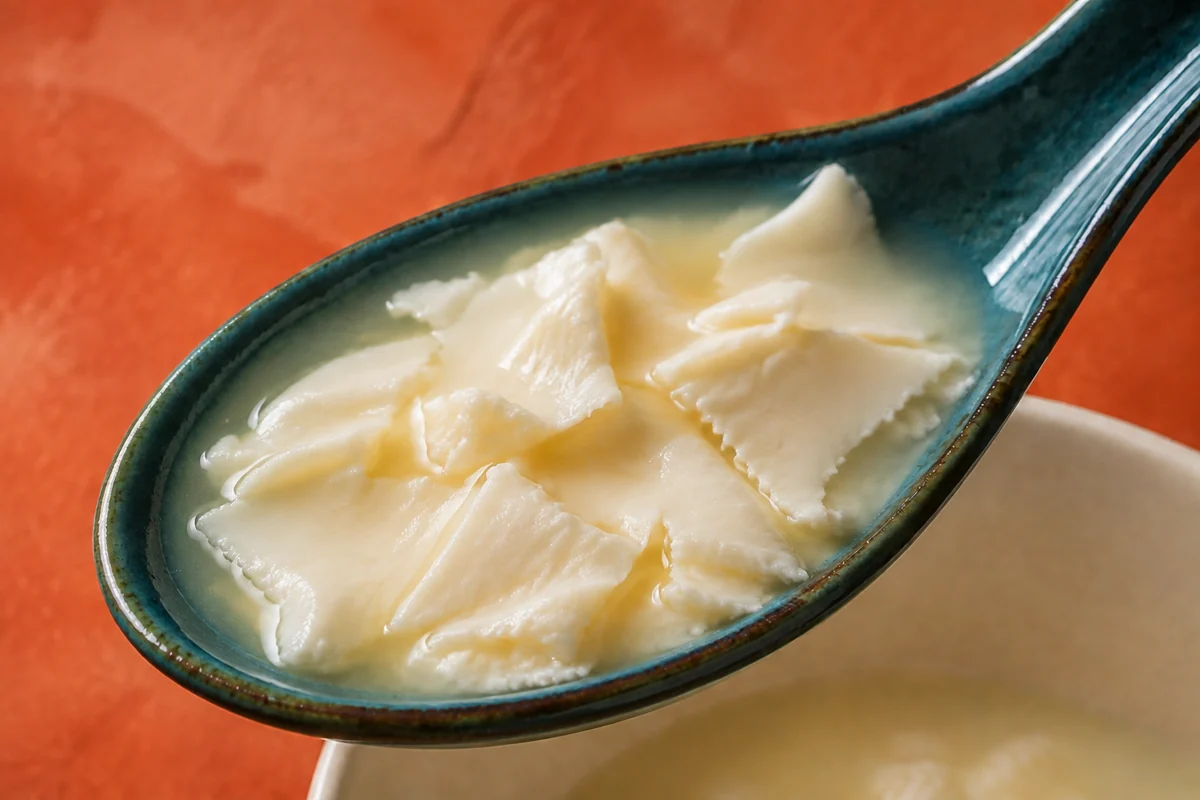
Milk from different breeds, seasons and brands can vary. Compare finished batches after chilling, at a similar stage of fermentation. A badly separated batch will not fairly represent what that milk can do. If yours becomes thin after forming curds, follow the texture diagnosis before buying a different milk.
What is different about lactose-free milk?
Many lactose-free milks are treated with lactase, which splits lactose into simpler sugars. They are not necessarily free of fermentable sugar. Check your carton and the culture’s instructions, then observe whether it acidifies reliably.
Lactose-free milk remains unsuitable for someone with milk-protein allergy. Goat’s and sheep’s milk are not reliable substitutes for that allergy either. Lactose intolerance and milk allergy need different choices.
I want a dairy-free ferment. Can I use the same grains?
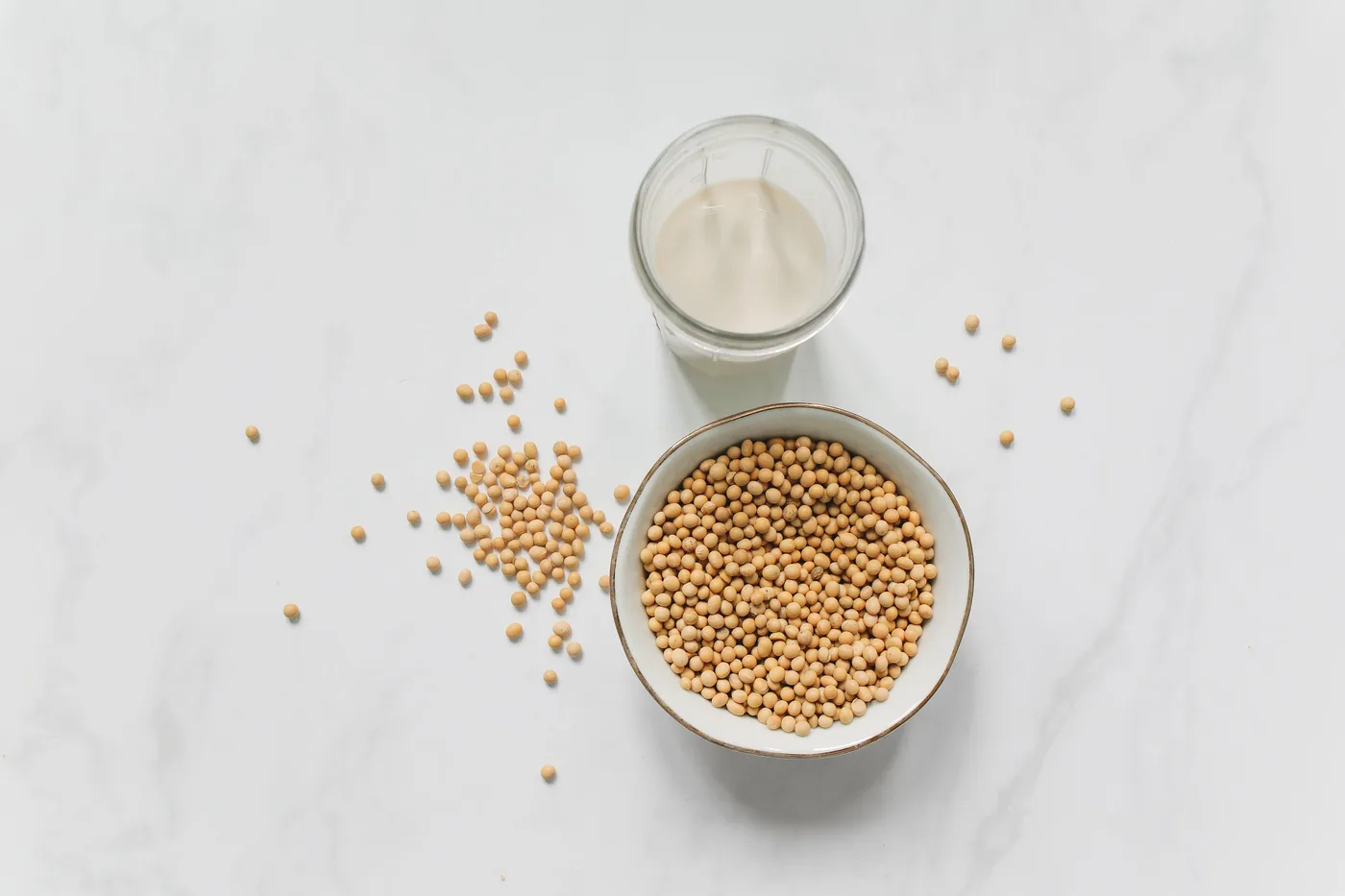
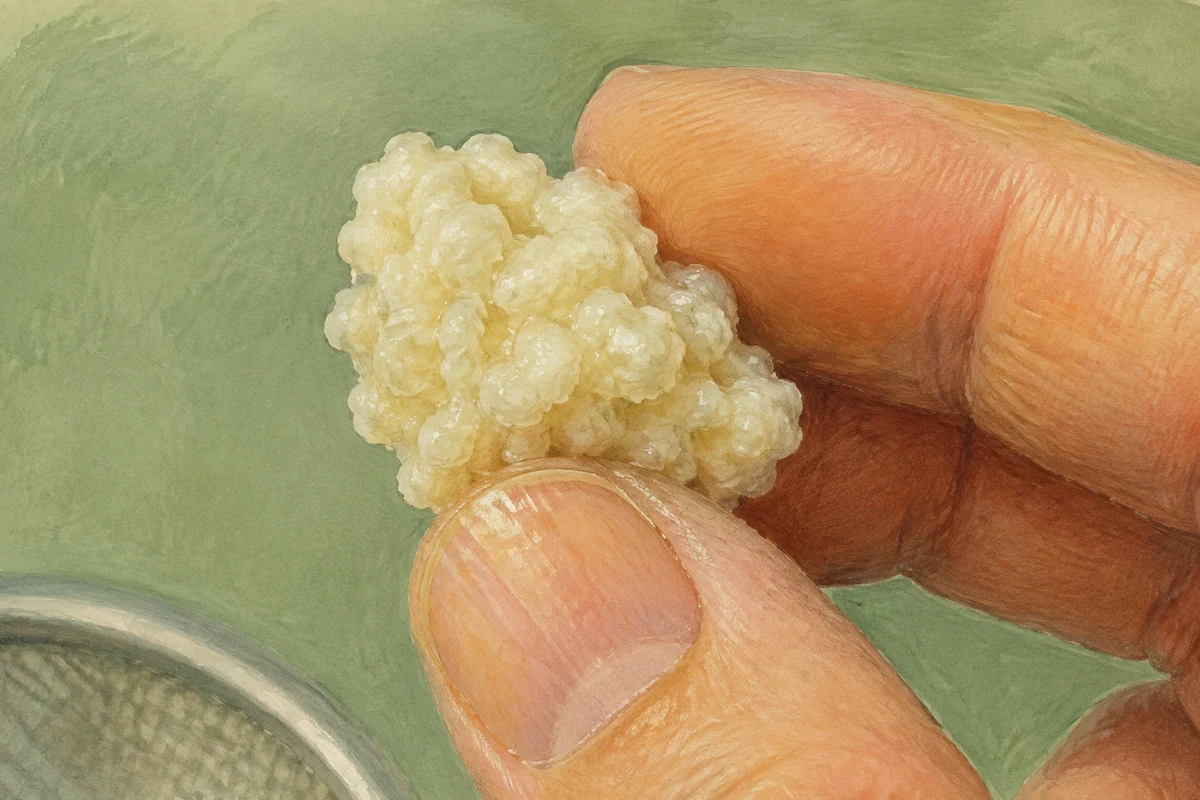
Milk-fed grains can carry milk proteins. For milk allergy, choose a starter confirmed suitable for the plant drink and free of dairy contact, with separate equipment. A short experiment with milk grains is a different project: see what soy and other plant drinks can change.
Use pasteurized milk
Fermentation does not reliably eliminate pathogens in raw milk. The FDA’s raw-milk guidance explains why pasteurization matters. If you want a richer flavour, compare pasteurized products rather than adding raw-milk risk to the process.
Questions about the carton
Is organic milk better for the grains?
Organic certification describes how the milk was produced, not whether your kefir will ferment faster or become thicker. Choose it if that production standard matters to you; judge fermentation by the actual carton and jar.
Can I switch milk brands?
Yes. Keep the other conditions stable and expect one or two batches to look different. If the new milk works better, repeat it before making it the new baseline.
Does homogenized milk harm kefir grains?
No. Homogenization changes fat-droplet size; it does not make pasteurized milk unsuitable for milk-kefir grains.
Research behind this answer
Where to go next


Comments
No comments yet.
Comments could not be loaded.
Join the discussion