
Gut Recovery · Kefir Guide
Kefir and Antibiotics: When to Drink It, How to Space Doses & Post-Course Recovery
Yes—you can enjoy kefir while taking antibiotics, as long as you give each dose a 2-to-3-hour cushion and always swallow your pills with plain water. Even better, keeping up a daily glass alongside colorful fiber-rich meals for two to four weeks afterward gives your gut microbiome friendly company while it bounces back.
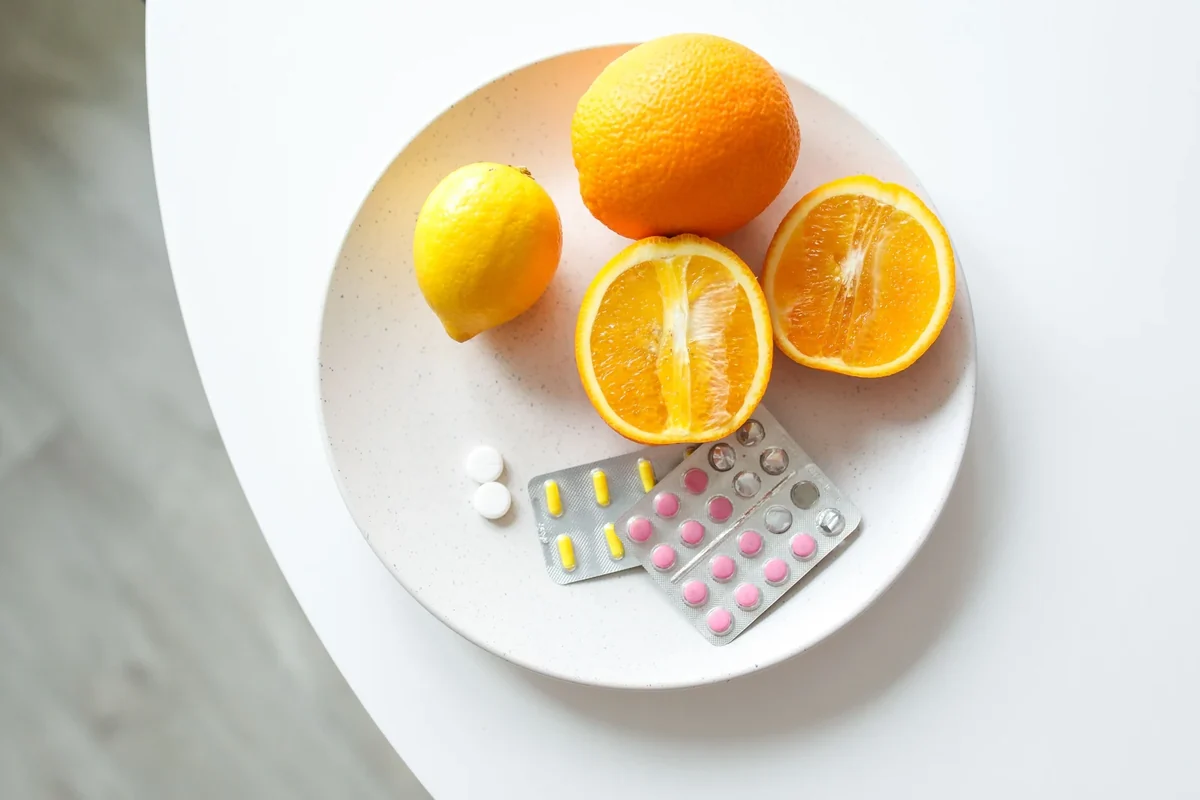
Yes, plain kefir fits smoothly alongside most antibiotic courses when you leave a 2-to-3-hour gap between your medicine and your glass. Spacing them protects your body’s ability to absorb certain calcium-sensitive antibiotics properly, while giving kefir’s live bacteria a much kinder landing zone.
Keep taking your full prescribed antibiotic course with plain room-temperature water, enjoy gentle 60–120 ml pours of plain kefir with snacks in between, and continue daily kefir plus high-fiber whole foods for 2 to 4 weeks afterward to help your gut feel settled again.
The 2–3 hour spacing rule: two big reasons pharmacists recommend it
Across German pharmacy guides, Russian digestive care notes, and Taiwan Food and Drug Administration (TFDA) medication safety advice, clinicians all point to the same simple clock rule: keep dairy kefir and antibiotics at least 2 to 3 hours apart. That quick habit protects both your medication and your glass of kefir for two distinct reasons:
- Calcium in milk kefir can block certain antibiotics from absorbing: Milk kefir naturally carries calcium, magnesium, and milk proteins. When taken at the same time as specific antibiotics—especially tetracyclines (such as doxycycline or minocycline) and fluoroquinolones (such as ciprofloxacin or levofloxacin)—those minerals bind to the medicine in your digestive tract (a chemical lock called chelation). Less medicine enters your bloodstream, making it harder to clear the infection. Always swallow antibiotics with plain room-temperature water, and ask your pharmacist whether your specific drug needs an even wider 3-to-4-hour dairy window.
- Antibiotics wipe out friendly bacteria too: Antibacterial drugs can’t tell the infection you’re treating apart from the lactic acid bacteria inside your kefir. Although kefir’s beneficial yeasts aren’t touched by antibacterial drugs, waiting 2 to 3 hours lets stomach medicine pass before kefir’s live bacterial team arrives.
One golden rule always comes first: never skip doses or stop your antibiotic early just because you feel better or want to drink fermented milk. Follow the full prescription from start to finish so the original infection clears completely.
What human kefir trials show during and after antibiotics
Human clinical studies give us an honest, encouraging view of where kefir helps—and where realistic expectations keep you safe. In the well-known pediatric MILK trial (Merenstein et al., 2009), 125 children ages 1 to 5 taking antibiotics drank either a commercial kefir beverage or a heat-killed matching placebo for 14 days; diarrhea rates ended up quite similar (18% with kefir vs. 21.9% with placebo), showing that a store bottle alone doesn’t guarantee prevention of antibiotic-associated diarrhea in young kids. Yet in adults undergoing standard 14-day triple therapy for stomach Helicobacter pylori (Bekar et al., 2011), adding 250 ml of kefir twice daily alongside treatment lifted eradication rates from 50.0% to 78.2% and noticeably eased common antibiotic stomach side effects. And in a specialized infectious-disease series (Bakken, 2014), Dr. Johan Bakken paired a carefully monitored staggered and tapered antibiotic withdrawal schedule with daily kefir for adults battling recurring Clostridioides difficile (C. diff) infections, seeing resolution in 84% of that cohort—a specialist-guided hospital protocol that underscores both kefir’s supportive potential and the importance of medical care for serious gut infections.
Visual Guide: Your 2–3 Hour Antibiotic Spacing Clock & 4-Week Rebuild
Left: Sample schedule for a twice-daily antibiotic so medicine absorbs well and live cultures thrive. Right: Supporting your gut during treatment and in the weeks after.
The real recovery magic: 2 to 4 weeks after your last pill
While spacing small sips of kefir during an antibiotic course feels soothing for many adults, Russian, German, and Taiwanese nutrition guides all agree on where kefir truly shines: the 2 to 4 weeks after you finish your prescription.
Think of an antibiotic course like a heavy rainstorm passing over a garden—it clears the unwanted weeds, yet leaves your helpful neighborhood soil microbes thinned out and hungry. Because most live cultures in kefir act as supportive passing guests rather than permanent settlers (learn why in our gut health guide), your surviving native microbes also need daily plant fuel to grow back tall and crowd out troublemakers.
For a nourishing 2-to-4-week rebuild, team up 120 to 240 ml (½ to 1 cup) of plain unsweetened kefir each day with varied prebiotic fibers:
- Easy breakfast partners: Stir chilled kefir into rolled oats with sliced banana or berries (overnight oats with kefir makes morning routines effortless).
- Gentle resistant starches & cooked veggies: Cooled cooked rice or potatoes, steamed carrots, sweet potatoes, asparagus, and leafy greens bring soluble fiber without overwhelming tender post-antibiotic stomachs.
- Gradual legume & nut variety: Once loose stools or tenderness calm down, slowly reintroduce lentils, chickpeas, walnuts, and flaxseed so your microbiome enjoys broad plant diversity alongside fermented foods.
Quick Timing Check
Where are you in your antibiotic course?
Tap the situation closest to your week for calm, practical spacing and kitchen advice.
Water with pills, gentle 60–120 ml kefir between doses
Swallow every antibiotic dose with plain room-temperature water. Two to three hours before or after a dose, enjoy 60–120 ml of plain unsweetened kefir alongside solid food. Skip sugary flavored yogurt drinks so simple sugar doesn’t add extra gut upset.
Ask your pharmacist if you need a 3-to-4-hour dairy window
Doxycycline, tetracycline, ciprofloxacin, and levofloxacin bind tightly to calcium, magnesium, and iron—including the calcium inside milk kefir. Check your pharmacy sticker carefully: some advise waiting 2 hours before and up to 4 hours after taking the pill before having dairy kefir, or sticking with non-dairy water kefir until your course ends.
Pair daily kefir with varied oats, greens, fruit & beans
Your prescription is done and the real garden rebuilding begins! Aim for 120–240 ml of plain milk kefir daily (if dairy sits happily) alongside diverse fiber-rich foods for 2 to 4 weeks. Mixing in small portions of other whole fermented foods like plain yogurt or fermented veggies supports diversity even further.
Hydrate first, pause dairy if upset, and watch for red flags
Mild temporary softening can happen on antibiotics, yet watery diarrhea (3+ loose stools a day), fever, strong cramping, blood, or mucus should always be checked promptly by a doctor—even weeks after finishing pills, to rule out C. diff. While mildly unsettled, drink oral rehydration fluids or broth and ask your clinician whether a targeted probiotic like Saccharomyces boulardii or L. rhamnosus GG makes sense alongside plain food.

Should you use kefir, a probiotic capsule, or both?
Many shoppers stand in the pharmacy aisle holding a bottle of kefir in one hand and a box of targeted probiotic capsules in the other. The reassuring truth is they aren’t rivals:
| Option | How it handles antibiotics | Best kitchen & pharmacy role |
|---|---|---|
| Plain milk kefir | Space 2–3 hrs from pills (protects calcium-sensitive drugs & live bacteria; yeasts aren’t killed by antibiotics) | Nourishing everyday food during milder courses & especially during the 2–4 week post-course rebuild |
| Water kefir | Naturally low in calcium; still leave 2 hrs from pills if sensitive, though less binding risk | Refreshing dairy-free option when strict calcium avoidance makes milk kefir tricky |
| Targeted capsule (e.g., S. boulardii or LGG) | S. boulardii is a probiotic yeast unaffected by antibacterial pills; bacterial capsules still need a 2-hr gap | Tested clinical support when your doctor or pharmacist advises extra protection on heavy broad-spectrum drugs |
Want a closer look at how whole cultured foods compare with capsules? Browse our kefir vs. probiotics guide. Also keep in mind that antibiotics sometimes make a sensitive tummy temporarily react to milk sugar (transient lactose intolerance) during recovery—if regular milk kefir feels heavy right after a stomach bug or antibiotic course, swap to plain lactose-free milk kefir for a couple of weeks until digestion feels calm again.
Medical red flags & important safety cautions
As NHS C. difficile guidance warns, contact a doctor promptly if you develop frequent watery diarrhea, a high temperature/fever, severe stomach pain or cramping, blood or mucus in your stool, or dehydration during antibiotics or even several weeks after finishing them—and never take anti-diarrheal medicine without medical advice if an infection like C. diff is possible. Additionally, per NIH NCCIH probiotic safety guidance, anyone with a severely weakened immune system, active chemotherapy, central venous catheter, or serious critical illness must consult their specialist before consuming live-culture fermented foods or probiotics.
Frequently Asked Questions
How many hours should I wait between antibiotics and kefir?
A 2-to-3-hour gap before or after your pill works well for most prescriptions. Waiting keeps calcium and magnesium in dairy kefir from interfering with drugs like tetracyclines or fluoroquinolones, and keeps fresh antibiotic concentrations from immediately wiping out kefir’s friendly bacteria. Always swallow pills with plain water.
Does kefir cure C. difficile or replace prescribed antibiotics?
No—never try to treat a suspected C. diff infection or replace prescribed antibiotics with kefir alone. In the 2014 medical series by Dr. Johan Bakken, kefir was used strictly as an adjunct alongside a physician-supervised tapered course of targeted antibiotics. Always seek prompt medical testing and treatment for persistent post-antibiotic diarrhea.
Can I give kefir to my toddler taking antibiotics to prevent diarrhea?
For children older than one year who safely tolerate pasteurized dairy, small spaced servings of plain pasteurized kefir can be a wholesome snack—just keep expectations realistic. In the 2009 MILK randomized trial of 125 young children, commercial kefir did not statistically lower antibiotic diarrhea compared with placebo, so ask your pediatrician if a tested pediatric probiotic strain is needed and always keep fluids handy.
How long should I keep drinking kefir after finishing antibiotics?
Continuing daily kefir (around 120–240 ml as tolerated) for 2 to 4 weeks after your course finishes—paired with fiber-rich oats, cooked vegetables, berries, and legumes—is a wonderful rhythm for supporting gut recovery. Of course, many people enjoy keeping plain kefir in their breakfast routine long after!
What if milk kefir upsets my stomach right after antibiotics?
Heavy antibiotics or gut infections can temporarily reduce your small intestine’s lactase enzyme for a few weeks. If regular milk kefir causes extra gas or loose stools, switch to plain lactose-free milk kefir or gentle 60 ml portions alongside rice, oats, or toast until your tummy feels fully settled.
Sources
- Merenstein DJ, Foster J, D’Amico F. (2009). A randomized clinical trial measuring the influence of kefir on antibiotic-associated diarrhea (the MILK Study). Arch Pediatr Adolesc Med (PMID 19652108)
- Bakken JS. (2014). Staggered and tapered antibiotic withdrawal with administration of kefir for recurrent Clostridium difficile infection. Clin Infect Dis (PMID 24917658)
- Bekar O, Yilmaz Y, Gulten M. (2011). Kefir improves the efficacy and tolerability of triple therapy in eradicating Helicobacter pylori. J Med Food (PMID 21186984)
- NHS: Antibiotics — How to Take Them Safely & Interactions
- NHS: Clostridioides difficile (C. diff) Symptoms & Urgent Warning Signs
- NIH NCCIH: Probiotics — Usefulness and Safety
- Taiwan FDA (衛生福利部食品藥物管理署): Medication & Food Interaction Guidance