
Drinking kefir
How much kefir should you drink?
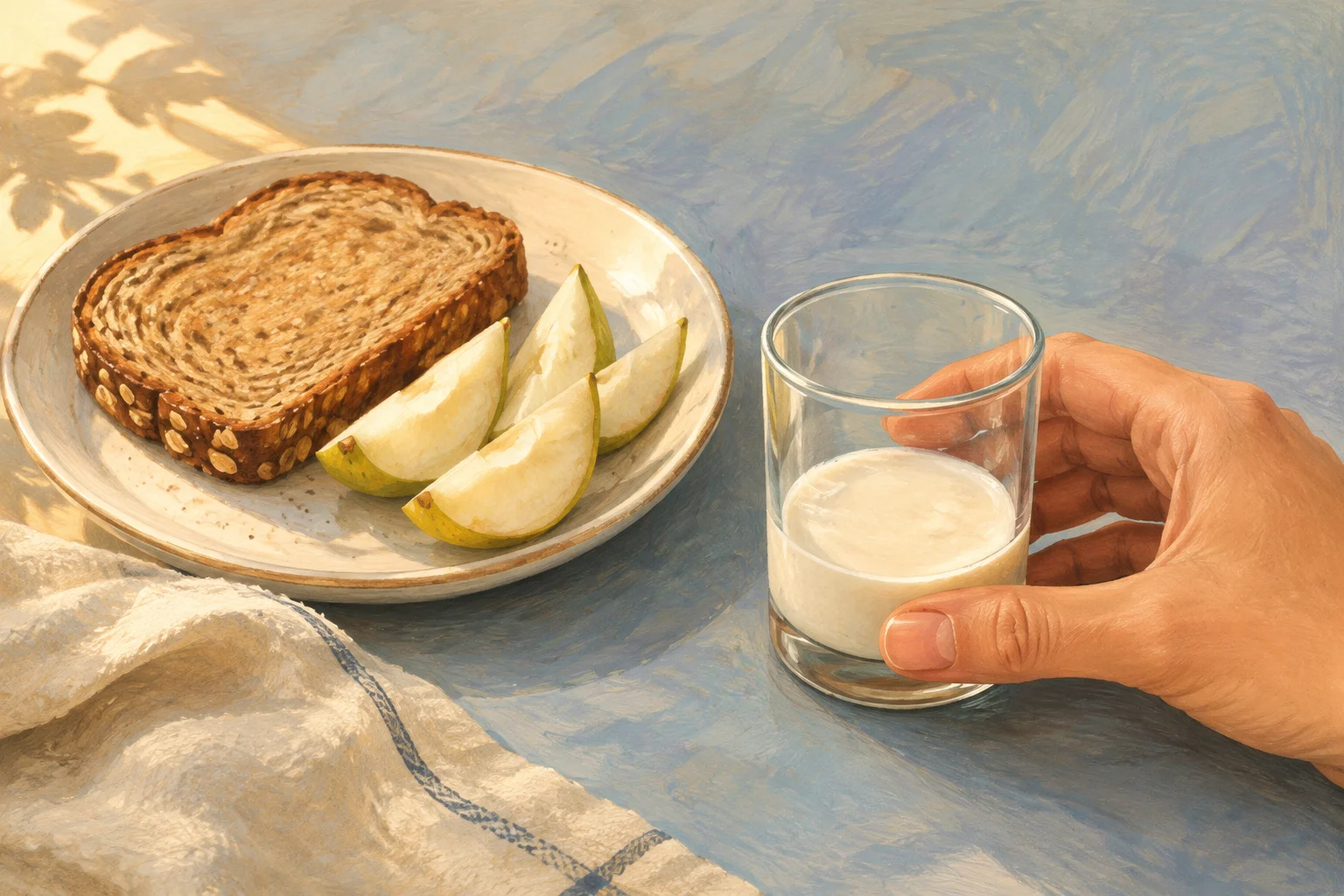
If you are new to kefir, a small serving with a meal is a useful place to start. Around 60–120 ml lets you try the taste and see how it sits with you. It is a suggested food portion, not a proven health dose. You can stay with that amount, have more if you enjoy it, or stop if it makes you feel worse.
Start with a portion you can enjoy
You do not need to finish a bottle at once. Pour a little into a glass with breakfast, spoon it over oats, or use it in a dressing. If you want to compare how you feel, keep the product and portion fairly consistent for a few servings instead of changing several things at once.
For a first taste, 60–120 ml is a practical suggestion. A larger glass, such as 150–250 ml, may fit a meal if you like it and tolerate it. Neither range is a target you must reach.
Think about what you want to notice:
- If milk usually gives you gas or bloating, notice whether this product is easier or harder to tolerate.
- If you are interested in constipation, notice comfort, stool consistency and straining as well as frequency.
- If you want a fermented food at breakfast, taste and convenience matter too. It needs to be something you want to eat again.
- If you are hoping to change blood glucose or cholesterol, those require the appropriate measurements. Feeling comfortable after a drink cannot tell you what happened to a blood test.
What happened after your first few servings?
I like it and feel comfortable
Keep that portion if it suits you. Have a little more when you want a larger snack or meal; there is no reason to increase it automatically each day. Check the label using the amount you actually pour.
I keep getting bloating, pain or diarrhoea
Stop drinking the product if it repeatedly makes you feel worse. A smaller amount may be easier for some people with lactose intolerance, but persistent symptoms deserve attention. Do not keep pushing through discomfort because someone calls it “detox”. Milk allergy needs a different approach from lactose intolerance.
I feel no different
That is a possible result. Kefir can still be an enjoyable food, but you do not need to keep increasing the portion to chase a noticeable effect. For a persistent digestive problem, find out what is causing it rather than waiting for a larger glass to fix it.
Trouble breathing, sudden swelling of the lips, tongue or throat, or faintness after a food can signal a serious allergic reaction. Get emergency medical help immediately. If you have a prescribed adrenaline auto-injector, follow your emergency plan. These are not symptoms to manage by trying a smaller serving. See the signs of anaphylaxis.
The product matters as much as the glass
Milk kefir contributes the nutrients in its milk base. Use the label to check protein, carbohydrate, fat and the serving size; a sweetened bottle and a plain one can be quite different.
For lactose intolerance, small amounts with meals may be easier to tolerate, and a clearly labelled lactose-free product is another option. NIDDK explains these food choices. Fermentation alone does not guarantee that ordinary milk kefir is lactose-free.
For milk allergy, avoid milk kefir, including lactose-free milk kefir: it still contains milk proteins. Check the ingredients and allergen statement of any alternative.
Water kefir starts with a different base and culture. Its sugar and alcohol can vary, especially in homemade batches. Milk-kefir nutrition and clinical results do not transfer automatically to it. Read how water kefir is made before treating it as an interchangeable drink.
Cultured soy, oat and coconut drinks also differ. Compare the actual product rather than assuming fermentation gives every base the same protein, sugar or fat content.
What about the amounts used in research?
The constipation pilot used 500 ml a day for four weeks in 20 adults. Symptoms improved, but there was no untreated group and no comparison with a smaller portion. It is an interesting finding, not a reason for everyone to drink half a litre.
A newer randomized trial in 65 young adults used 250 ml of lactose-free kefir daily for six weeks and reported fewer gastrointestinal symptoms after the intervention. It did not establish that this portion is the best one, or that ordinary homemade kefir has the same effect. The published abstract does not give the size of the between-group symptom difference.
The controlled lactose-digestion study asked a different question again: its drinks supplied the same 20 g lactose challenge. That is a research comparison, not a daily serving suggestion. The lactose article explains what the result means for drinking kefir.
Does it have to be every day, or at a certain time?
Choose a time that fits the meal. There is no established best clock time for everyone; taking it with food can be useful if milk products bother your stomach. Missing a day does not call for a double serving.
The rest of the meal still counts. A plain kefir snack might replace something sweet you usually eat. A sweetened kefir added to the same food adds its sugar and energy. Read the blood-sugar explanation if that is your reason for choosing it.
If you already enjoy a modest portion, give it a job:
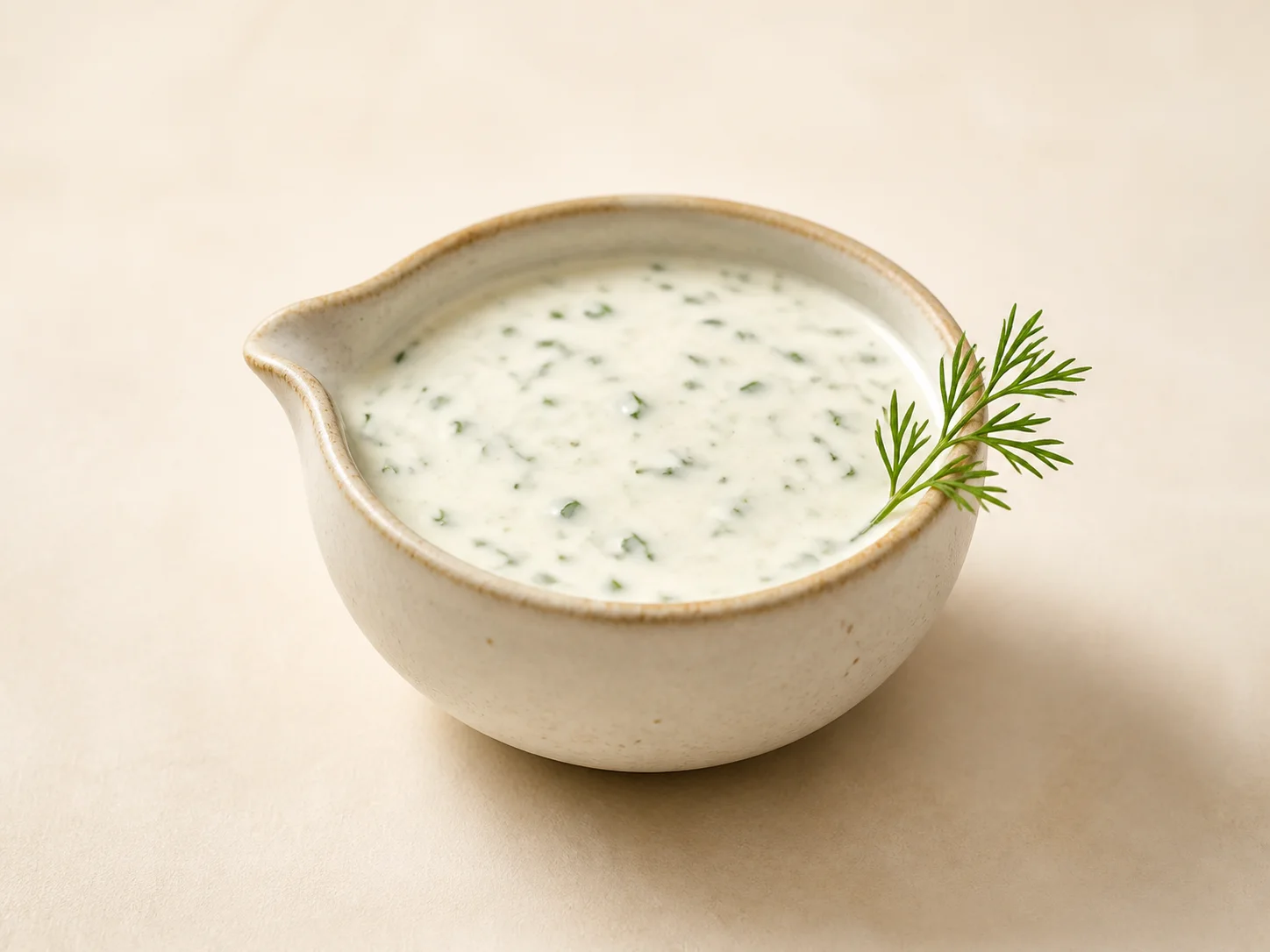
Herb ranch dressing
A savoury way to dress a salad.
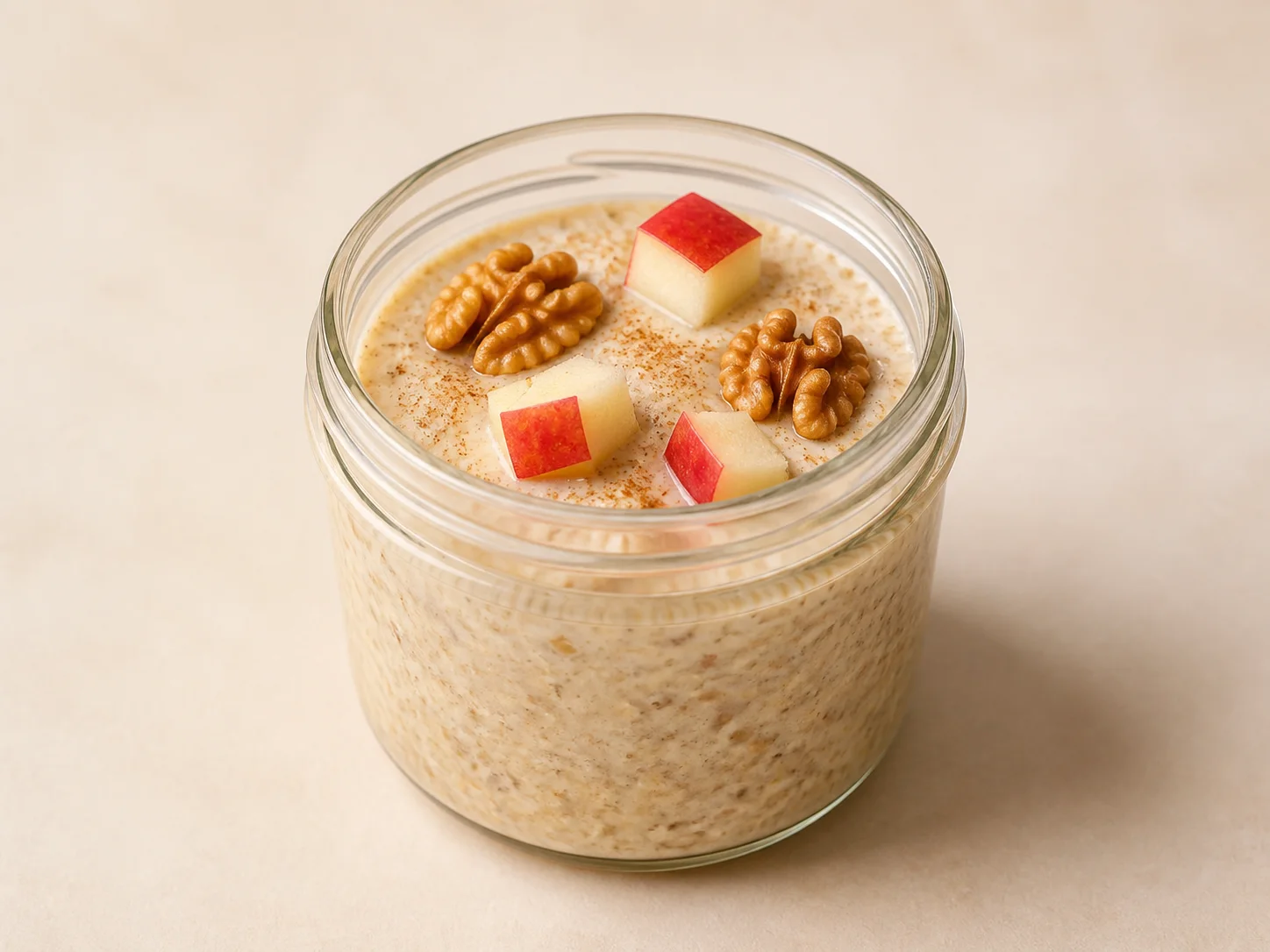
Apple and walnut overnight oats
Prepare breakfast the night before.
You can also make a smoothie. You do not have to drink kefir plain.
When an adult serving suggestion is not enough
Children need portions that fit their age and overall diet; an adult trial amount is not a child’s dose. During pregnancy, choose products made from pasteurized milk and keep them properly refrigerated. Homemade water kefir should not be assumed alcohol-free.
If you are seriously ill or significantly immunocompromised, ask your treating team before adding a live-microbe product. If you have a diagnosed digestive condition, keep your existing care in place. Do not delay assessment of persistent or worsening symptoms while experimenting with kefir.





Comments
No comments yet.
Comments could not be loaded.
Join the discussion